Roof Insurance Claim Assistance in Santa Rosa, CA
Commercial Roofing Services
Cleaning up fast feels responsible. On an insurance claim it can wipe out your best evidence. The torn flashing gets hauled off, the debris gets swept, a patch goes over the puncture, and by the time an adjuster arrives there is nothing left to point at.
Our job on a claim is to make sure that does not happen. We document the roof as it stands, separate what the storm caused from what age and neglect caused, and put a repair scope on paper that an adjuster can read line by line. We are a roofing contractor, not your insurer, attorney or public adjuster, and we will not promise how a carrier will respond. What we can do for a building in Santa Rosa, CA is hand you a record that is hard to argue with.
Serving Santa Rosa • Rohnert Park • Petaluma • Windsor • Healdsburg • Sebastopol • Napa
Evidence first, cleanup second
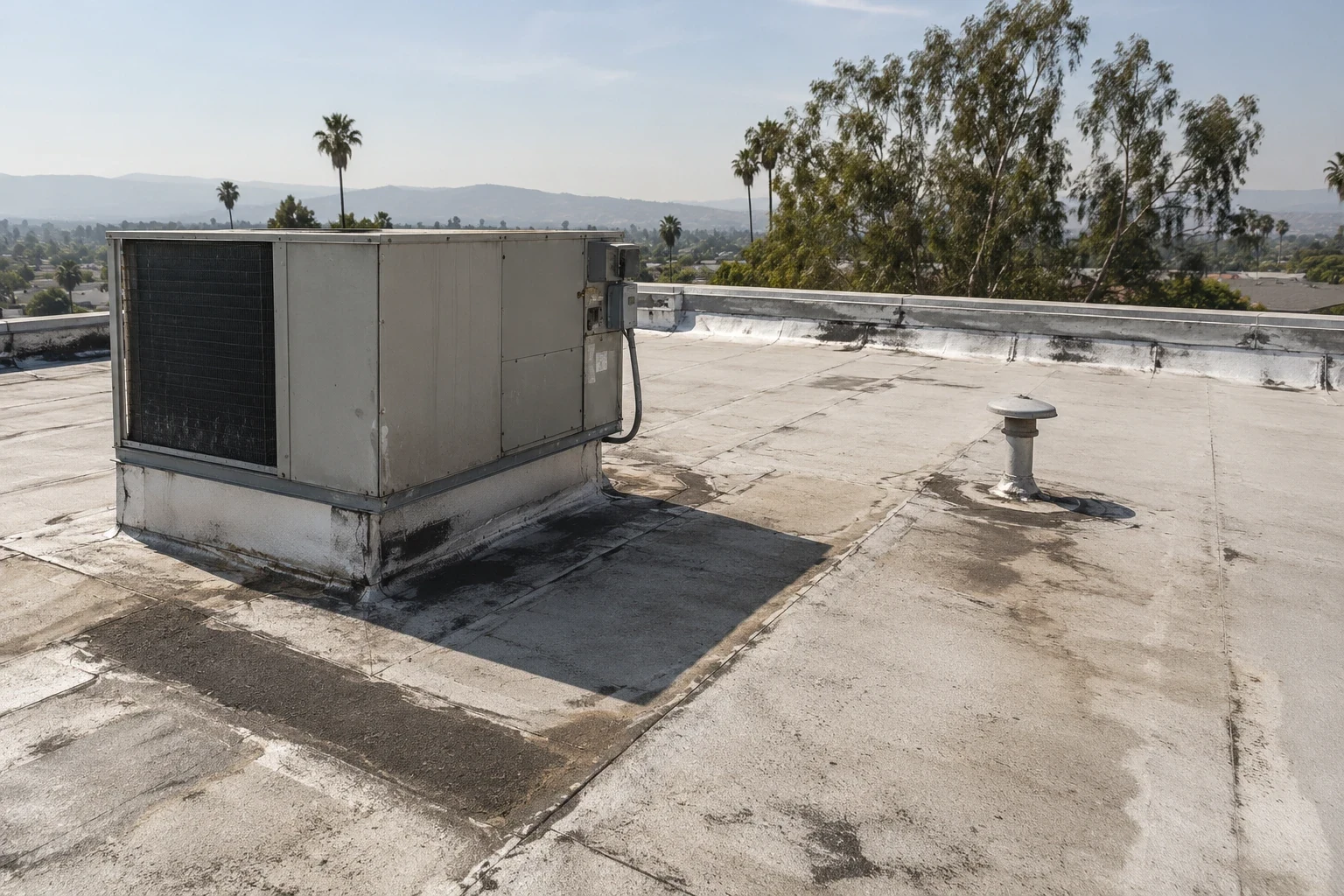
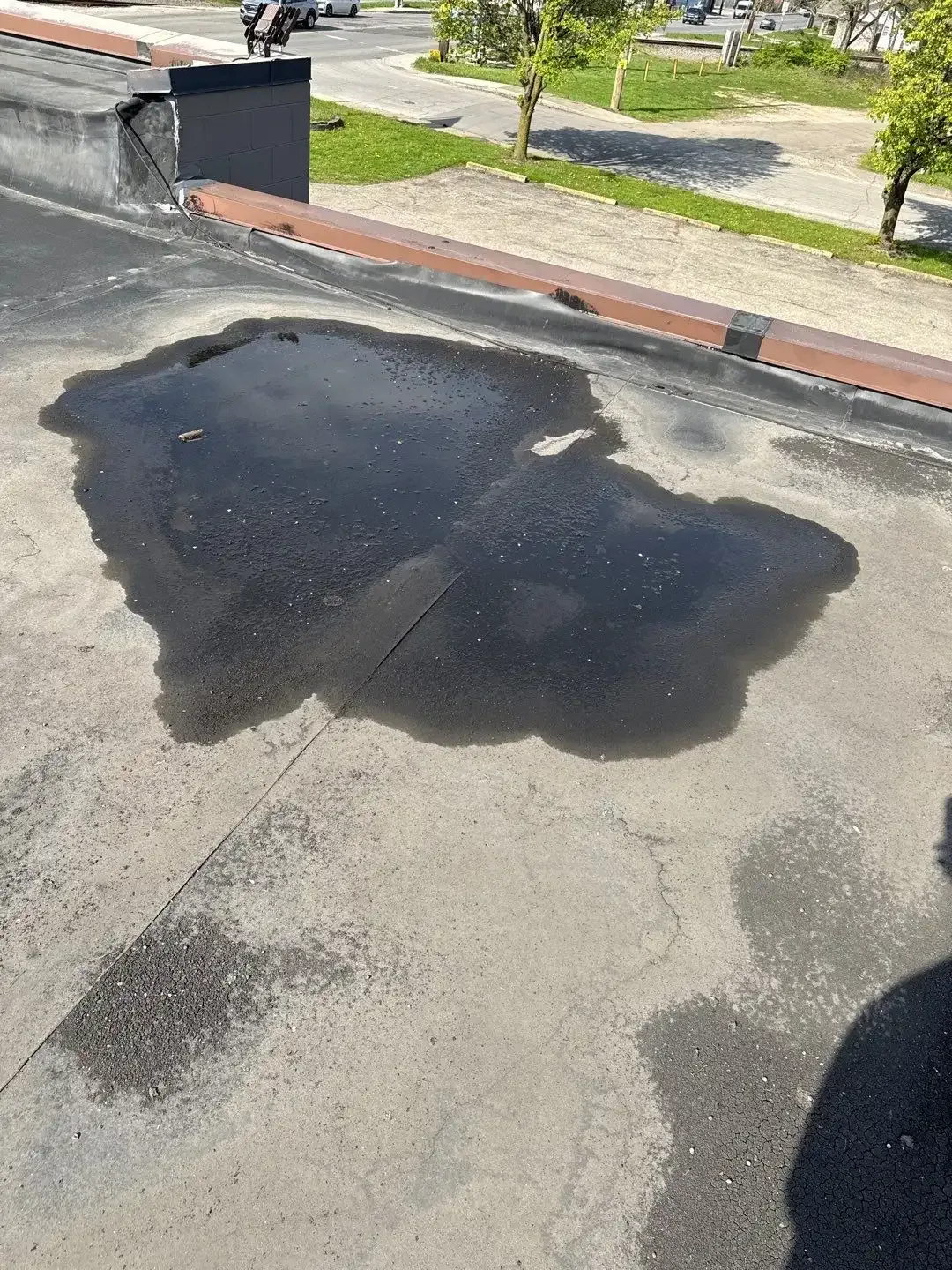
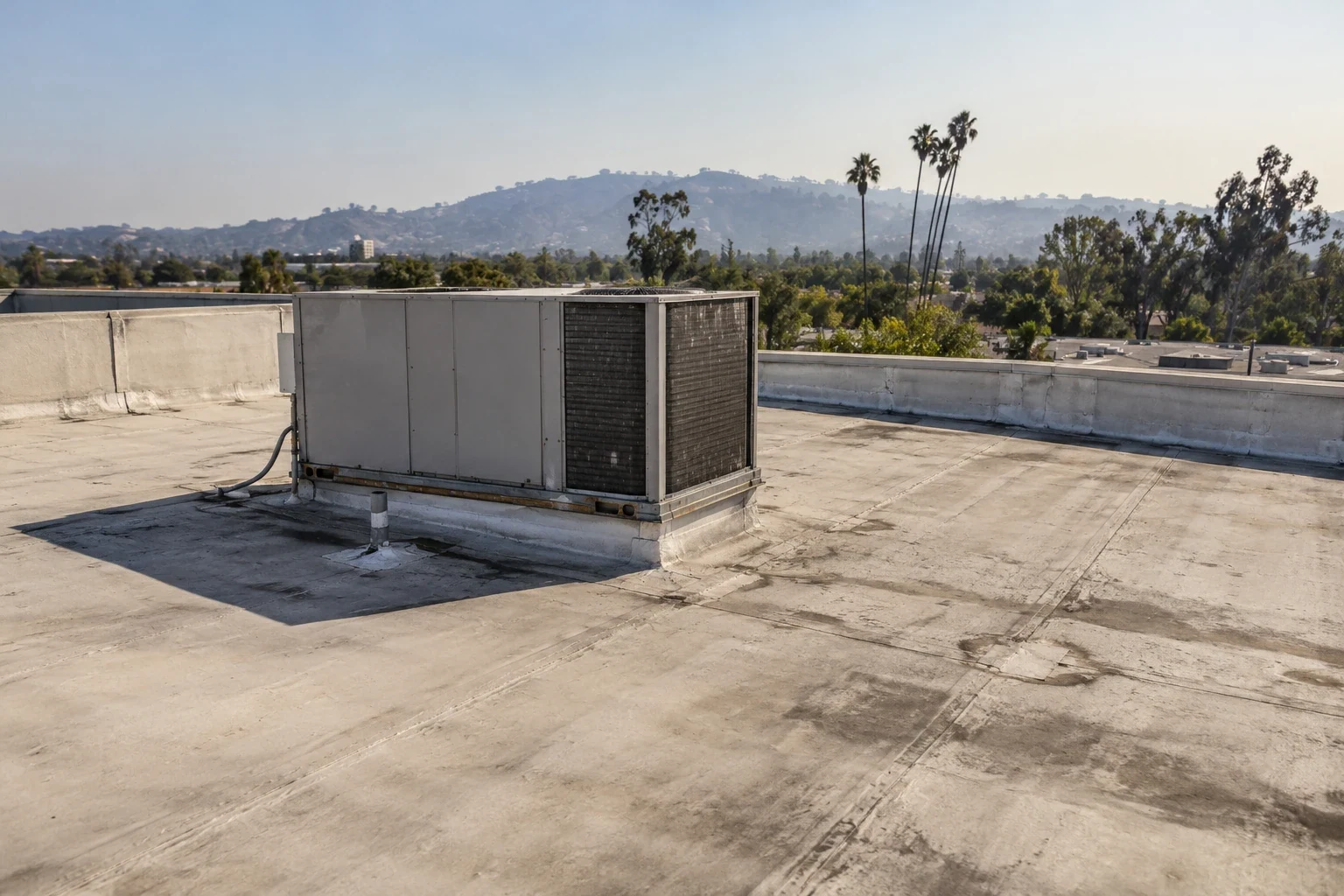
When a claim is possible, the order of work matters. Before anything is moved we photograph the whole roof, wide shots first, then close-ups of every tear, puncture, lifted seam, dented panel, displaced curb and burn mark, each tied to a location on a roof plan. We note the date, the weather and the condition of the drains.
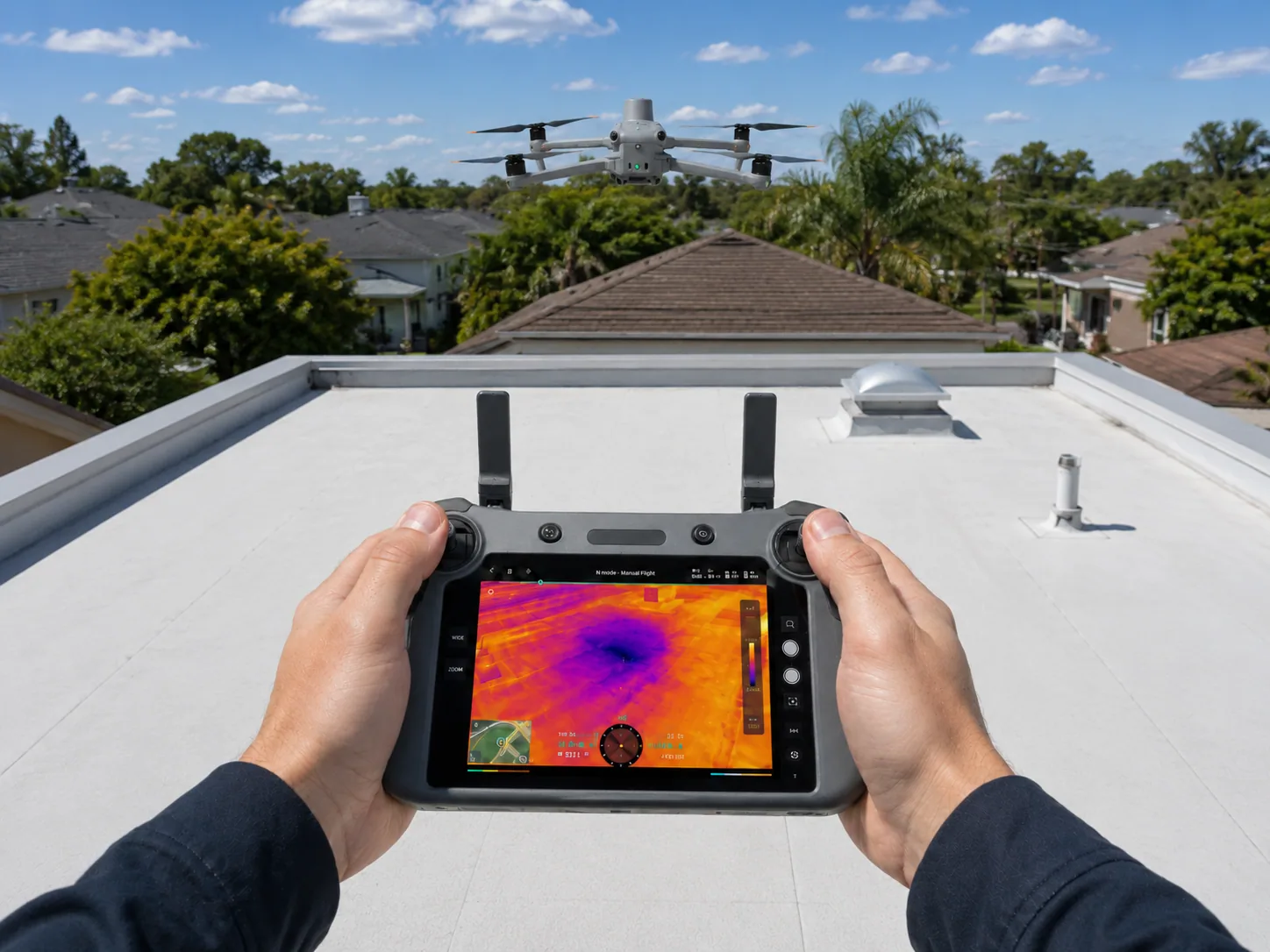
Where water may have gotten in, a moisture survey maps the wet insulation, so the interior damage and the roof damage can be matched. Large or unsafe roofs get a drone pass for full coverage. Then we make only the temporary repairs needed to keep water out, and we keep any material that shows the damage so it can be looked at later. The photographs and notes become part of a roof condition report that stands on its own.
Where roof claims come apart
The usual fights are about cause and age. A carrier points to shrinkage, ponding or deferred maintenance and calls the loss wear. The owner points to the storm. Both can be partly right, and a roof is rarely all one or the other.
The fix is a scope that separates the two clearly. We mark storm damage, wear that predates it and anything that the storm exposed but did not cause. We also price the repair to the existing roof system, because an estimate for a full replacement on a roof with limited damage invites a lowball, and an estimate that ignores code upgrades invites a gap. Be careful with a contractor who promises a new roof. Real work starts with what the evidence supports.
Policy and building type shape the file
Notice, deadlines and the wet season
Most commercial policies ask for prompt notice of a loss and set deadlines for proof of loss and for starting repairs. We cannot read your policy for you, but we can tell you what the roof needs to survive while the paperwork runs. In Santa Rosa that clock is tied to the weather, because the rain arrives in a concentrated stretch from November through March.
If damage happens in October, a slow claim can run straight into the wet season with only a temporary patch overhead. Report the loss early, get the roof documented and dried in, and ask the carrier in writing how it wants temporary protection handled. Meanwhile the storm damage repair plan can be written in parallel, so the permanent work can start the day the scope is agreed instead of the day the sun comes out.
Fire zones and code change the scope
Wildfire history makes roof records matter in Sonoma County. The Tubbs Fire destroyed a Kmart, a Hilton and restaurants along the Highway 101 corridor in 2017, and in Fountaingrove it took homes, the Fountaingrove Inn and the Round Barn. The 2020 Glass Fire destroyed 343 commercial buildings in Napa County alone. Santa Rosa is now expanding its Wildland-Urban Interface fire zone, adding 3,082 parcels after new CAL FIRE hazard maps.
Owners in those zones should keep their roofing records current, since a claim file built on dated condition reports is easier to defend. Code matters at replacement as well. Santa Rosa has adopted the 2025 California Building Code, and Sonoma County's reroofing guidelines include a self-certification reroof inspection policy. We price those requirements into the scope up front. Where a fire touched the roof, the fire damage repair scope gets the same line-by-line treatment.
Keep the building assessment and the coverage decision in separate records. A roofer can document visible conditions, repair history, measurements, photographs, and the proposed work boundary; the insurer and policy documents determine coverage. Date each observation and distinguish direct damage from pre-existing wear or deferred maintenance. If a test opening changes the scope, record the result before extending removal. This evidence helps the owner compare the field condition with the claim file without promising an outcome that belongs to the carrier.
Commercial Roofing Questions
What should I photograph before the roofer touches anything?
Start with wide shots of every roof area and the surrounding site, then close-ups of each damaged spot with something in the frame for scale. Shoot ceilings and wall stains inside, too, and time-stamp everything. If you cannot get on the roof safely, do not try. We will do the documentation and share the full set with you for your records.
Can you tell my carrier the damage is covered?
No, and be wary of anyone who says they can. Coverage is a decision for the insurer and your policy. What we provide is the factual side: what failed, probable cause, how much of the roof is affected and what a code-compliant repair involves. A clear file gives the adjuster less room to guess, which is the most a roofer can offer.
Do I have to use you for the repair if you document the claim?
Not at all. A documented scope belongs to you and you may bid it however you like. We would rather earn the repair than lock it in, and a clean scope makes comparing bids easier. If you do hire us, the notes taken on day one go straight to the crew doing the work.
What if the adjuster says the damage is only wear and tear?
Ask what evidence they used, then compare it to your photographs and moisture map. We can walk the roof with the adjuster and point out fresh tears, impact marks and displacement that old age does not produce. When the finding is mixed, we split the scope, so the part tied to the storm stands on firm ground.
How long can I leave a temporary repair in place while the claim is open?
Plan on weeks, not seasons. A tarp or sealed patch is meant to bridge a gap through one or two storms, and it fails faster than a proper repair. In the wet months from November through March we check it after each heavy rain, and we tell you when it is time to push the permanent work forward.
Build the record before the roof changes
Call Commercial Roofing Santa Rosa. We will document the damage, separate the storm from the wear and give you a scope you can hand straight to your carrier.