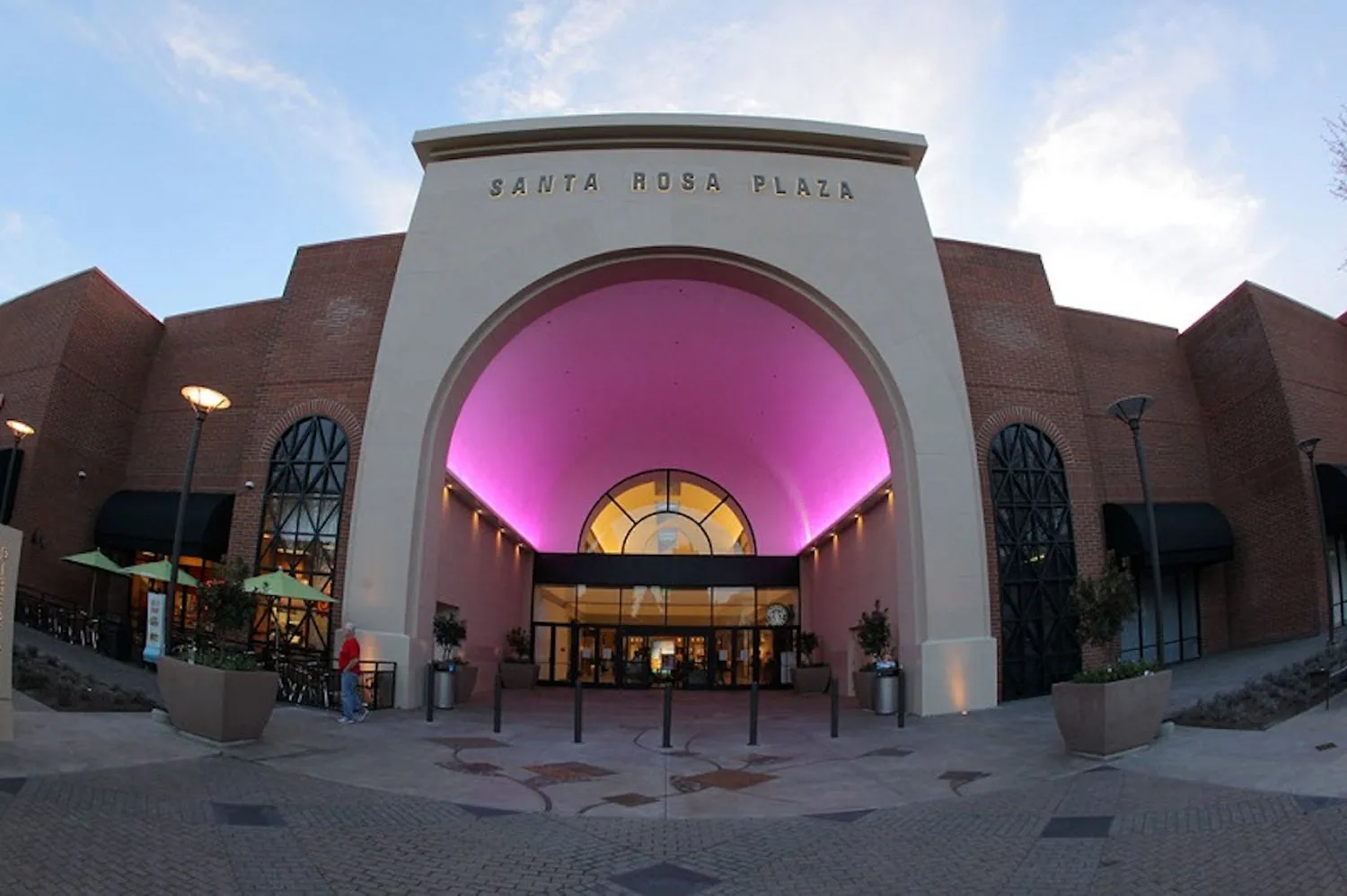
TPO Roofing in Santa Rosa, CA
Roof Systems
TPO is the default flat roof on a lot of commercial bids, Santa Rosa, CA included, and defaults are where owners stop asking questions. The membrane is fine. The problem is that two white TPO roofs can look identical from the parking lot and be completely different products: one thick, carefully welded and flashed, the other thin and sold on the bid sheet.
Both will pass a glance from the street. Only one is still tight after a hot September and a hard February. TPO is a thermoplastic sheet whose seams are fused with hot air instead of glued, and it is a membrane commonly specified over tilt-up walls, flex buildings and retail pads. It deserves a straight conversation before anyone signs, including the cases where we tell you to pick something else.
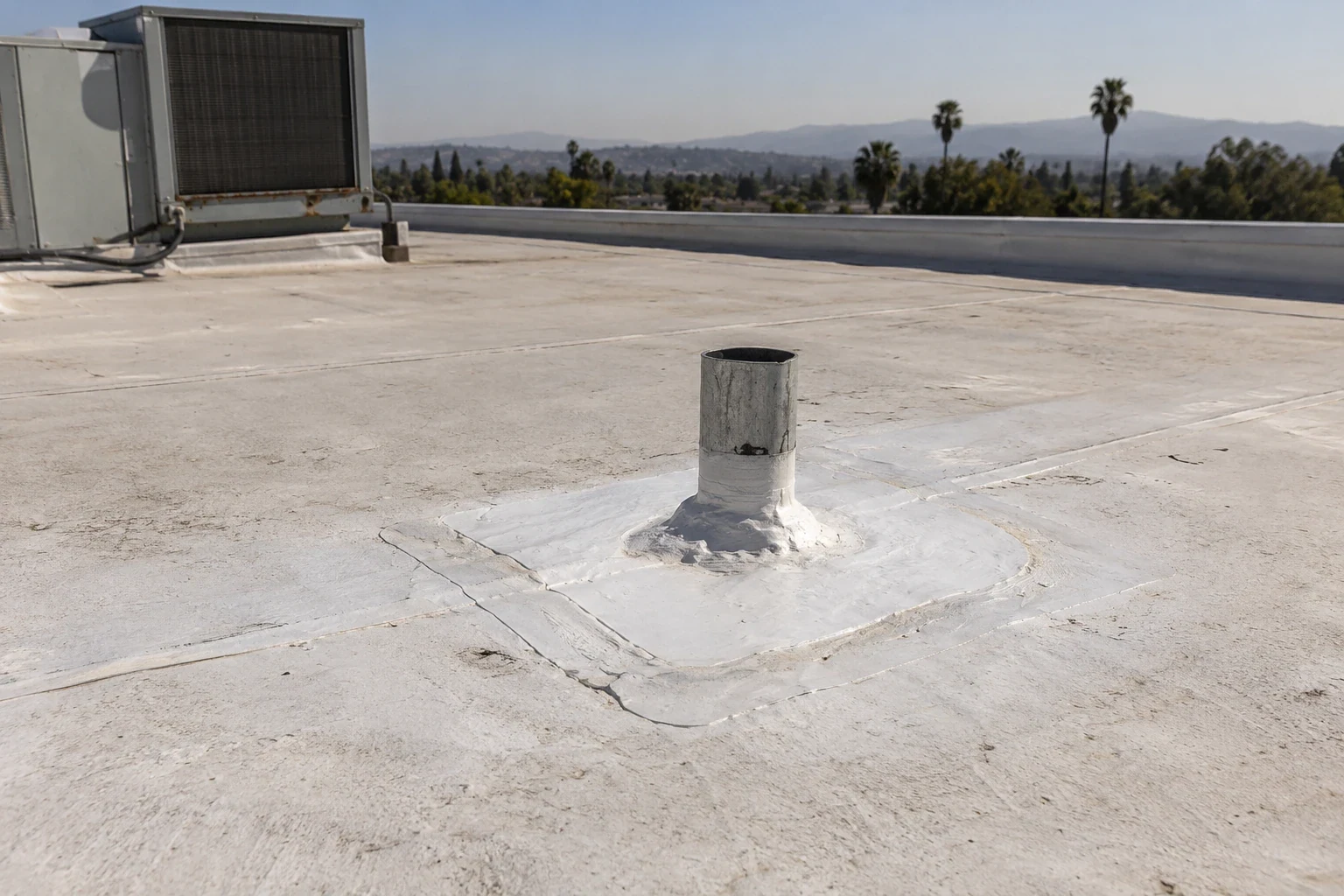
Serving Santa Rosa • Rohnert Park • Petaluma • Windsor • Healdsburg • Sebastopol • Napa
Tilt-up and flex roofs suit it best
The sweet spot for TPO is the big, plain, low-slope roof with long runs and few penetrations. Flex and light industrial buildings, the kind that fill the Airport Business Center and the industrial space the Roseland Area plan projects along Sebastopol Road, are where that roof shape tends to turn up.
On a roof like that, wide rolls mean fewer seams, and a reflective surface keeps the deck cooler under the sun. Those are real advantages for a warehouse roof where the owner cares about operating cost and not much else.
TPO is a weaker fit on a roof crowded with curbs, pipe supports and odd corners, because every detail becomes hand work. Verdict: best on open roofs, acceptable on busy ones if the crew is skilled, and a poor choice when the roof is mostly flashing.
Thin sheet and cold welds fail first
Here is the truth about TPO: the chemistry varies more between products than the marketing admits. Thicker sheets with a heavier scrim and a longer-lasting top layer take more abuse from foot traffic, ponding and sun. Thin ones craze, shrink and pull at seams sooner.
The other weak point is the weld. A hot-air seam has to be hot enough, slow enough and clean enough, and a dirty or damp sheet will look joined on the surface while the bond is weak underneath. We probe-test seams on repairs and replacements, and we flag cold welds in writing.
Shrinkage matters at flashings. When a membrane pulls back from a wall or curb, it can lift the base flashing and open a path for water. Many TPO leaks start at a corner, not in the field.
Recommendation: pay for thickness and a careful welder before you pay for anything else on the spec.
Heat and fog both test the sheet
Attach it the way the deck allows
TPO goes down three ways: mechanically fastened, fully adhered, or ballasted. Each one suits a different building.
- Mechanically fastened is fast and economical over a sound deck, with plates and screws set along the seams.
- Fully adhered gives a smooth, fastener-free surface and suits roofs with strict wind or appearance demands.
- Ballasted is rare and needs a structure that can carry the stone.
Insulation and cover board matter just as much as the sheet. Rigid polyiso with a cover board over it holds up better under foot traffic and regular rooftop equipment service. Over an old roof, the same sheet can be installed as a recover when the existing insulation is dry.
We will quote the attachment that fits your deck, not the one that pencils out cheapest.
Skip TPO where PVC or EPDM wins
TPO is not the answer on every roof. If the building vents cooking exhaust or process fumes onto the membrane, PVC roofing or the grease-tolerant KEE membranes will outlast it. If the roof is small, heavily detailed or sits under an architect's eye on an older downtown block, EPDM is often easier to flash.
It is also not worth buying a premium membrane for a roof with failed drainage. The sheet will not fix a scupper that clogs every winter. We would rather spend your first dollars on the outlets and the edge metal, then on the membrane.
Verdict: choose TPO for open roofs and dry operations, and choose something else for hard-working ones.
Specify more than a membrane color and nominal thickness. Identify the substrate, insulation layout, attachment method, perimeter restraint, and how penetrations will be flashed. Weld quality depends on clean, compatible surfaces and controlled installation conditions, so probe tests and repair records should be part of closeout. Where rooftop equipment interrupts a broad field, plan walk paths and service protection before the sheet goes down. A system is only as reliable as the transitions the owner will have to maintain.
Commercial Roofing Questions
Is a thicker TPO membrane worth paying for on a warehouse roof?
Usually yes, within reason. The extra thickness is mostly extra life in the wear layer, which is what takes foot traffic, ponding and sun. On a roof that sees rooftop unit service every quarter, the thicker sheet is the better buy. On a roof nobody walks, a mid-range sheet installed well beats a premium sheet installed badly.
How can you tell if my existing TPO seams are failing?
We walk the field with a probe and test the welds, then look for lifted edges, shrinkage at walls and chalking near the seams. A seam can look closed for years while the bond underneath is weak. We note each questionable weld with a photo so you can see what we saw before anything gets repaired.
Can TPO go over my old roof instead of a tear-off?
Sometimes. The old roof has to be dry, flat and sound, and local code limits how many layers a roof can carry. We scan and sample first. If the insulation is wet in more than patches, we will recommend a tear-off and show you where the water is.
What does ash from a wildfire do to a white roof?
It dulls the surface and clogs drains. Ash is not corrosive the way people fear, but it holds moisture against the sheet and blocks scuppers. A rinse and a drain check after a smoke event keeps the roof reflective and keeps overflow from backing up on the next storm.
Should a flex building with several tenants get one membrane or separate repairs?
One system is easier to maintain. Mixed patches from different years make it hard to tell what is under warranty and what is not. If one tenant bay leaks, we repair it now, then price a plan for the rest so the whole roof ends up on one schedule.

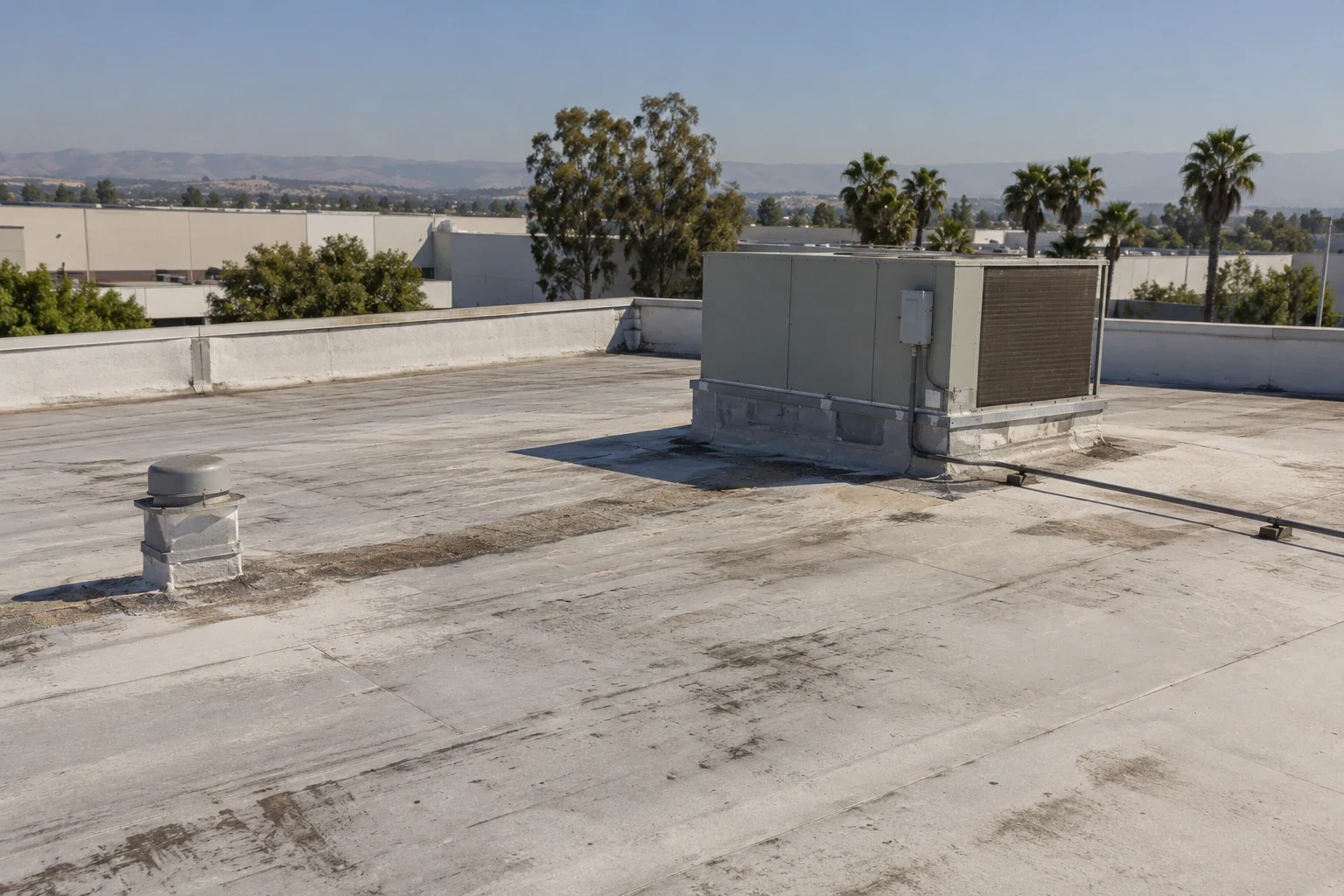
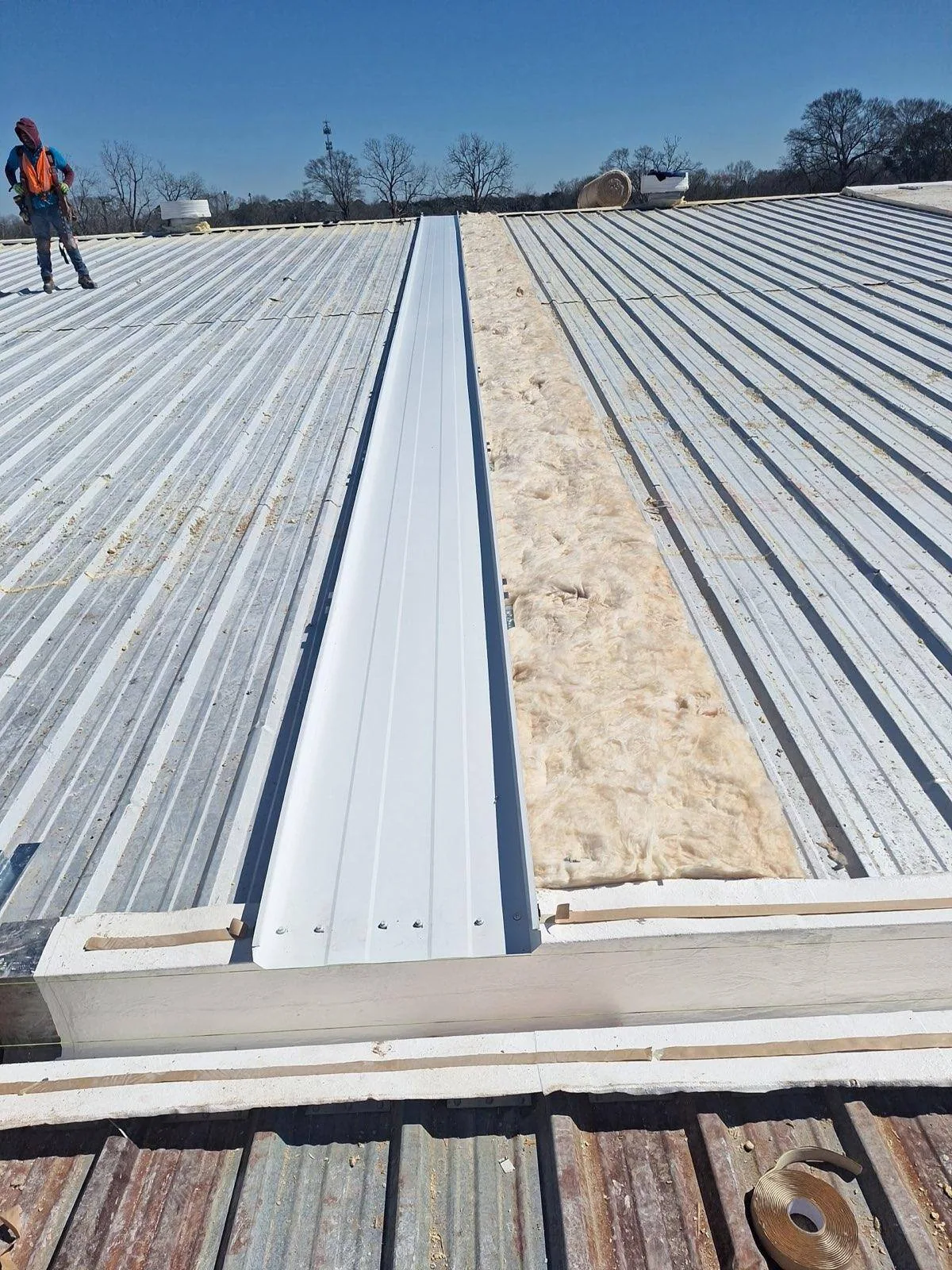
Find out whether TPO fits your roof
Call Commercial Roofing Santa Rosa. We will look at the deck, the drainage and the details, then tell you plainly whether TPO is the right membrane, a different one is, or the roof only needs repair.