EPDM Roofing in Santa Rosa, CA
Roof Systems
Black rubber sounds like the wrong roof for a place that hit 115 degrees, and on a big open roof it often is. But EPDM keeps a following among roofers for a reason. It is forgiving to install around awkward corners, easy to patch years later, and tougher against foot traffic and sun than its reputation suggests.
EPDM is a synthetic rubber sheet that comes in wide rolls and is held down by adhesive, fasteners or ballast, with seams joined by tape or liquid adhesive instead of heat. In Santa Rosa, CA the question is rarely whether EPDM works. It is whether the building in front of you is one of the ones where it is the smart pick. Here is how we sort that out.
Serving Santa Rosa • Rohnert Park • Petaluma • Windsor • Healdsburg • Sebastopol • Napa
Old masonry and small roofs fit it
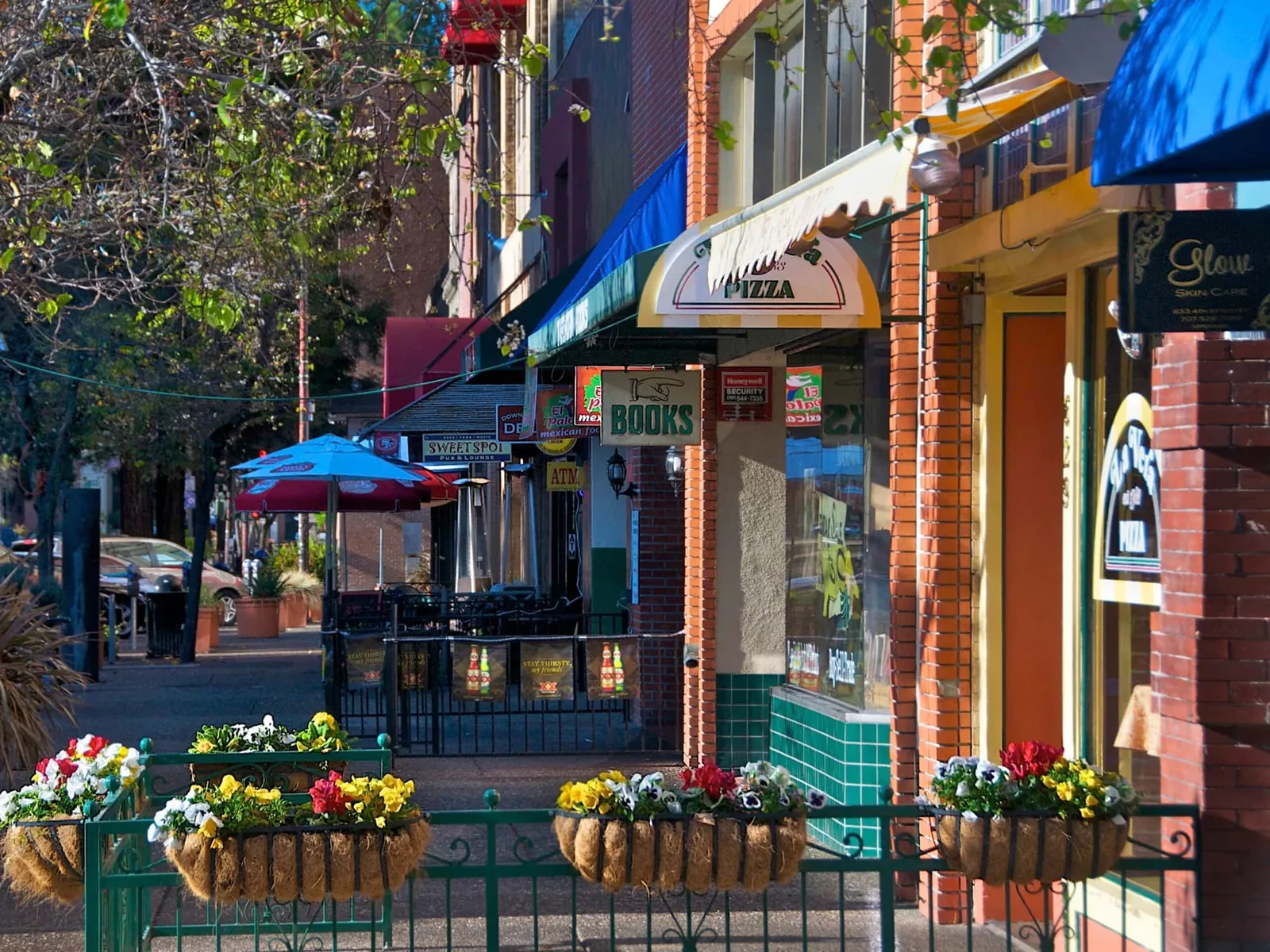
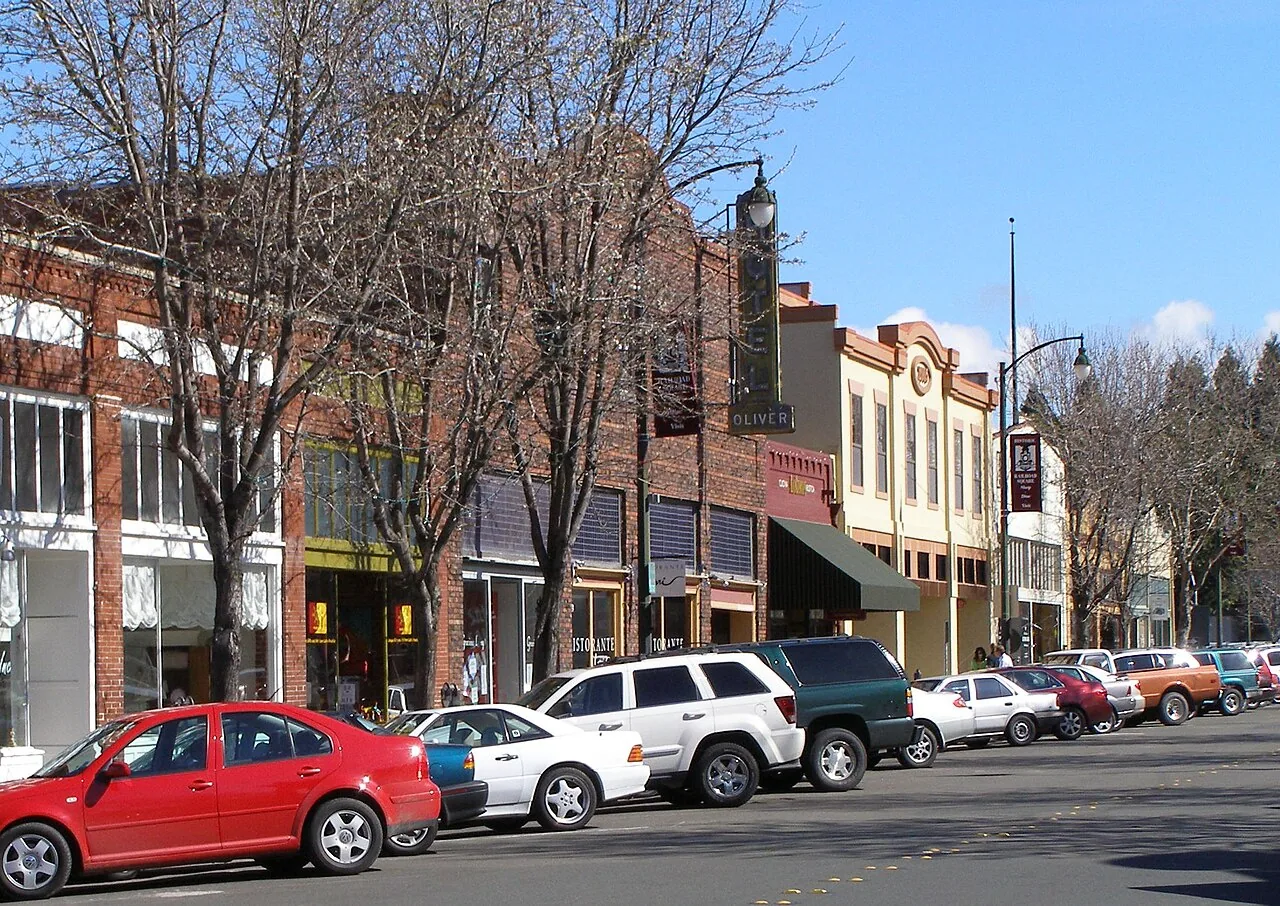
Where EPDM earns its place is the small, cut-up roof with plenty of parapet. Think of the older commercial blocks in Railroad Square, a National Register district where Hotel La Rose stands as a three-story andesite building and Rosenberg's Department Store sits on Fourth Street. Roofs on buildings like these demand careful parapet, coping and drain work, and rubber sheet is easy to form around odd corners.
The same goes for open-air retail. Montgomery Village opened in 1950 and holds more than 60 shops, services and restaurants, and an open-air center like that has storefront edges and tie-ins where hand-formed flashing matters more than the field sheet. A good detail in sheet rubber beats a premium system that cannot be flashed cleanly.
Verdict: on small, detailed roofs, EPDM is often the better membrane, not the cheaper one.
Seams and flashings cause the trouble
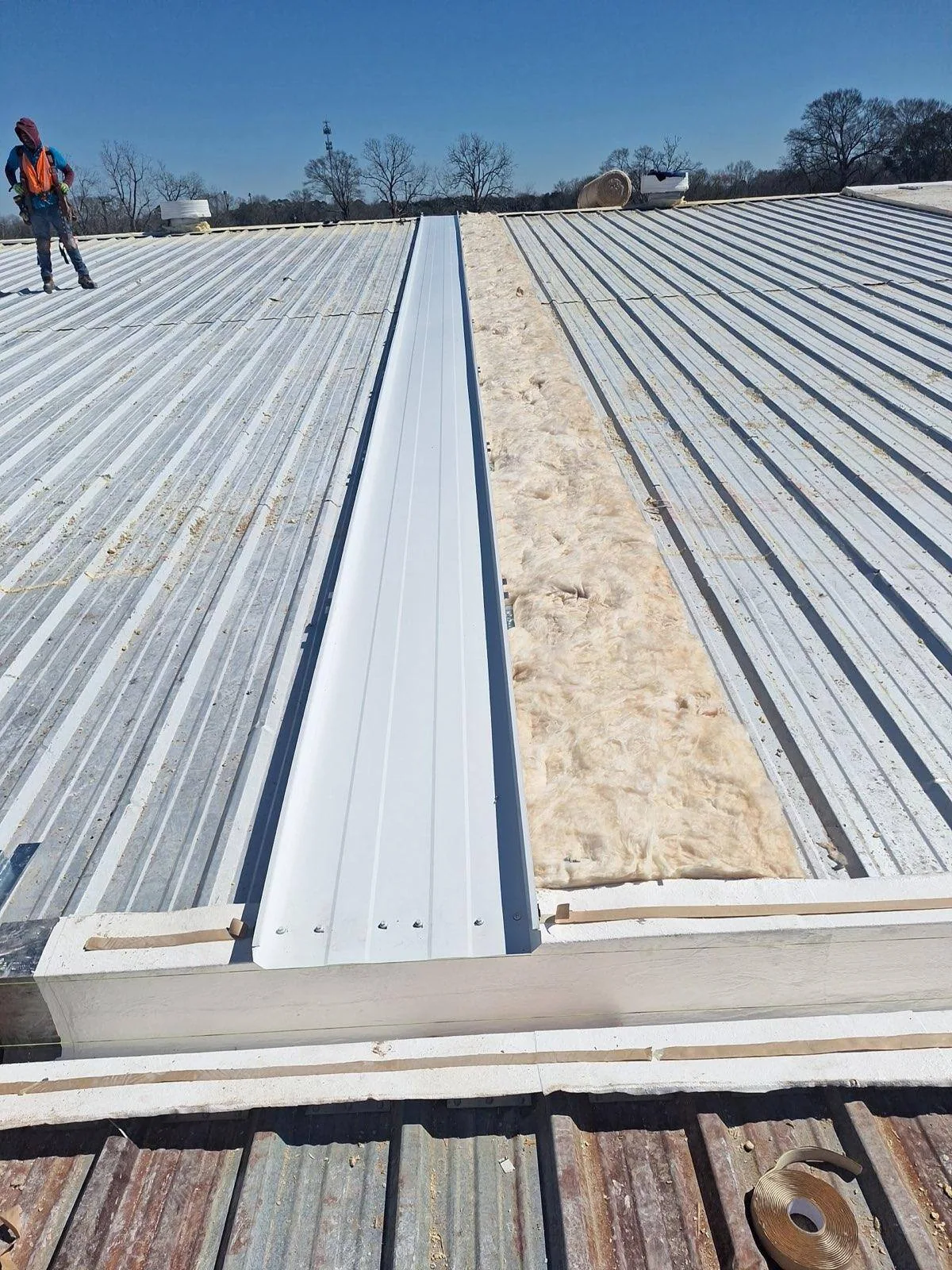
EPDM itself is durable. What fails is almost always an edge. The field sheet is a continuous rubber skin, but seams, boots and corner flashings are done by hand, and that is where the leaks begin.
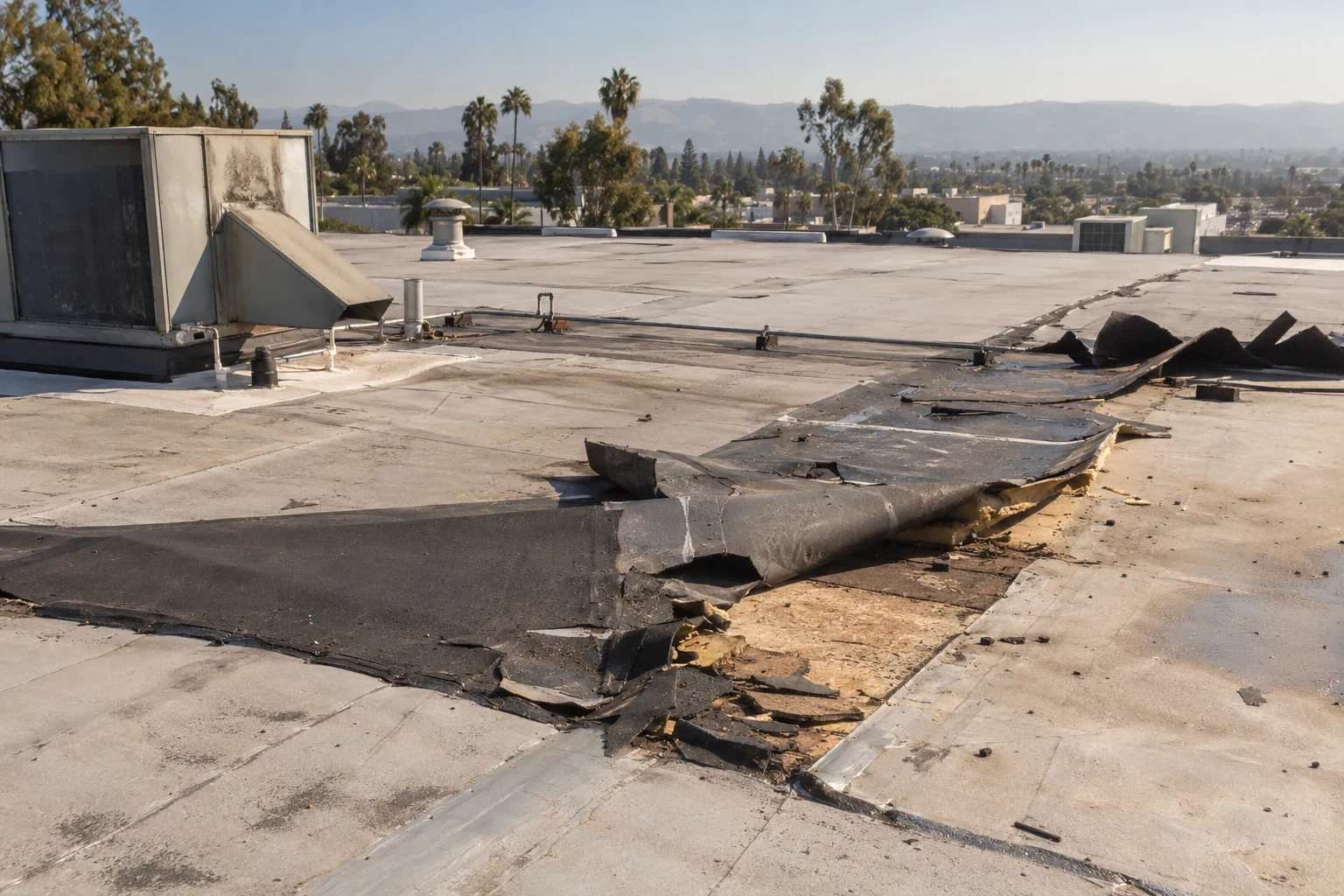
Tape seams can creep and open, particularly on older roofs and on roofs that see dirt and ponding. Adhesive that was spread on a wet or dusty surface looks bonded for a year and then peels. Pipe boots crack in the sun, and unreinforced corner patches shrink and pull away.
The other trouble is shrinkage. Older EPDM contracts as it ages, tugs at walls and curbs, and opens the flashing at the top edge. A roof that looks wavy or pulled away at the walls is on borrowed time.
Recommendation: replace failed seams and flashings with proper sheet and primer, not mastic and hope.
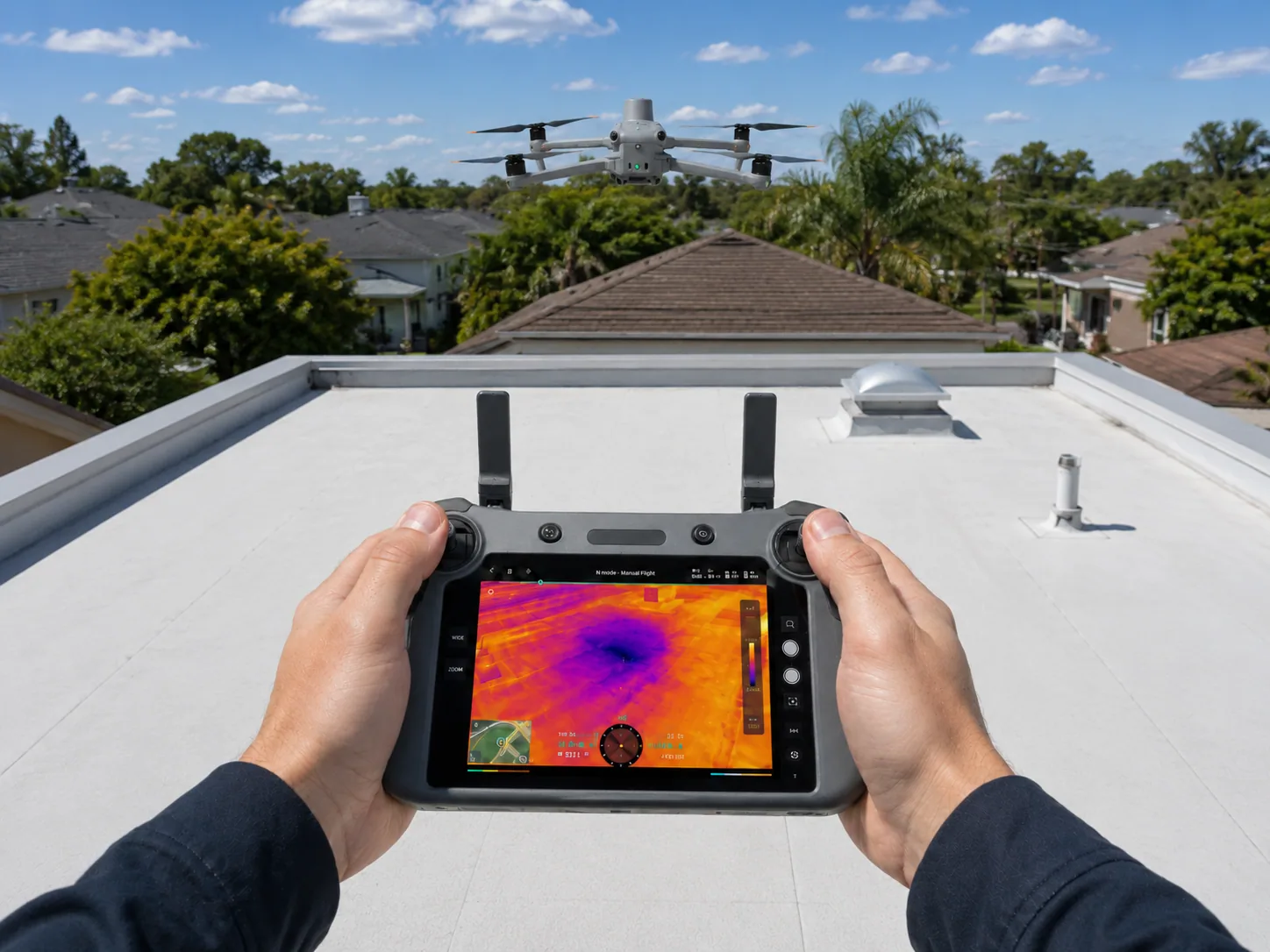
Black reads differently on a hot day
Choose the attachment, then the sheet
Fully adhered EPDM is the usual pick for occupied buildings with light structures, since it needs no ballast and gives a smooth finish. Mechanically fastened versions are quicker and keep adhesive fumes away from occupants. Ballasted EPDM is the cheapest in labor, but the weight limits where it can go, and stone makes leak hunting slower.
Over old roofing, rubber goes down well as a roof recover when the existing insulation is dry. A moisture survey tells us where it is not. If the old roof carries a gravel surface, the stone has to come off and a cover board goes down first.
We install and repair EPDM, and when the field sheet is sound we will repair seams and flashings instead of replacing a roof that still has years left. When it is past that point, we will say so with photographs.
Skip it on grease and hot exhaust
EPDM and cooking oil do not mix. Rubber swells and softens when grease sits on it, and no seam tape will save a roof that sits under a kitchen hood. For restaurants and food production, look at KEE membranes or PVC instead.
It is also not worth choosing for a huge, open roof where cost per square foot and reflectivity decide the budget. A big TPO sheet usually wins there, with fewer seams.
Do not spend on a thicker sheet to make up for poor drainage either. The rubber is rarely what lets the water in.
Look closely at the joint design before comparing roll widths. Adhesive seams, cover strips, field repairs, and perimeter terminations all need compatible preparation and inspection. A dark membrane can hold more solar heat than a reflective surface, so consider insulation, rooftop equipment, and the owner’s maintenance expectations together. At penetrations or irregular walls, sample details help confirm whether the selected flashing method can be installed and later repaired. Price the assembly, not just the square footage of rubber sheet.
Before a repair, identify whether the existing EPDM uses an adhesive seam, cover strip, or a later overlay. Surface appearance alone can hide a patch beneath ballast or a coating. Record the seam condition, perimeter restraint, and nearby drainage before selecting a compatible repair method. That field review prevents a small leak call from becoming a material order that cannot bond to the roof in front of the crew.
Commercial Roofing Questions
Does a black EPDM roof make my building too hot?
It adds heat at the surface, but the effect on the space below depends on the insulation, ventilation and what is happening in the building. A well-insulated roof limits the transfer. If cooling cost is the main concern, a white membrane or a reflective coating over sound rubber is the better choice.
Can EPDM seams really be repaired, or does the whole roof have to go?
Seams can usually be repaired. We clean and prime the area, then bond new tape or a splice patch with the right adhesive. Repairs only hold on a sheet that is still pliable, though. If the rubber is chalked, brittle or shrinking, new seam work buys a short stretch before the next failure.
What is the difference between ballasted and adhered rubber for a downtown masonry building?
Ballasted stone adds weight that old masonry and timber framing may not carry, and it makes leak-finding slow. Adhered rubber stays light and gives a clean finish at parapets. For an older block in a place like Railroad Square, we lean toward adhered unless the structure has been checked for load.
Is rubber roofing still a good value after many Sonoma County winters?
Some roofs get there, but most need work well before that point. Look for brittle patches, open seams and shrunk flashings. If the field is sound and the problems are at the edges, repair keeps the roof alive. If the field has cracked, replacing it is cheaper than patching it for years.
Do you need to remove old gravel before putting EPDM on?
On a built-up roof with a stone surface, yes, in most cases, or a heavy cover board must go over it. Loose stone under a rubber sheet creates punctures. We inspect the surface and tell you which prep step the roof needs.
Get a plain answer on your rubber roof
Call Commercial Roofing Santa Rosa. We will look at the sheet, the seams and the flashings, then tell you whether the roof needs work now, later, or not at all.