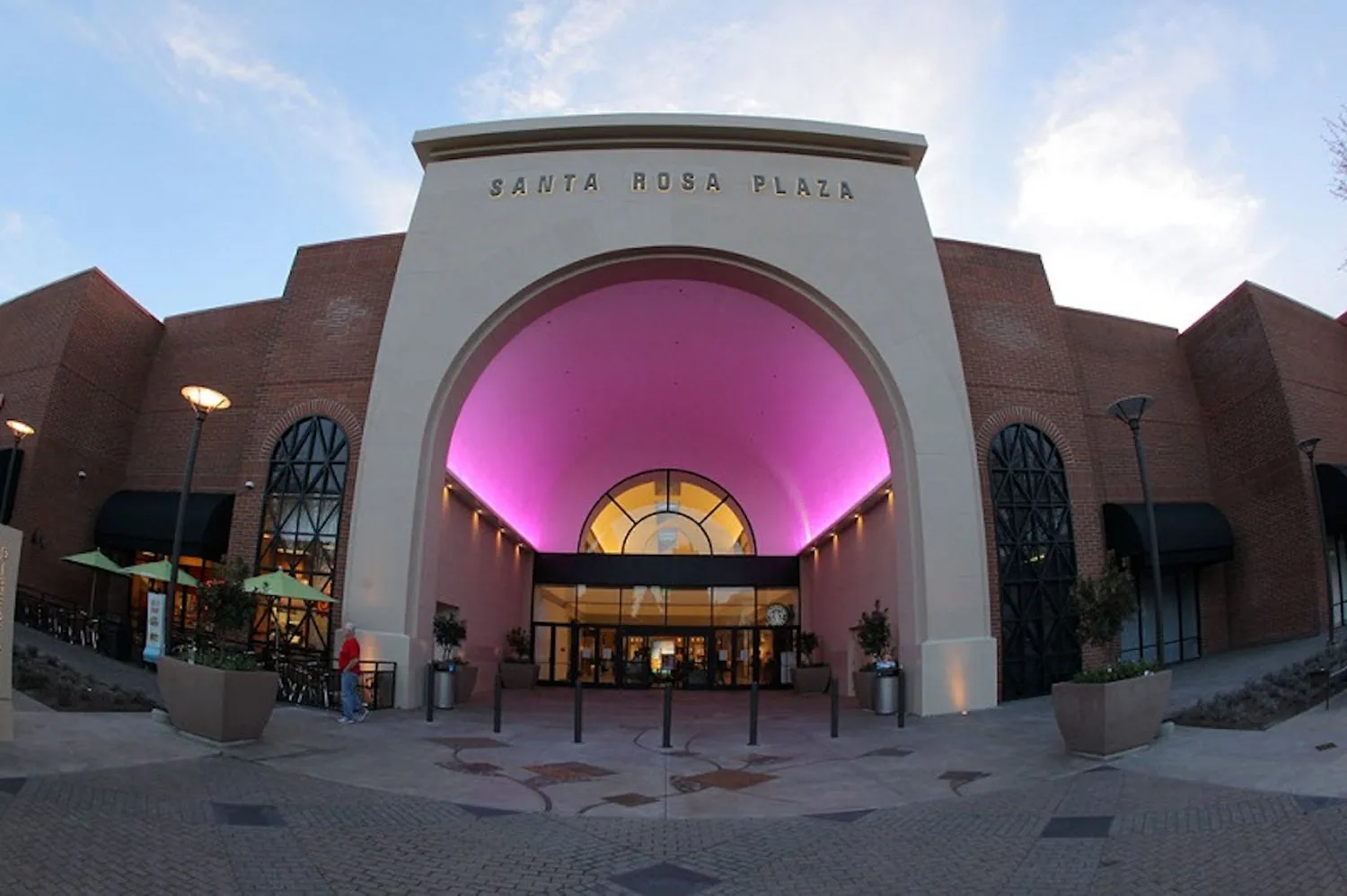
KEE Roofing Systems in Santa Rosa, CA
Roof Systems
Most owners have never heard of KEE, and the ones who need it usually find out after a roof has already gone soft. KEE stands for ketone ethylene ester, a polymer blended into a PVC sheet so it does not lose its flexibility to sun, heat and chemicals the way ordinary PVC slowly does.
That blend is the whole reason this membrane exists. A roof that sits under kitchen exhaust, a food plant, a rendering line or a tank farm gets a daily dose of fats, oils and solvents, and those attack many single-ply sheets from the surface inward. In Santa Rosa, CA, with its food producers, restaurants and winery buildings, there is a real list of rooftops where that matters. Here is where KEE is worth the price and where it is not.
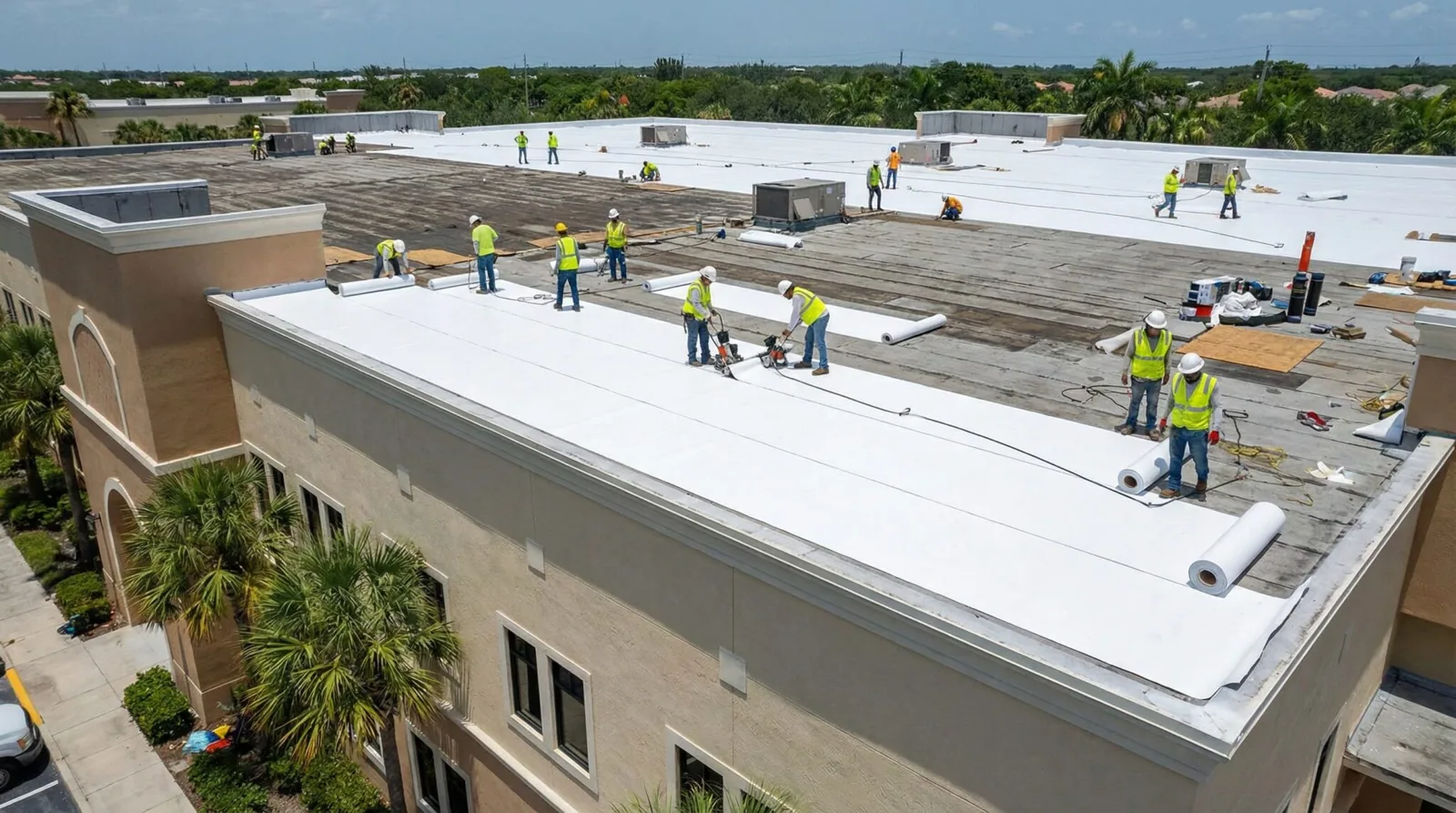
Serving Santa Rosa • Rohnert Park • Petaluma • Windsor • Healdsburg • Sebastopol • Napa
Plasticizer migrates out of lesser sheet
A standard PVC membrane gets its flexibility from plasticizers, and plasticizers can migrate out when the sheet is hot, wet with grease or soaked in a chemical. As they leave, the sheet stiffens, shrinks and cracks along the seams and at flashings. The roof looks fine at first. A few seasons later it is brittle and pulling at the corners.
KEE-modified sheets hold the flexible component inside the compound, so the membrane stays supple under attack. Grease, animal fats, vegetable oils and many process chemicals sit on the surface without breaking it down quickly.
That does not make it indestructible. Rooftop traffic, sharp debris and bad welds still cause leaks. What KEE changes is the odds on a hard-working roof, not the need to maintain it. Compatibility is the other trap: KEE laid straight over old asphalt or the wrong insulation can be attacked from below, so a separation layer or cover board goes between. Verdict: it is a specialist sheet for specific problems.
Food producers are the real market
Sonoma County is a food and drink economy. The county has more than 350 wineries, Amy's Kitchen runs a production facility in Santa Rosa, and Petaluma counts poultry processing, a brewery and a dairy among its top employers. Sebastopol is home to Redwood Hill Creamery and Traditional Medicinals. Food and drink production buildings often vent fats, steam and washdown water, and roofs under that exhaust are the ones that wear out a standard membrane early.
The same rule holds on a smaller scale for restaurant pads and mall food courts. On a restaurant roof the rule is simple: if the hood exhausts straight onto the membrane, start with a sheet built to take it.
The only way to know is to walk the roof and trace each vent. We recommend KEE only where the exhaust and the wear pattern justify it, and say so plainly where they do not.
Detail the exhaust, not just the sheet
Winter water and summer heat both apply
The membrane has to survive the weather as well as the chemistry. Santa Rosa gets about 32 inches of rain, almost all of it from November to March, and the November 2024 atmospheric river dropped nearly 15 inches in three days. Welded KEE seams shed that water well, but only if scuppers and drains keep up. A roof under a grease vent also holds oily dirt that clogs outlets sooner than a clean roof.
Healdsburg touched 117 degrees on September 6, 2022, the same day Santa Rosa reached 115. Heat softens grease, drives it into seams and speeds up chemical attack on the surface, so the hottest weeks are when an exhaust zone does most of its damage.
We schedule drain clearing before the wet season and a wipe-down after the hottest stretch, and we look at the exhaust zone first at every visit.
Smoke seasons add another film. The 2019 Kincade Fire forced nearly 190,000 people to evacuate, and smoke from fires like it and the October 2017 fires leaves soot and ash on a roof on top of whatever its own exhaust left behind. A rinse that clears both keeps drains open and lets us see the seams.
Do not buy it for a dry roof
If nothing vents onto the roof, KEE is paying for chemistry you will never use. A quiet office building roof or a plain warehouse does well with TPO or PVC, and the savings can go to drainage and edge metal.
It is also the wrong use of money when the real problem is a failed deck, wet insulation or ponding. A premium sheet laid over a bad base fails exactly like a cheap one.
We would rather tell you KEE is not worth it than install it where you do not need it.
Confirm the exact product designation and accessory set in the submittal. A KEE label does not replace review of substrate, attachment, seam procedure, flashing, chemical exposure, and warranty conditions. For a roof near cooking exhaust or process equipment, map discharge points and expected maintenance access before selecting the field sheet. Keep test results and installation records with the building file. If the exposure does not justify the added specification, compare another compatible membrane against the same documented roof conditions.
Commercial Roofing Questions
How do I know if my roof needs KEE instead of regular PVC?
Look at what lands on the roof. Kitchen hoods, food processing exhaust, animal fat, oil mist and solvent vents all point toward KEE. If the roof only sees weather and the occasional service visit, standard PVC or TPO is enough. We trace each exhaust source on the walk and sort it from there.
Can a KEE patch fix the area under one grease fan?
Often, yes. If the rest of the roof is sound and dry, a heat-welded KEE patch over the worn zone buys real time. Check the insulation beneath first, because grease and water travel together. A wet spot under the fan can make the patch pointless.
Is a KEE membrane harder to repair than other single-ply roofs?
Repairs follow the same welding process as PVC, with compatible sheet and clean surfaces. The difference is the prep. Grease contamination must be removed completely, or the weld will look closed and fail later. We degrease, weld and probe every patch.
What does a winery or dairy owner need to watch for on a membrane roof?
Production buildings carry washdown water, steam and process residue, so the roof edge and the drains matter as much as the sheet. A winery building in Kenwood and a dairy in Petaluma will have different exhaust patterns, so we map the vents before choosing anything.
Will a KEE roof last longer than a cheaper roof in my building?
Under the right conditions, yes, because the sheet resists the exposure that breaks down other membranes. Under the wrong conditions, you pay for chemistry you do not use. We tell you which case applies before we quote.

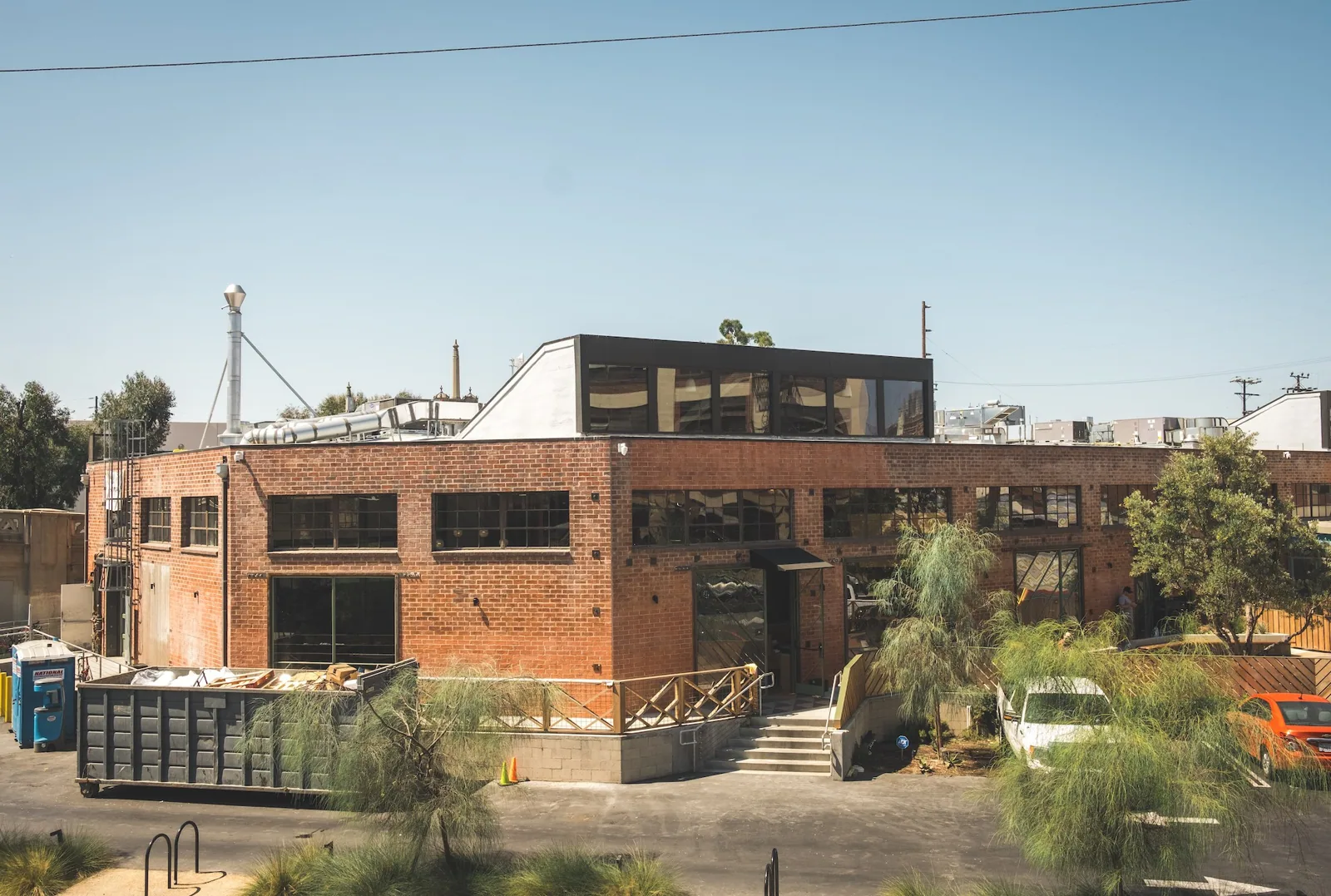

Find out what your exhaust is doing to the roof
Call Commercial Roofing Santa Rosa. We will trace what vents onto your membrane and tell you plainly whether KEE is worth it, a standard sheet will do, or the roof only needs a repair.