Roof Coating and Restoration in Santa Rosa, CA
Commercial Roofing Services
Coating a failing roof is the quickest way to waste a budget. Coating a sound one is among the best ways to keep it. The whole job comes down to telling those two roofs apart before anyone opens a bucket.
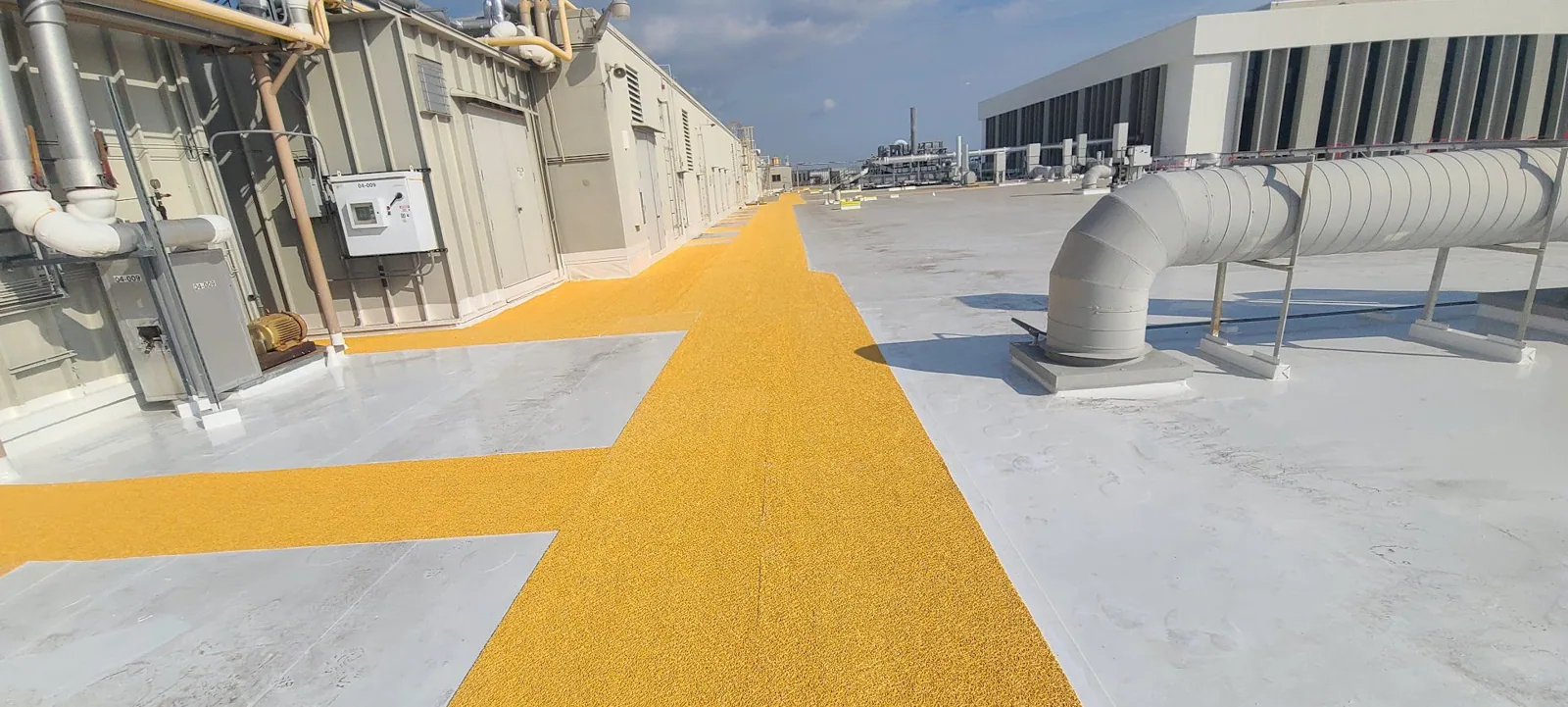
A restoration coating is a liquid-applied membrane that goes over an existing roof after the seams, flashings and bad spots have been repaired. Done on the right roof in Santa Rosa, CA, it adds a fresh waterproof skin, reflects summer sun and pushes a replacement years down the road without a tear-off. Done on a roof with wet insulation or a rotted deck, it hides a problem that keeps growing underneath. We test first. Only then do we tell you whether a coating is worth it or not worth it.
Serving Santa Rosa • Rohnert Park • Petaluma • Windsor • Healdsburg • Sebastopol • Napa
Moisture is the first test
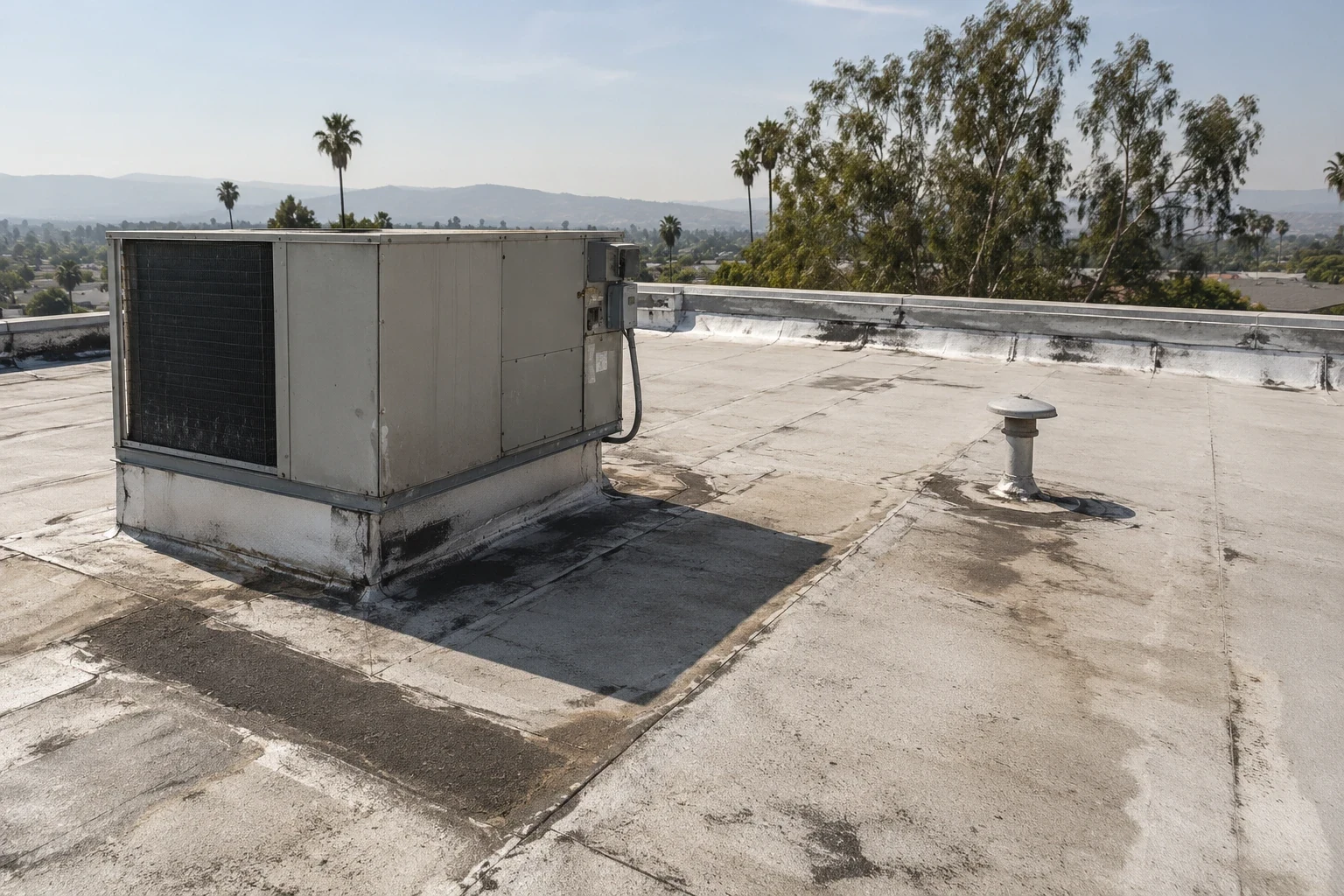
The membrane can look tired and still be a perfect coating candidate. What matters is what sits below it. Wet insulation does not dry out under a coating. It stays wet, it holds the leak, and it can lift the new skin from underneath.
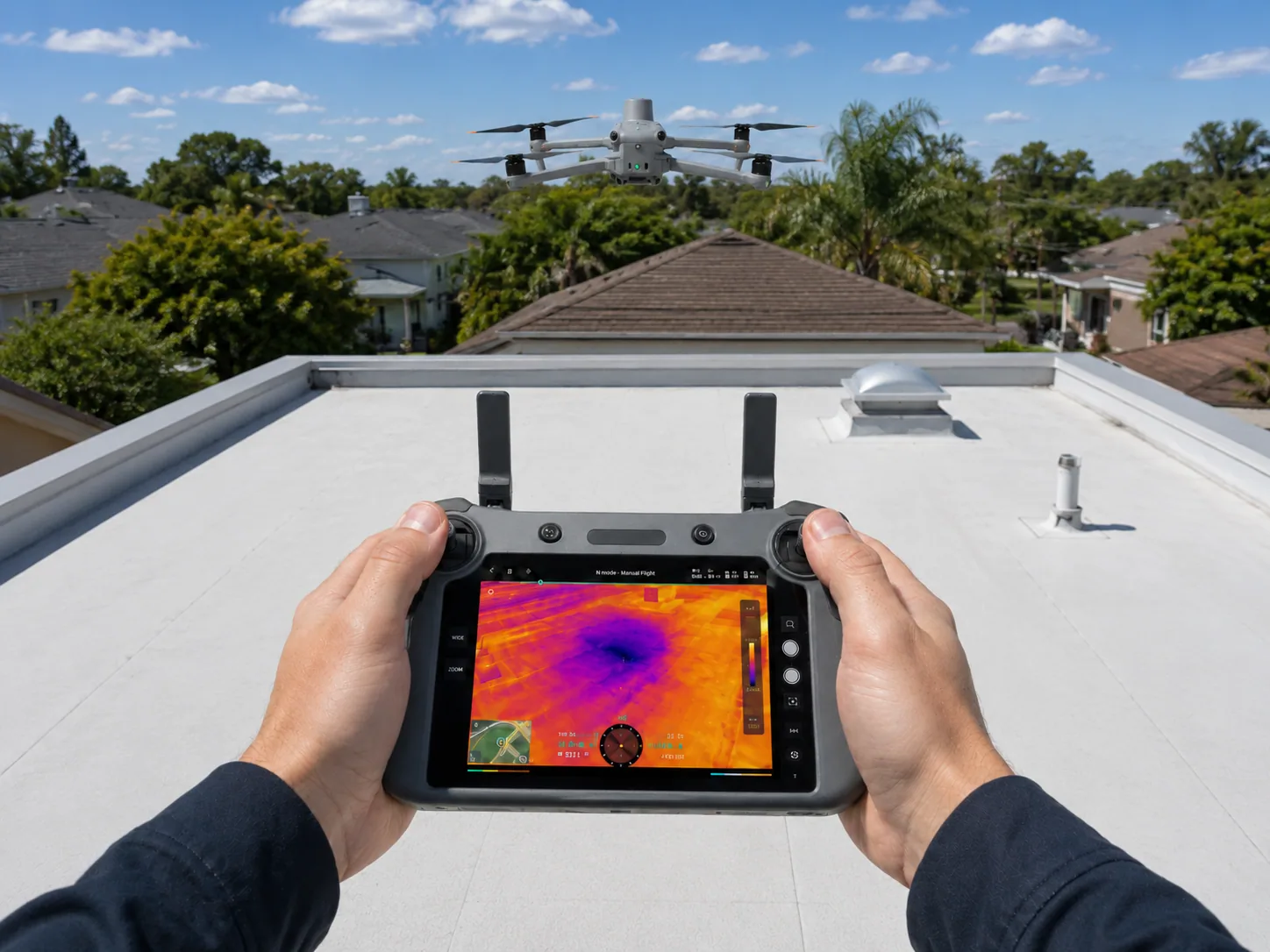
So we start with an infrared moisture survey, then cut a few cores to confirm what the scan suggests. Cores show the real layers, how wet they are and how well the old surface will accept a bond. A roof that passes keeps going toward restoration. A roof with widespread wet insulation does not, and we say so plainly, because the right answer is a recover or a replacement, not a thicker coat of paint.
Big, plain roofs gain the most
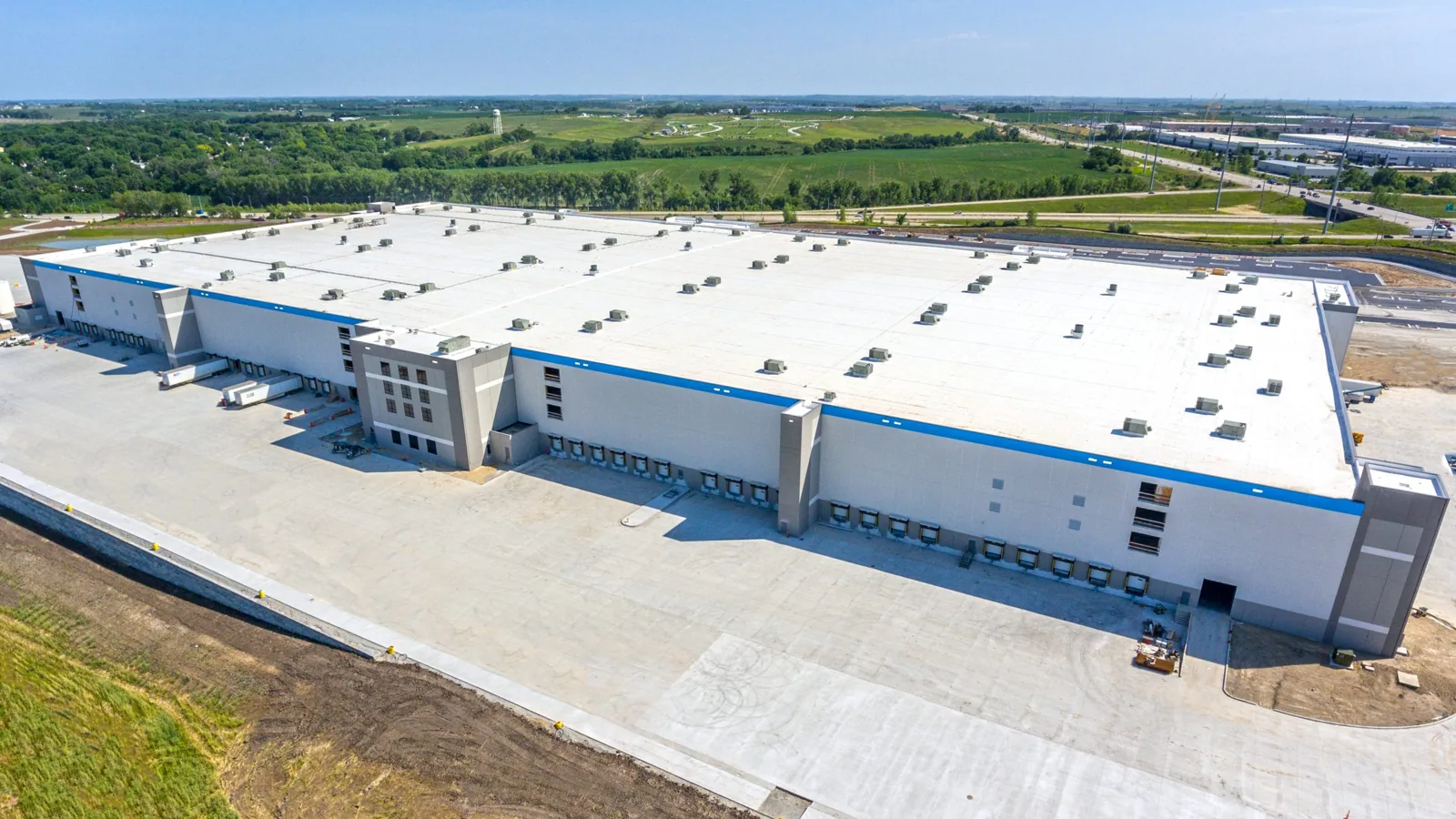
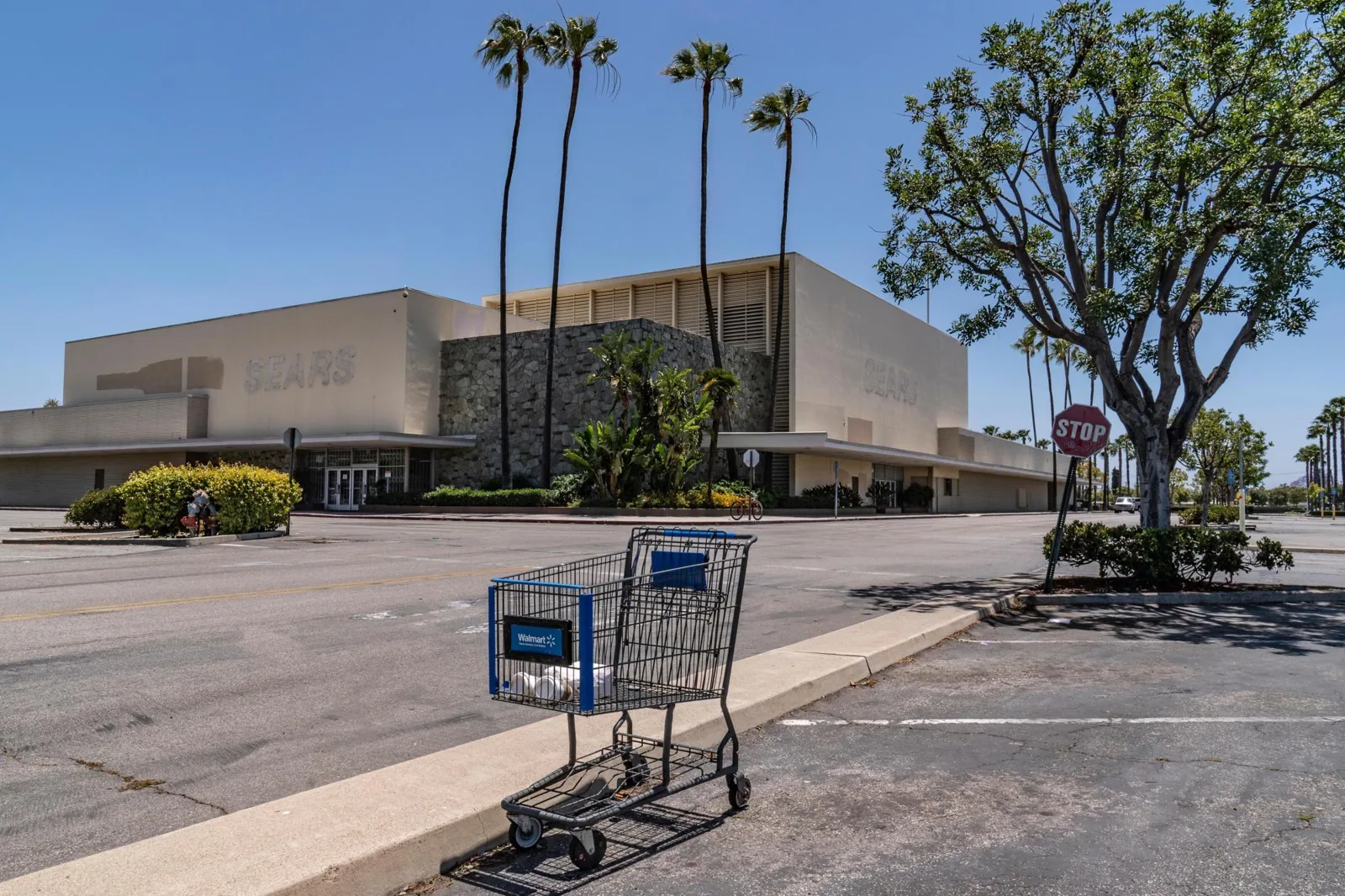
Coatings pay off on large, simple surfaces with few penetrations: tilt-up boxes, flex buildings and big-box retail. Picture a big-box retail roof near North Station Area, or a flex building off Highway 101 at the Airport Business Center. If the roof over one of them is plain and dry, a coating can go down in long uninterrupted runs and cost far less than tear-off and disposal.
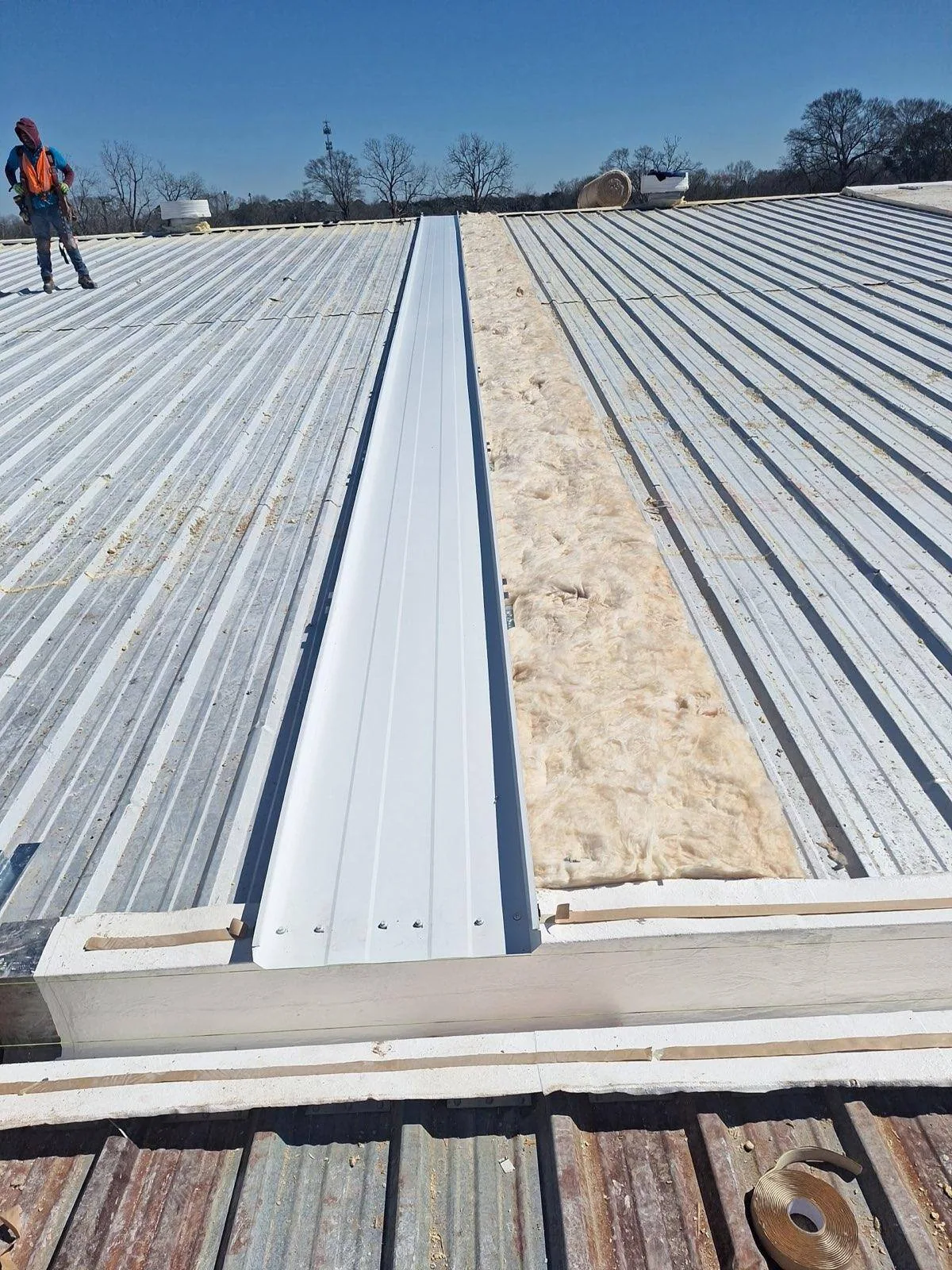
Complicated roofs are a harder sell. A roof crowded with curbs, vents and small pitched sections costs more labor per square foot to prep and detail, and the savings shrink. The same goes for metal roofs with backed-out fasteners and rust at the laps. Our recommendation is simple: coat the plain, dry, sound roofs, and put the money from a complicated roof toward replacement.
Silicone or acrylic
Heat, fog and rain run the schedule
Coatings need dry surfaces and patient weather. Santa Rosa's rain falls mostly from November through March, so most coating work belongs in the dry months. Evening and morning fog can leave moisture on a roof long after the sky clears, which pushes crews to start later in the day and quit earlier.
Heat helps curing but works against workers and materials. When the surface runs hot, as it did when the city hit its record of 115 degrees in September 2022, we adjust the schedule and the application so the coating goes down at the right thickness without blistering. That same heat is a good reason to coat in the first place: a reflective surface reduces thermal stress on an old membrane. Ash left by wildfire seasons has to be washed off before anything bonds. Schedule the work for late spring or early fall and do not wait for the wet season to force a rushed patch.
When a coating is not worth it
Skip the coating when the deck is soft, when the insulation is soaked across a wide area, or when the existing membrane is delaminating from its base. Skip it when a roof is a year or two from replacement anyway. Skip it on a roof where the seams are open and the flashing is gone, unless you are also paying to fix those first.
Where the answer is no, a heat and UV repair program may still carry the roof a few more seasons, or a full replacement is simply the right move. We would rather lose a coating job than coat a roof that will leak again by spring. The report we write lays out each option next to the roof's actual condition so you can decide with the numbers in front of you.
Before estimating a coating, map repairs and test the existing surface for adhesion. Clean a representative area, complete the specified preparation, and confirm the product can bond to the actual membrane or coating already in place. Mark wet or unstable insulation for separate evaluation because a liquid surface cannot correct a failed layer below it. The written scope should include preparation, reinforcement at transitions, application conditions, and the areas excluded. That makes a coating proposal a measurable restoration plan instead of a color-and-thickness promise.
Commercial Roofing Questions
How do I know if my roof is a coating candidate or a replacement?
Look at what is under the membrane before judging the surface. A dry, intact deck and insulation with a membrane that is merely weathered points toward coating. Wet insulation across large areas, a soft deck or a membrane peeling away from its base points toward replacement. A moisture scan plus a few cores gives a firm answer in a day or two.
Can a coating be applied over ponding water areas?
Silicone can, because it tolerates standing water far better than acrylic. Still, ponding means the roof is holding weight and moisture, so we try to improve drainage first with new drains, crickets or slope correction. If the ponding is mild and the deck is sound, a silicone system is a reasonable answer.
Does the building stay open while the roof is coated?
Usually yes, because a coating does not involve tear-off, hot kettles or open decks. Odor and access are the main concerns, so we schedule intake vents, loading hours and tenant quiet times before the first day. Tell us about air handlers near the work area and we will plan around them.
Will the new coating change my energy code obligations in California?
Possibly. California's 2025 Building Standards Code, including the energy provisions, applies to permit applications submitted on or after January 1, 2026, and it can affect reflectivity and insulation on certain reroofing work. We check the scope with the city building department before pricing, so you know before the permit goes in.
How long before a coated roof needs attention again?
Plan on inspections twice a year and a cleaning cycle that matches how dirty your site is. Coatings wear from the top, and recoating at the right time costs much less than letting the base coat wear through. We record the film thickness at install so a later visit can measure real wear rather than guess.
Find out if your roof is worth coating
Call Commercial Roofing Santa Rosa. We will test the roof, tell you whether a coating makes sense, and say plainly if the money belongs somewhere else.