Infrared Roof Moisture Surveys in Santa Rosa, CA
Commercial Roofing Services
You cannot see wet insulation, and that is exactly why it ruins budgets. A membrane can look clean and flat while the insulation under it holds water from a leak that started two winters ago. Owners find out when a replacement quote comes in far above what they expected, or when a patch fails for the third time.
An infrared and core-cut moisture survey in Santa Rosa, CA gives you a map of what is wet and what is dry. It turns an argument about the roof into a drawing, and the drawing tells you where the money should go.
Serving Santa Rosa • Rohnert Park • Petaluma • Windsor • Healdsburg • Sebastopol • Napa
How the scan works
Wet insulation holds heat differently from dry insulation. During the day the sun warms the whole roof. After sunset, dry areas cool quickly while wet areas hold their heat longer. An infrared camera sees that temperature difference and shows it as a pattern, with the wet zones standing out against the cooler dry field.
We scan the roof from above, on foot or from a drone depending on the size and access, mark the suspect areas and record them on a roof plan. The scan is not a verdict by itself, because other things can warm a roof, such as a patch of different material, a buried drain line or surface staining. That is why we never stop at the picture.
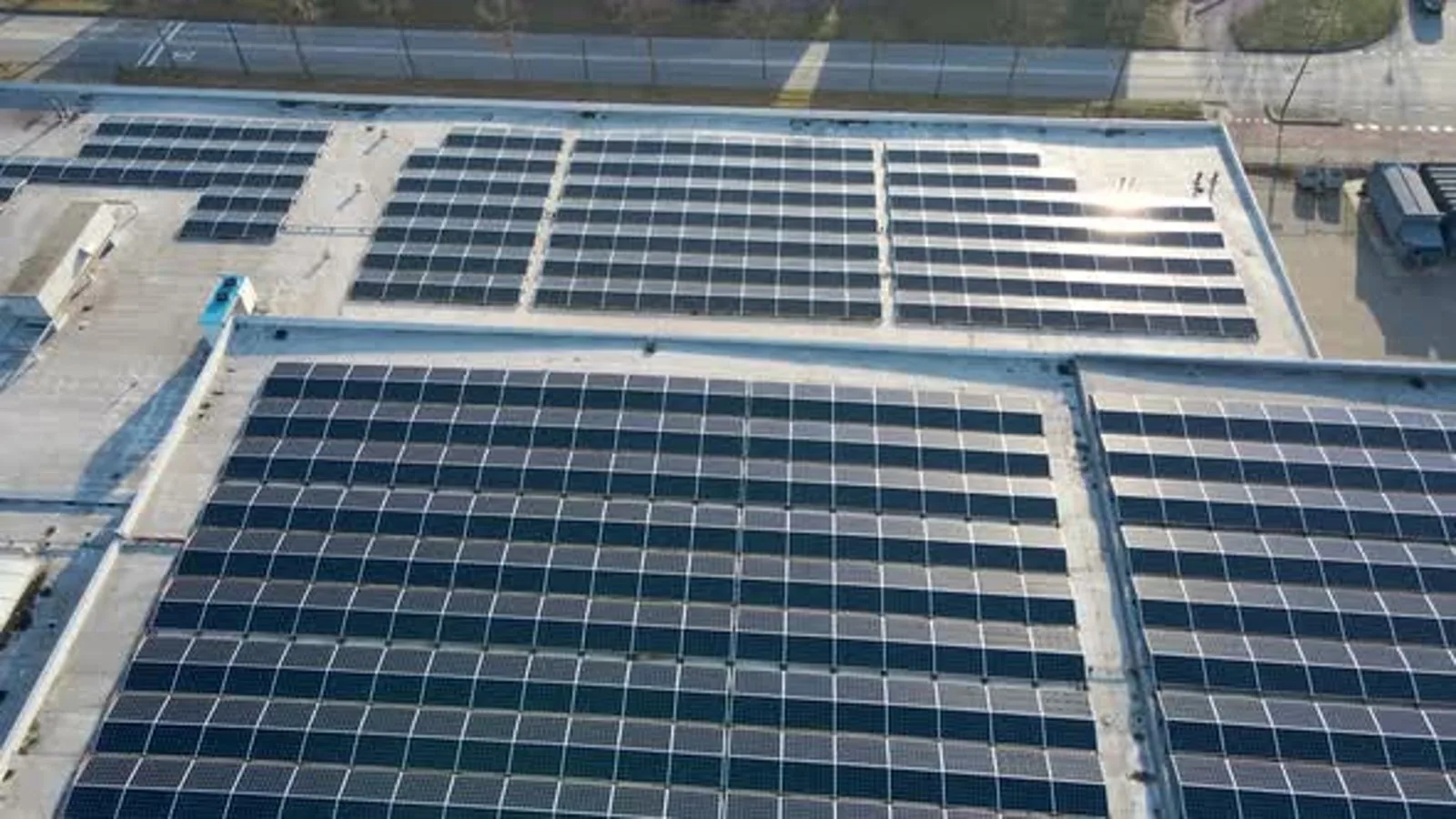
For a large retail or flex roof, the aerial pass often comes first, flown as a drone roof inspection that the survey builds on. Verdict: scan to find the suspects, then sample to confirm.
Fog sets the schedule
Timing matters. The scan needs a dry roof, a day with good sun, and a clear evening with light wind. Rain, heavy overcast or fog during the cooling window can wash out the contrast and make the result unreadable.
Santa Rosa is warm and dry in summer, but Pacific fog and low overcast often move in during the evening and early morning. The roof also needs to have been dry for a stretch before the scan, since water on the surface can mislead. About 32 inches of rain a year falls on roughly 74 days, mostly from November to March, so the best survey windows tend to be late spring through fall.
If you want a survey ahead of the wet season, book it early. A scan in September or early October gives you the findings in time to plan repairs before the first big storm. We build weather days into the schedule and do not force a scan in bad conditions.
Core cuts settle the question
What the map tells you
The map decides the next move. There are usually three outcomes.
- Wet areas are small and isolated. Cut out and replace the wet insulation, repair the membrane, and keep the rest of the roof, which is ordinary leak repair with a map behind it.
- The roof is mostly dry. It may qualify for a roof recover rather than a tear-off, which saves disruption and disposal.
- Wet insulation is widespread. Covering it would trap the water, so the right answer is a full tear-off.
Any of those can be right. What is wrong is choosing blind. A survey costs far less than a replacement on the wrong roof or a recover over a wet one. It also protects you from patching a roof that has already failed underneath, a pattern that drains a maintenance budget year after year.
Where it works and where it does not
Infrared moisture scanning suits low-slope roofs with a membrane over insulation, wherever a commercial district such as Roseland, along Sebastopol Road, has a roof of that type. It works well on warehouse roofing and many medical office roofs where a leak could do real damage.
It is less useful on ballasted roofs, where gravel hides the surface, and on bare metal roofs, where the physics are different. On a roof that is obviously worn out, with a collapsed membrane or visible failure across the field, a survey is not worth it. Skip the scan and move to replacement planning.
If you are budgeting several years ahead, the findings feed a roof capital plan. If you are buying a building, they feed a due diligence roof survey that can change the price. Pair either with a hands-on roof inspection for the full picture.
A thermal map narrows the search; it does not measure the amount of water inside a roof. Temperature differences can come from construction, shade, equipment, or retained heat as well as moisture. Mark the survey time and conditions, then select representative locations for core cuts or another agreed verification method. Compare each opening with the thermal boundary and document whether the insulation is wet, dry, or mixed. The owner can then price a defined repair area instead of treating every color change as a removal quantity.
Commercial Roofing Questions
Will the survey damage my roof?
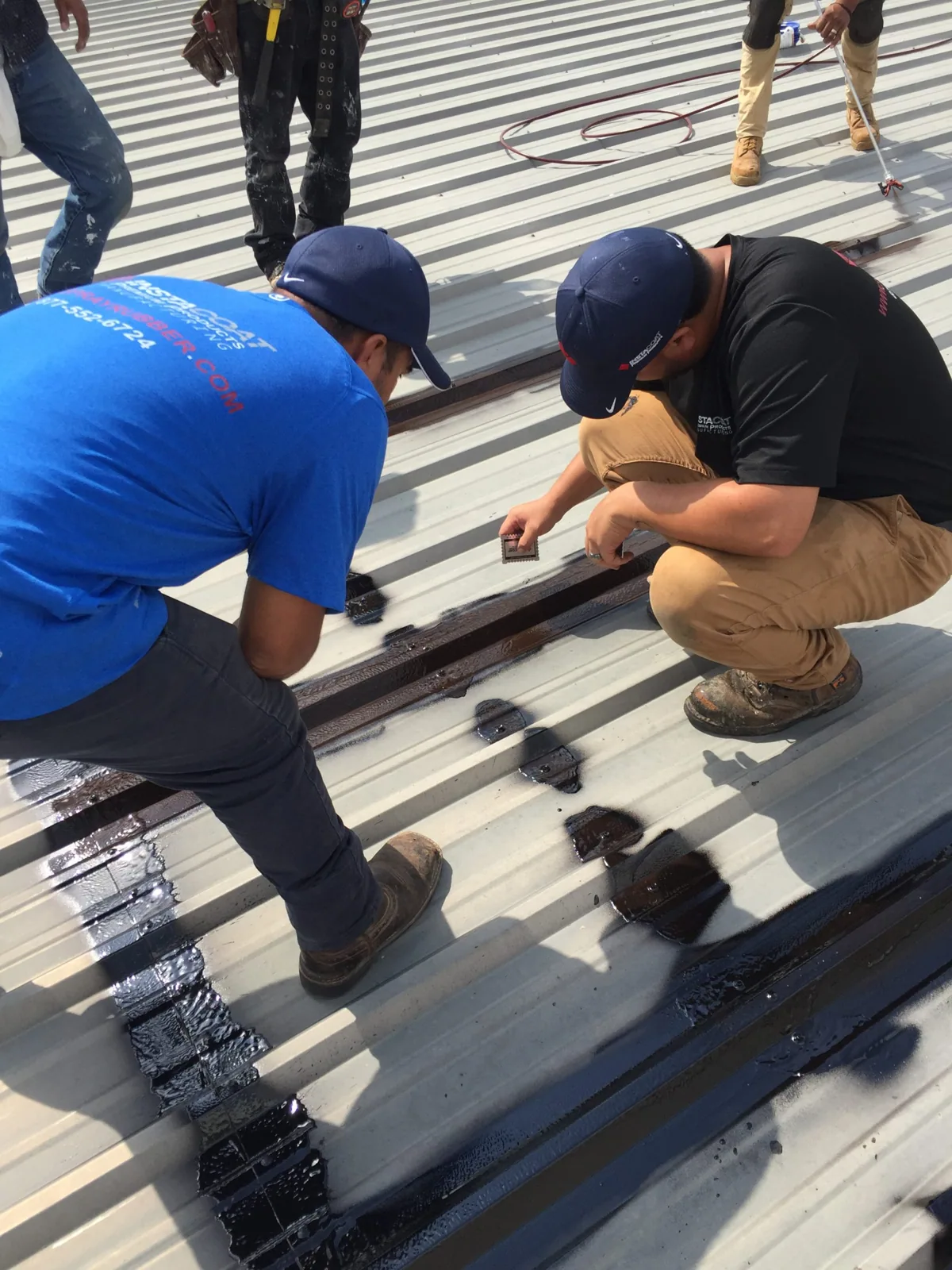
Not when it is done properly. The infrared scan does not touch the roof, and each core sample is small and sealed with compatible materials before we leave. A cut that is patched correctly should not become a leak path. We plan the sample locations carefully so we learn the most with the fewest cores.
How long does a moisture survey take?
The scan usually happens in the evening window after a sunny, dry day, and the cores can be taken the same day or the next. Writing up the map and findings follows after that. Weather can push it back, so we schedule with some flexibility and keep you informed.
Can you find where a leak is coming in with this?
It shows where moisture has collected, which often sits near the entry point but not always. Water moves under the membrane. For tracing the actual opening we combine the map with a roof walk and, when needed, water testing. The survey tells you how far the damage has spread.
Is infrared scanning worth it on a newer roof?
Sometimes. A newer roof with a known leak, a warranty claim or an unusual stain can benefit from a scan, because early moisture is much cheaper to fix. A new roof with no issues and no history usually does not need one yet.
What do I do with the results?
You use them to decide between repair, recover and replacement, and to set a budget. The report lays out the wet areas, the core findings and our recommendation. If the roof is in better shape than you feared, the survey proves that too.
Find out what is under the membrane
Call Commercial Roofing Santa Rosa. We will scan the roof, take the cores and tell you plainly whether the roof can be saved.