Drone Roof Inspections in Santa Rosa, CA
Commercial Roofing Services
A drone will not replace a roofer, but it can save a roofer a lot of climbing. On a big flat roof it shows in minutes what would take hours to see on foot: where water is standing, where debris has piled up, which units have been moved and what the edges look like from above.
For commercial properties in Santa Rosa, CA, we use drone imaging where it earns its place, which means large footprints, awkward access and roofs that are unsafe to walk after a storm. We do not use it as an excuse to skip the roof walk. The right answer is that the best inspection uses both.
Serving Santa Rosa • Rohnert Park • Petaluma • Windsor • Healdsburg • Sebastopol • Napa
Big roofs are where it pays
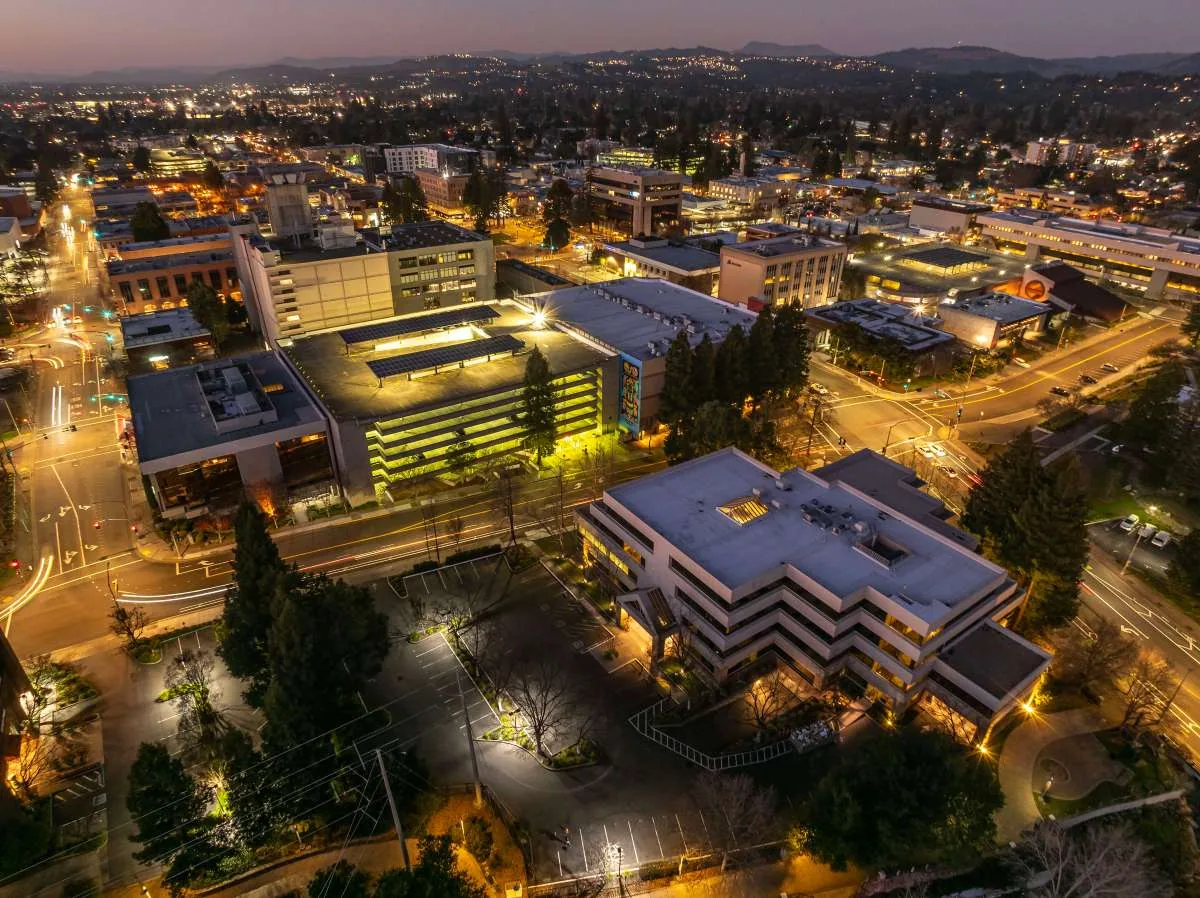
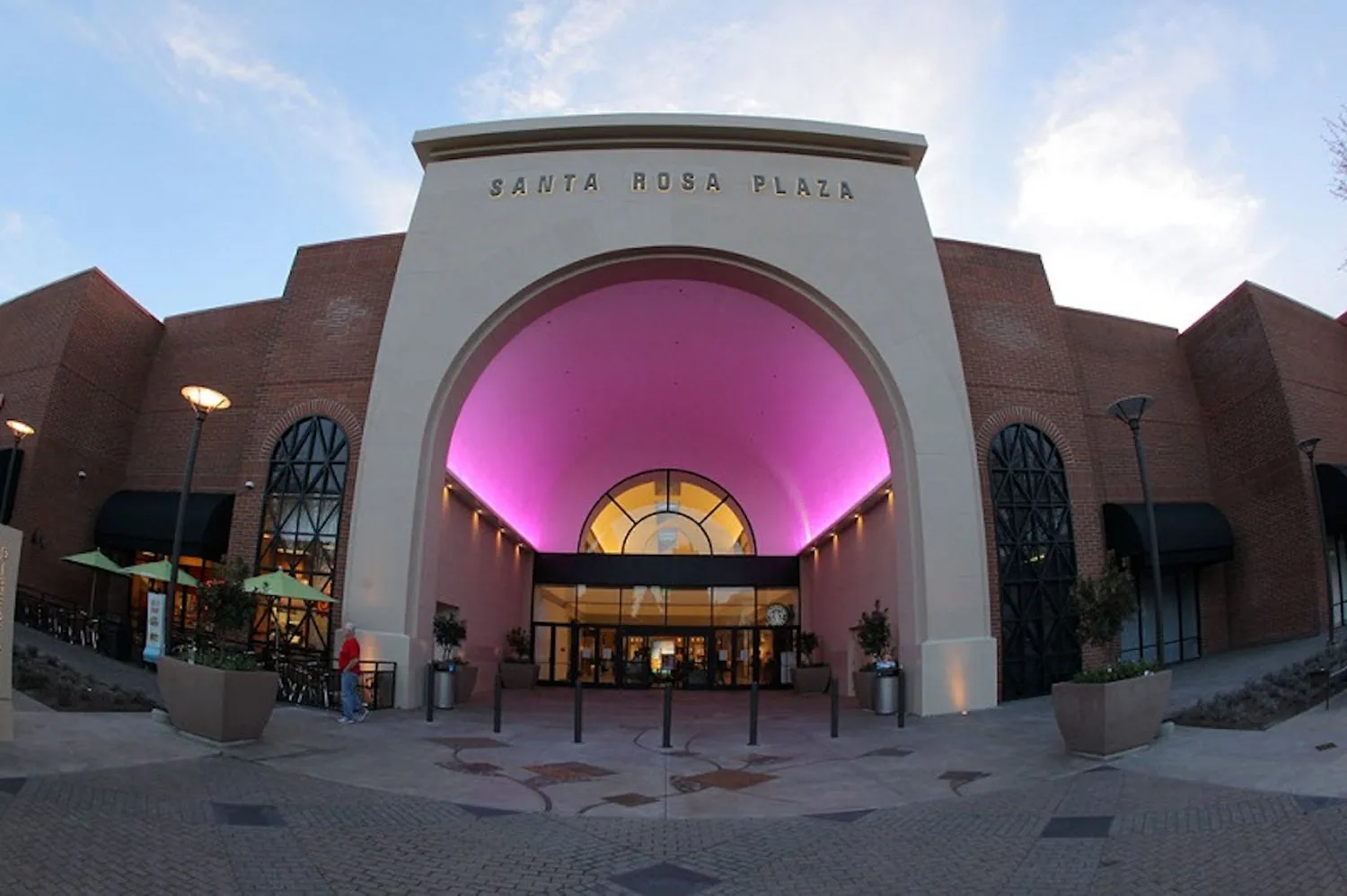
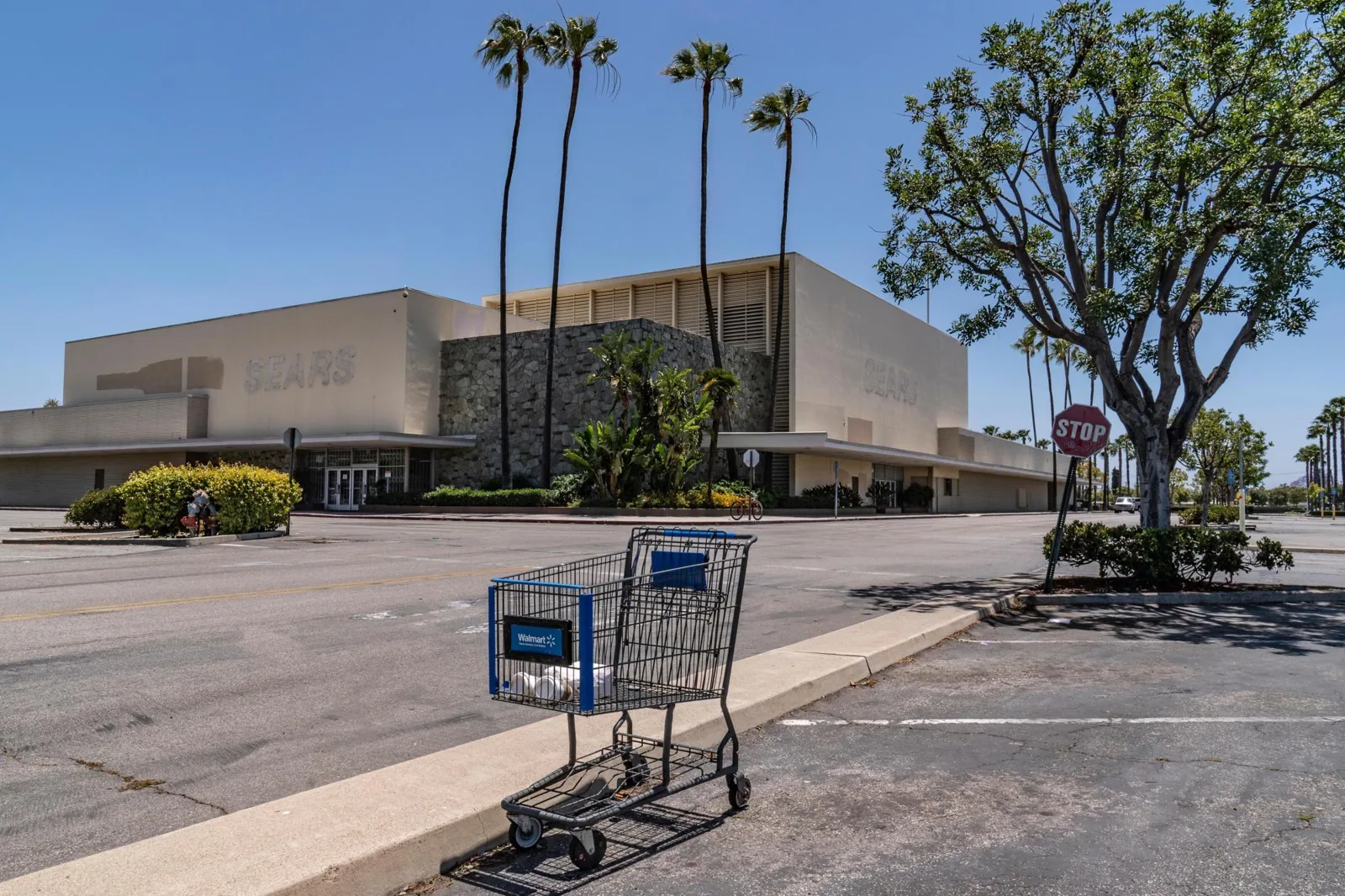
Santa Rosa has some very large buildings. Coddingtown is an 843,000 square foot enclosed center, and Santa Rosa Plaza downtown is a 692,026 square foot mall. The Airport Business Center is the largest business park in the North Bay. Graton Resort and Casino in Rohnert Park has 135,000 square feet of gaming space and a large-footprint hospitality roof. Buildings at that scale are where a drone most often earns its keep, since on a large roof a crew on foot can spend half a day just getting a first look.
A drone covers that same surface quickly and at a consistent height, so photos line up and comparisons from one visit to the next are meaningful. It is also valuable on buildings with high parapets, steep adjacent roofs, fragile skylights or limited roof access.
If you own a big-box retail roof, a large hotel roof or a sprawling campus, the first pass from the air tells us where to spend our time on foot. Verdict: on a large roof, fly first and walk second.
What the images show
High-resolution aerial stills show a lot when they are taken carefully and reviewed by someone who knows roofs.
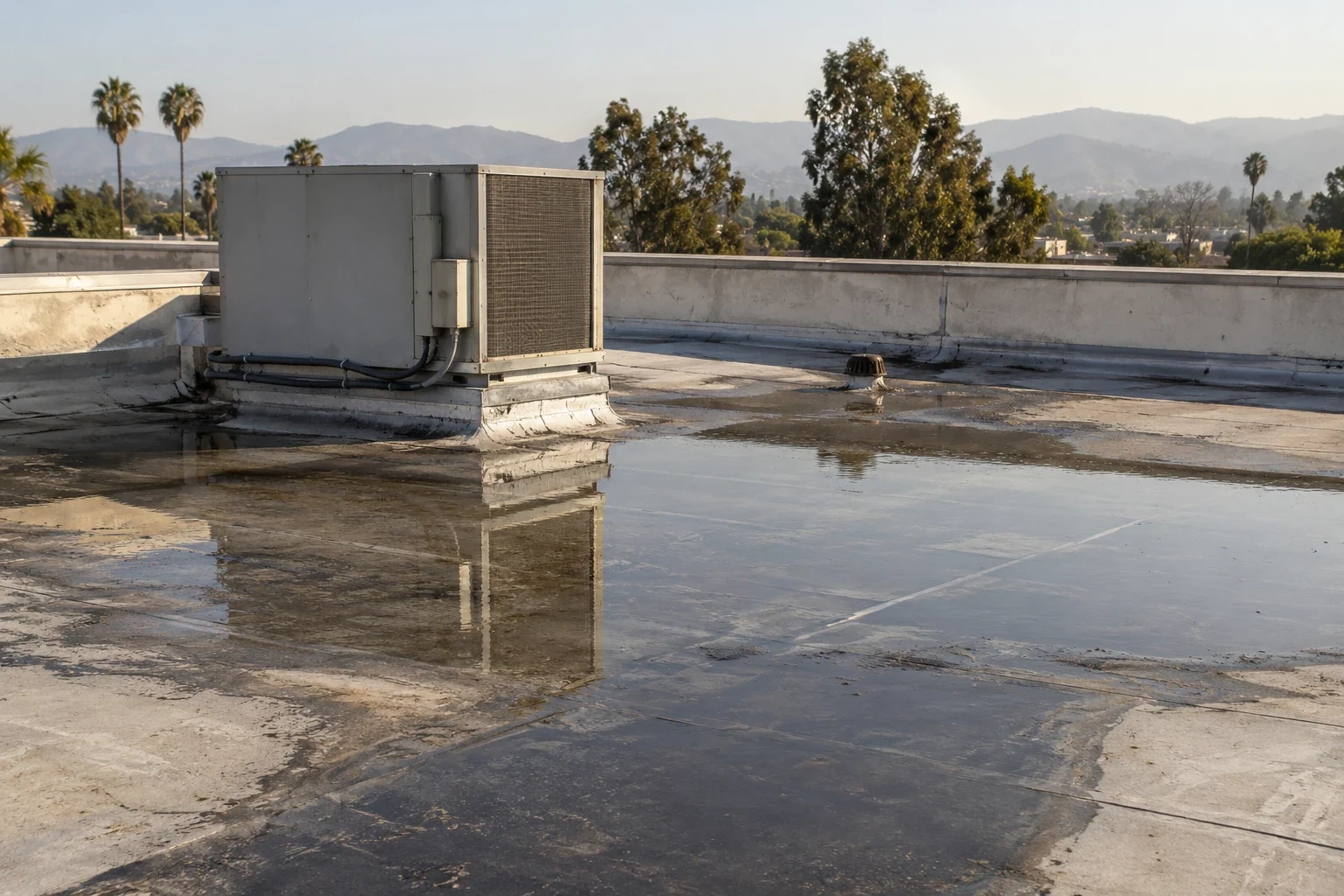
- Ponding water and drainage patterns, especially after rain.
- Clogged drains, debris, ash and vegetation in the wrong places.
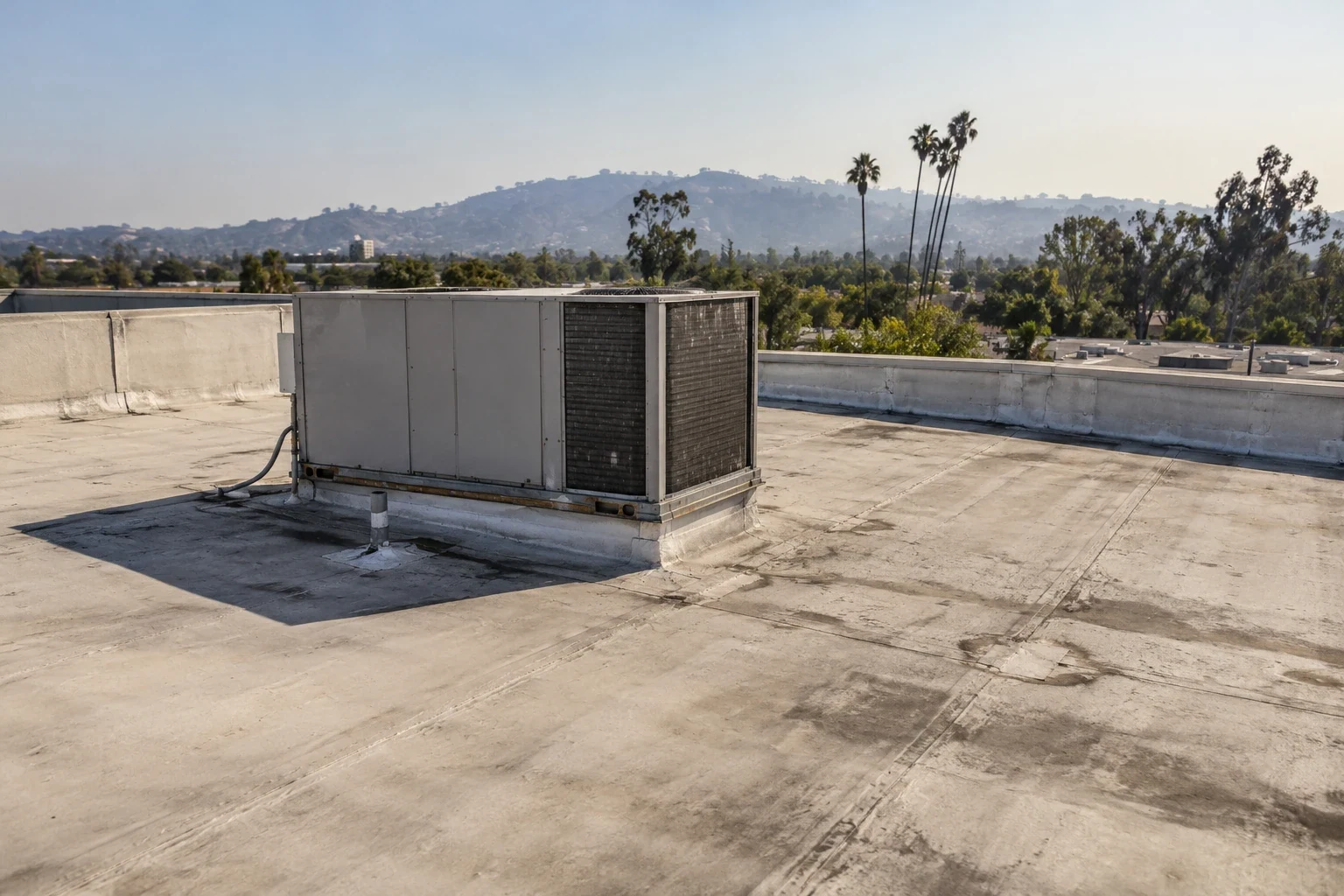
- Membrane color changes, staining and surface wear that mark aging or trouble.
- Open or lifted seams and edges that are visible from above.
- Damaged or missing equipment covers, loose panels and rooftop objects that moved.
- Patterns of foot traffic that point to wear in areas nobody planned for.
Each image is tied to a location on the roof plan, so the finding has an address. When we write up the visit, it can flow into your roof condition report alongside photos taken on the roof itself. For portfolios, the same imagery supports roof asset management, where you track condition across many buildings over time.
What a drone cannot see
After the storm, look from above
Weather is the other reason to fly. Rain here totals about 32 inches a year, mostly in the wet season, and the November 2024 atmospheric river alone delivered close to 15 inches over roughly three days. After an event like that, a wet low-slope roof is slippery, and standing water hides soft spots. A drone can check the roof for ponding, debris and obvious damage without anyone stepping onto it.
The same goes after fire. The 2017 Tubbs Fire crossed Highway 101 into Santa Rosa, and the 2020 Glass Fire left burn scars east of the city that raise runoff and debris concerns in heavy rain. Ash and embers can settle on roofs and in drains. A quick aerial look shows where ash has collected and which drains need clearing before the next storm.
That early look often decides whether a roof needs an emergency visit or can wait for a scheduled one.
Flights need planning
Flying over a commercial property is not as simple as pressing a button. Airspace rules apply, and the Charles M. Schulz-Sonoma County Airport sits about 7 miles northwest of downtown, so some sites may need extra coordination before a flight. We plan around that and do not fly where we should not.
We also plan around the people. Tenants and neighbors get notice, flight paths avoid crowds and busy parking areas, and we work around business hours, weather and wind. Fog and low overcast are common here in the morning and evening, which shortens the useful window for clear images.
Retail owners near North Station Area and hospitality properties in Rohnert Park get the same planning: a written flight plan, a clear scope and an agreed schedule before the drone leaves the case.
Use aerial images to establish coverage, not to claim a condition they cannot show. A clear overview can locate ponding patterns, debris, displaced edge metal, or areas blocked from a safe walking route. It cannot confirm a membrane bond, moisture below the surface, a loose weld, or the depth of a puncture. Label each image by roof zone and pair it with a ground or hands-on check where the decision depends on material condition. The deliverable should distinguish what is visible from what still needs testing.
Commercial Roofing Questions
What can an aerial inspection tell me before a roof walk?
A drone is a strong first look on big or hard-to-reach roofs, but it does not replace a hands-on walk. Moisture, soft decks and bond strength cannot be judged from the air. We pair the two when the roof is large or the stakes are high, and we recommend only the drone when the question is simple.
What will I receive after the flight?
You get a set of labeled aerial images tied to locations on the roof, with notes on each finding and a recommended next step. If you also order a hands-on inspection, the images become part of the same written report so everything sits in one place.
Can drone images find roof leaks?
Sometimes they point to the cause, such as standing water, an open seam or a missing cover, but they do not always find the actual opening. Tracing a leak usually takes work on the roof and inside the building. Drone images narrow the search and save time.
Does flying a drone disrupt my tenants or operations?
Very little. Flights are short, quiet compared with roof work and scheduled around your hours. We coordinate with property management, notify the people who need to know and keep clear of crowds and parking areas.
Will you fly after a storm or fire?
Yes, conditions permitting. After heavy rain, wind or fire, an aerial pass is often the safest way to check a roof for ponding, debris, ash and visible damage without sending someone onto a wet or compromised surface.
Start with a look from above.
Call Commercial Roofing Santa Rosa. We will tell you whether your roof needs a drone pass, a walk, or both, and what we expect to find.