Roof Asset Management in Santa Rosa, CA
Roofing Capabilities
Roof age is the least useful number in most portfolio files. Owners track it because it is easy, then budget from it as if every roof wore out on the same schedule. They do not. An older membrane with clear drains and a dry deck can outlast a newer one that sits in a pond every February.
Roof asset management in Santa Rosa, CA means keeping a current, physical record of what each roof is, what has happened to it and what it is likely to need next. It is closer to a maintenance log than a financial model. We build it from hands-on walks and photographs, and we keep it honest by updating it after weather, not once a year because a lender asked. Done right, it tells you which roofs to leave alone, which to repair and which to stop pouring money into.
Serving Santa Rosa • Rohnert Park • Petaluma • Windsor • Healdsburg • Sebastopol • Napa
Retail and flex roofs need different files
The record starts with the building, because the building tells you what will go wrong. Coddingtown on Mendocino Avenue and Santa Rosa Plaza downtown are enclosed centers with many tenants, and each tenant's rooftop equipment brings service visits from people who do not work for the owner. Every one of those visits is a chance for a dropped tool or a new penetration. The record for an enclosed center should be split into areas, because the section over a storefront can be failing while the rest is fine.
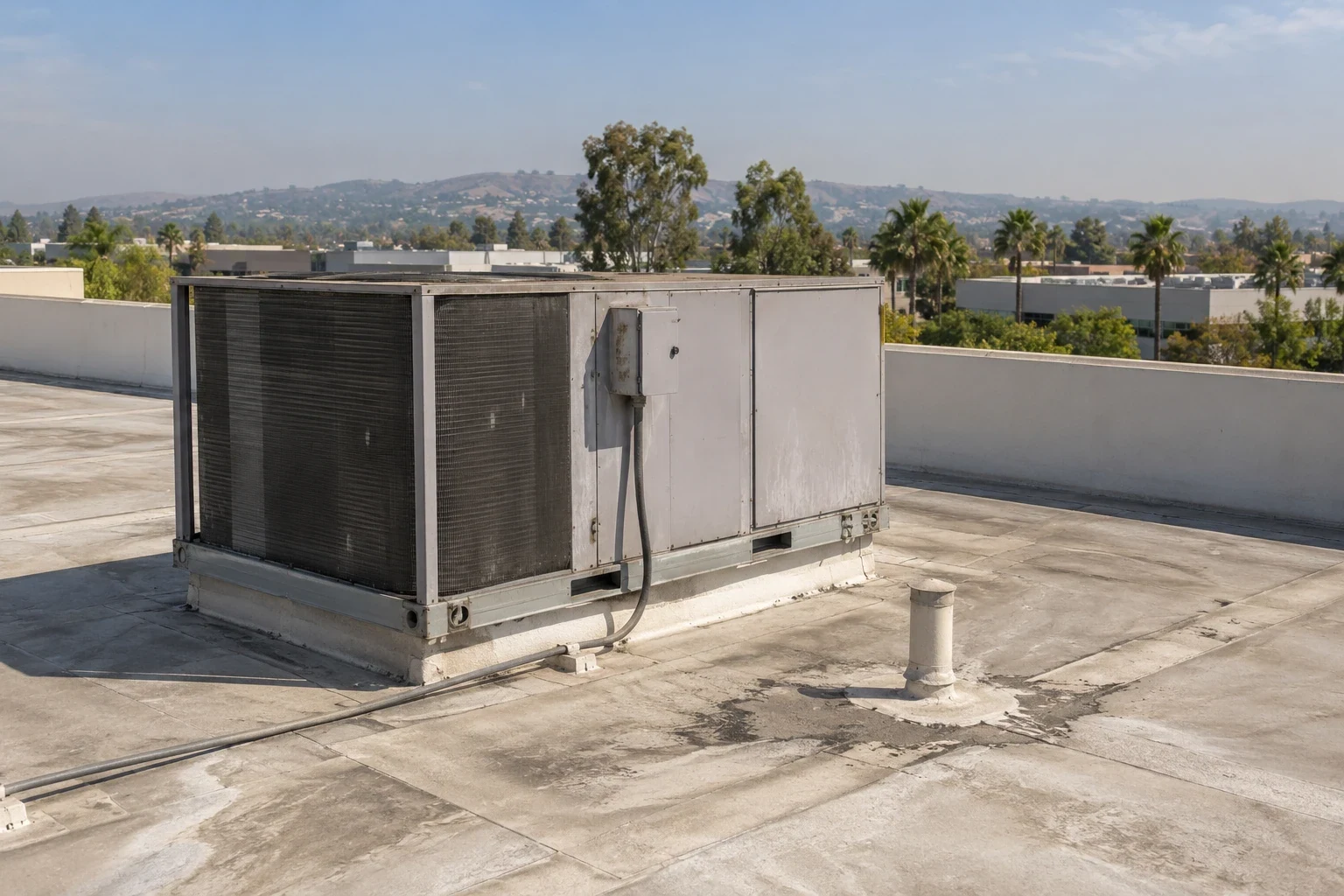
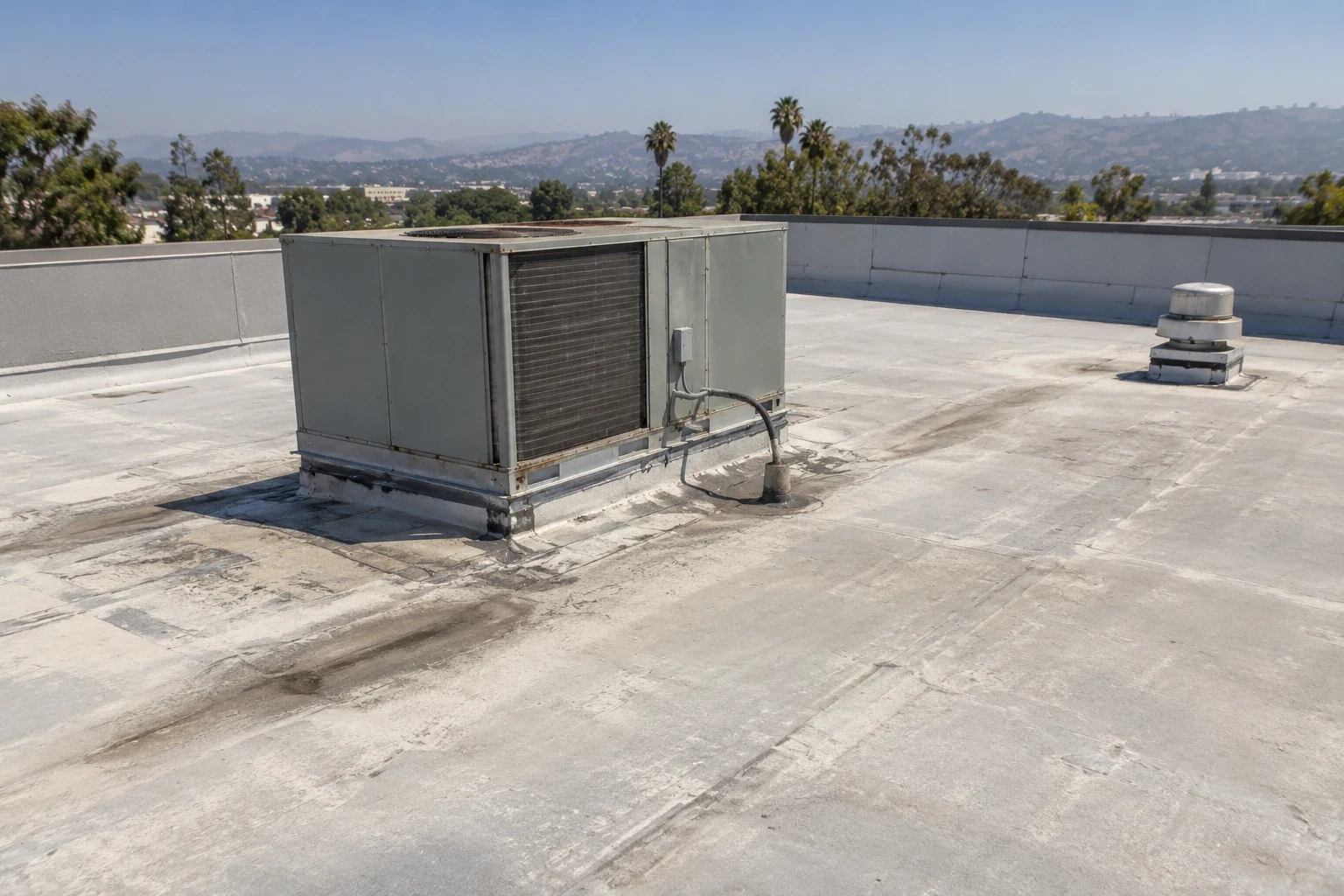
Flex and light industrial buildings behave differently. The office, flex and light industrial buildings at the Airport Business Center ask for a file that tracks parapets, edge metal, rooftop units and equipment curbs before it tracks the field of the roof, because that is where a low-slope building usually starts to leak.
Winery and production buildings are their own category. Sonoma County has more than 350 wineries, and process exhaust, cleaning water and heavy equipment all leave marks on a roof that an office never sees. If the file does not say what the building does under the roof, it is missing the most useful line.
The real problem is a file nobody updates
Most roof records fail the same way. Someone builds a good one, a manager moves on, and the file stops growing. Three years later the roof has a patch, a new curb and a second patch, and none of it is written down. The next person reads the old file, sees a roof in fair shape and budgets to match.
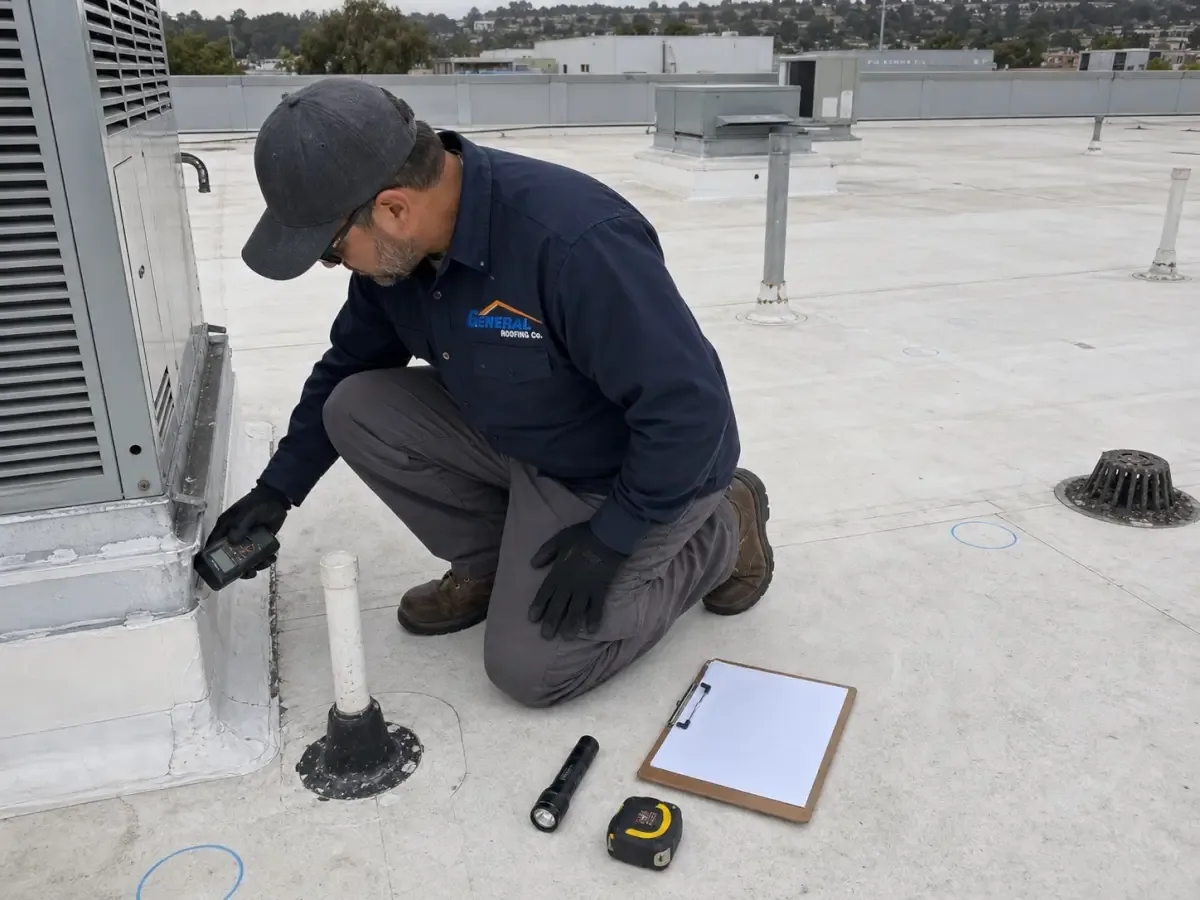
Here is the truth: the roof that wrecks a budget is rarely the one everybody knows is bad. It is the one the file calls fine. Wet insulation under a sound-looking membrane, a drain that has been silting up for two winters, a repair made with the wrong sealant. None of that appears in an age column. It appears in a walk, a moisture scan and a photo taken from the same spot as last time.
Good records are boring on purpose. Same photo positions, same rating scale, same drain count, same note on who last touched the roof. Boring is what makes a change visible.
One file per roof, one owner for the file
Weather events should change the file
When the atmospheric river of November 2024 parked over the city, it left close to 15 inches in roughly three days. Any roof file that was not touched after that week is guessing about drains, ponding and seams. We treat a storm like that as a trigger: walk the roofs that hold water, clear the outlets, photograph the damage and update the rating.
Fire does the same thing from a different direction. In October 2017 the Tubbs Fire jumped US 101, and in 2019 the Kincade Fire burned near Geyserville. Ash from events like those settles on low-slope roofs and heads for the drains. Heat adds its own entry: September 6, 2022 sent Santa Rosa to 115 degrees and Healdsburg to 117, the kind of day that softens sealants and stresses seams.
One more reason to keep fire-rated assembly information in the file: The wildfire zone map dating to 2009 is being redrawn, with 3,082 parcels added and 811 dropped. An owner near the new boundary will want the roof assembly documented before anyone asks.
Skip the software until the data is good
Roof management platforms are not worth it for a small portfolio with thin records. A dashboard full of guesses is still guesses. For a handful of buildings, a shared folder, a roof plan and a consistent photo set do the same job at a fraction of the effort.
Software starts to earn its keep when several people touch the same roofs and need one version of the truth. At that scale it pairs naturally with a multi-site roof program, and we will feed it. Get the walks and the ratings right first.
Core cuts on every roof, every year, are not worth it either. A roof that scans dry and shows no change in photos does not need a hole cut in it.
Commercial Roofing Questions
We own a handful of retail pads and one flex building. How detailed does each roof record need to be?
Detailed enough that a stranger could find every drain, every curb and every past repair without calling anyone. For a retail pad that usually means a roof plan, ten or so fixed-position photos, a repair log and the warranty paperwork in one place. A flex building with several tenants needs the same, plus a note on which rooftop units belong to which suite, because that is where the penetrations multiply.
Is it worth tracking a roof that is already headed for replacement?
Briefly, yes. The record tells you how much longer repairs can hold, which decides whether you spend on a patch this winter or save it for the tear-off. It also keeps a replacement scope honest, since photos and moisture findings show the crew where the wet insulation really is. Once the new roof is down, the old file becomes the baseline for the new one.
Who should hold the master copy, the owner, the property manager or the roofer?
The owner, with a working copy for the property manager. A roofer who holds the only copy is a roofer you cannot replace without losing your history. We share our photos and findings in a form you can keep, and we update the file after each visit so the version you hold is the version we use.
Will a current roof file help when a lender or buyer asks about the roof?
It shortens that conversation a great deal. A dated record of inspections, repairs and moisture findings answers most questions before they are asked. If a transaction is coming, the file also makes a due diligence roof survey faster, since the surveyor starts from known conditions instead of from nothing.
What should change in the file when a tenant adds equipment to the roof?
Three things: the roof plan, the penetration list and the repair log. Every new unit brings a curb, a set of pipe or conduit penetrations and a service path that gets walked on. We note who installed it, how it was flashed and whether the work touched a warranted area, then walk the new curb on the next visit before it ever leaks.

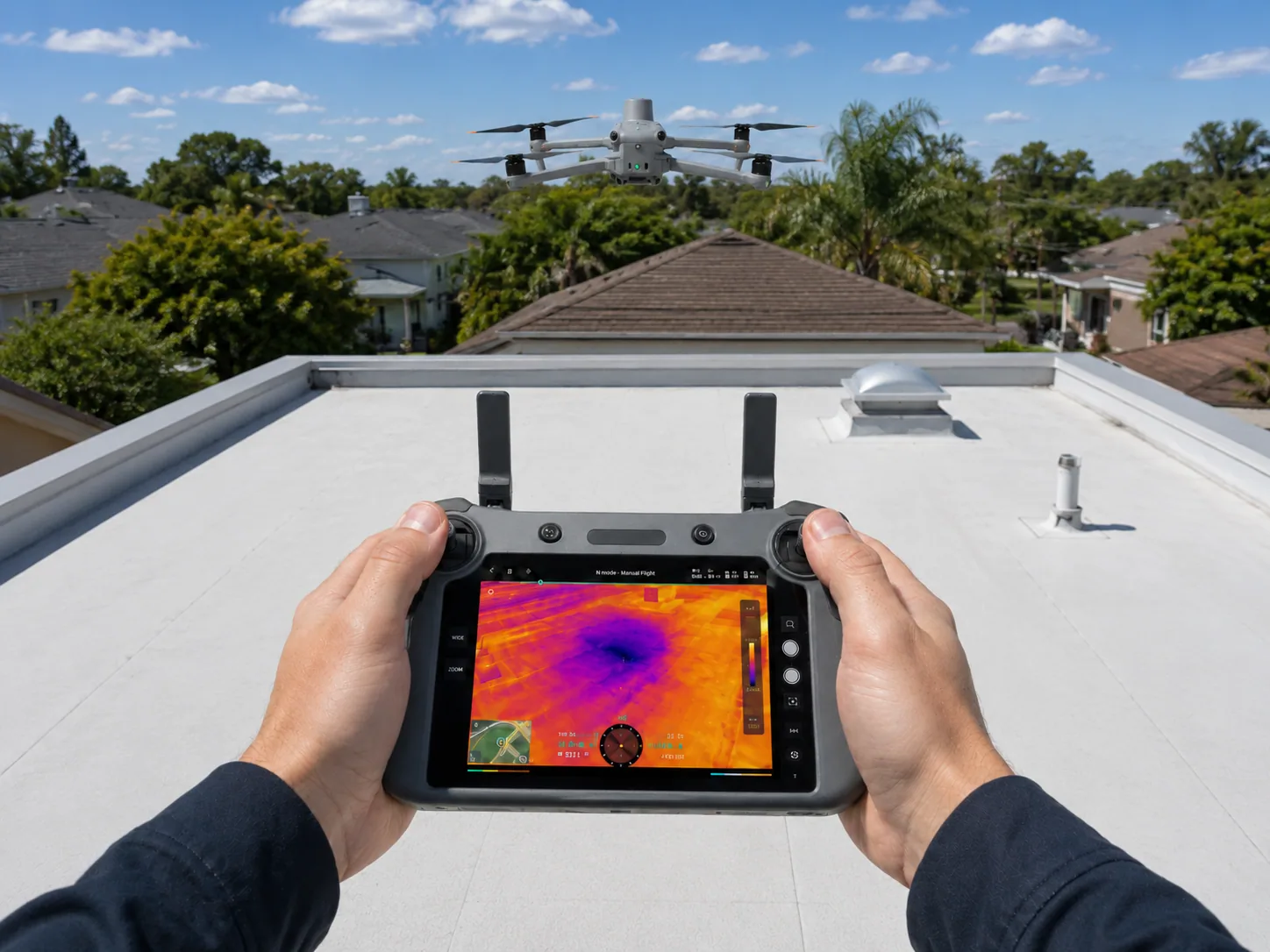
Get one clear file for every roof you own
Call Commercial Roofing Santa Rosa. We will walk your roofs, build the records and tell you plainly which ones need work now, which can wait and which need nothing at all.