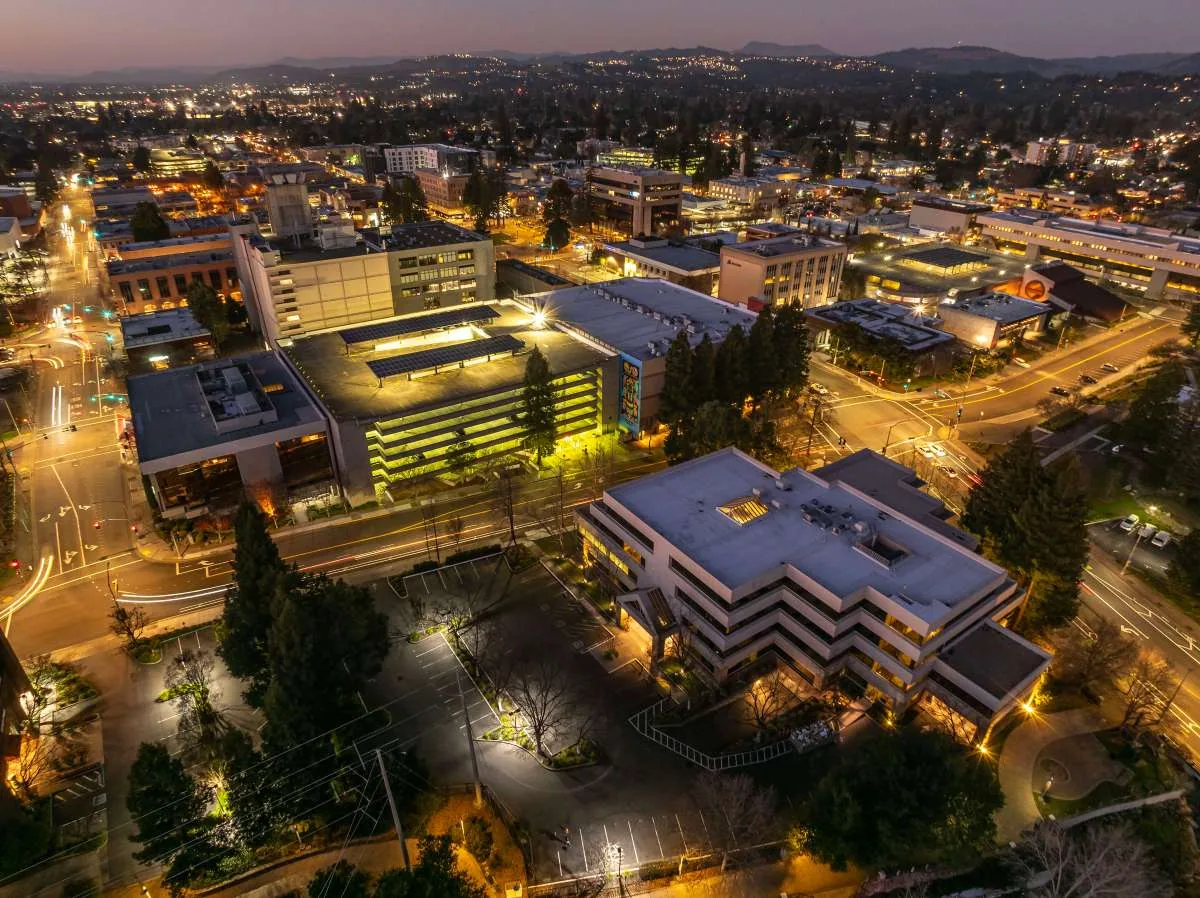
Commercial Roof Repair in Santa Rosa, CA
Commercial Roofing Services
Most commercial roofs get repaired too late or replaced too early. Owners wait for a ceiling stain, then call for a patch on a roof that needed attention a year ago. Or they hear a replacement quote on a roof that only had three bad details.
Planned repair in Santa Rosa, CA sits between those two mistakes. It means finding what is actually failing, fixing it properly, and writing down what is left so nobody is surprised next winter. A good repair program keeps many roofs in service for years longer.
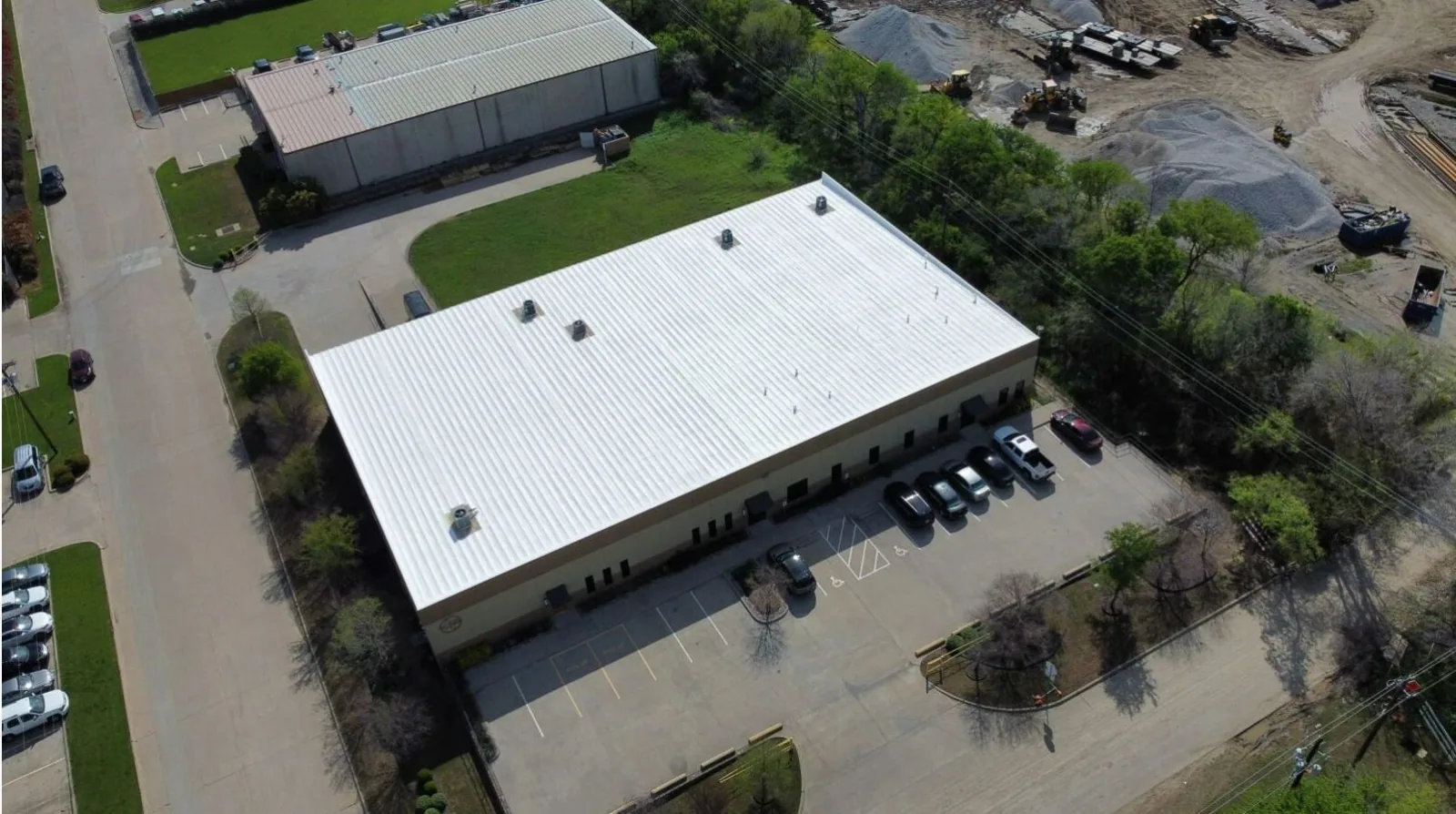
Serving Santa Rosa • Rohnert Park • Petaluma • Windsor • Healdsburg • Sebastopol • Napa
Repair the failure, not the age
Age is a poor guide. A ten-year-old roof can be in poor shape because of ponding water, and a twenty-year-old roof can be fine because the drains were kept clear. So we do not start with the date on the invoice. We start with where water is entering, what is wet, and what is breaking down.
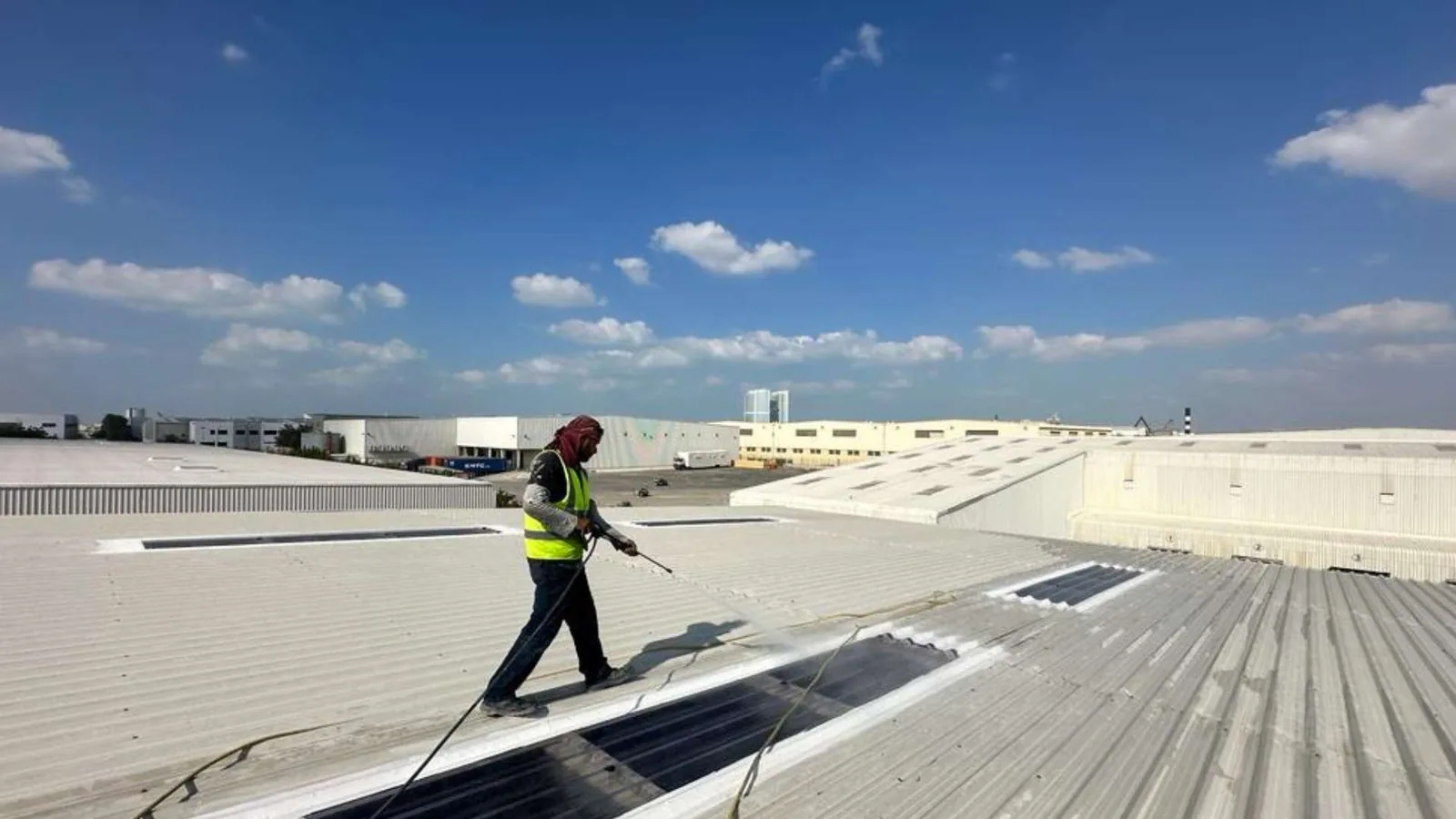
A repair visit begins with a walk of the whole roof, not just the spot the tenant pointed to. We check seams, flashings, penetrations, terminations, drains and equipment curbs. We photograph what we find and sort it into three piles: fix now, fix soon, and watch. That sorting is what makes a repair plan useful instead of a one-time bandage.
If a roof is already leaking, leak repair starts with tracing the water to its entry point before anything is patched. Repair in the wider sense is the job of putting the whole roof back in order.
Seams, flashing and details fail first
The field of a membrane is rarely the problem. The trouble starts where one piece of roof meets another.
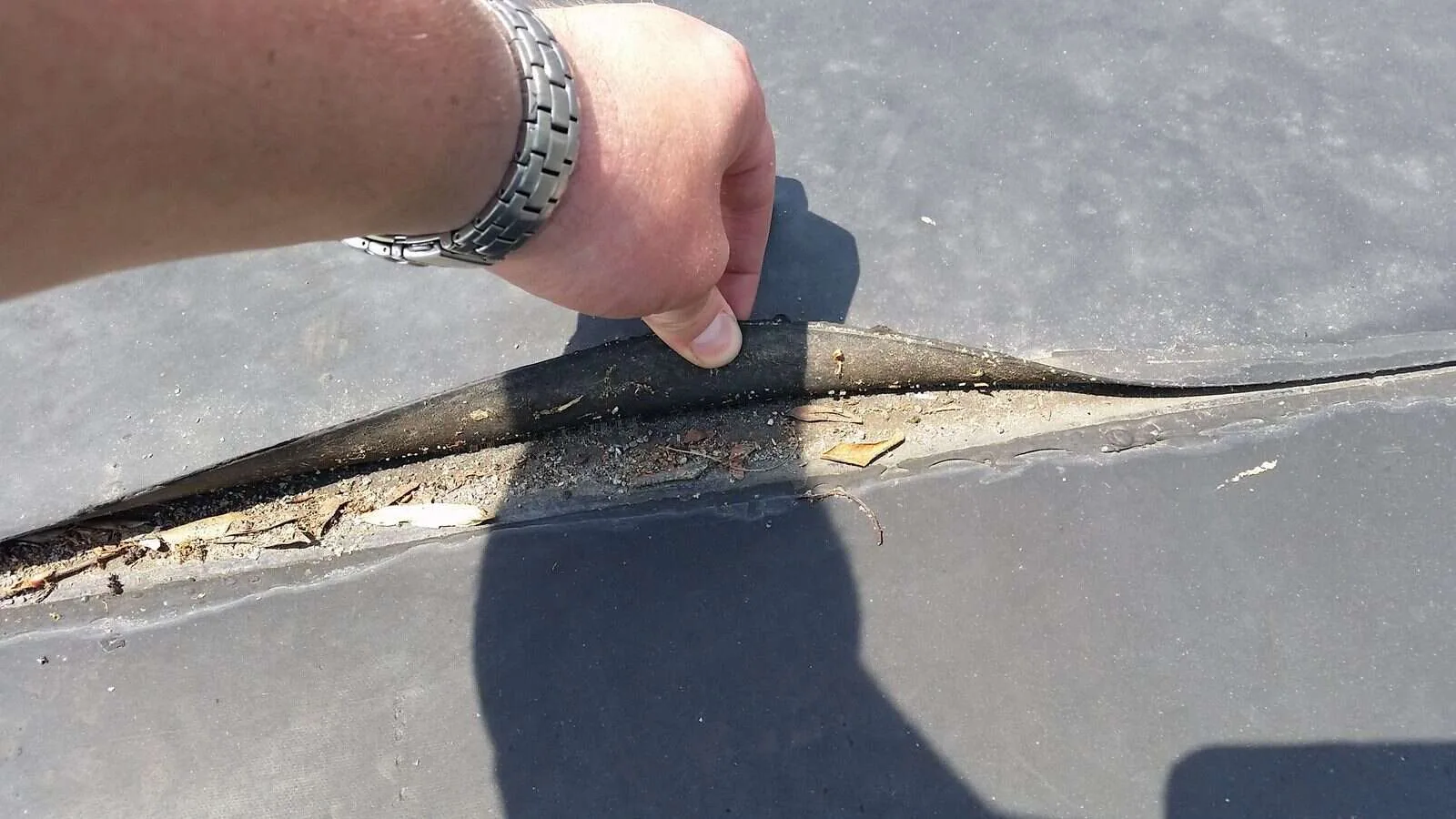
- Seams that have lost adhesion or heat-weld strength, so the edges lift and open.
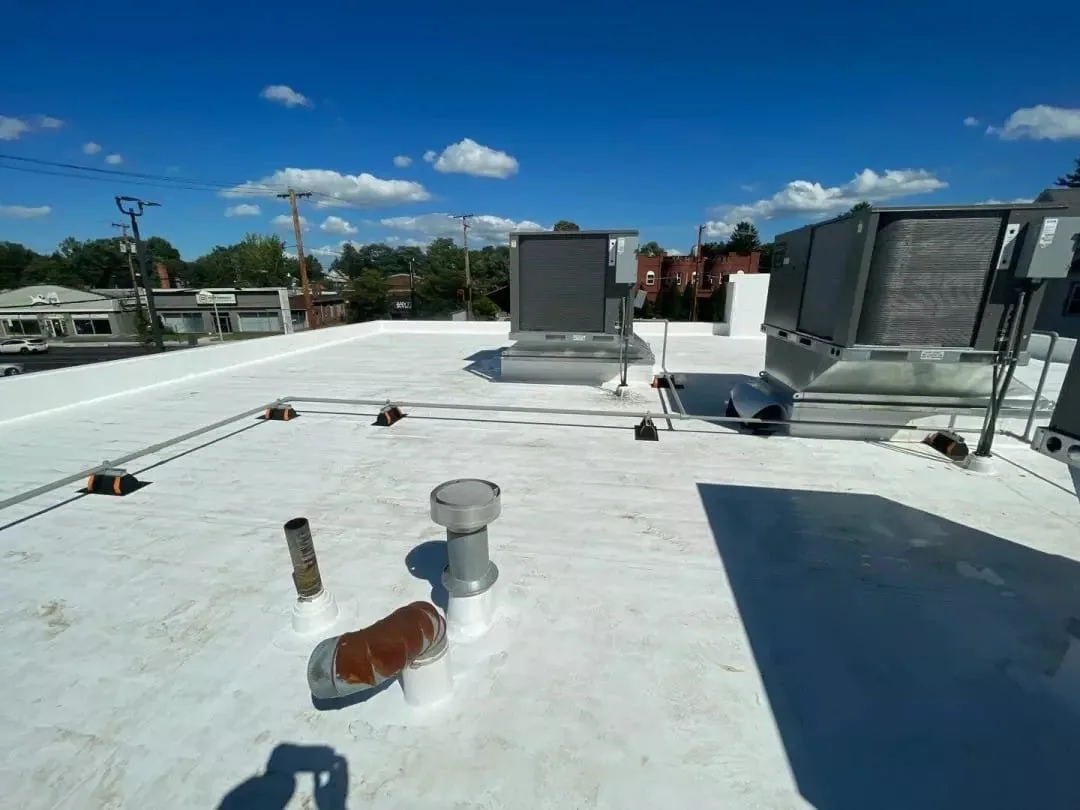
- Base flashing at walls and curbs that has pulled loose, split or lost its sealant.
- Pipe and conduit penetrations with cracked boots or dried-out pitch pans.
- Drain bowls and clamping rings where the membrane has separated.
- Edge metal and coping with loose fasteners and open joints.
These small failures let in a surprising amount of water. An open seam gets cleaned, prepared and rewelded or rebonded, and a failed flashing gets rebuilt at the wall or curb, in both cases with compatible materials rather than mastic smeared over the symptom.
Match the repair to the roof
Heat is slow, rain is fast
Santa Rosa roofs see two kinds of punishment. Heat and ultraviolet exposure wear materials down gradually: membranes harden, sealants crack, and thermal movement works fasteners and seams loose. The record of 115 degrees on September 6, 2022, with Healdsburg touching 117 the same day, was a stress test for commercial roofs in Santa Rosa and Healdsburg. Hardened membranes and cracked sealants after a summer like that are heat and UV damage, and they call for repair before the rain, not after.
Rain is the fast punishment. About 32 inches a year arrives mostly between November and March, and a single atmospheric river can put nearly 15 inches on the city in three days, as it did November 21 to 23, 2024. A seam that held all summer can open in that week.
The practical advice is simple. Do your repair work in the dry months, between the heat and the first storm. Roofs repaired in August and September meet the wet season in better shape.
Repair has a ceiling
Repairs are worth it when the roof around them is sound. They are not worth it when the failures are everywhere, the insulation is wet across a wide area, or you are patching the same spot every winter.
A few signs that you have passed the ceiling: repairs keep failing next to earlier repairs, the membrane tears when it is lifted for a patch, the roof walks soft underfoot, or the repair bills over a few seasons start to rival the cost of a new roof. At that point, more patching is money wasted. We will tell you so, and lay out the options, including commercial roof replacement.
On a retail roof such as those across Santa Rosa Avenue Corridor, where one failure can mean wet merchandise and a closed storefront, we err on the side of calling it early. A planned repair is cheaper than an emergency.
Keep it from coming back
The best repair is one you do not need. Much roof failure traces back to missed maintenance: clogged drains, debris against walls, loose edge metal, unreported foot traffic from other trades. A twice-a-year visit catches those things while they are cheap.
For owners with multiple buildings, or properties like a shopping center with many tenants working on rooftop equipment, a standing arrangement is usually more economical than calling for each problem. Our preventive roof maintenance visits clear drains, check seams and details, and give you a short written report each time.
Commercial Roofing Questions
How do I know whether to repair or replace my roof?
Look at how widespread the problem is. A few failed details on an otherwise dry, sound roof is a repair job. Wet insulation across a large area, a soft deck, or repeated failures beside old repairs points toward replacement. We inspect first, then give you both options with a clear recommendation, even when that recommendation is to do the smaller job.
Will a repair disrupt our tenants?
Rarely. Most repairs are small, so tenants keep working while we do. We set up access, keep materials off walkways and cover rooftop equipment. Hot work or anything with an odor gets moved outside business hours.
Will a repair void the manufacturer warranty on my roof?
It can, if the repair is done with the wrong materials or by someone the manufacturer does not accept. If your roof is still under warranty, check the terms before we start and tell us what they require. We will follow the manufacturer's repair specifications where they apply and document the work.
How long does a commercial roof repair last?
It depends on the cause. A properly rebuilt flashing detail on a sound roof can last for years. A patch over a membrane that is failing everywhere may last a season. We tell you which situation you are in before you spend the money.
Do you repair roofs that other contractors installed?
Yes. We repair commercial roofs regardless of who installed them. The first step is identifying the system so we use compatible materials, then we document the condition so you have a record going forward.
We will tell you what the roof needs.
Call Commercial Roofing Santa Rosa. After a full walk of the roof, you get a plain answer: repair it now, repair it later, or leave it alone.