Commercial Roofing on the Santa Rosa Avenue Corridor, Santa Rosa, CA
Service Areas
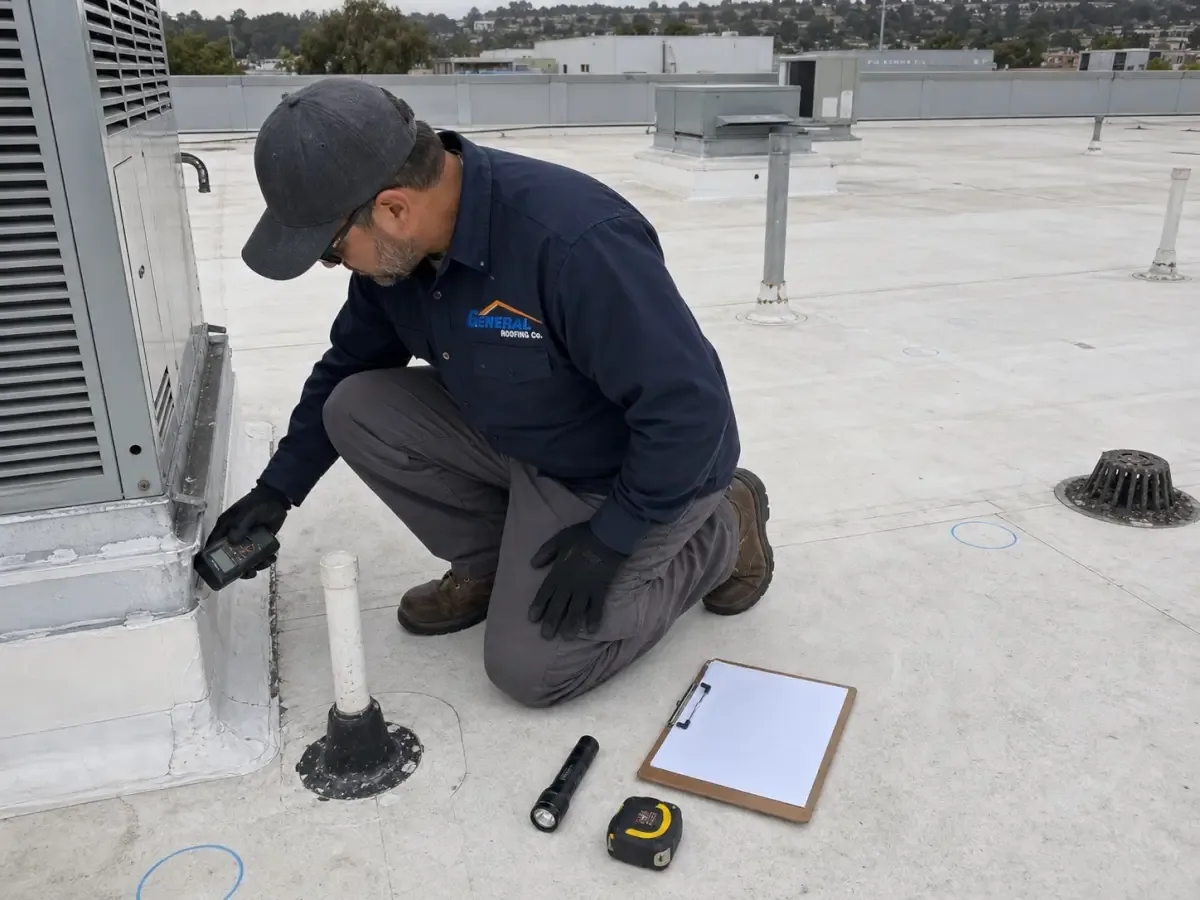
A corridor plan does not tell you the roof condition. It tells you where a community expects streets and development to connect, and the City’s Santa Rosa Avenue Corridor Plan sets a long-term vision for this route and its surrounding area. Commercial roofs along the avenue may sit above offices, retail, service uses or industrial space, but the membrane and details still have to be checked building by building. We inspect drainage, edges, seams, curbs and penetrations, then explain whether the owner needs a repair, restoration or replacement. If you have an active leak, a commercial roof inspection gives you a record of what failed and what should happen next.
Serving Santa Rosa • Rohnert Park • Petaluma • Windsor • Healdsburg • Sebastopol • Napa
The route is broader than a single storefront
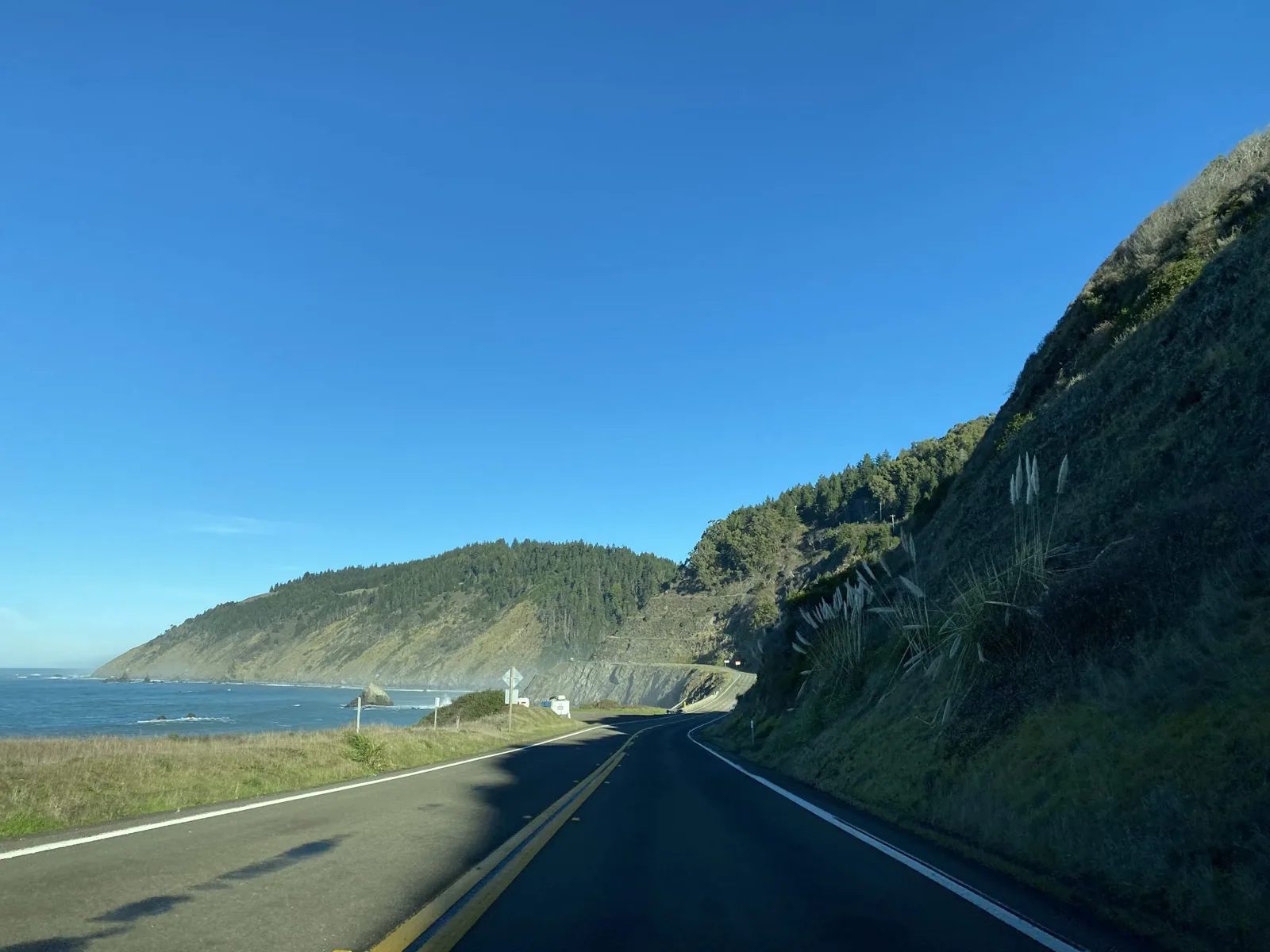
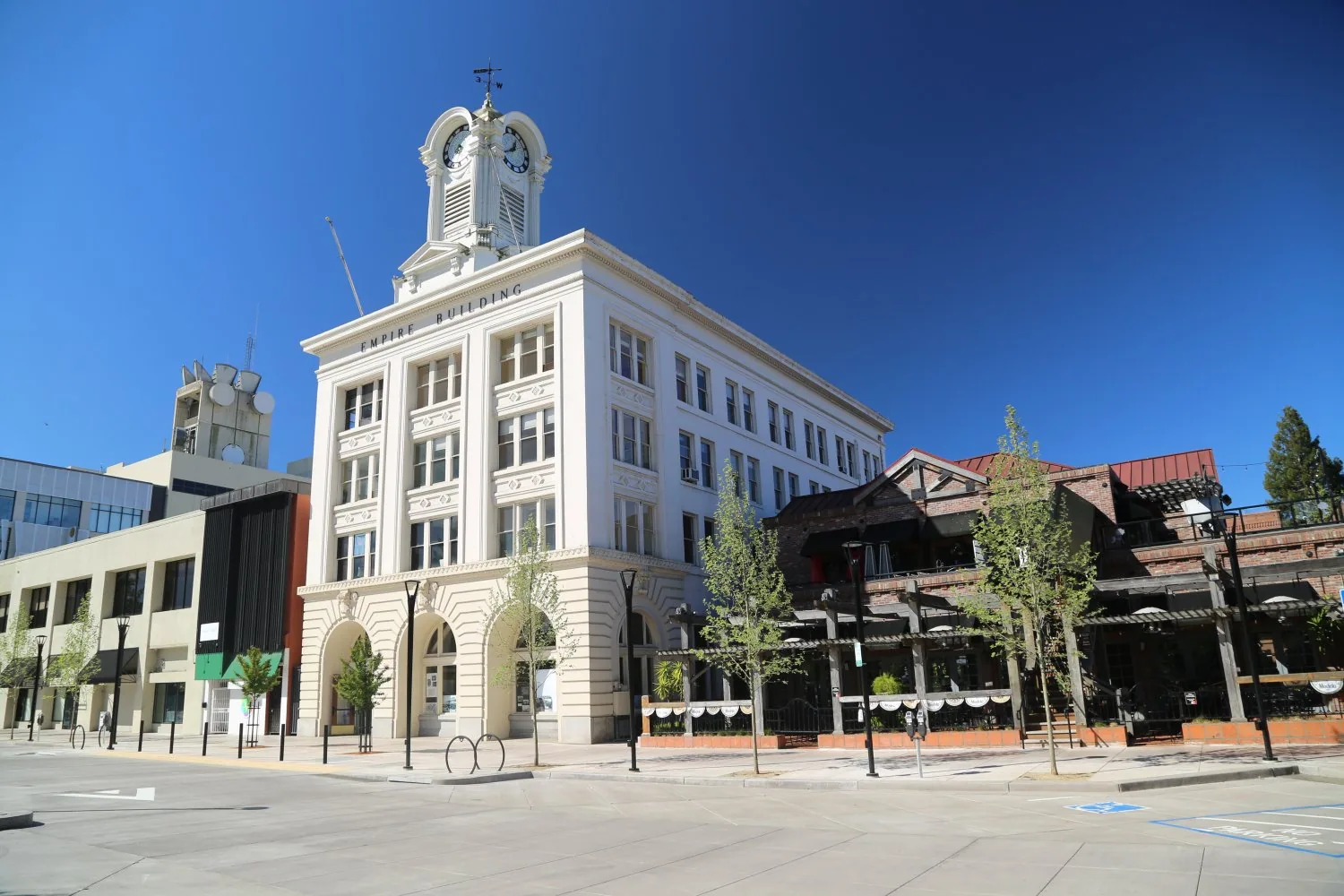
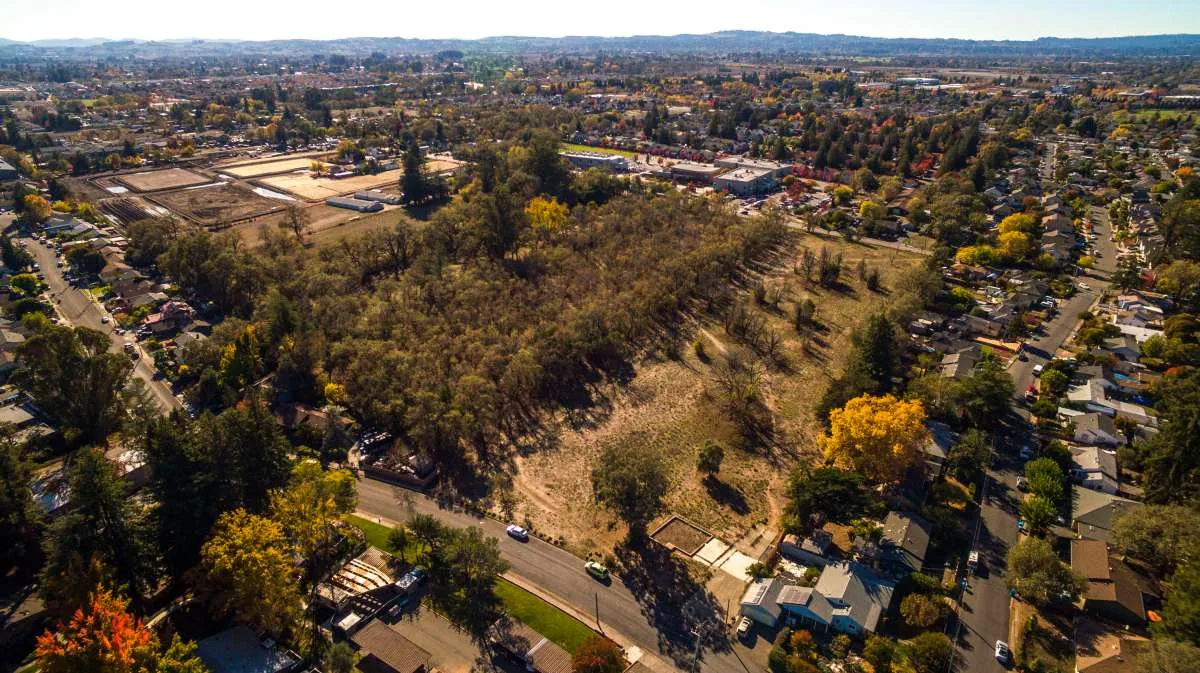
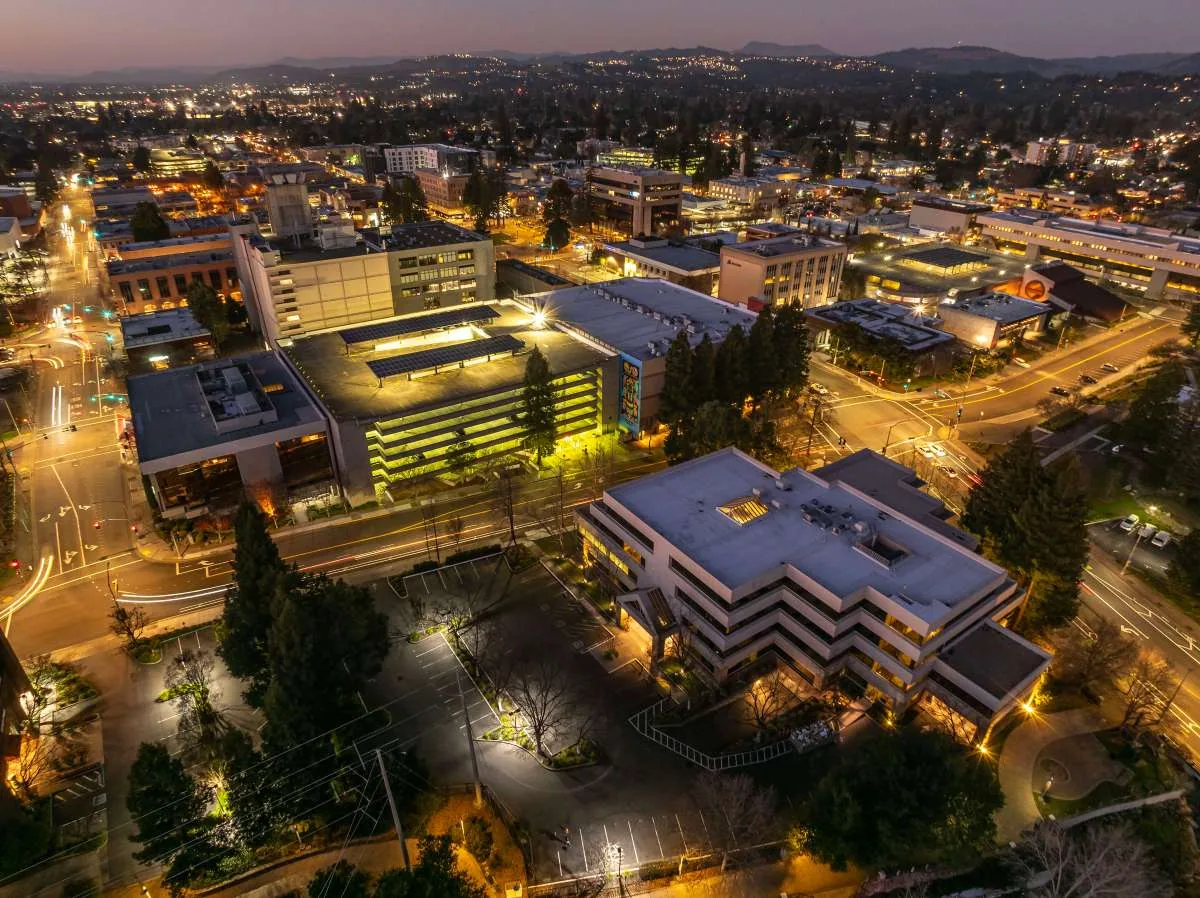
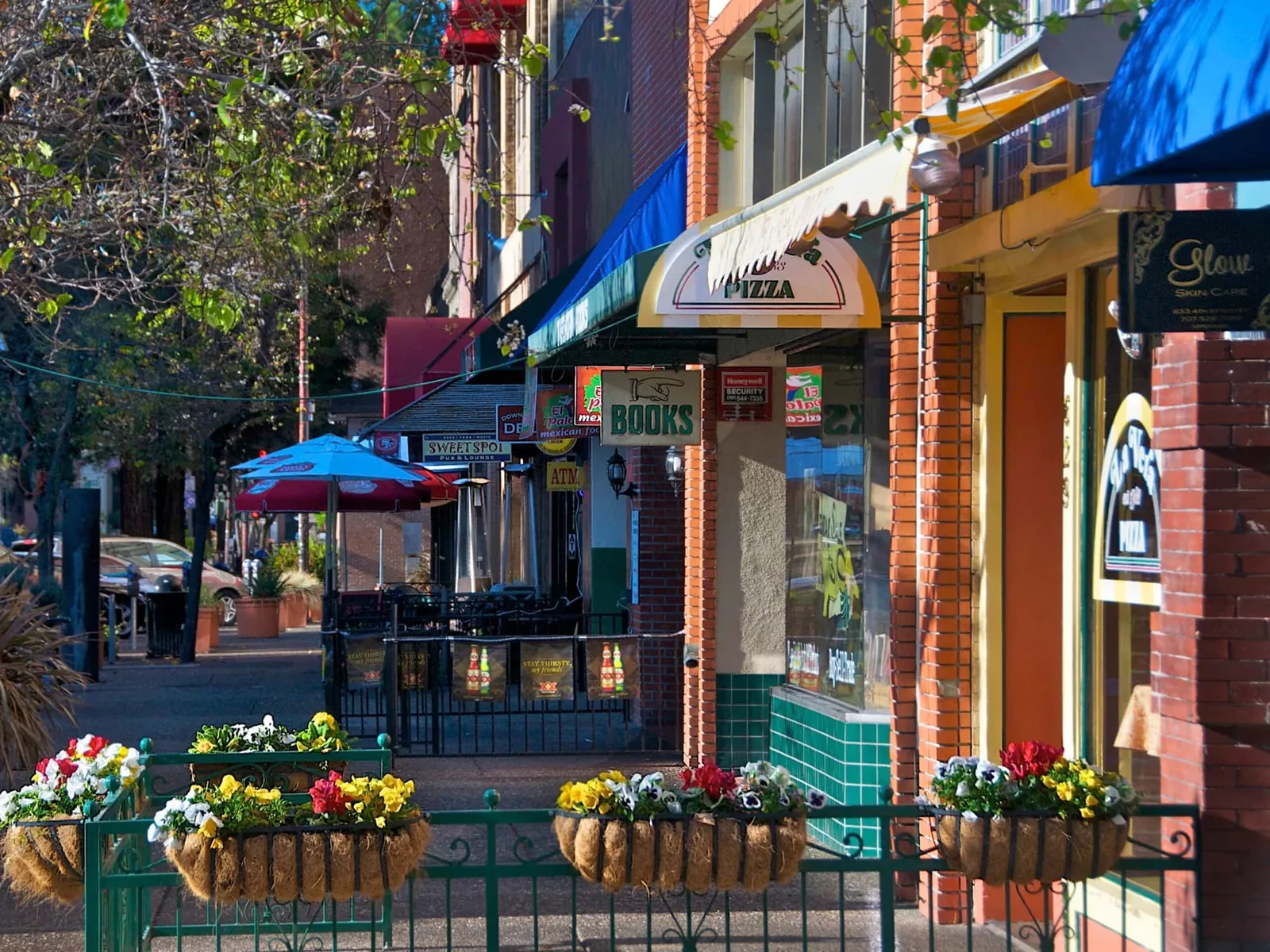
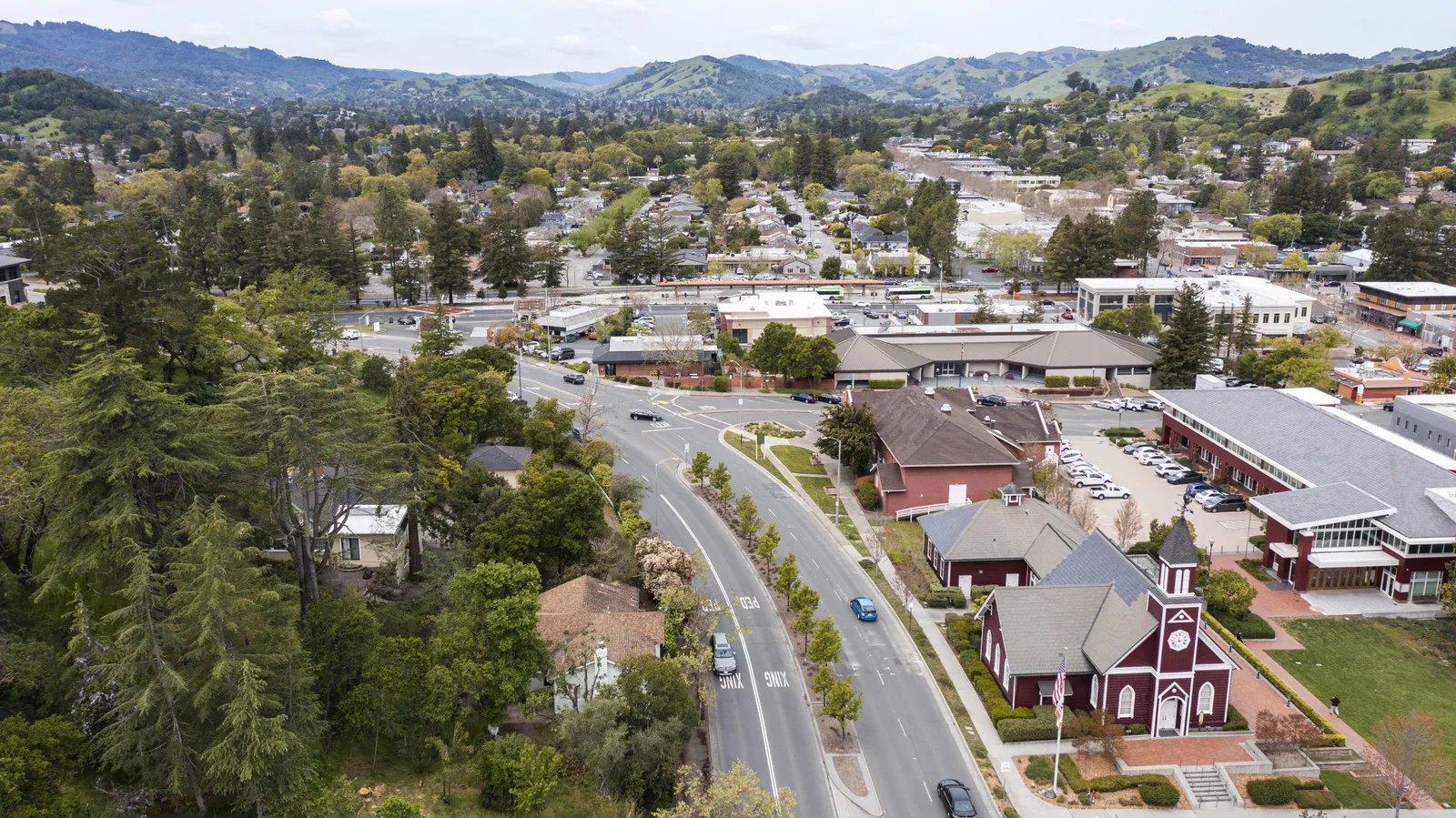
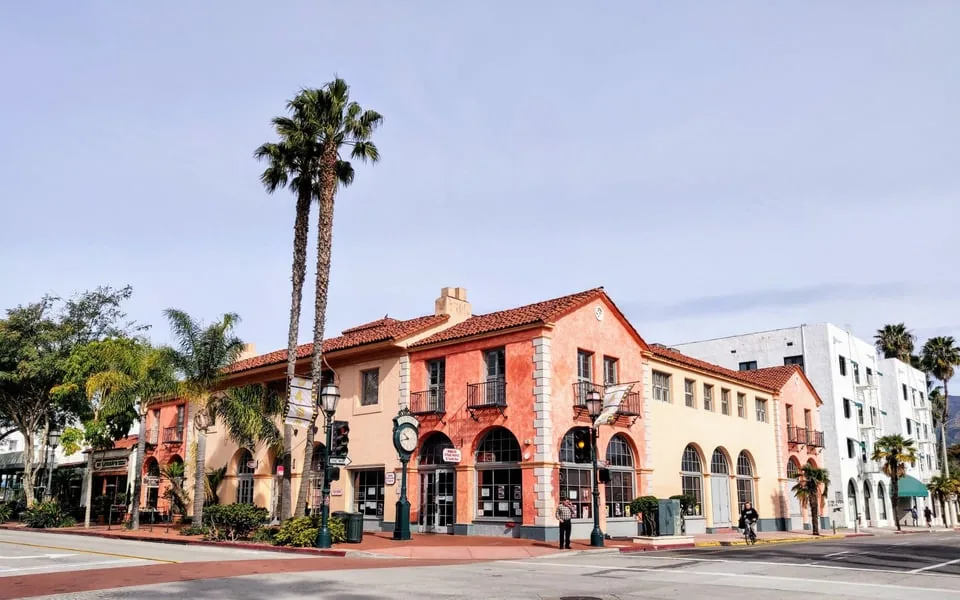
The City approved the Santa Rosa Avenue Corridor Plan in 2011 as a long-term vision for the corridor and surrounding area. Its boundaries sit within the Downtown Station Area Specific Plan, while the current South Santa Rosa Specific Plan covers about 1,900 acres along the avenue and nearby areas west of Highway 101. Those planning areas describe a real geography with multiple properties. For roof work, the practical question is whether a building can be reached, protected and kept in service while the crew repairs or replaces the assembly. Downtown Santa Rosa has its own station-area constraints; the avenue extends south into additional commercial and industrial settings. Roseland is a separate area within the City’s broader south and southwest service footprint.
Inspect the details that take the first water
Long commercial buildings often share a roof field but not a drainage path. One section may discharge through interior drains, another through scuppers, and a later addition may have a different membrane or slope. We map these transitions before choosing a repair. A loose curb flashing can leak into insulation far from the rooftop unit, while a blocked overflow can leave water standing against a parapet. Photos should identify the detail and location, not just show a general surface. When the owner has multiple properties in the same corridor, we keep each condition log separate and rank repairs by active water, moisture spread and exposure. Preventive roof maintenance can then return to the same drains and seams on a defined cycle.
Older drawings may show a roof layout that no longer matches the building. We compare them with current rooftop equipment, additions and drain locations, then mark any change that affects the repair. This is especially useful when a tenant fit-out added exhaust or refrigeration after the last reroof. The owner should know which trade controls each penetration before new membrane work begins, or the same leak can return at the next equipment service.
Long roof runs make small elevation changes matter. A cricket that stops short, a drain set above the low point, or a blocked overflow can redirect water toward a seam. We map the slope and note where water stands after rain, then compare that pattern with insulation readings. If the roof is being replaced, those observations can guide tapered insulation and drain placement. If the owner chooses a repair, we keep the scope focused on the proven failure and do not promise that a patch will correct a larger slope problem.
Coordinate delivery and tenant movement
A short rain window can expose a weak roof
Santa Rosa’s average annual rainfall is about 32 inches, concentrated mainly between November and March. The 2024 atmospheric river put nearly 15 inches over Santa Rosa in about three days. A roof that drains slowly may hold water against seams and flashings during that kind of event. We inspect the full route from drain bowl to discharge, including strainers, overflow scuppers, crickets and low areas. If water remains after the storm, we check whether the surface is depressed, insulation has compressed or a drain connection is obstructed. Ponding-water repair should address the reason water stays, not simply add sealant at the visible stain.
Heat and fire debris call for different checks
Santa Rosa recorded 115 degrees in September 2022. Heat can accelerate surface aging and make exposed sealants brittle, while wildfire ash and embers create a separate inspection problem. After a nearby fire, we check penetrations, equipment screens, membrane surfaces and roof drains for damage or debris. The 2017 Tubbs Fire crossed Highway 101 and damaged commercial properties in Santa Rosa, so a post-event roof walk should not stop at the street-facing edge. We document signs of impact and separate cleanup from waterproofing repairs. For an aging field membrane, we check adhesion and moisture before considering a reflective coating. A roof coating must fit the existing system and substrate.
Spend on the failure, not the appearance
Roof work is easier to defend when the scope follows evidence. A patch suits an isolated penetration or seam when the surrounding membrane is dry and stable. A recover may fit an assembly with sound insulation and enough structural capacity for another layer. Replacement makes more sense when moisture is widespread, edge details have failed across a long run or previous patches no longer connect to a reliable base. We lay out those choices and the conditions that could change the recommendation. No coating can stabilize a soft deck, and no new membrane can fix a drain that still holds water. The owner should leave with a documented scope and a clear answer on what must happen now, what can wait and what does not need work.
Commercial Roofing Questions
Does the corridor plan change how you repair a roof?
It helps describe the area, but the repair follows the building’s actual roof assembly and access rules. We inspect the membrane, deck, drainage and transitions, then coordinate equipment and staging with the owner. A planning boundary does not tell us whether a roof is ready for coating, recover or replacement.
Can you repair a roof without closing the business?
Often, if the project can be phased and the interior remains protected. We plan noisy work, material movement, entrances and air intakes with the property manager. If active water makes a section unsafe, that area may need temporary restrictions until it is dry and repaired.
How do we know whether ponding is a serious problem?
We look at how long water remains, whether the deck or insulation has deflected, and whether drains or overflow paths are working. A shallow puddle after rain is different from water that persists or reaches a seam. The inspection records the condition and what correction is practical.
What can be checked before a reroof proposal?
The number of roof layers, membrane type, moisture, drain layout, parapet edges, penetrations and access for materials. We also note occupied spaces below and equipment that must remain running. Those details make the scope more accurate than a bid based on roof area alone.
When should an owner consider replacement?
When the assembly cannot support a durable repair or recover, especially if moisture is widespread, the deck is compromised or edge details fail in multiple areas. We compare that condition with targeted repair and restoration options, then state what each path leaves behind.