Distribution Center Roofing in Santa Rosa, CA
Property Types We Roof
A leaking roof is not what shuts down a distribution center. The repair is. When a crew blocks a dock lane, shuts off a sprinkler zone or leaves a section open overnight, the building stops earning, and that costs far more than the roof ever did.
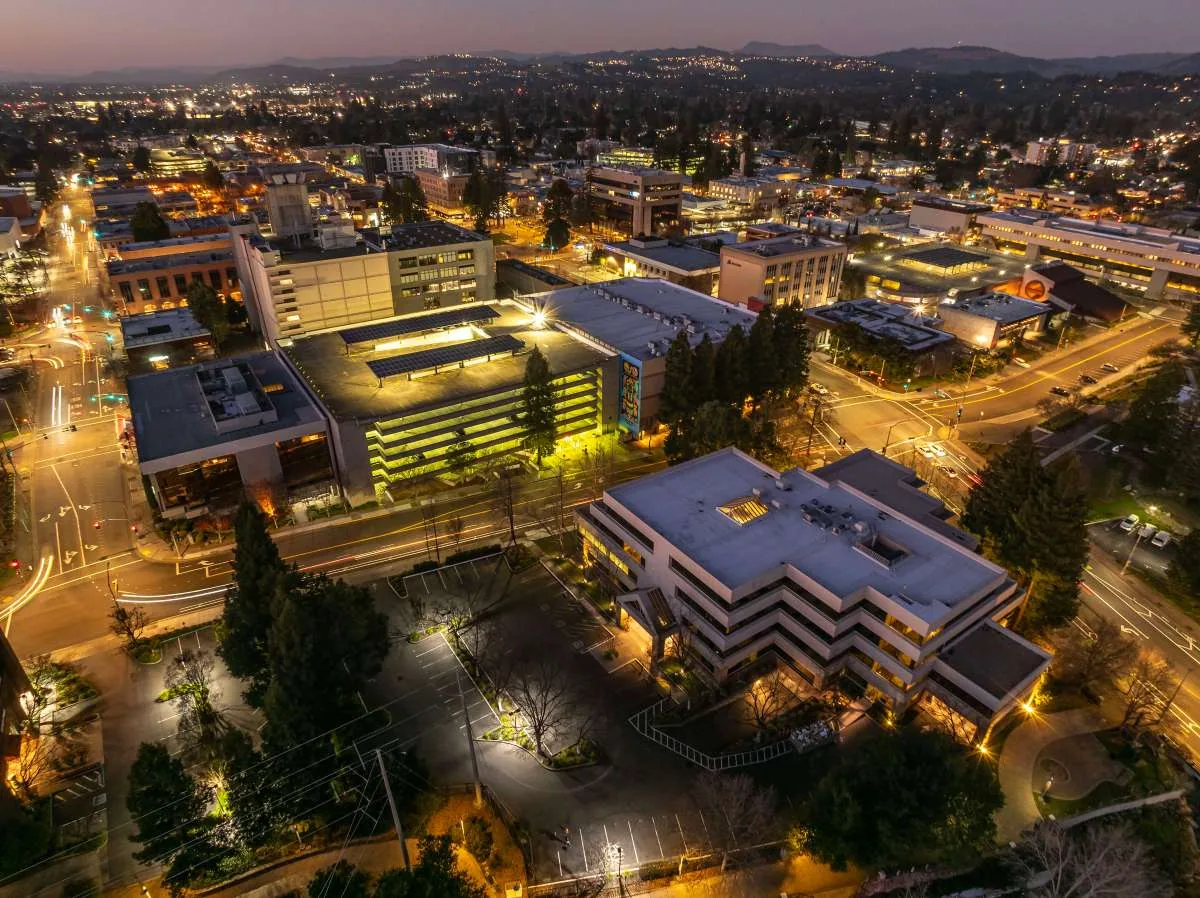
That is the lens we use on fulfillment buildings in Santa Rosa, CA. US 101 is the main freight and commuter spine through Santa Rosa, and the buildings that feed off it are judged on how fast a trailer turns, not on how handsome the membrane looks. The roof has one job, which is to stay quiet. Our job is to keep it quiet without ever becoming the reason a dock goes idle.
Serving Santa Rosa • Rohnert Park • Petaluma • Windsor • Healdsburg • Sebastopol • Napa
Speed is the product
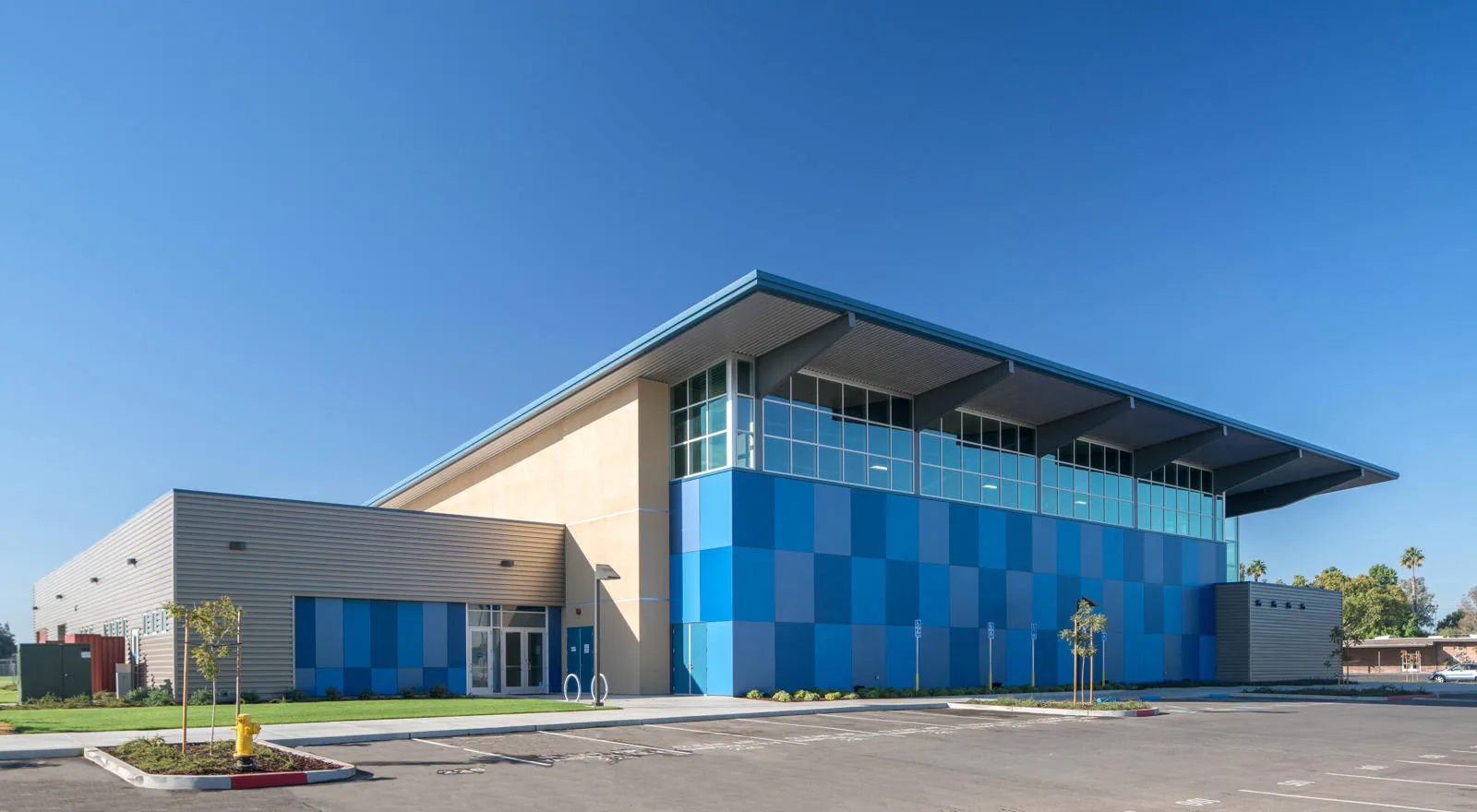
Fulfillment and cross-dock buildings are tall, deep and packed. Racking runs close to the deck, sprinkler piping hangs under it, and the floor below is a conveyor of people and forklifts. A drip that would be an annoyance in an office is a safety event over a pick aisle, and a soaked pallet of finished goods is a claim.
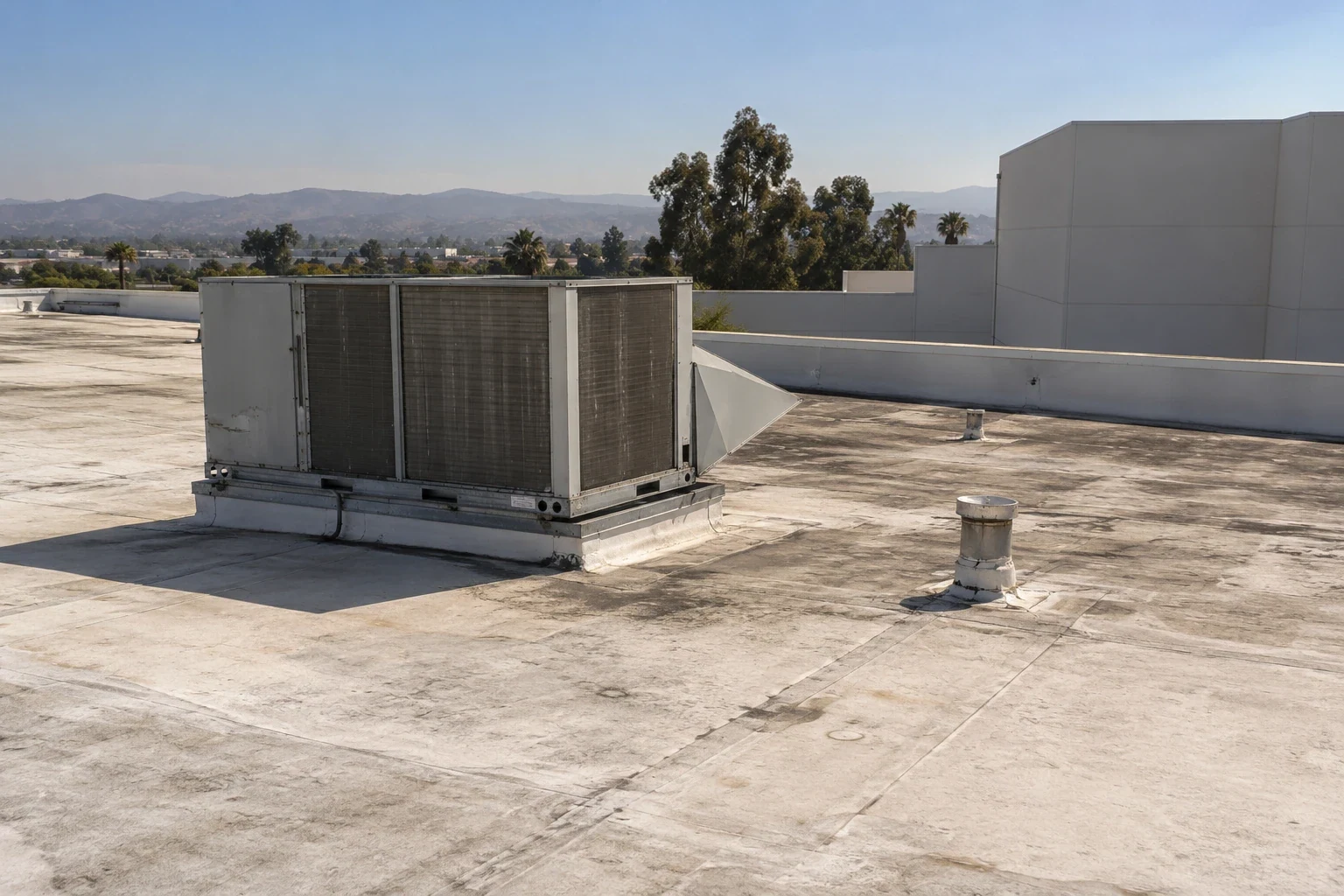
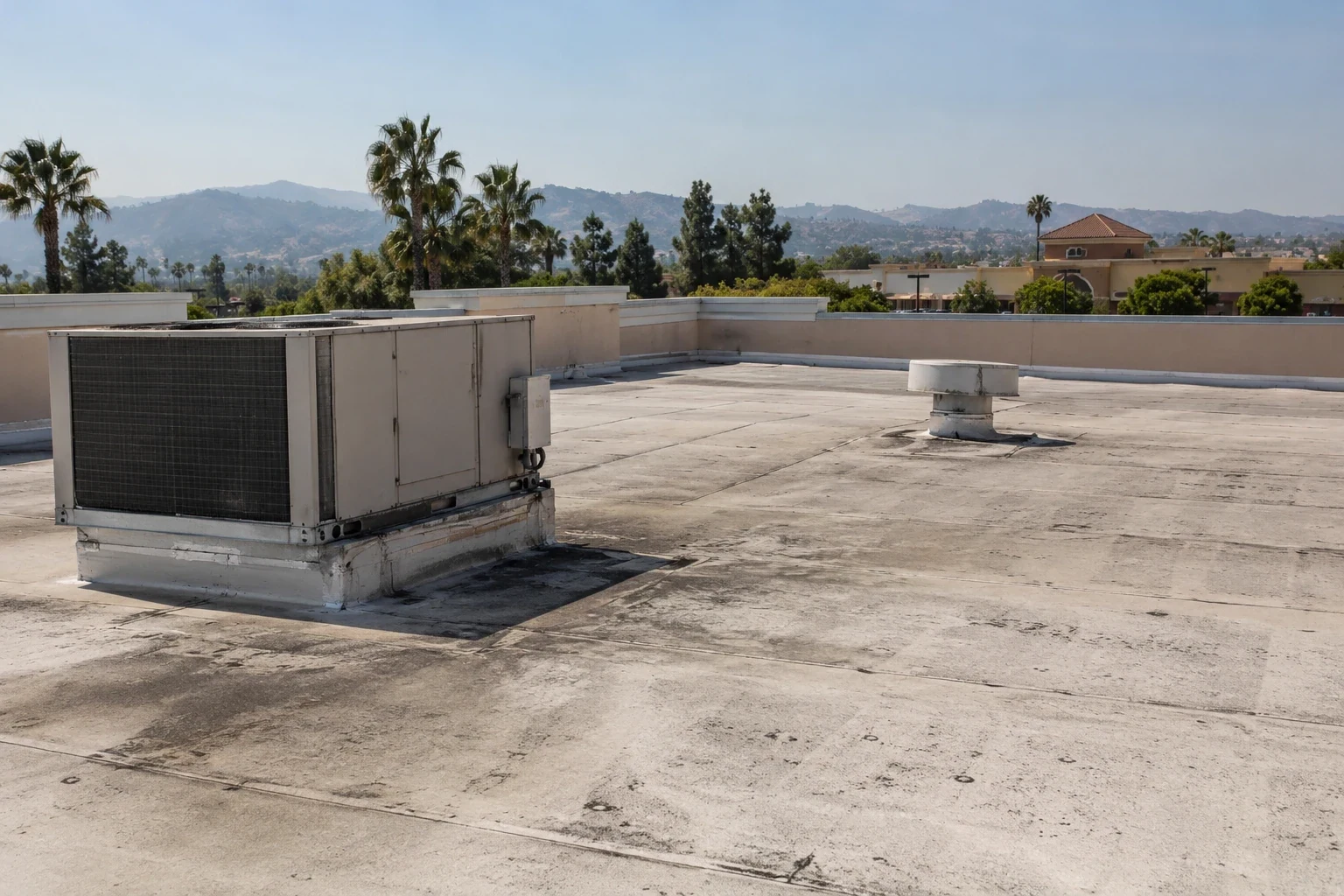
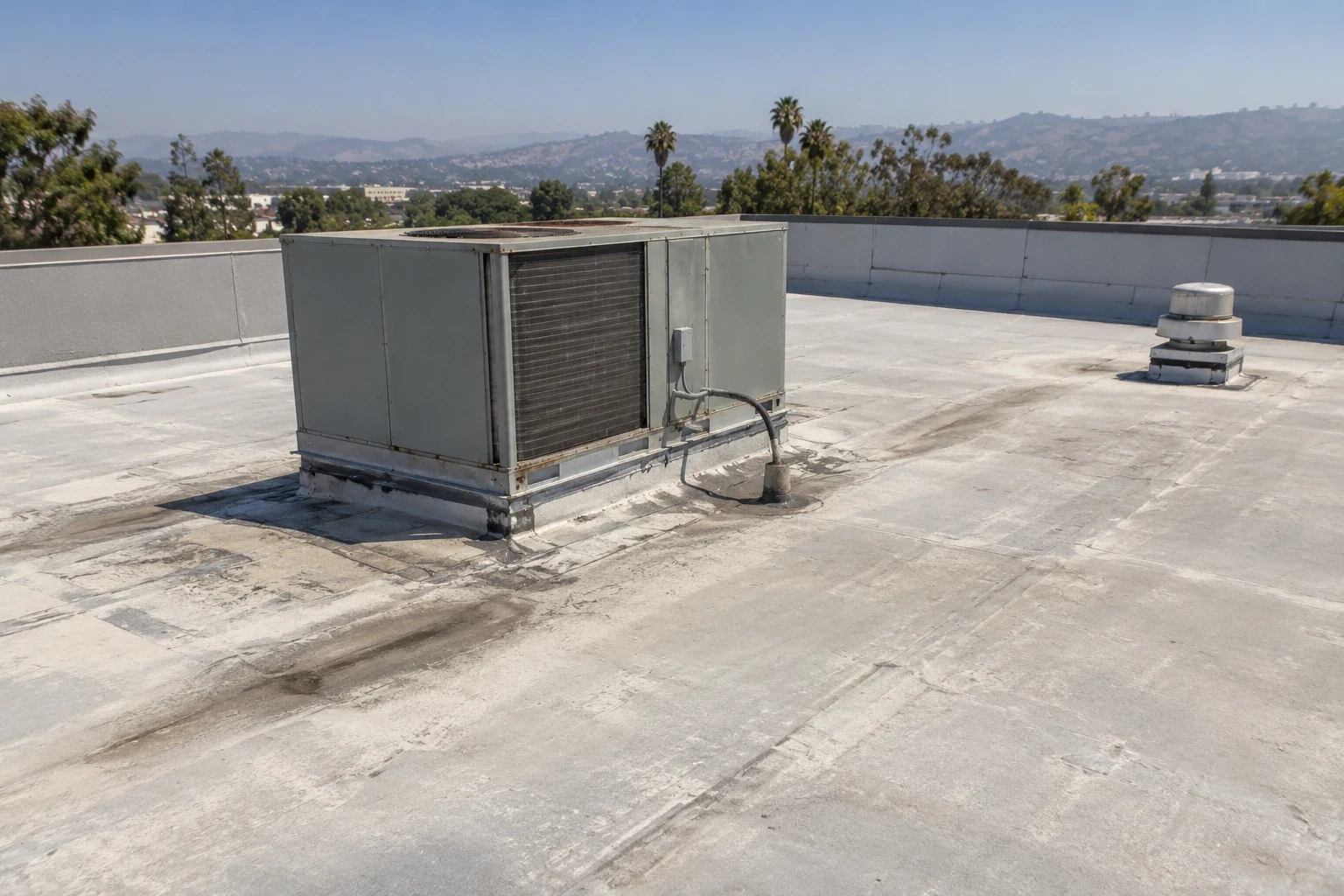
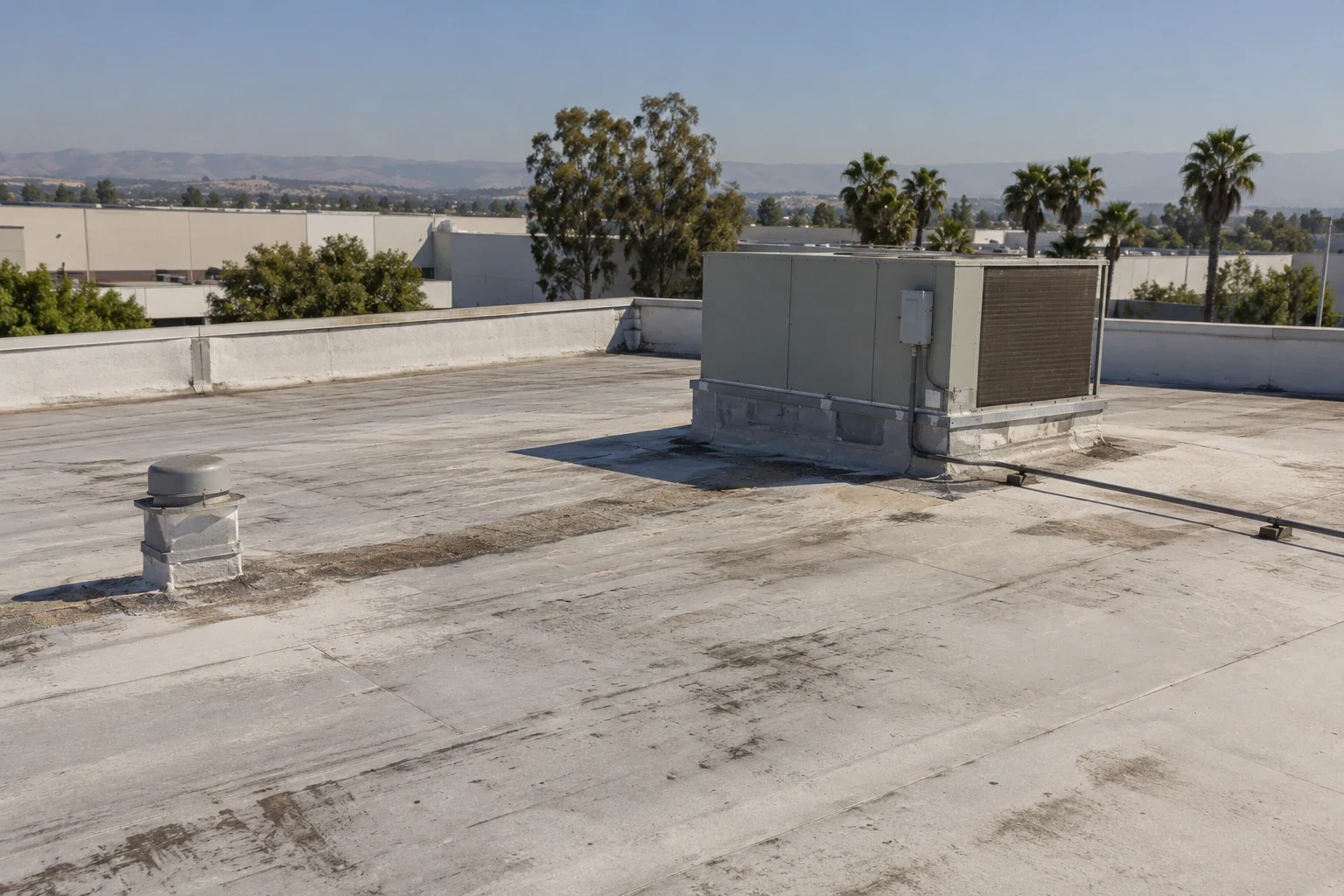
The roof over a building like that is usually a broad low-slope field with a long list of holes in it: smoke vents, skylights, roof hatches, exhaust fans and the small rooftop units that serve dock offices. Each hole is a flashing. Each flashing is a place where the roof can fail first, and the pattern is the same as on a plain warehouse roof, only with more traffic underneath. Along that spine, the Rohnert Park Expressway carries Rohnert Park traffic to US 101, and the Airport Business Center mixes office, flex and light industrial buildings with 101 and airport access. A fulfillment building in either place has the same pattern of holes in its roof.
Penetrations leak before the field does
Count the openings on a distribution center roof and you will usually find the leak candidates without a single scan. Skylight curbs crack at the corners, smoke vent gaskets harden, fan housings get bumped during service and a pipe boot dries out at the first hot spell. The membrane between them is often in better shape than any of those joints.
The fix is detail work, done with materials that match the membrane you already have. A mismatched sealant bead over a lap is the quickest way to create a bigger repair next winter. We rebuild flashings properly, and the same crew sets equipment curbs and supports so that a unit swap does not undo the work.
Verdict: spend on the penetrations first. Leave the clean field of the roof alone until a moisture survey says otherwise.
Peak season meets the wet season
Phase it by dock bay
Do the roof in sections that follow the building, not the budget. We tie off a bay or a dock line, work it from the roof edge in, and close it up before the crew leaves, so the interior sees a few noisy days instead of an open ceiling. That is the same sequencing we use on occupied building reroofing, and it works especially well on a building that never stops moving freight.
For a leak over racking, mark the aisle and move exposed product before roof work begins. The site plan should identify drain routes and safe interior access so temporary protection does not create a new operational hazard.
If the existing roof is dry and flat, a recover keeps tear-off debris and noise out of the operation. If it is wet, the old material has to come off. Recommendation: choose the method that protects operations, then size the budget to fit it.
Do not overbuild a leased roof
Many distribution buildings are leased, and the roof sits in a gap between what the tenant uses and what the landlord owns. Tenants end up calling for emergency patches while owners hold off on capital work, and the roof pays for the stalemate. A written condition report with photos puts a number on the gap. For a logistics and 3PL portfolio, a short maintenance plan costs far less than a string of emergency calls.
A building with chilled rooms follows different rules, which is why cold storage roofing gets its own approach. What is not worth buying: a premium system on a building whose lease is short, or a fully adhered roof where a mechanically attached one meets the load and the schedule. A preventive maintenance route that clears drains twice a year is usually the best money on the roof.
Commercial Roofing Questions
Will roof work stop our trucks from loading?
It should not. We stage materials away from dock approaches, keep fire lanes clear and work the roof in sections that follow your shipping pattern. Hoists and crane picks get timed for the quiet hours. We agree on every access point with your operations lead before the first panel of old roof comes off, and we keep a standing line open to your dock supervisor during the work.
How do you handle a leak over finished inventory at night?
Call with the leak location, what is below it, and any access limits. Once roof access is safe, the assessment can identify the entry point and whether temporary protection is appropriate. Protect exposed product first; schedule permanent repair around weather and operations.
Should we recover the roof or tear it off to save disruption?
Recover when the insulation tests dry and the deck is sound, since it keeps the noise and debris down. Tear off when the insulation is wet or the roof already carries a recover, because covering moisture traps it. We scan the roof and cut test cores before putting either option in writing, so the choice rests on what is under the membrane.
Does a tenant or the landlord pay for roof repairs on a leased distribution building?
That is set by the lease, and we are not lawyers. What we can do is document the roof so both sides argue from facts: photos, moisture readings, a map of what failed and a note on whether it came from age, damage or tenant equipment. A clean report often settles the question before anyone starts a dispute.
Can the roof carry extra solar, racking or new rooftop units?
Maybe, and that depends on the deck, the membrane and the structure. We check the roof condition and the load path before any equipment goes up. If the roof needs repair or replacement soon, it is cheaper to do that first and then install curbs and supports that fit the new equipment layout, rather than lifting everything twice.
Keep the docks moving and the roof dry
Call Commercial Roofing Santa Rosa to schedule a roof walk. We will tell you plainly whether your distribution center roof needs work now, later or not at all.