Roofing for Logistics and 3PL Operators in Santa Rosa, CA
Industries We Serve
The roof is not a logistics operator's biggest risk, right up until a leak reaches a customer's inventory. Then it is the only risk, and the contract language does the talking. Most of what makes that moment expensive was visible on the roof months earlier, in a clogged drain or an unflashed vent.
Operators in Santa Rosa, CA and along US 101 lease space they do not own, hold goods they do not own and answer to customers who care about one thing: did the product arrive dry. We look at roofs through that lens. What sits under each bay, who is responsible for what in the lease, and how fast water can be stopped once it gets in. You get a list of roofs ranked by the inventory beneath them, with a plain call on each.
Serving Santa Rosa • Rohnert Park • Petaluma • Windsor • Healdsburg • Sebastopol • Napa
The freight spine runs through the roofs
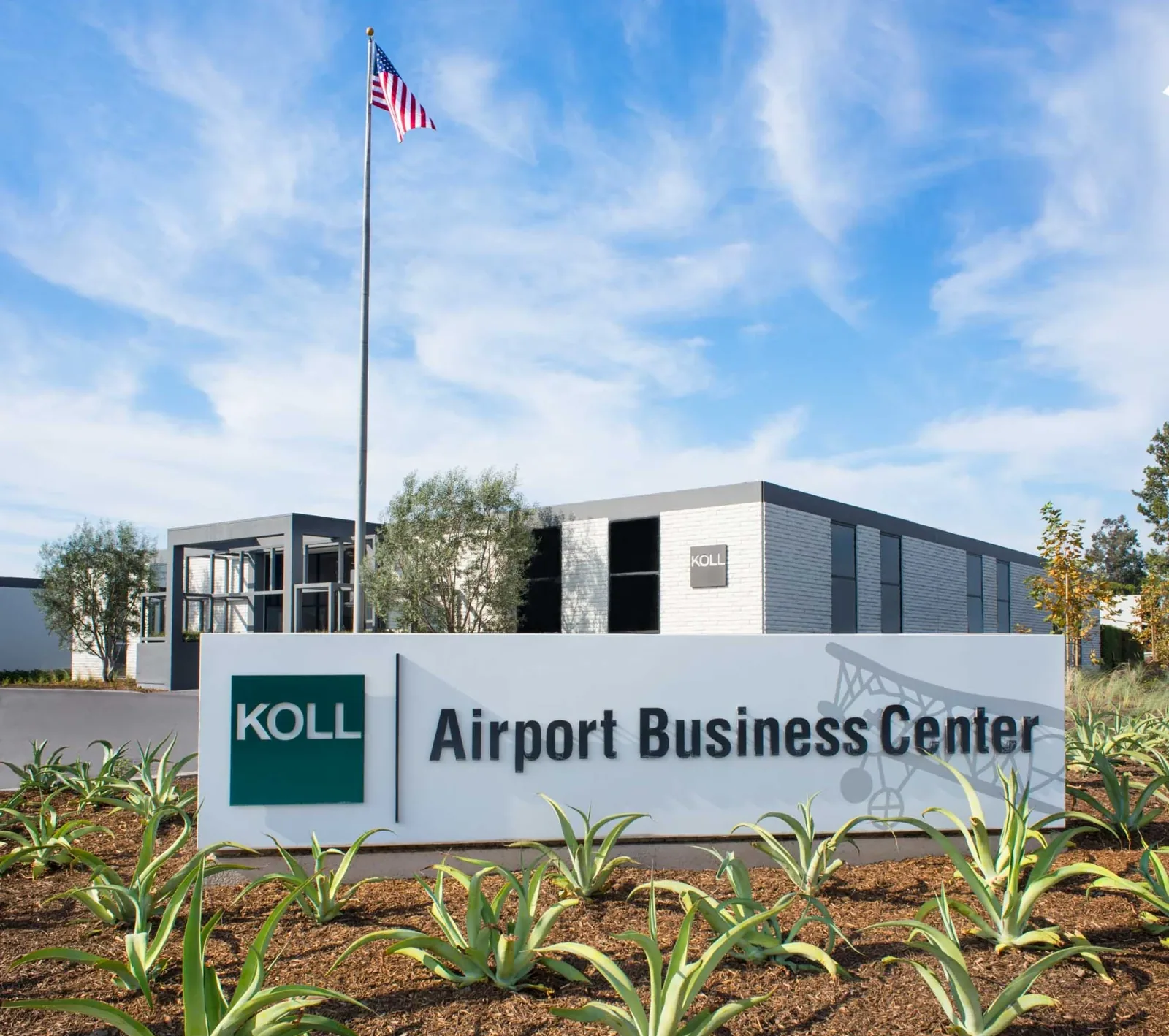
US 101 connects seven incorporated cities in Sonoma County and works as the main freight and commuter spine through Santa Rosa. The Airport Business Center, the North Bay's largest business park, mixes office, flex and light industrial buildings and trades on Highway 101 and airport access. In Rohnert Park the Expressway links Commerce Boulevard to US 101, and Fairfield, on Interstate 80 and Interstate 680, is home to Travis Air Force Base, which moves more cargo and passengers than any other U.S. military air terminal.
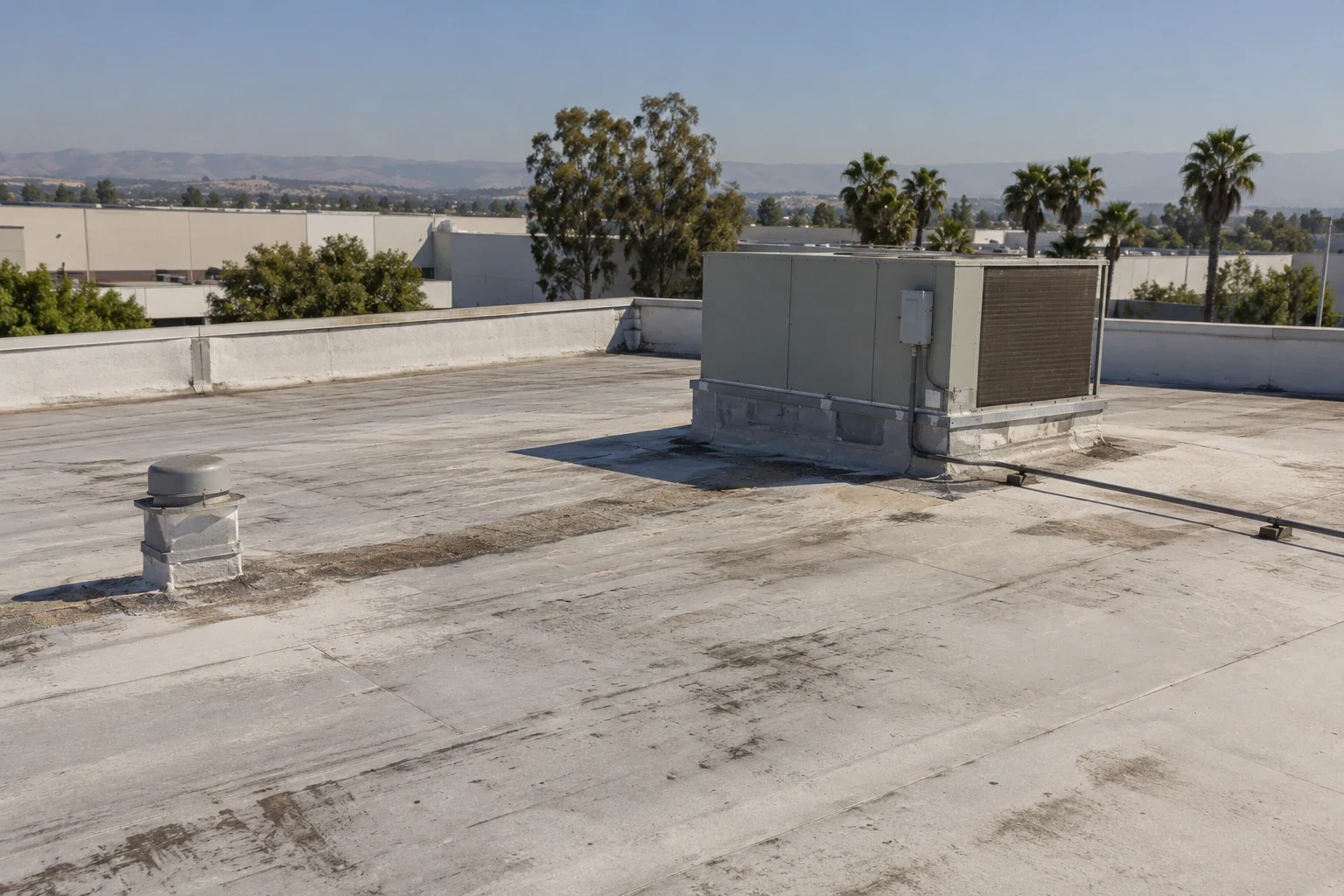
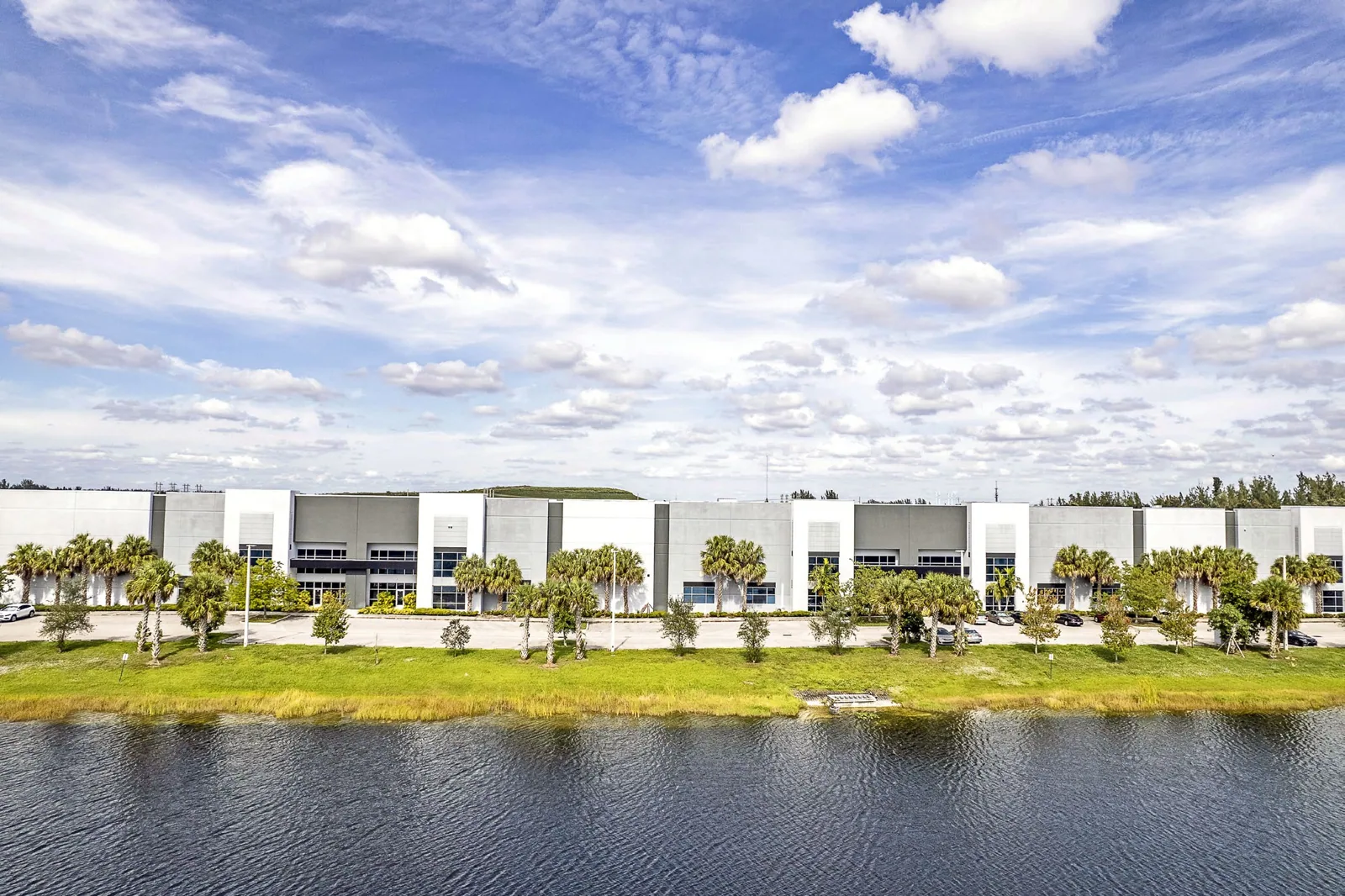
The buildings range from small cross-dock sheds to large distribution boxes, and they fail differently. A warehouse roof over bulk storage worries about ponding and wet insulation. A distribution center with heavy rooftop mechanical and many dock-side details worries about penetrations. Sort them before you budget them.
Racking turns small leaks into claims
In a distribution building the loss is rarely the roof. It is the pallet. A drip over a rack ruins a shipment, triggers a customer claim and opens an argument between tenant and landlord about who owes what. Water also travels. It runs along purlins, down sprinkler piping and into light fixtures, so the spot where it falls may sit well away from where it came in.
Wet insulation is the quiet version. It adds weight, loses its insulating value and shows up as a ceiling stain only after months of saturation. Start with ponding. Low spots and clogged roof drains and scuppers are a frequent cause of repeat leaks on big flat roofs, and we map low areas after rain and with a level instead of by eye. Clear drainage is the cheapest protection a 3PL can buy.
Penetrations multiply as tenants change
Heat in the racks, water at the drains
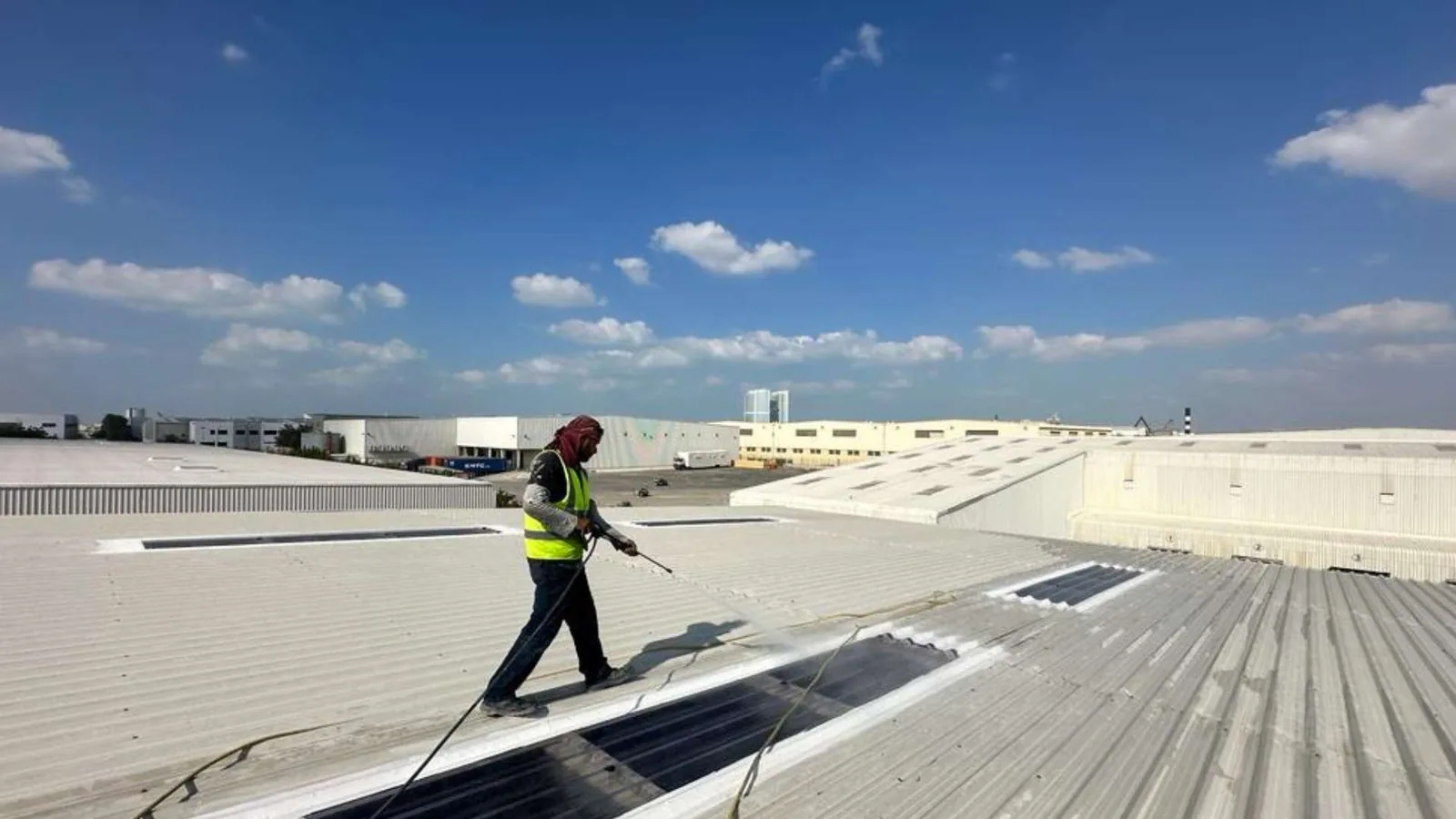
On September 6, 2022, Santa Rosa hit a record 115 degrees. Under a dark roof, unconditioned racking turns into an oven, and heat-sensitive goods take the hit first. White reflective surfaces and good ventilation help, and a cold storage tenant needs more than either. Heat also stresses seams and sealants, so a walk in late spring pays for itself.
Winter brings volume. A typical year delivers about 32 inches of rain, mostly between November and March, and the atmospheric river of November 2024 delivered close to 15 inches across a three-day stretch. Drains and overflow have to be clear by October. Eastern Novato floods repeatedly because it is low-lying former marshland, and a warehouse there needs its roof drainage and dock grading working together so water leaving the roof has somewhere to go.
Write the roof into the lease
Roof responsibility should be on paper before a leak turns it into a dispute. Spell out who inspects, who pays for routine maintenance, who pays when tenant equipment causes damage and how fast notice has to be given. Owners and investors who lease to logistics tenants gain the same clarity from it.
Then put the roof on a schedule: a walk and a drain cleaning twice a year, a check after any heavy rain and a roof log for each building. Keep an escalation contact list where the dock supervisor can find it. For a leak, protect product and equipment below it, record the affected roof zone, and coordinate a safe assessment and temporary protection plan. The recommendation is short: repair what is failing, document what is not, and replace only where the survey says the deck is wet.
Skip the full recover on a short lease
If a lease has two years left and the roof has years of dry service in it, do not replace it. Repair, clear the drains and document the condition. Skip coatings on a roof with wet insulation, skip cosmetic patching on a roof that ponds, and skip premium membranes on a building likely to be redeveloped. Spend where the savings are real: drains, curbs, edge metal and records.
If your building shares a fence line with a production tenant, the questions overlap with those facing manufacturers: exhaust, charging-area vents and the heat that gathers near docks. For operators spread along the Rohnert Park Expressway between Commerce Boulevard and US 101, the walk can cover several sites in one trip.
Commercial Roofing Questions
A customer's pallets got wet. How do we find where the water came in?
Trace the water backward from the wettest point, not forward from the stain. Check drains, the nearest curb or penetration and the seams upslope, since water often travels along decking and conduit before it drops. We photograph each suspect and use infrared and moisture readings to confirm the entry point, which gives you a repair and a written cause for the claim file.
Our operation runs overnight shifts. When does roof work happen?
Roofs are quiet at night for a different reason: crews cannot work safely in the dark or on damp surfaces. We schedule the loud, disruptive steps, such as tear-off and fastening, for your slowest daytime window, keep truck courts and dock doors clear and route material lifts away from trailers. Tell us your shipping peaks and we will plan the sequence around them.
Should we add solar before or after a roof replacement?
After, or at the same time. Panels sit on a roof for decades, so the membrane under them needs service life to match. When the membrane is close to retirement, replace it before the array goes up, or write the array removal and reset into the plan. Mounting hardware flashed over a weak membrane is a repair bill waiting for a rainy week.
What do we do when a big storm arrives during the holiday peak?
Keep an emergency plan at the dock office: our number, your building shutoff points, who may authorize temporary protection and where tarps and pumps can be staged. If a storm causes a leak during peak season, protect product below the affected area and document the damage before cleanup. Arrange roof access only when conditions are safe; afterward, photographs support the claim.
Is a roof replacement permitted the same way as a repair?
Scope drives it. Reroof permits requested after January 1, 2026 land in the 2025 California code cycle with its Energy Code, which can touch insulation and reflectance on a replacement or recover. The Sonoma County Reroofing Guidelines, a joint effort of county staff and the cities' building departments, also set out inspection steps, including a self-certification policy. Confirm your path with the building division before bidding.
Know which roofs protect the freight
Call Commercial Roofing Santa Rosa. We will walk your buildings and tell you plainly which roofs need work now, which can wait, and which need nothing.