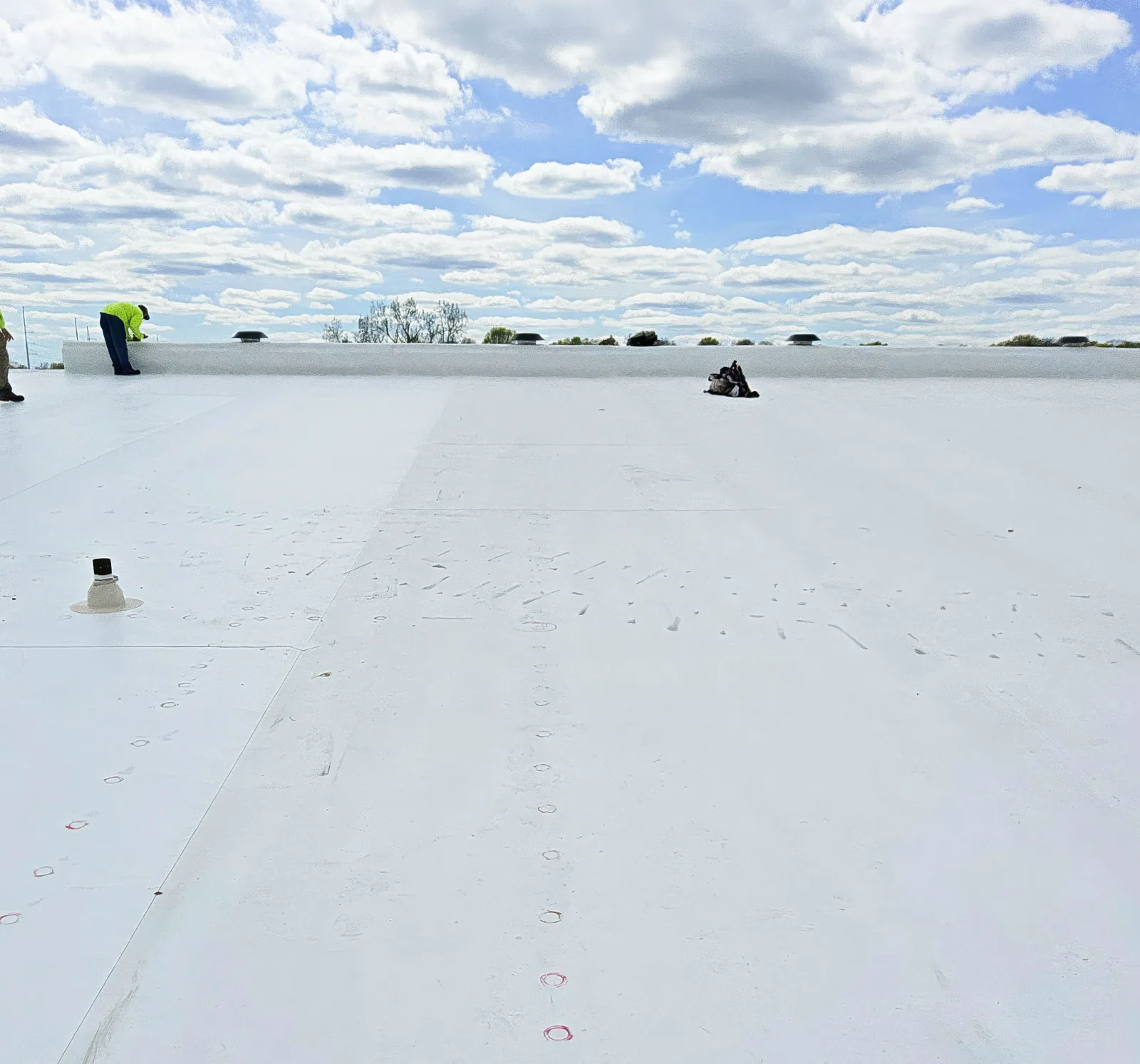
TPO Roofing
TPO roof installation, repair and recover for Santa Rosa, CA warehouses, flex buildings and retail pads, with honest advice on thickness, seams and heat.
TPO, PVC, EPDM, KEE, modified bitumen, built-up, metal, foam and coating systems for commercial roofs in Santa Rosa, CA, matched to heat, rain and embers.
Owners ask which roof system is best, and the right answer is that the question is backwards. A membrane is only good or bad against a specific building and a specific climate. Santa Rosa, CA hands a roof an odd combination: a record 115 degrees on September 6, 2022, nearly 15 inches of rain in about three days in November 2024, and wind-driven embers in October 2017. A system that shrugs off one of those can struggle with another.
So we start with the building, then pick the system. The choice usually lands somewhere between a white single-ply sheet, a layered asphalt roof, a metal panel and a liquid-applied coating, and each of those has a place and a job it is not worth doing.
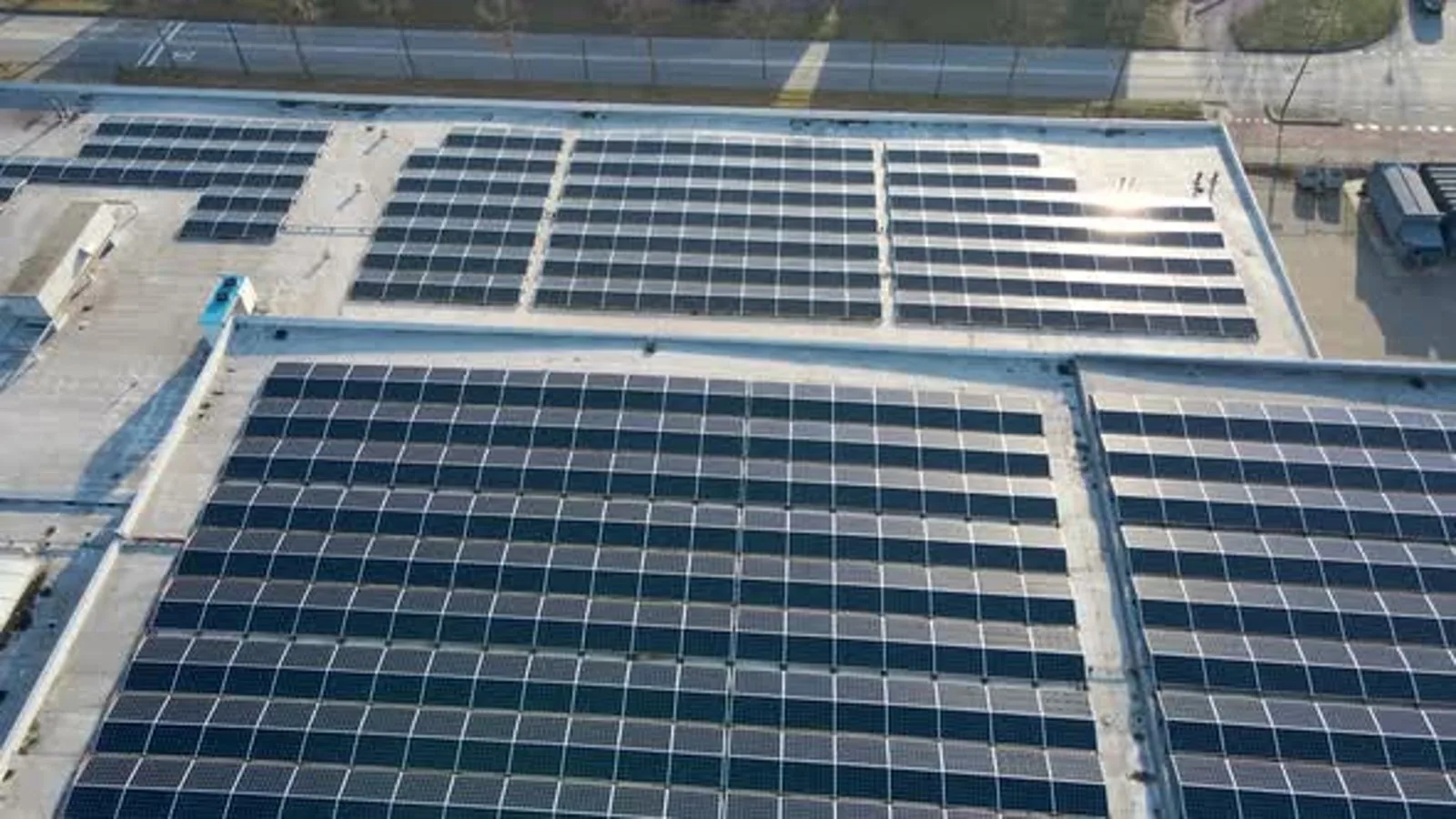
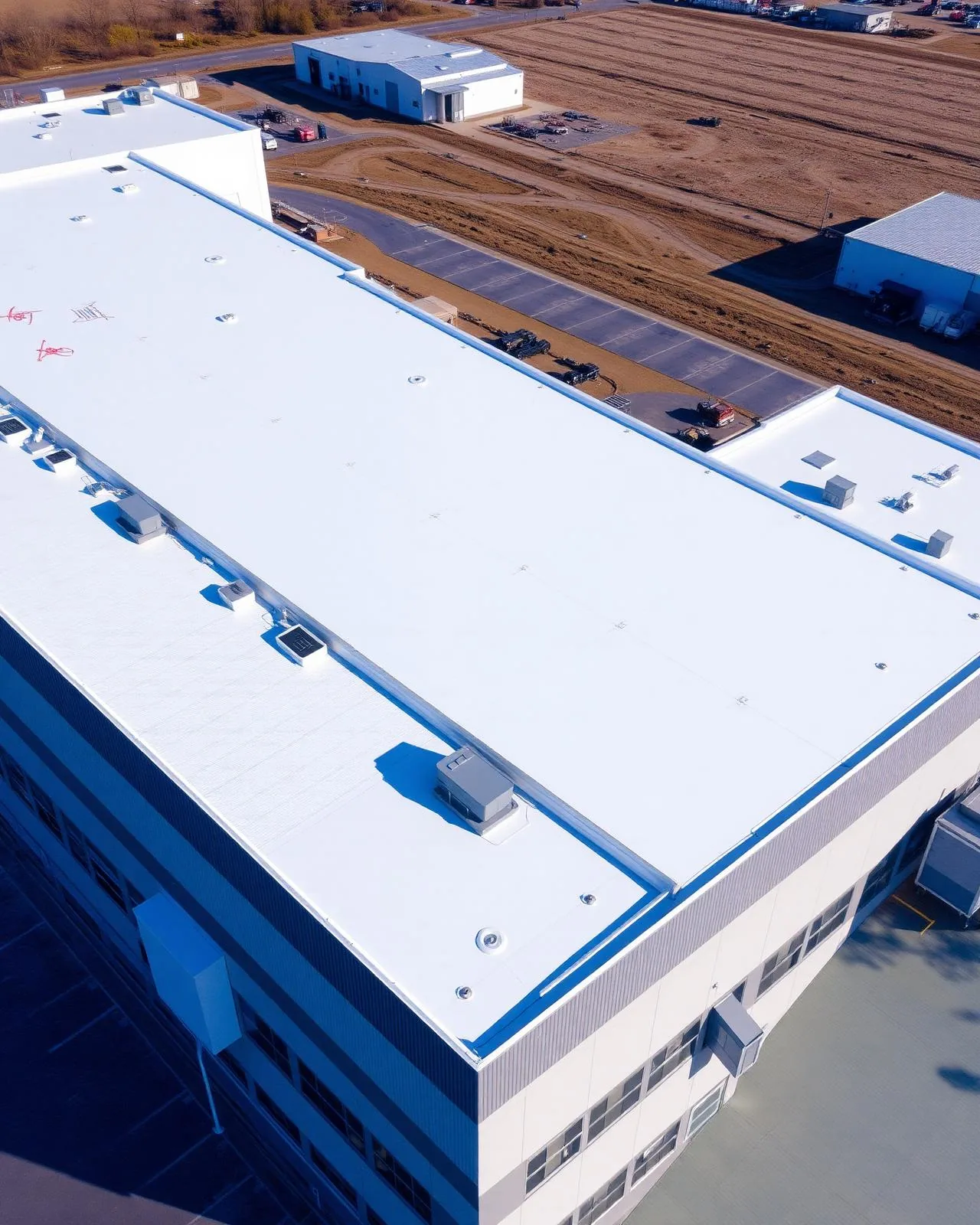
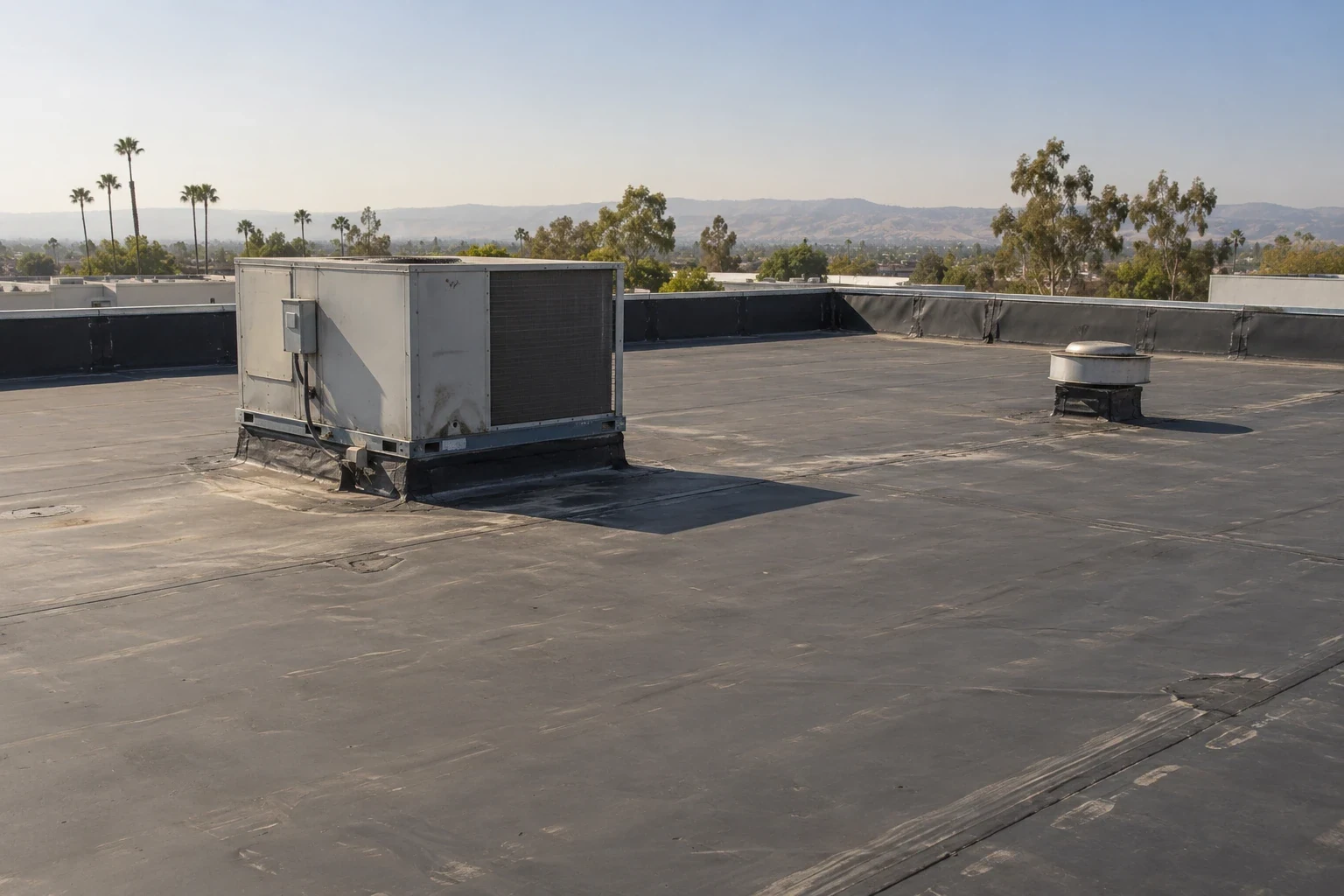
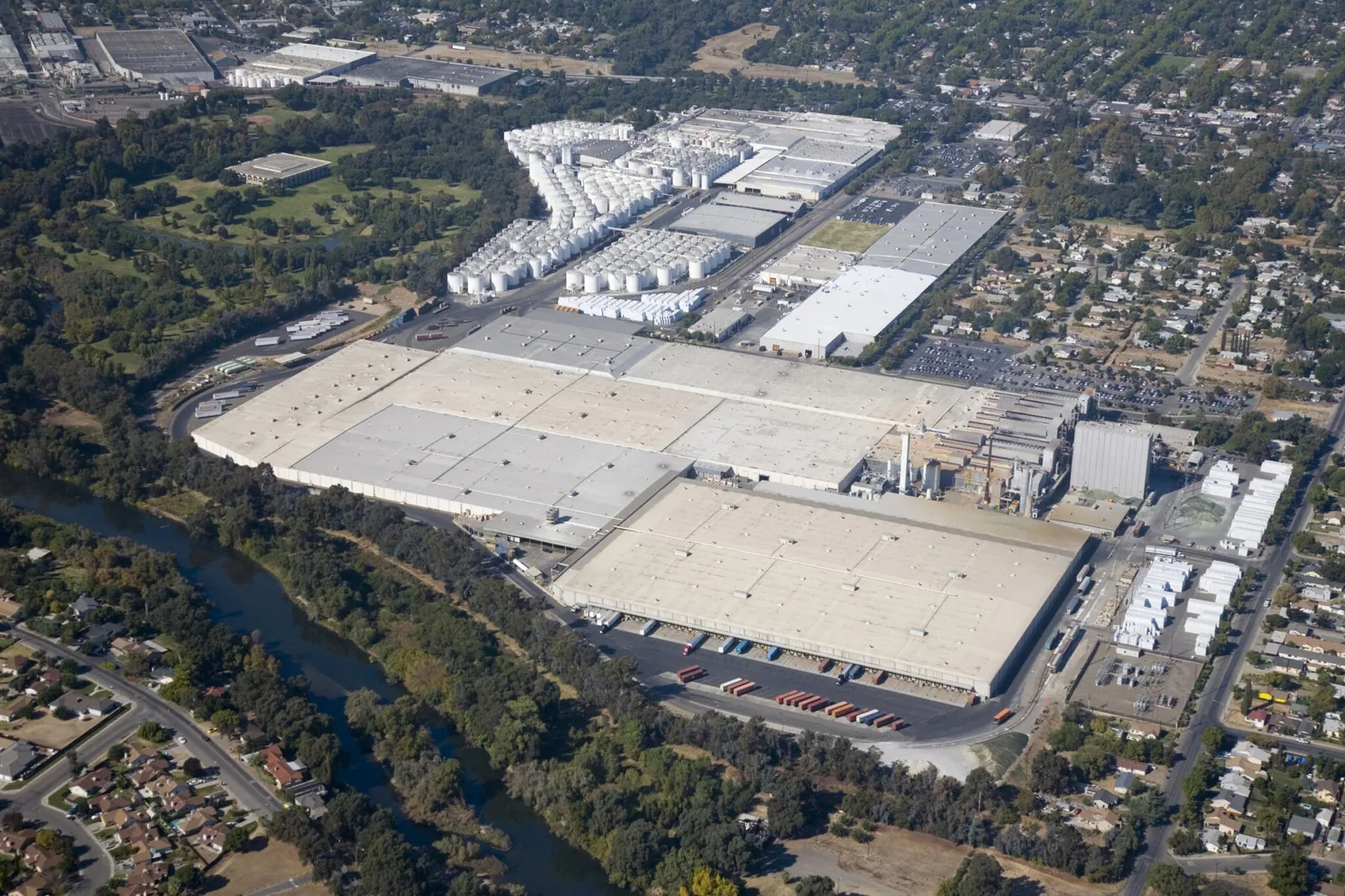
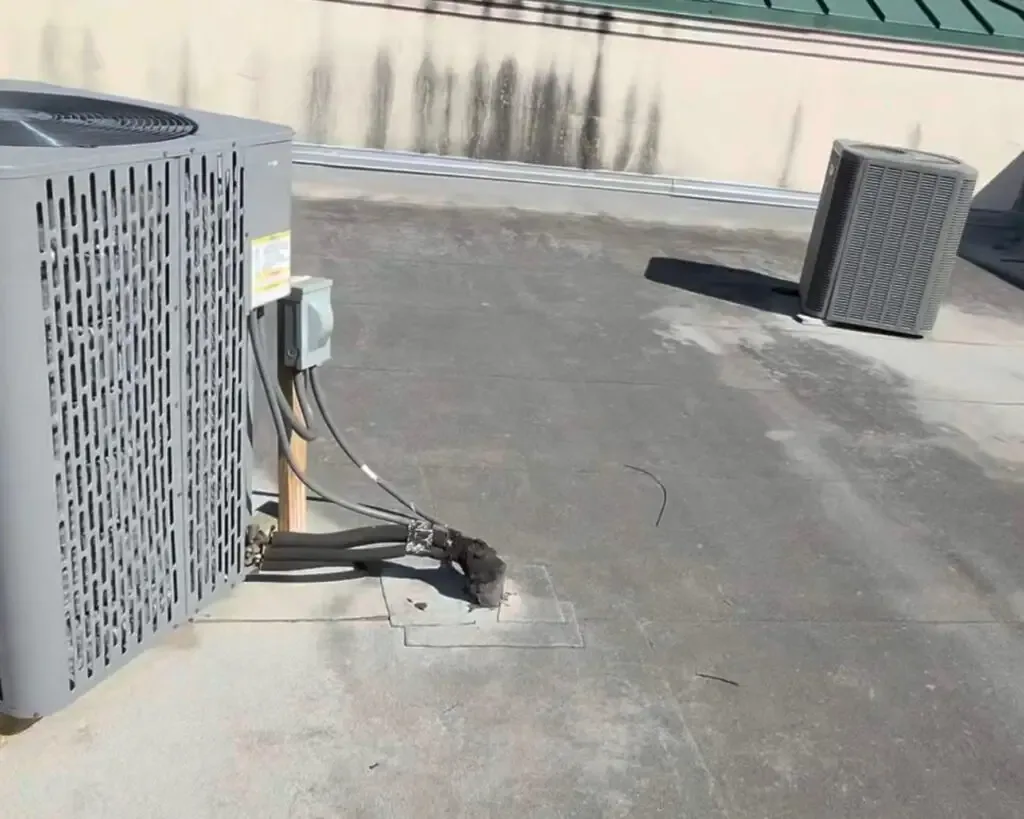
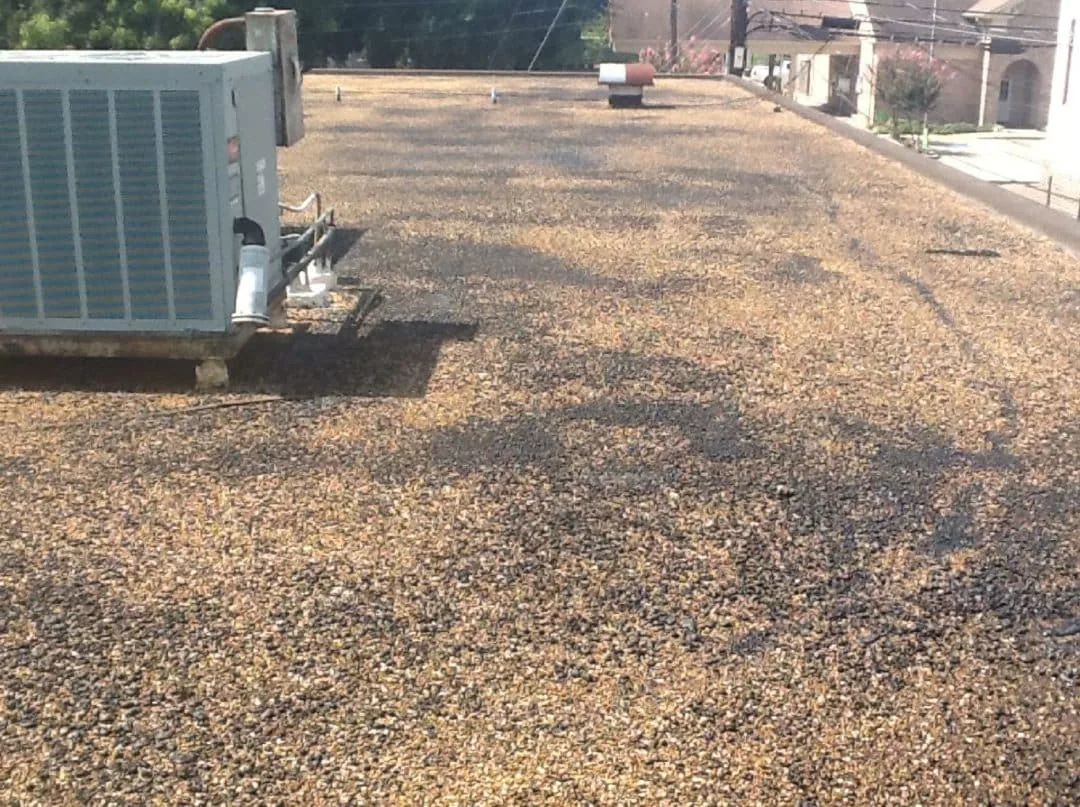
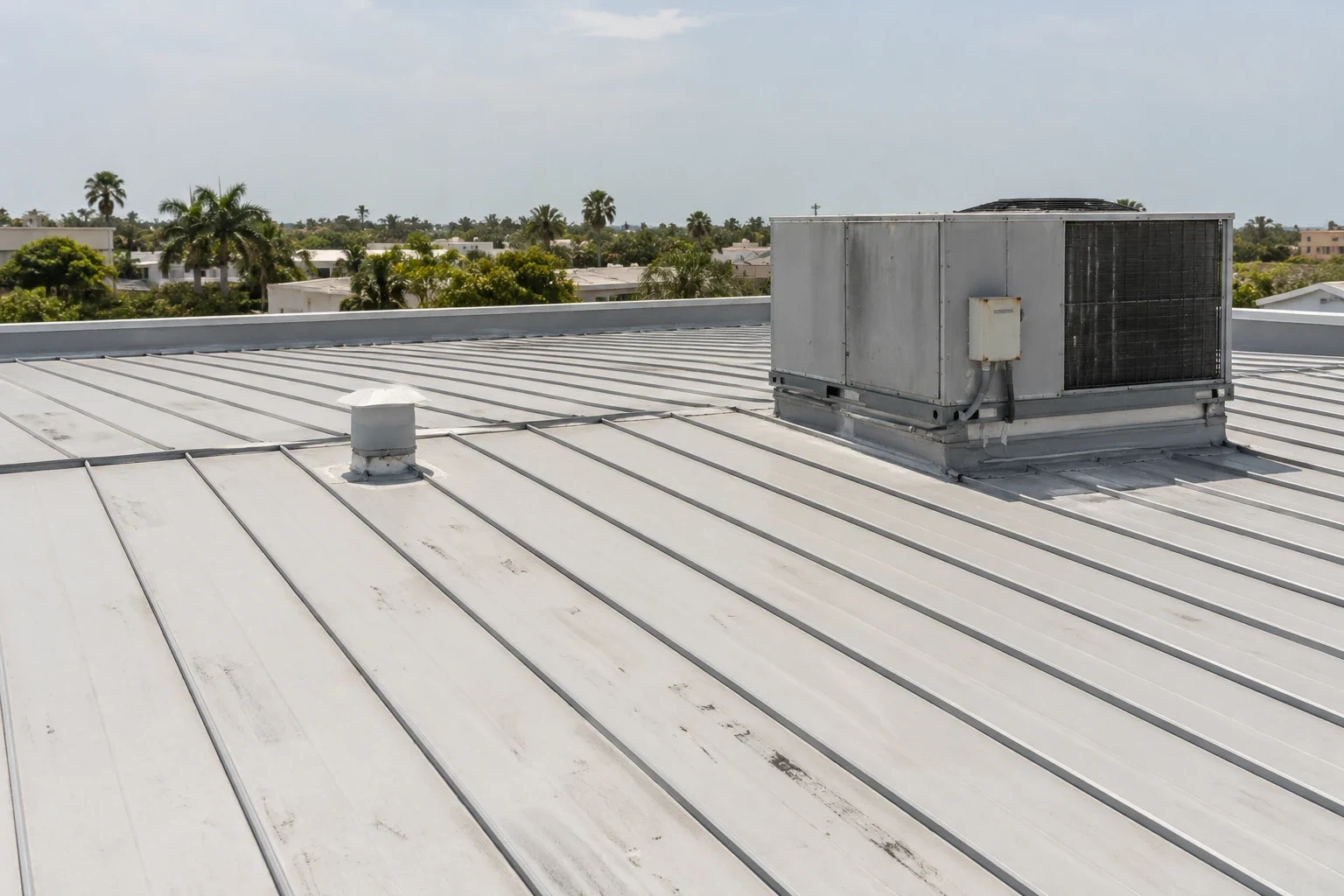
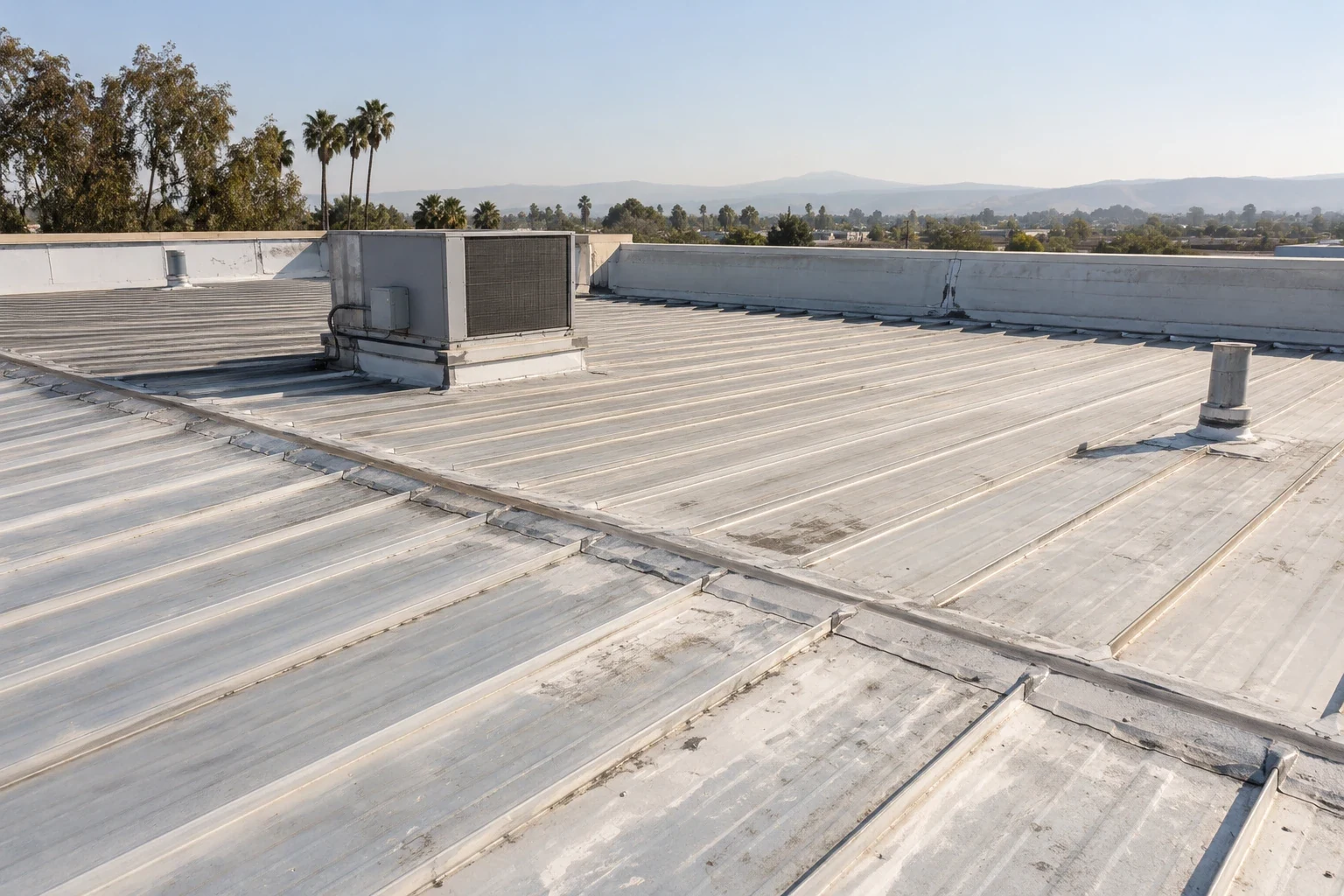
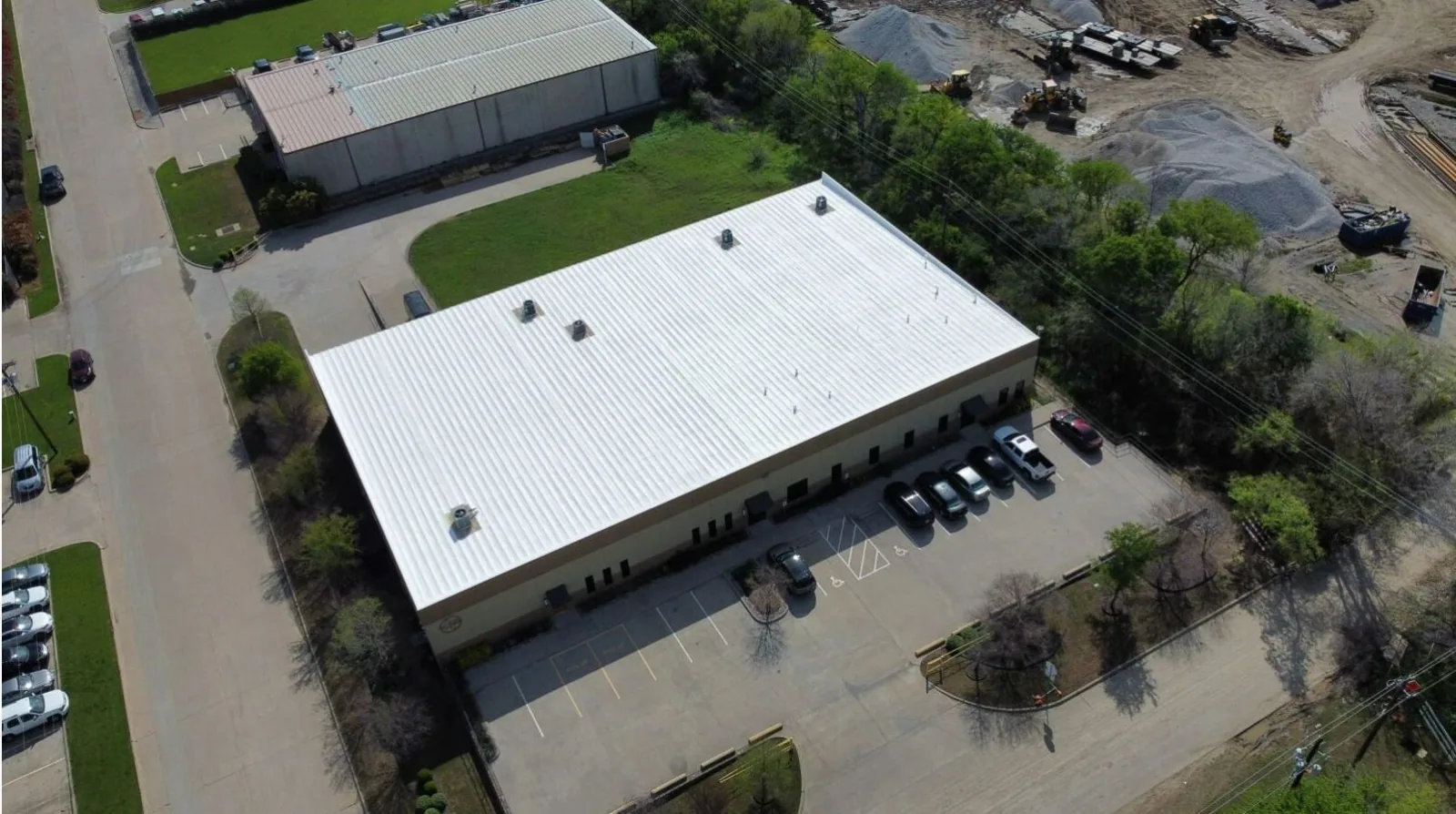
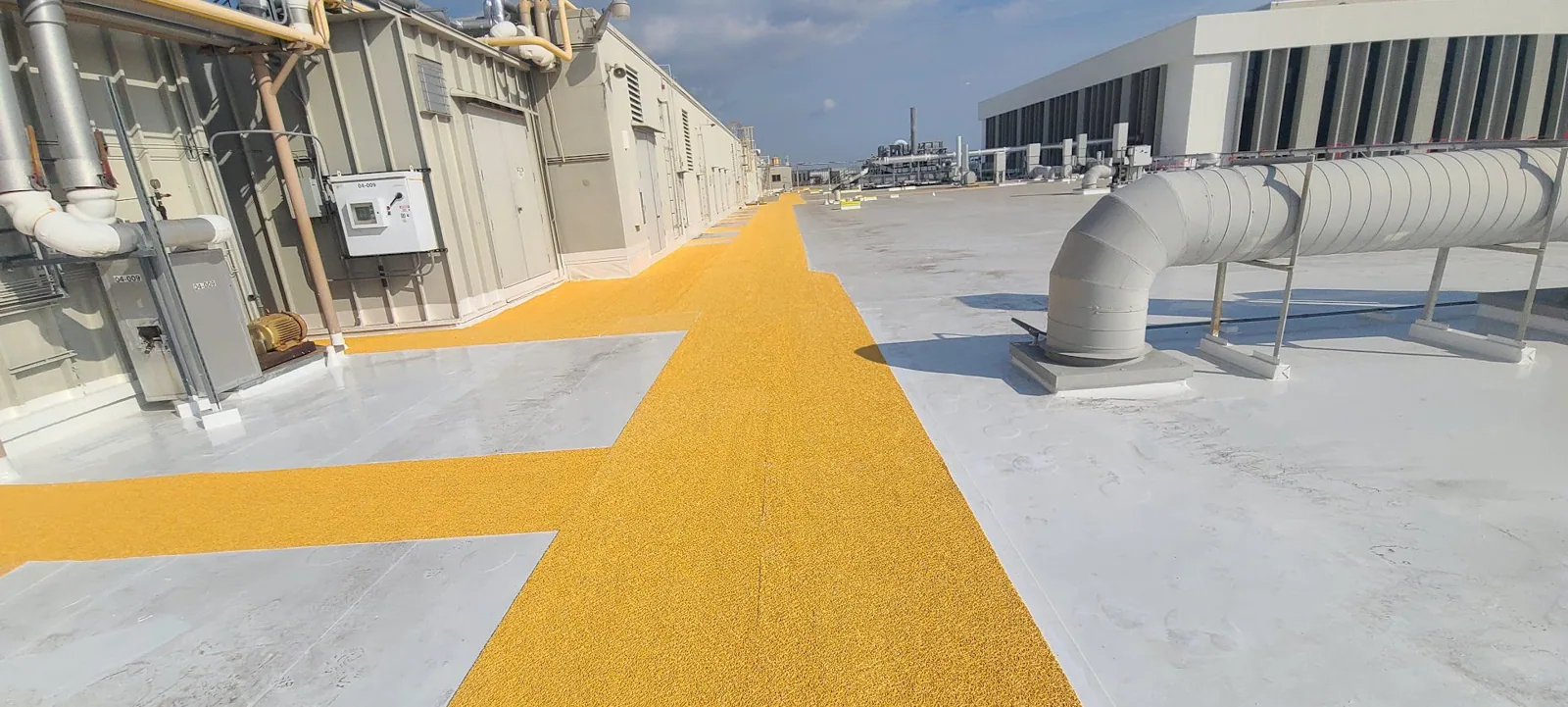
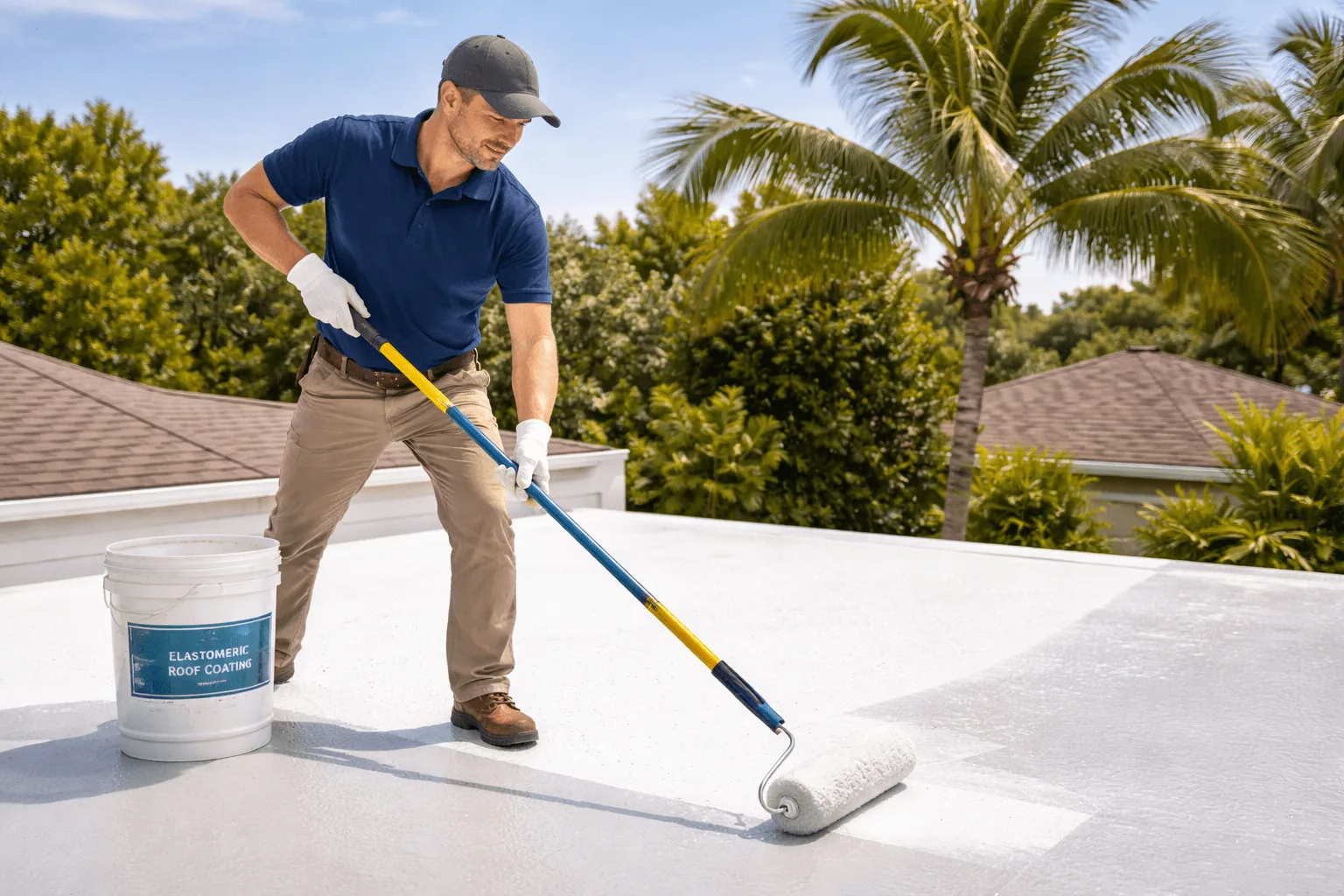
TPO roofing is the default flat roof for a reason: it is white, it welds at the seams and it keeps a store cooler in September. It is also the system most often chosen without a second thought. PVC roofing earns its higher price where kitchen exhaust, grease or chemical fumes reach the membrane, and KEE roofing goes further for the hardest cases. EPDM is black rubber, which sounds wrong for a town that touched 115 degrees, yet it can be the right sheet on a wide, ventilated roof with few penetrations.
The oldest roofs on the list handle fire better than most newer ones. Modified bitumen and built-up roofing carry mineral surfacing that sheds falling embers, which matters in a county where the fire-zone map is being redrawn after the Tubbs, Nuns, Glass and Kincade fires. The city's Wildland-Urban Interface zone is growing by 3,082 parcels, with 811 coming out. Near that line, a roof's fire rating belongs in the first conversation, not the last. The tradeoff is weight, plus an installation method (torch, hot asphalt or adhesive) that needs fire-watch planning around an occupied building.
Sonoma County has more than 350 wineries, and wherever a production or barrel building carries a metal roof, standing seam metal sheds water fast and lasts, while a metal roof retrofit often fixes a leaking panel roof with fasteners, sealant and a coating instead of a crane. Spray foam and acrylic have their niches. Silicone roof coatings are the specialist for ponding, because silicone shrugs off standing water that would soften an acrylic. A coating over a soaked roof is still not worth it, and our coating and restoration work begins by finding out what is wet.
Heat ages every membrane, and Healdsburg reached 117 degrees the same day Santa Rosa hit its record. Fastener backout, seam shrinkage and blistered coatings follow that kind of stress, which is why heat and UV damage is repaired differently from a storm loss. On a mall roof like the ones around North Station Area, the better move can be a drainage fix plus a coating rather than a new sheet.
For most low-slope warehouse roofs with few penetrations, yes, and the reason is simple: a reflective sheet with welded seams is hard to beat on cost and cooling. It stops being the right answer where grease, chemicals or constant foot traffic will attack it. Check what is leaving the building through the roof before picking the sheet.
It changes the shortlist. Near the expanding Wildland-Urban Interface line, mineral-surfaced layered roofs and metal sit higher than exposed foam or some thin coatings. Ask for the fire rating of the complete assembly, not just the top sheet.
It helps with surface heat, but insulation, shade, ventilation and the roof assembly decide the result.
Start with the installed sheet, seams, insulation and drainage. A brand name cannot rescue wet materials or poor details.
Call and tell us the building. After we look, we will tell you whether the roof needs a new system, a coating or nothing at all.