Medical Office and Clinic Roofing in Santa Rosa, CA
Property Types We Roof
Clinics do not dread leaks as much as they dread fumes. A drip over an exam room is an inconvenience you can plan for. The smell of hot asphalt drawn through a fresh-air intake into a waiting room is a different kind of problem, and it makes patients walk out. The roof job that goes wrong at a medical office usually goes wrong at the air intake.
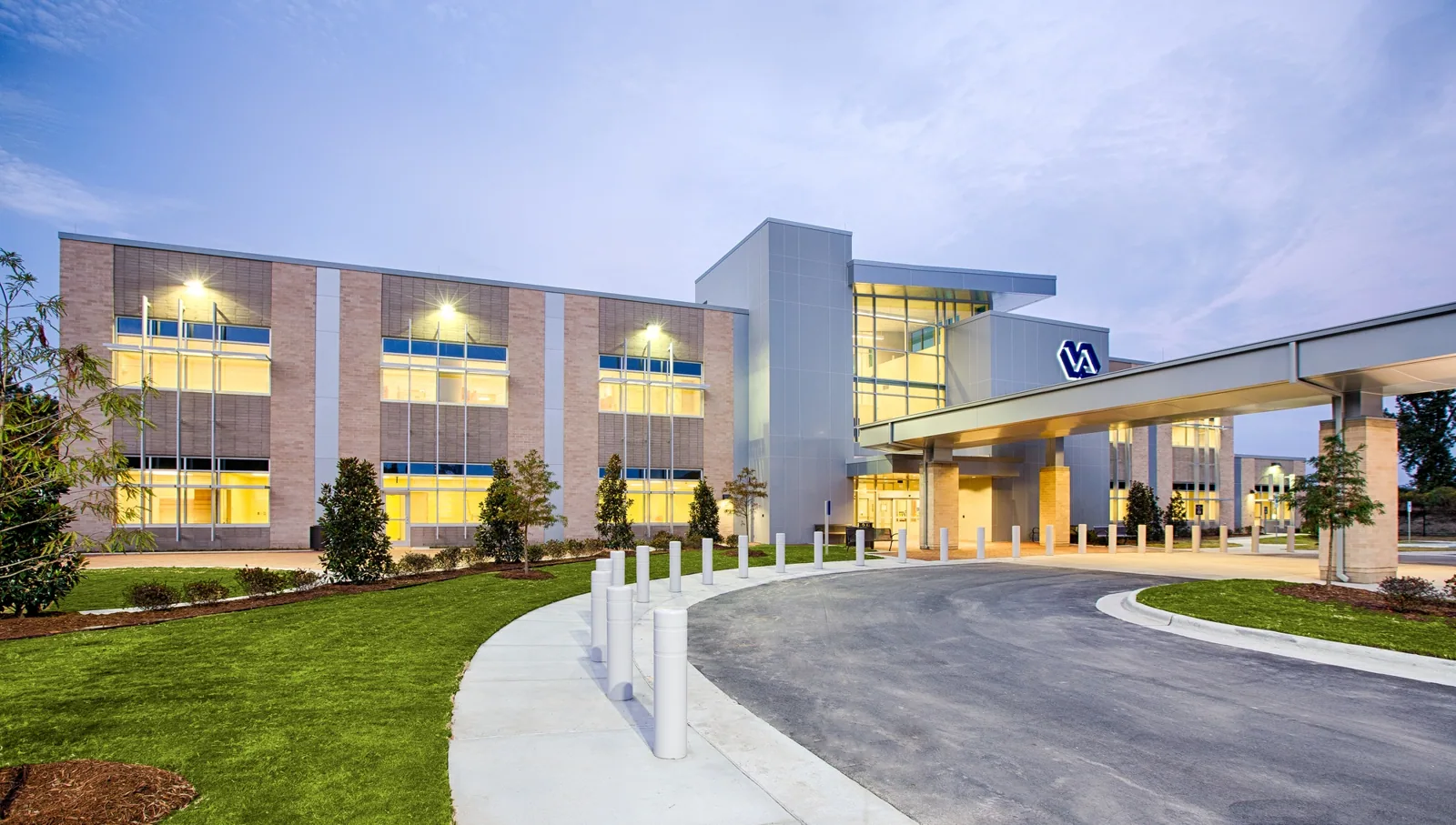
That shapes how we work on clinics and medical office buildings in Santa Rosa, CA. Health care carries a lot of weight in this market. Kaiser Permanente and St. Joseph Health System are among the largest employers in the city, and the Santa Rosa VA South Clinic opened in August 2022. These are occupied, scheduled, quiet buildings where the roof has to behave exactly like the rest of the building: predictable, clean and out of the way.
Serving Santa Rosa • Rohnert Park • Petaluma • Windsor • Healdsburg • Sebastopol • Napa
Patients smell the roof first
Roofing releases odor, and the building breathes it in. Hot-applied asphalt, solvent-based adhesives and some coatings all produce fumes that travel across a roof and into a fresh-air intake. In a medical office, that reaches a lobby, a procedure room or a patient with a respiratory condition before anyone has time to react.
So the system we choose and the way we apply it are both patient decisions. Cold-applied adhesives, mechanically attached sheets and low-odor products come ahead of torches and kettles. We map every intake, exhaust and operable window before the first day. Where we cannot avoid a smelly step, we schedule it for a closed day and cover or temporarily shift the intake. Recommendation: no medical roof should be bid before someone has walked the intakes.
Leaks close exam rooms
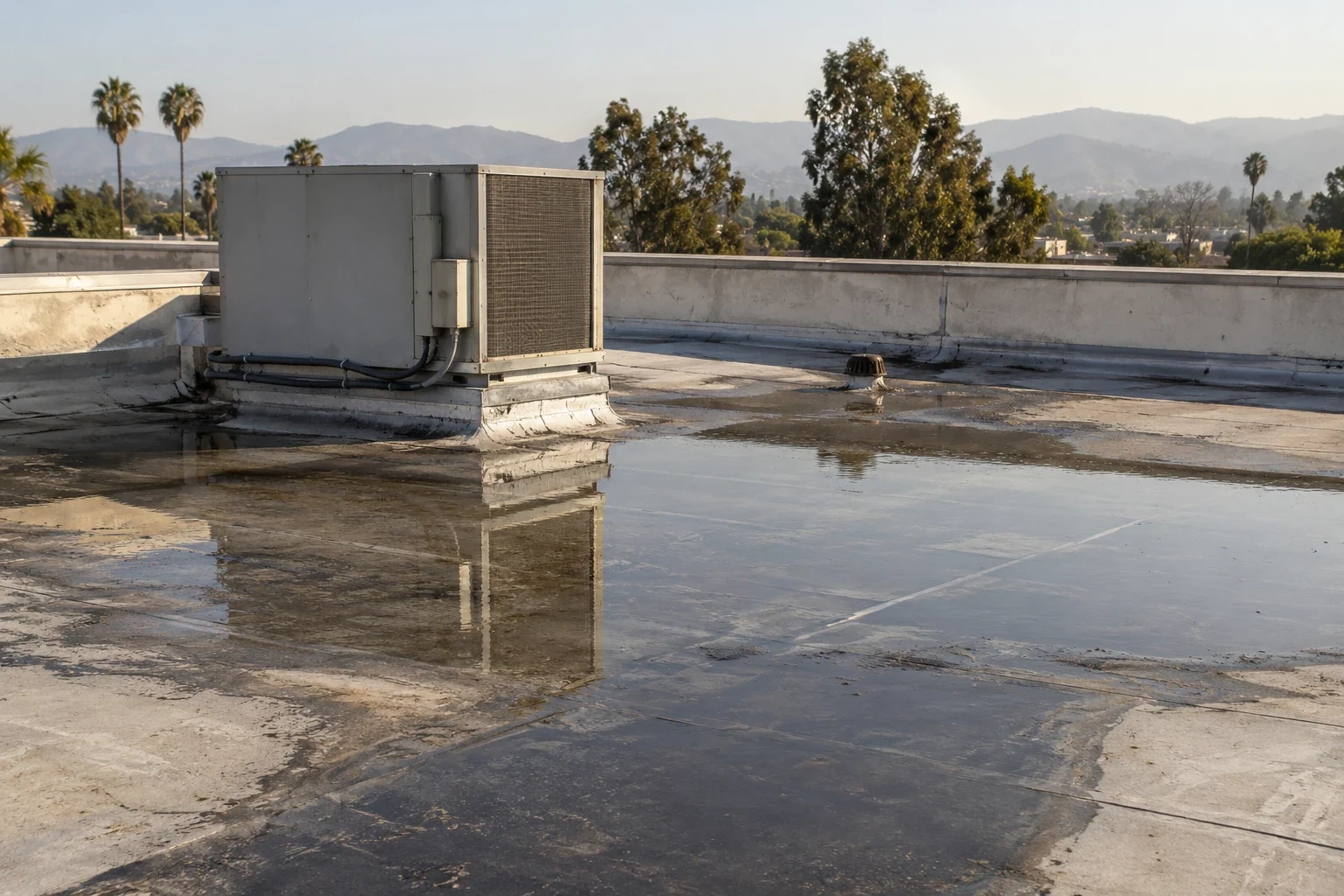
A wet ceiling in a clinic costs more than the repair. An exam room with a damaged ceiling comes out of service, and so does the room next to it if moisture is moving. Sterile supplies, records and diagnostic equipment sit within reach of a leak, and a persistent damp patch behind a ceiling tile is the sort of thing that becomes a mold problem if it lingers.
In November 2024 an atmospheric river soaked Santa Rosa with almost 15 inches in three days. A medical office roof with slow drains or loose flashing is exactly what a storm like that exposes. The visible stain is only part of the story, because wet insulation spreads sideways. We trace the entry point, check the insulation around it and report on the full wet area, not just the spot that dripped.
Smoke, ash and heat reach the air handlers
Plan the job with the practice manager
The best medical roof project is the one the front desk barely notices. We work with the practice manager or facilities lead on a schedule that separates quiet steps from loud ones. Imaging suites and procedure rooms get the most careful treatment because vibration and noise affect them directly. Tear-off over those areas happens when they are closed, or the equipment is moved first.
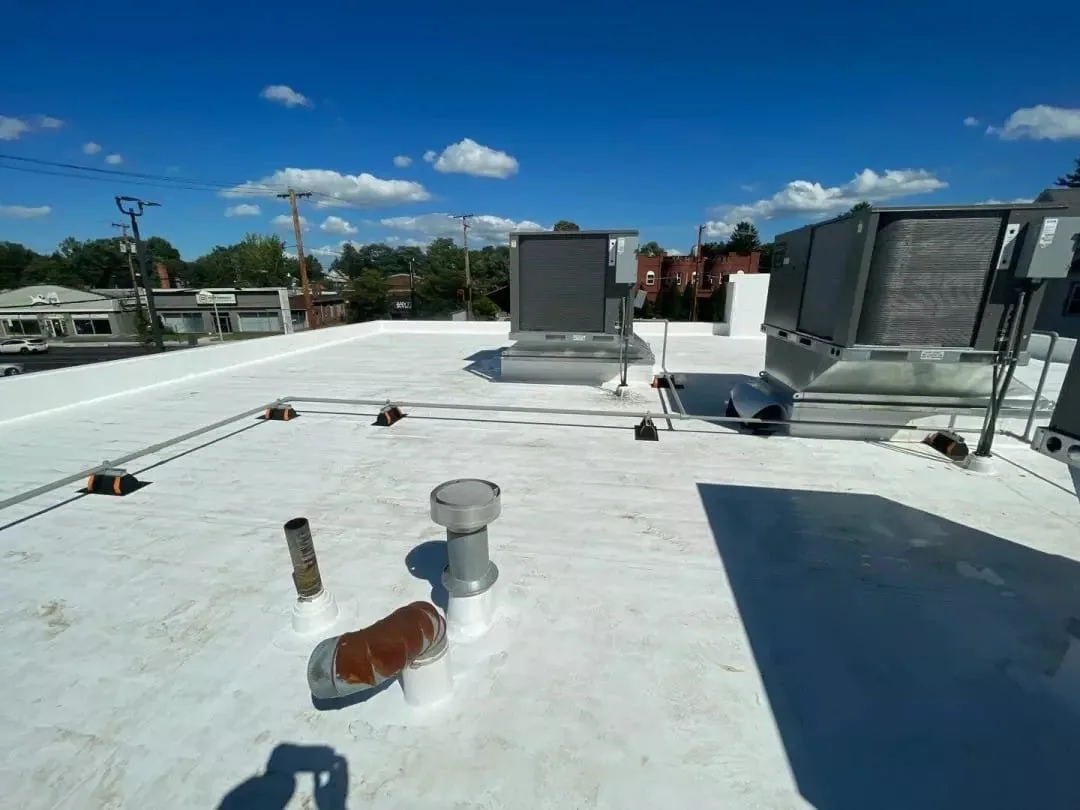
Small clinics often have compact roofs crowded with exhausts, plumbing vents and packaged equipment. We map those penetrations, check the drain path between them, and confirm which rooms sit beneath the work area. That lets the practice manager schedule a short interior protection window instead of reacting to dust or odor after the crew starts.
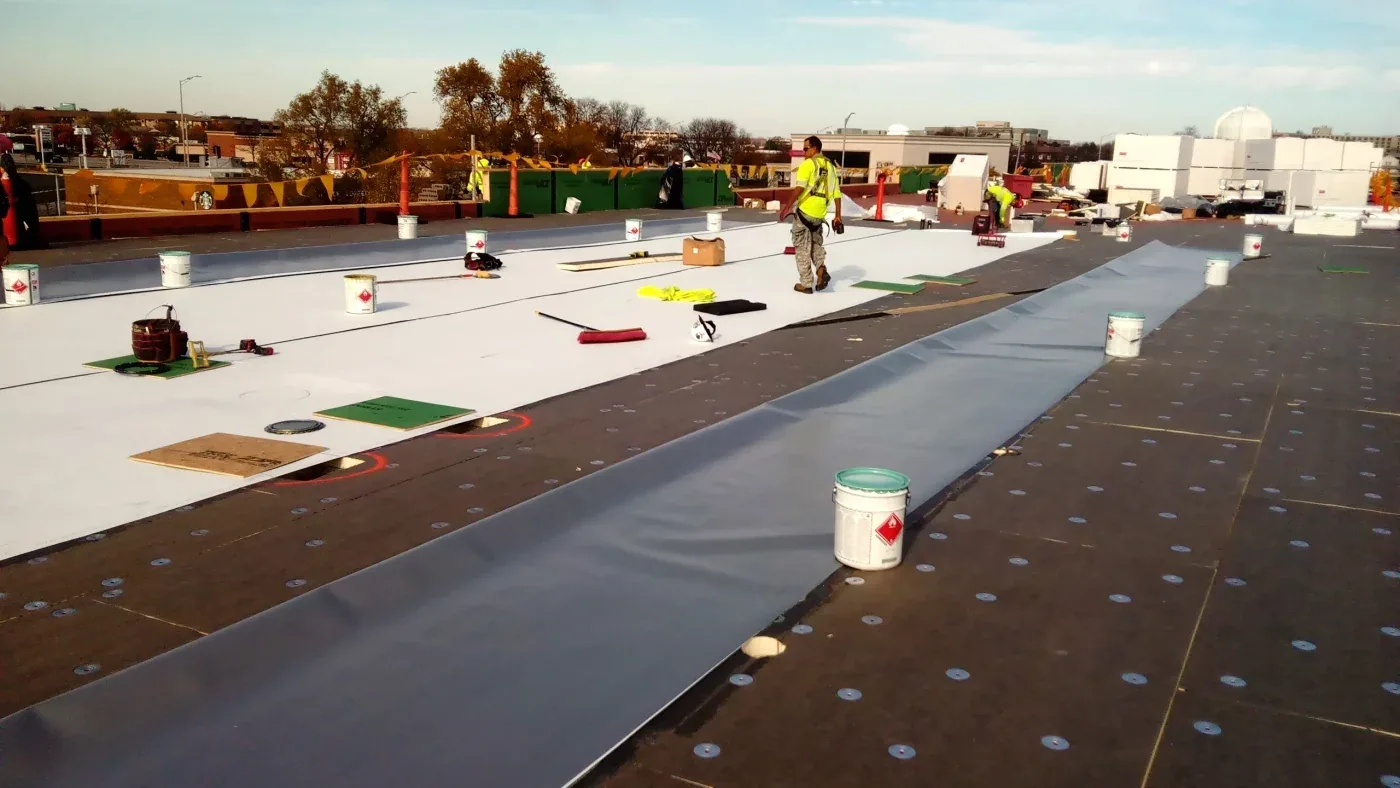
Debris is bagged or lowered by chute, not dropped, and the staging area stays away from patient entrances and parking. Overnight, every section is dried in. If the roof is dry and flat, a roof recover can shorten the disruption by skipping tear-off. If the insulation is wet, it comes out, and we explain why before the work begins.
Skip replacing a roof that only needs care
A newer outpatient building, such as the VA South Clinic on Challenger Way, should be in the maintenance phase, not the replacement phase. It needs drains kept clear and details inspected so any warranty stays intact. Replacing a roof early is the most expensive way to spend capital on a medical building, and it brings the odor and disruption with it.
The right spend is information: a written condition report with photos, a moisture scan when something looks off, and a maintenance schedule that fits the practice. Owners with several buildings, or healthcare systems managing clinics across the county, can use the same reports to rank which roofs go first. A medical office suite in an office building has the same drainage questions, and a larger hospital campus adds life-safety and continuity rules on top of them. Clinics near Petaluma Valley Hospital in Petaluma, or north in Healdsburg where July highs sit near 89 degrees, face the same intake and scheduling questions.
Commercial Roofing Questions
Can you reroof our clinic while we keep seeing patients?
Often, yes. The key is which steps happen on which days. Loud and smelly steps go on days the clinic is closed, or over areas with no patients beneath. The rest runs during open hours with intake protection, quiet tools and a clear path for patients and staff. We work out the sequence with your practice manager before the first delivery.
What do you do about roofing odors reaching our waiting room?
Plan it out of the building. We choose low-odor and cold-applied products where we can, locate every fresh-air intake before work begins, and cover or shift intakes during any step that produces fumes. If the smell is unavoidable, we move that step to a closed day. Odors become a problem when nobody mapped the intakes first.
Will roof work disturb imaging equipment or sensitive procedures?
It can, which is why we ask early. Vibration and noise from tear-off and fastening travel through the structure. Tell us where the MRI, X-ray, lab analyzers or surgical rooms sit, and we will schedule the heaviest work away from them or when they are not in use. Equipment makers publish their own limits, so we also ask your biomedical team.
How should a clinic respond to a roof leak over an exam room?
Close the room, protect records and supplies, and call. Request an assessment, protect records and supplies below the leak, and coordinate temporary water control with the building contact before tracing the entry point. Stained ceiling tile should come out, and damp insulation above it should be checked, since moisture left in place can lead to mold. A permanent repair follows once we know how far the water spread.
Does a new clinic building need roof maintenance during the warranty?
Yes, and it protects the warranty, which commonly expects drains cleared and issues reported. A roof inspection after the first wet season, then twice a year, catches small flashing and drainage problems while they are still cheap. We document each visit with photos, so if a claim comes up, you have the record.
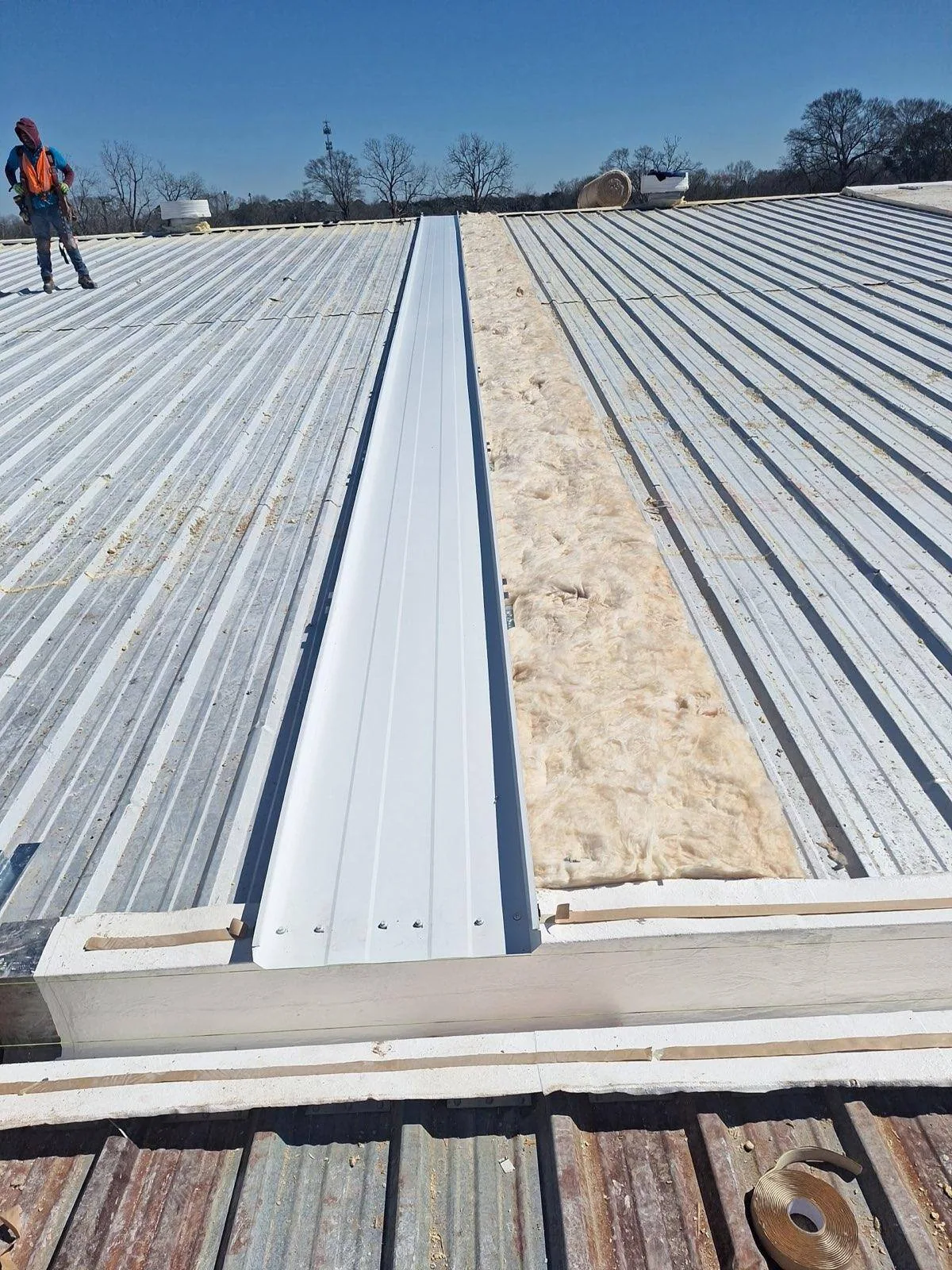
Keep the practice open and the roof quiet
Call Commercial Roofing Santa Rosa. We will walk the roof and the intakes, then tell you plainly whether the building needs work now, later or not at all.