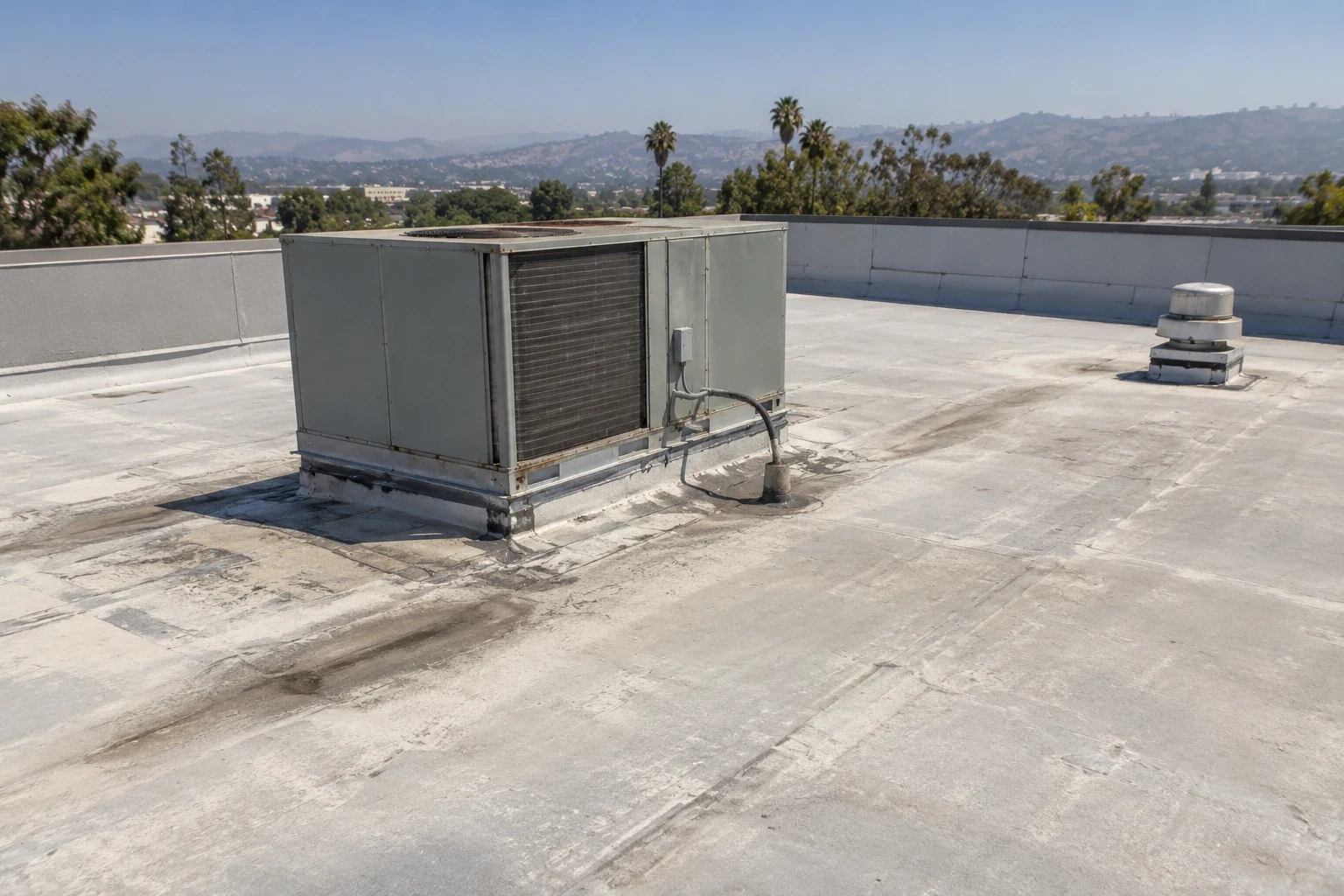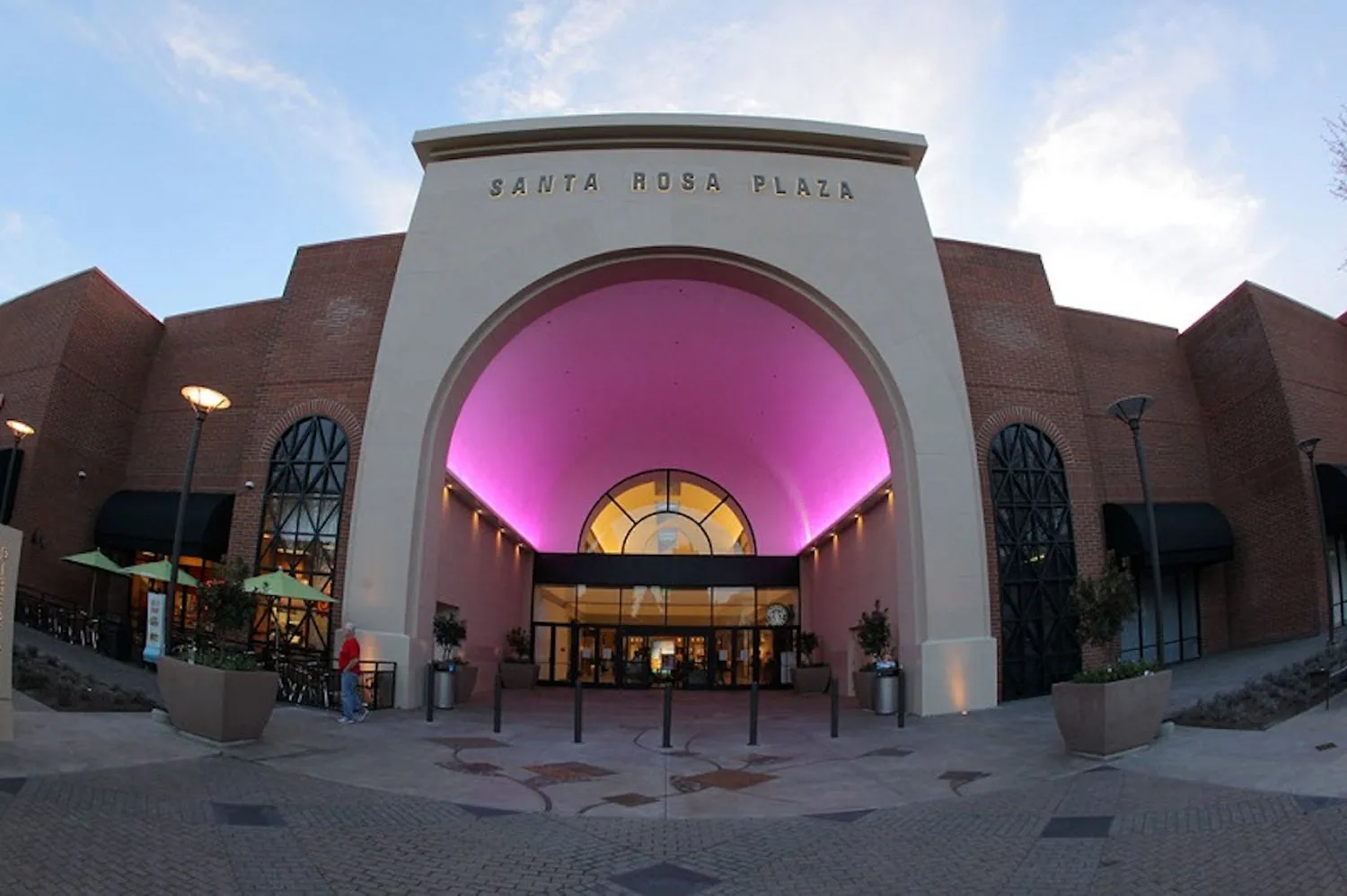
Hospital and Healthcare Campus Roofing in Santa Rosa, CA
Property Types We Roof
You cannot send a hospital home for the weekend. Every other building type can shift its hours, empty a wing or close a lobby while a roof is replaced. A hospital keeps running through the whole job, which makes the roof project less a construction problem than an operations problem with a membrane attached.
In Santa Rosa, CA, that matters because health care is a pillar of the local economy. Kaiser Permanente employs about 3,371 people in the city and St. Joseph Health System about 2,409, and the region has recently been through an atmospheric river that dropped nearly 15 inches in three days, a record heat day and a run of wildfire seasons. We approach these campuses the way a facilities director would: protect patients first, then document everything, then build the roof.

Serving Santa Rosa • Rohnert Park • Petaluma • Windsor • Healdsburg • Sebastopol • Napa
A hospital is never one roof
Campuses grow in pieces. A tower goes up, a wing follows, a mechanical penthouse gets added and a connector bridges two buildings of different ages. Each piece has its own roof, its own system and its own condition. Treating the campus as a single roof is how owners end up replacing sound sections and ignoring failing ones.
The first job is a survey that treats each section as its own asset: age, system type, drainage, penetrations, moisture, and what sits below it. Surgical suites, patient rooms and pharmacy storage rank higher than a corridor or an equipment room. That ranking is the backbone of a long-term plan, which is what roof asset management produces for a campus. Recommendation: rank roofs by what is underneath them, not just by how old they are.
Moisture is an infection-control issue
A roof leak on a hospital campus is a clinical risk. Wet ceiling tile and damp insulation can grow mold, and dust released when a ceiling is opened can drift into patient areas. That is why hospitals run infection-control risk assessments before construction, and why a roofer needs to understand them.
Hidden moisture matters as much as the visible drip. Water that enters at a penthouse curb or a roof drain can travel through insulation and show up two rooms away. We map the wet area, protect the spaces below, and keep the work zone sealed so dust and spores do not go where they should not. Verdict: a hospital roof with unexplained stains or odors gets a moisture survey first, before anyone reaches for caulk. We plan the paperwork and the sequencing early, before anyone opens a ceiling.
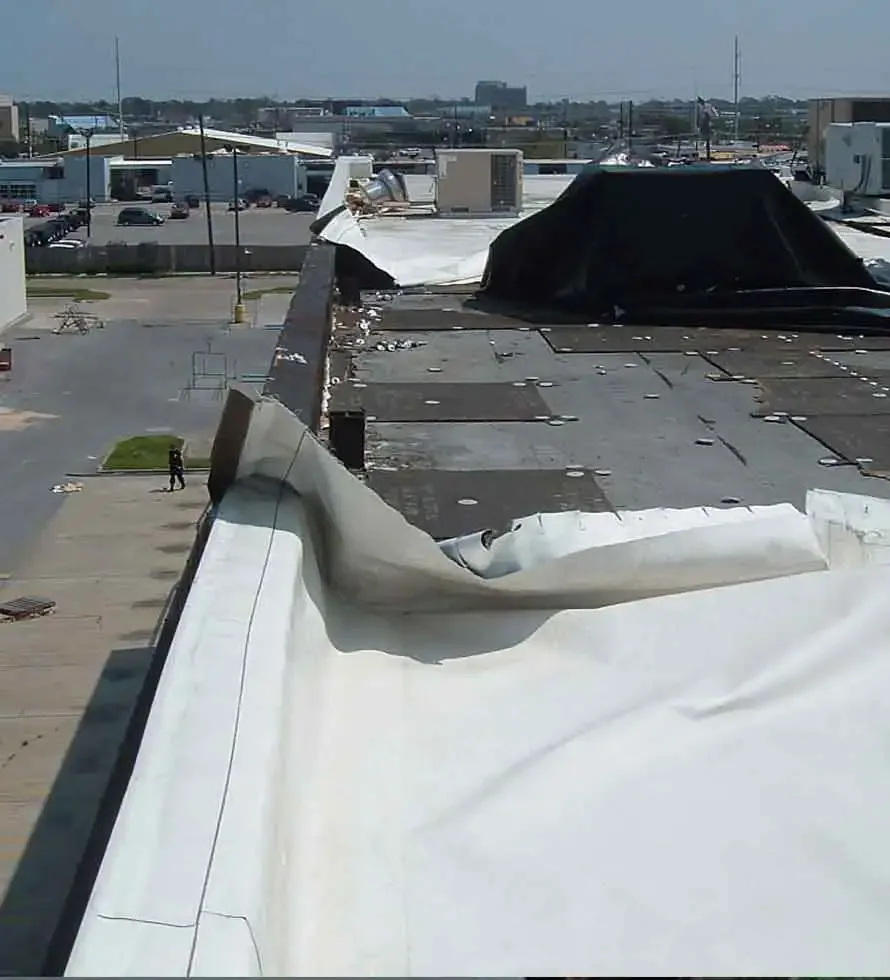
Storms, smoke and shutoffs test the campus
Phase it, isolate it, document it
The sequence is the safeguard. We work in small zones, with dust barriers and negative air where the risk assessment calls for it, sealed access routes and no open roof at the end of a shift. Hot work stays out of the plan wherever a cold-applied or mechanically attached system will do the job. Material lifts avoid patient entrances, ambulance bays and fresh-air intakes.
Emergency repairs follow the same rules at speed. When water is coming through, temporary water control is the first priority once roof access is safe. The permanent fix is scheduled with the facilities and infection-control teams. For a full roof replacement, the document trail matters: photos, moisture readings and daily logs that give the facilities office a record they can hold up later.
Skip the all-at-once replacement
Do not replace every roof on a campus in one season. The cost, the disruption and the risk to patient areas all stack up, and the older wings are rarely the ones that fail first. A staged plan that repairs, restores or replaces by section is easier to fund and safer to run. For systems with several sites, a multi-site roof program lets the work be sequenced across years.
Hospitals are not the only healthcare owners with this challenge. Outpatient buildings follow the same logic on a smaller scale, which is the situation at a medical office, and a VA medical center adds access and badging steps. Petaluma Valley Hospital in Petaluma and the 265-bed David Grant USAF Medical Center at Travis Air Force Base in Fairfield each call for a plan of their own, and the second brings base access and escort steps with it.
Build the sequence around infection-control and patient-care requirements set by the hospital team. Confirm which entrances, air intakes, clinical areas, and utility routes need protection before work begins, and identify who approves any shutdown. Keep roof debris and tools out of active circulation paths. If a test opening is necessary, agree on containment, restoration, and the person who releases the area afterward. A phase is complete only when the roof is weather-tight and the facility contact accepts the documented boundary.
Commercial Roofing Questions
How do you keep dust and fumes out of patient areas during a hospital reroof?
We start from the infection-control risk assessment and build the work plan to match it. Cold-applied systems and mechanically attached sheets come first, intakes are mapped and protected, and work zones are sealed with barriers and negative air where required. Debris leaves by enclosed chute or hoist, away from entrances. The facilities team gets a daily log.
What happens if a roof leak hits an operating room or ICU at night?
Call and notify the charge nurse. The first goal is to limit water intrusion without disturbing clinical space; any roof access and temporary work must be coordinated with facilities and infection control. Staff protect equipment and patients. We trace the entry point, dry in the roof and report what is wet underneath. The permanent repair follows once the infection-control team signs off.
Should a hospital replace its roof or restore it with a coating?
Restore when the membrane is sound and the insulation tests dry, replace when it does not. Coating a good roof can extend its life with less noise and fewer fumes than a tear-off, but a coating over trapped water makes things worse. A moisture scan and core cuts give you an answer based on evidence.
Can rooftop generators, helipad equipment or air handlers stay in service during the work?
Critical equipment stays running, and we build the job around it. Curbs, supports and conduits are flashed one at a time, with temporary protection in between. Anything that must shut down is coordinated with plant operations in advance, with backup arrangements in place before the first crew walks onto the roof.
How do we budget for roofs across a campus built in different decades?
Start with a survey that rates every section on its own, then rank them by what sits beneath and by remaining life. That ranking turns into a multi-year capital schedule with repairs first on the sections that protect critical spaces. We update it after each storm season so the plan reflects what the roofs are actually doing.
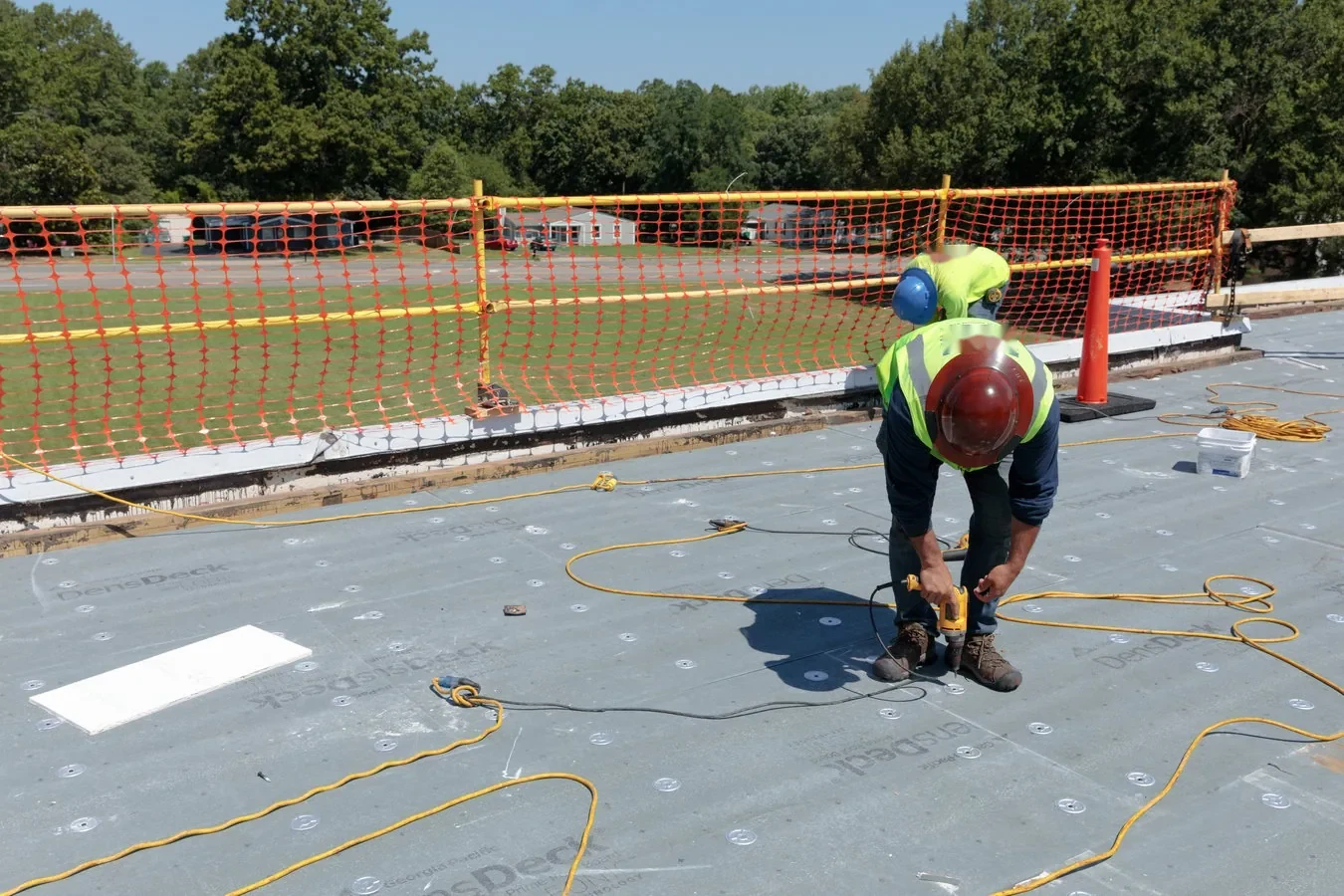
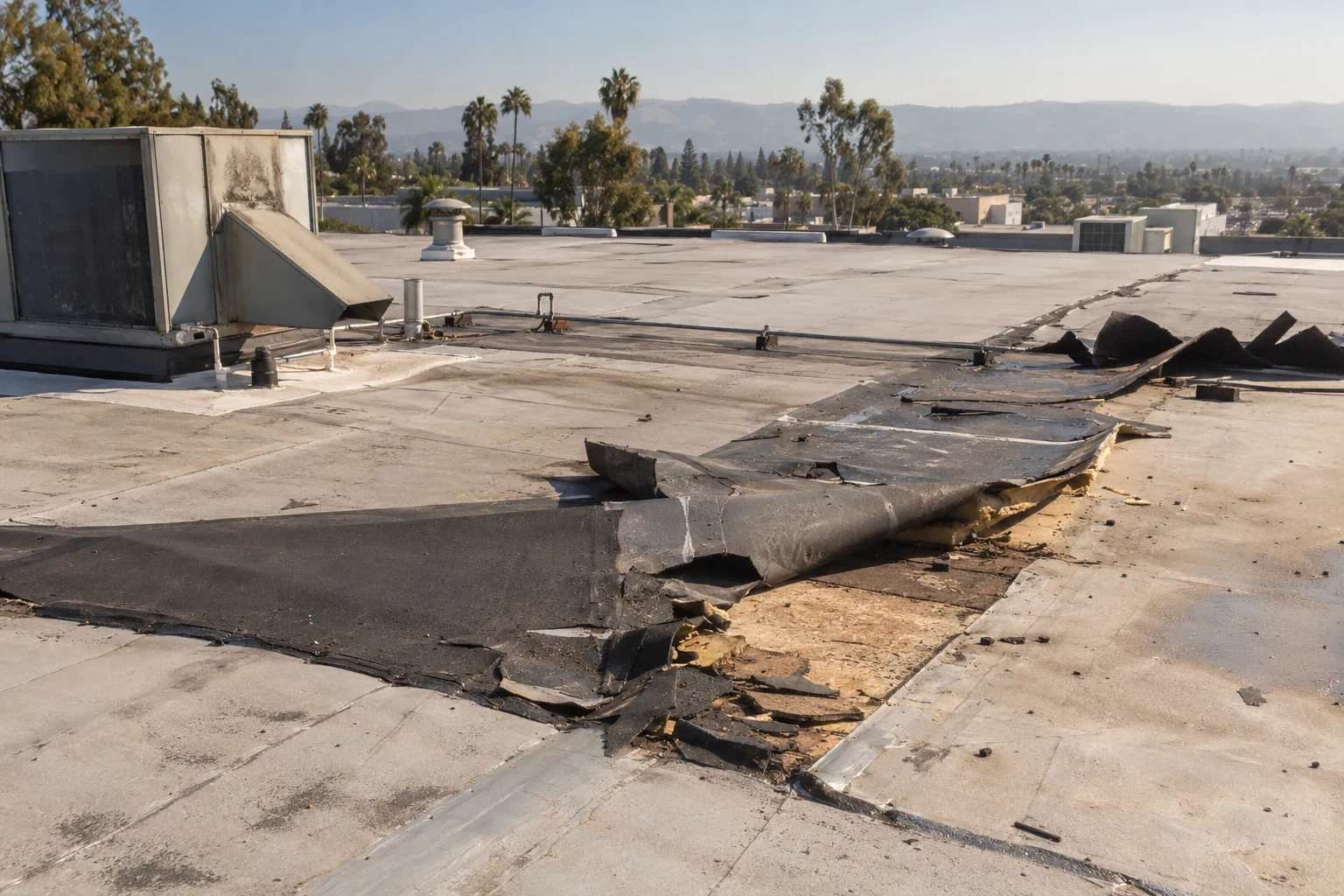
Plan the roof before the roof plans you
Call Commercial Roofing Santa Rosa. We will survey the campus roofs, rank them by what lies beneath, and tell you plainly which need work now, which can wait and which need nothing.