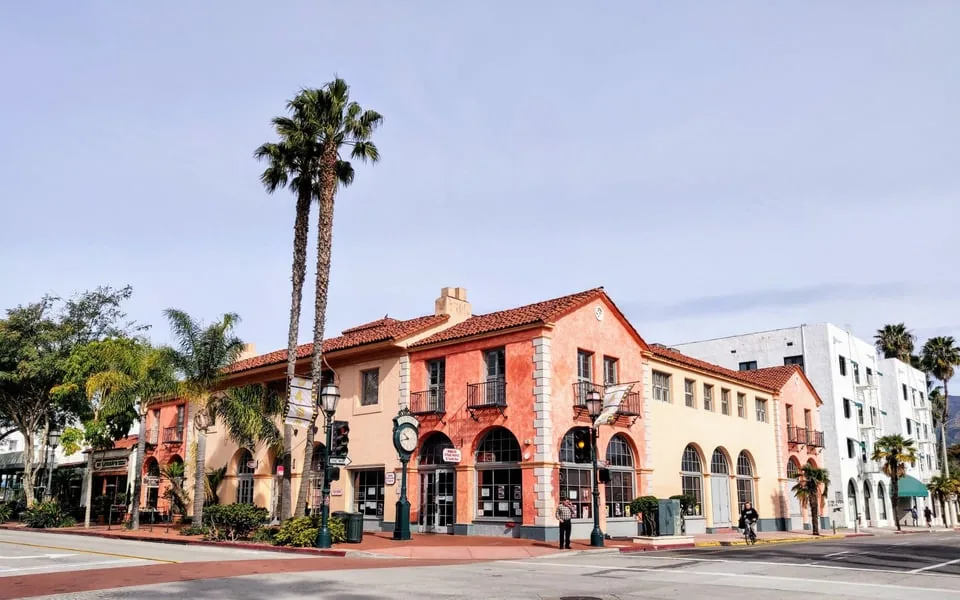
Warehouse Roofing in Santa Rosa, CA
Property Types We Roof
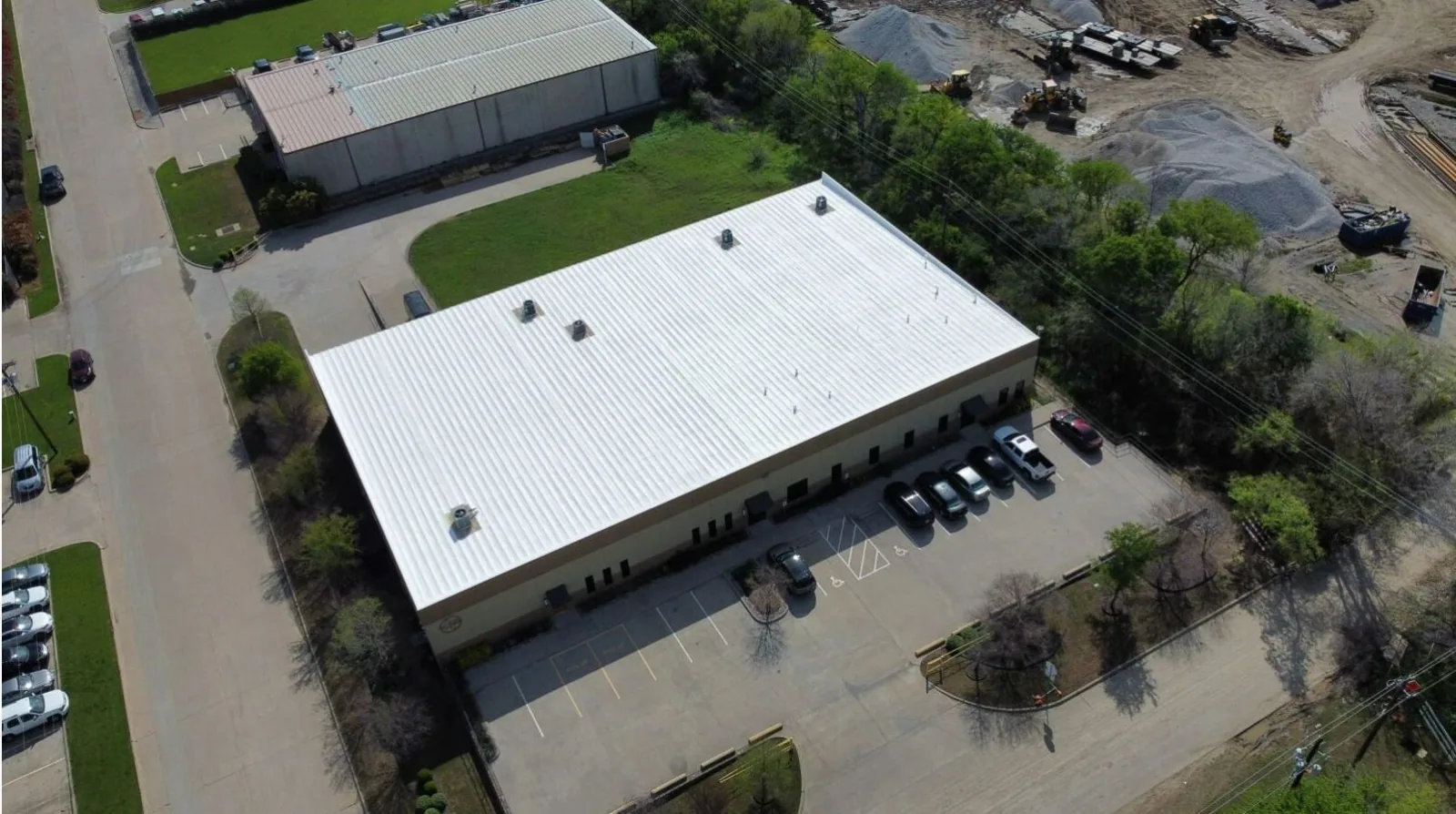
A warehouse roof rarely fails because it got old. It fails because the building kept changing underneath it: a new rooftop unit, an exhaust fan, a skylight that a tenant wanted gone, and a patch that nobody wrote down. The membrane is often the healthiest part of the roof by the time a leak shows up.
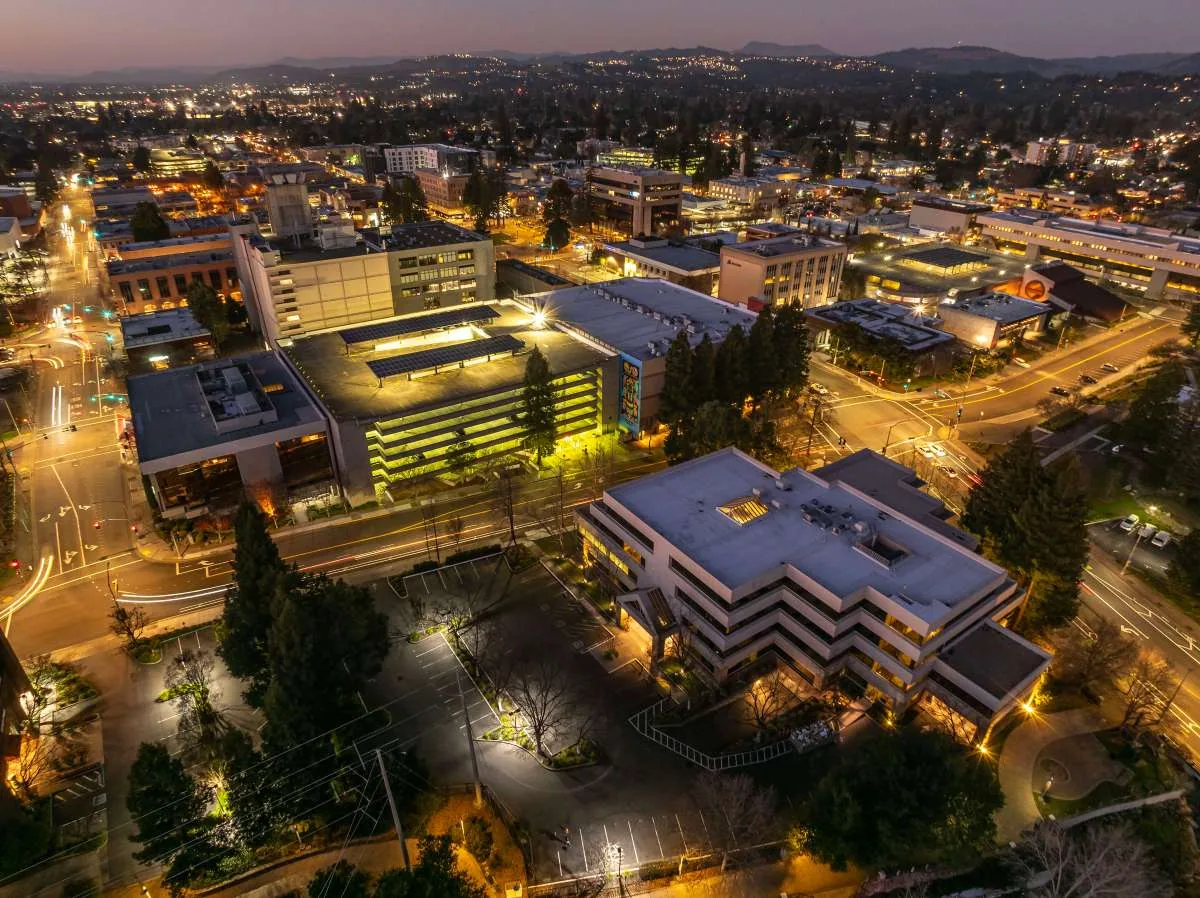
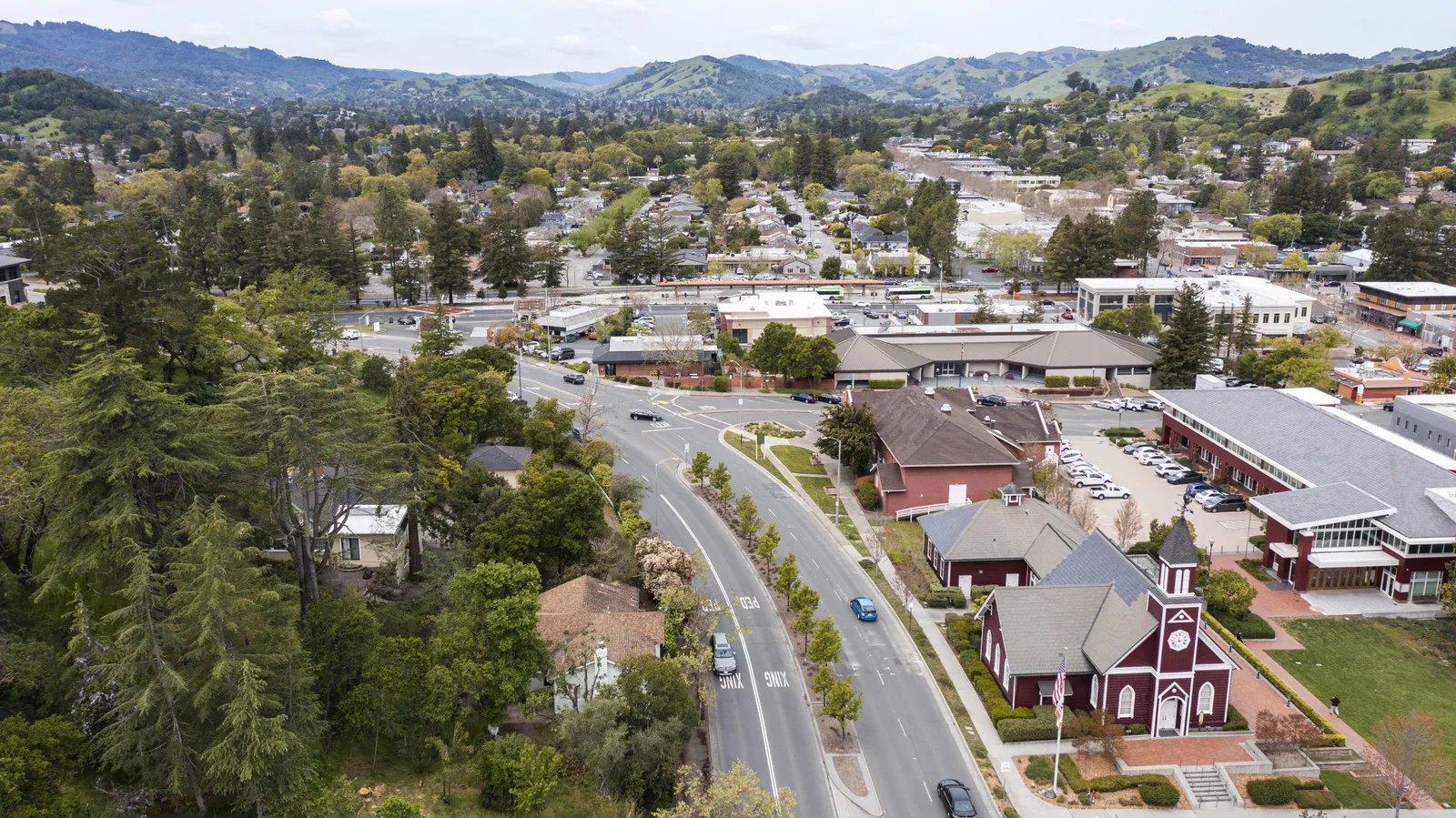
Across Santa Rosa, CA, warehouse space ranges from stand-alone storage buildings to the light industrial and flex buildings mixed into the Airport Business Center, which trades on Highway 101 and airport access. They share one habit: nobody walks the roof. The first sign of trouble is a wet pallet, and by then the water has been finding its way for a while. We start with the drains and details, then decide whether the field of the roof needs anything at all.
Serving Santa Rosa • Rohnert Park • Petaluma • Windsor • Healdsburg • Sebastopol • Napa
Nobody walks a warehouse roof
Office roofs get visitors, because the HVAC tech and the property manager are up there twice a year. Warehouse roofs get almost none. A low-slope roof over open storage can sit through several wet seasons with a clogged drain, a split at a wall flashing or a loose pipe boot, and the only person who notices is the one stacking product below.
Where the walls are tilt-up concrete, the roof edge and the panel joints matter as much as the middle. Water that gets behind a parapet flashing runs down the inside of a panel instead of onto the floor drain you were counting on. In southwest Santa Rosa, the Roseland planning area projects 129,000 square feet of industrial space, which adds more roofs to the list nobody visits. Recommendation: put someone on the roof twice a year, once before the wet season and once after.
Drains fail before membranes do
The real problem on a warehouse is rarely the sheet of membrane. It is the water that has nowhere to go. Santa Rosa took close to 15 inches in roughly three days during the November 2024 atmospheric river. A roof with a half-blocked drain does not drain a storm like that. It stores it, and every low spot becomes a pond that leans on seams and flashings.
Overflow scuppers are the safety valve. If they are too high, painted shut or buried in debris, the safety valve does not open. We clear and test the roof drains and scuppers first, then look at where water stands after a storm. Chronic ponding water is a slope and drainage question, and no amount of patching answers it.
Verdict: if the drains are clear and the roof still holds water, the fix is a design change, not another tube of sealant.
Heat, ash and embers get blamed too late
Coat it, recover it or leave it alone
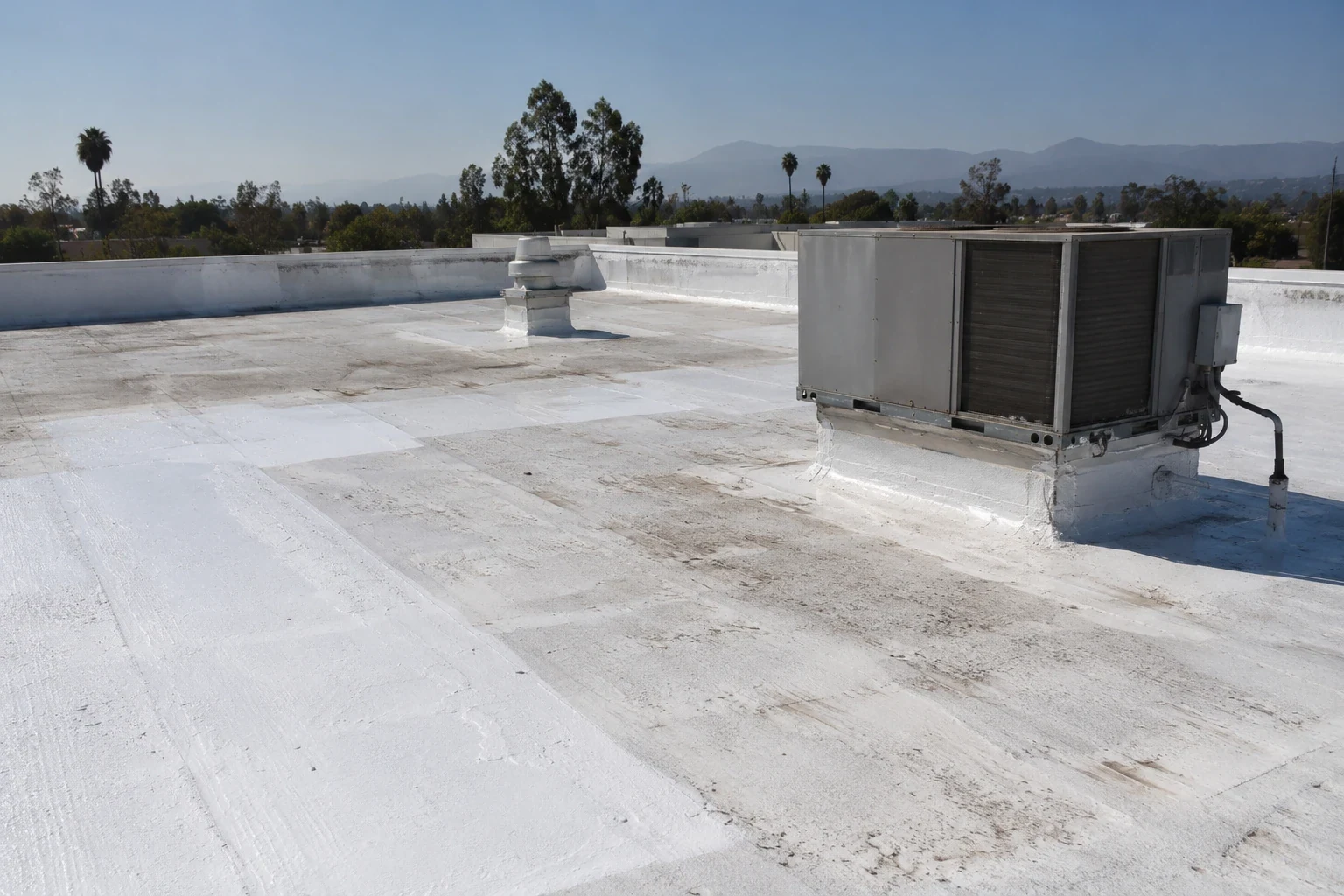
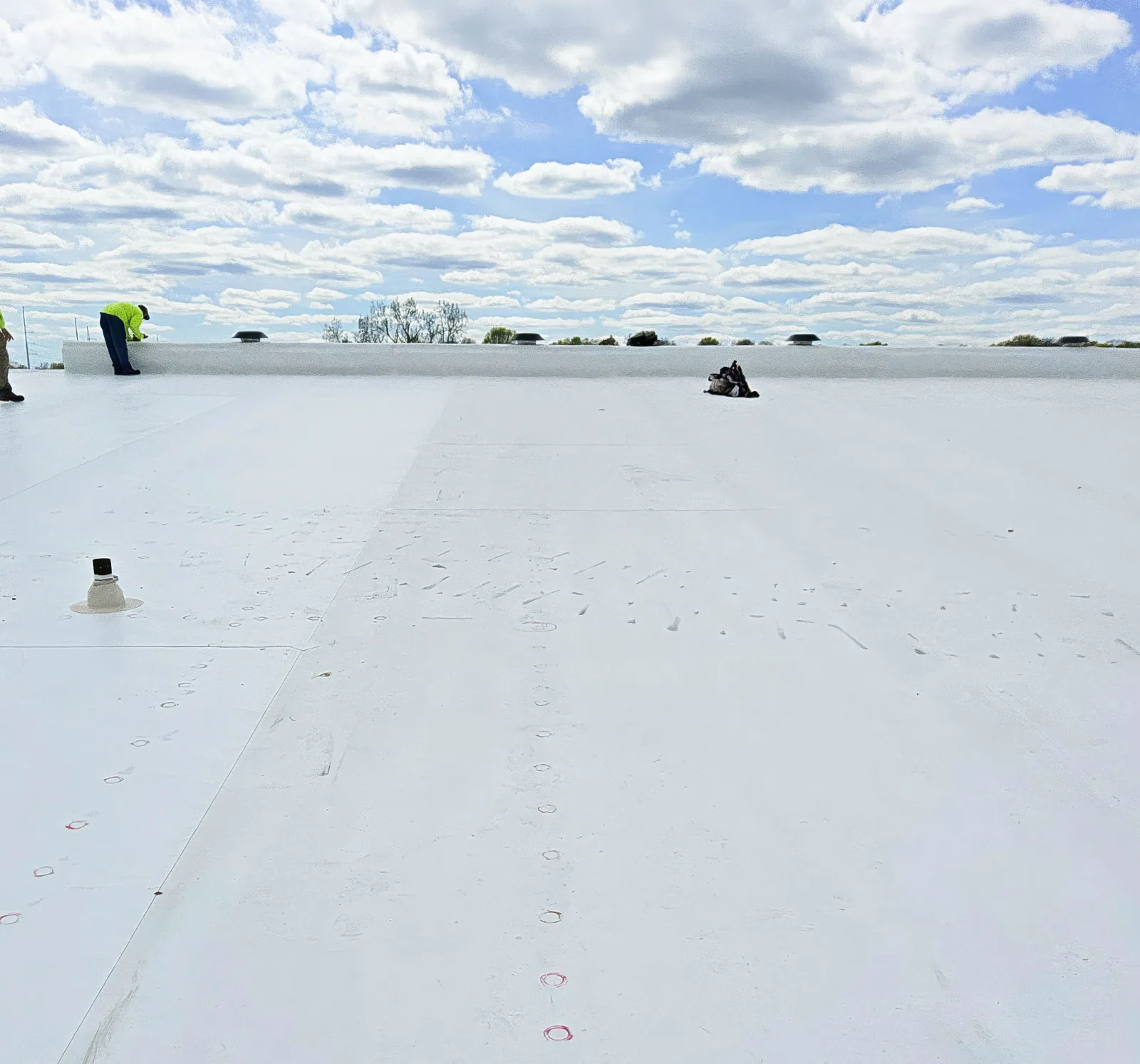
Many warehouse roofs do not need replacing. If the insulation is dry and the membrane is sound, a restoration coating is usually the lowest-disruption way to buy more years. If the insulation has gone wet in patches, those patches get cut out and the rest keeps going. If it has gone wet across most of the field, a tear-off is the right answer, and a new TPO roof is the usual choice because it is white, light and quick to install over a large area.
We sort those cases with a moisture survey and a few core cuts, not a guess from the ground. Then you get a plain recommendation: work now, work later, or no work at all.
Skip the roof work nobody needs
Do not coat over wet insulation. Do not fund a full replacement because a leak showed up at one fan curb. Do not let a pile of mismatched patches become the maintenance plan. The expensive mistakes on warehouse roofs are almost always timing mistakes, meaning work done in the wrong order.
Roofing above live inventory also needs a plan. Dock traffic, forklift lanes and sprinkler lines set the access points, and the crew should stage materials where they do not block a truck. The schedule follows the same discipline as any occupied building reroofing. For owners who also manage nearby distribution centers or similar buildings, the same inspection route can cover all of them.
Production schedules and roof access also shape manufacturing plant roofs.
Commercial Roofing Questions
My warehouse roof only leaks over one aisle. Do I need a new roof?
Probably not. A leak over a single aisle usually points to one detail: a pipe boot, a curb, a wall flashing or a drain. We trace the entry point, test the insulation around it, and repair that area. If the surrounding insulation is soaked, we cut out the wet section too. A new roof only enters the discussion when wet insulation covers most of the field or the membrane has failed across the board.
Is a white roof worth it on a Santa Rosa warehouse?
Worth it when the roof is being replaced or coated anyway. A white or reflective surface cuts heat load on the membrane and the building, which matters in a place that has seen 115 degrees. It is not worth it as a standalone upgrade over a failing roof, because you would be paying to cover a problem. Fix the moisture first, then pick the surface.
How do we protect inventory while the roof is being worked on?
Tear-off is staged in sections so the building is never open to rain over stored goods, and temporary protection goes in before any section is left overnight. Racking and sprinklers stay where they are, and we agree on staging and dock access before the first day. Weather watching matters more than anything else during the wet season.
What does a warehouse roof inspection look at that a drive-by does not?
Drains, scuppers and the low spots that hold water after a storm come first, then wall flashings, seams, penetrations and anything that was added after the roof was built. On a large roof we often use a drone to map the field and then walk the details on foot. The written report ties each finding to a photo and a recommendation, so a warehouse manager can budget instead of reacting.
Can we put solar or new rooftop units on an older warehouse roof?
Yes, but only after we look at the roof beneath. Adding equipment to a roof with years of wear and wet insulation is the quickest way to create a leak you cannot fix without moving the equipment. We usually recommend repairing or replacing the roof first, then setting curbs and supports that fit the new layout.
Find out what the roof actually needs
Call Commercial Roofing Santa Rosa and we will walk your warehouse roof, then tell you plainly whether it needs work now, later or not at all.