Roof Recover and Overlay in Santa Rosa, CA
Commercial Roofing Services
A recover sounds like a shortcut. Half the time it is a trap. Putting a new membrane over an old roof only works when what is under it is dry, flat and strong enough to hold the new system. Cover wet insulation and you have sealed a sponge under a fresh skin.
That said, when the conditions are right, a recover in Santa Rosa, CA is one of the smartest moves a building owner can make. It skips the disposal, shortens the job and keeps the building in use. The trick is knowing which side of that line your roof is on, and we do not guess.
Serving Santa Rosa • Rohnert Park • Petaluma • Windsor • Healdsburg • Sebastopol • Napa
Wet insulation ends the conversation
The first test is moisture. Low-slope roofs hold water in places the eye cannot see: under a blistered membrane, along an old seam, around a drain that has been leaking slowly for a few winters. The surface can look fine while the insulation below it is soaked.
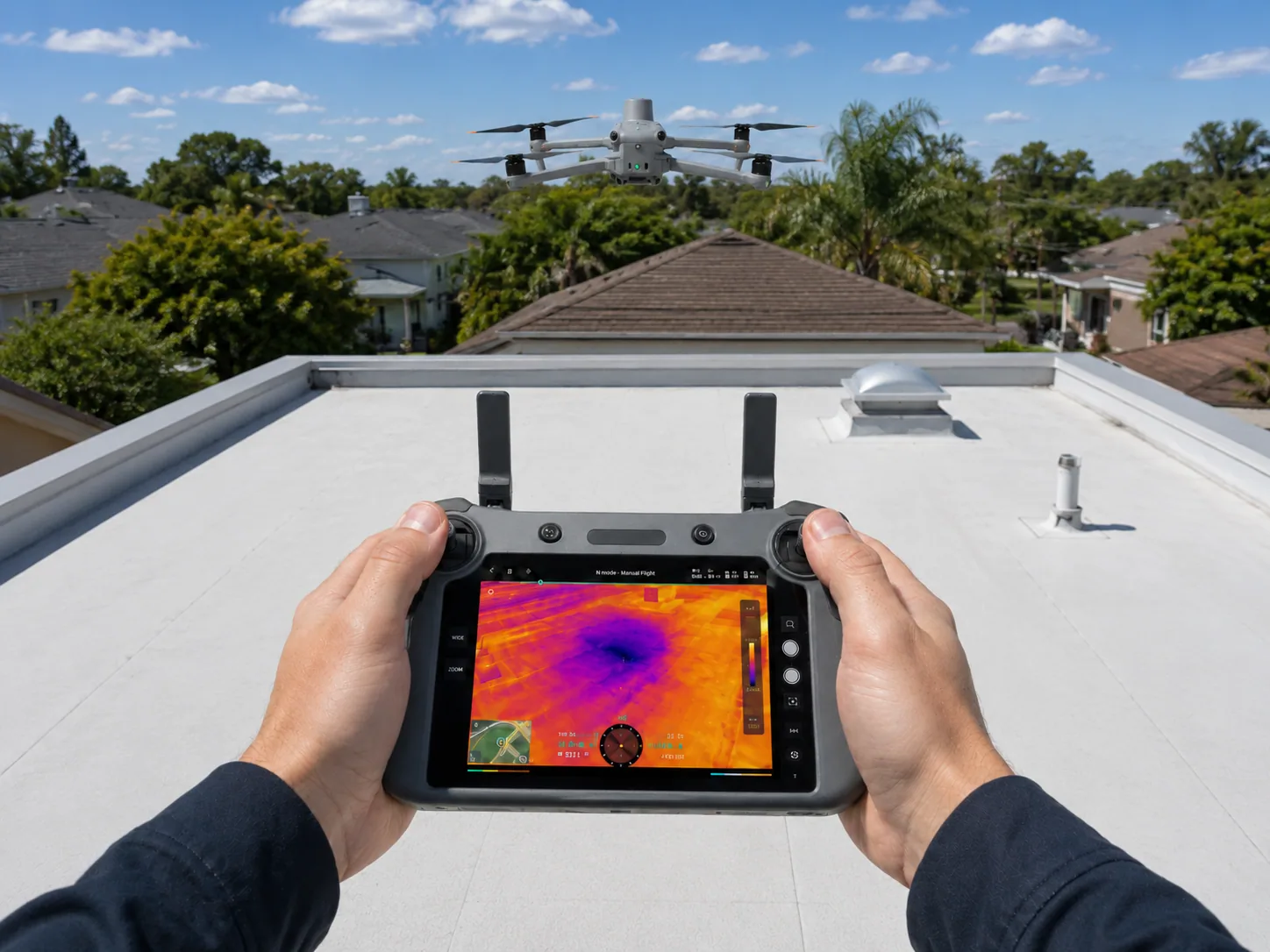
If we put a new roof over wet material, the moisture does not leave. It rots the deck, rusts fasteners, and shows up as a new leak at the first stress point. So we scan and sample before we recommend a recover. A moisture survey maps wet insulation, and a few core cuts confirm what the scan suggests.
Dry across the board, or wet only in small, repairable patches, means a recover is on the table. Wet across a large share of the field means it is a tear-off, and we will say so plainly. Verdict: do not recover until the moisture survey is back.
Code sets a limit on layers
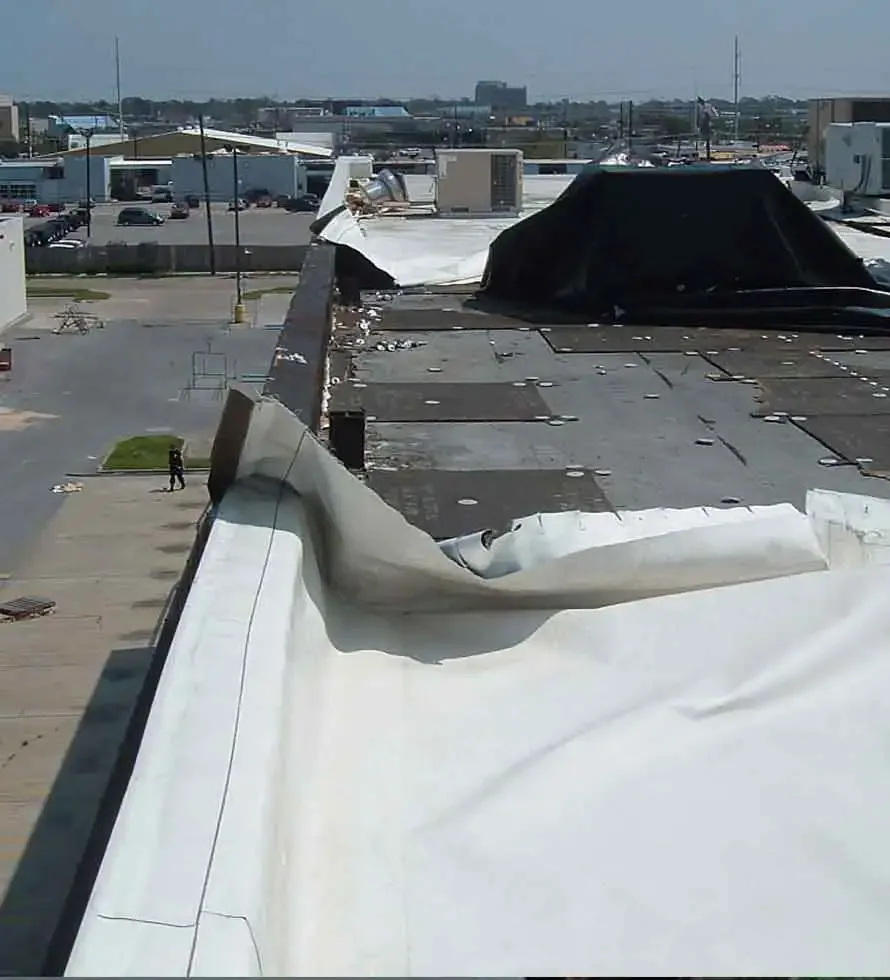
The building code does not let a roof keep growing layer on layer forever. It generally does not allow a recover over roofing that is water-soaked or deteriorated enough that it cannot serve as a base, and it limits how many layers a roof can carry. The deck and framing also have to take the added weight, which matters on older structures.
The city enforces the 2025 California Building Code under City Code 18-04.015, adopted by Ordinance 2026-001. Permits filed from January 1, 2026 forward also fall under the 2025 Energy Code. The Sonoma County Reroofing Guidelines add a self-certification inspection policy for reroofs, drafted by the County and the city building departments.
We confirm the layer count and the structural picture before we write the scope. If the roof already has a recover on it, the answer is almost always a full commercial roof replacement, and we will not pretend otherwise to win the job.
Three ways to recover a roof
Mall and tilt-up roofs are good candidates
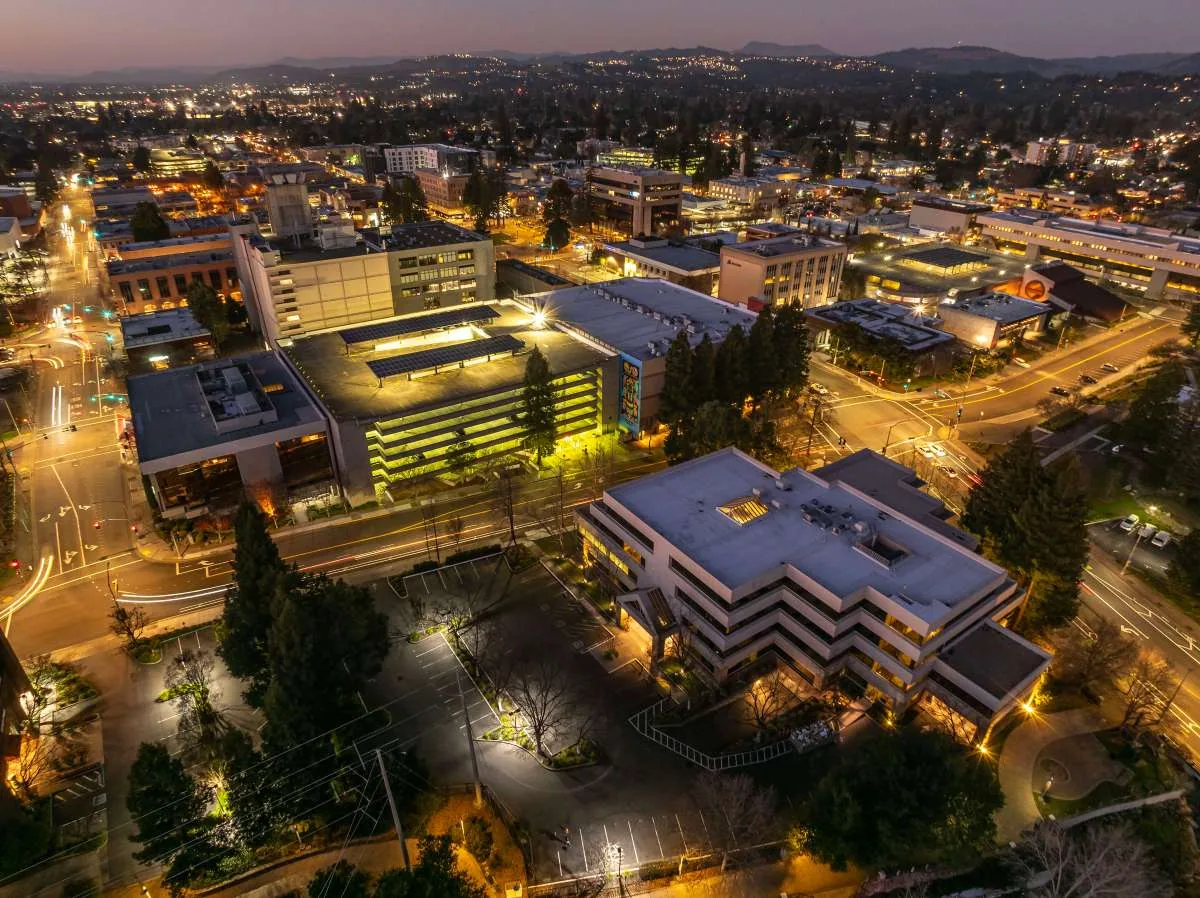
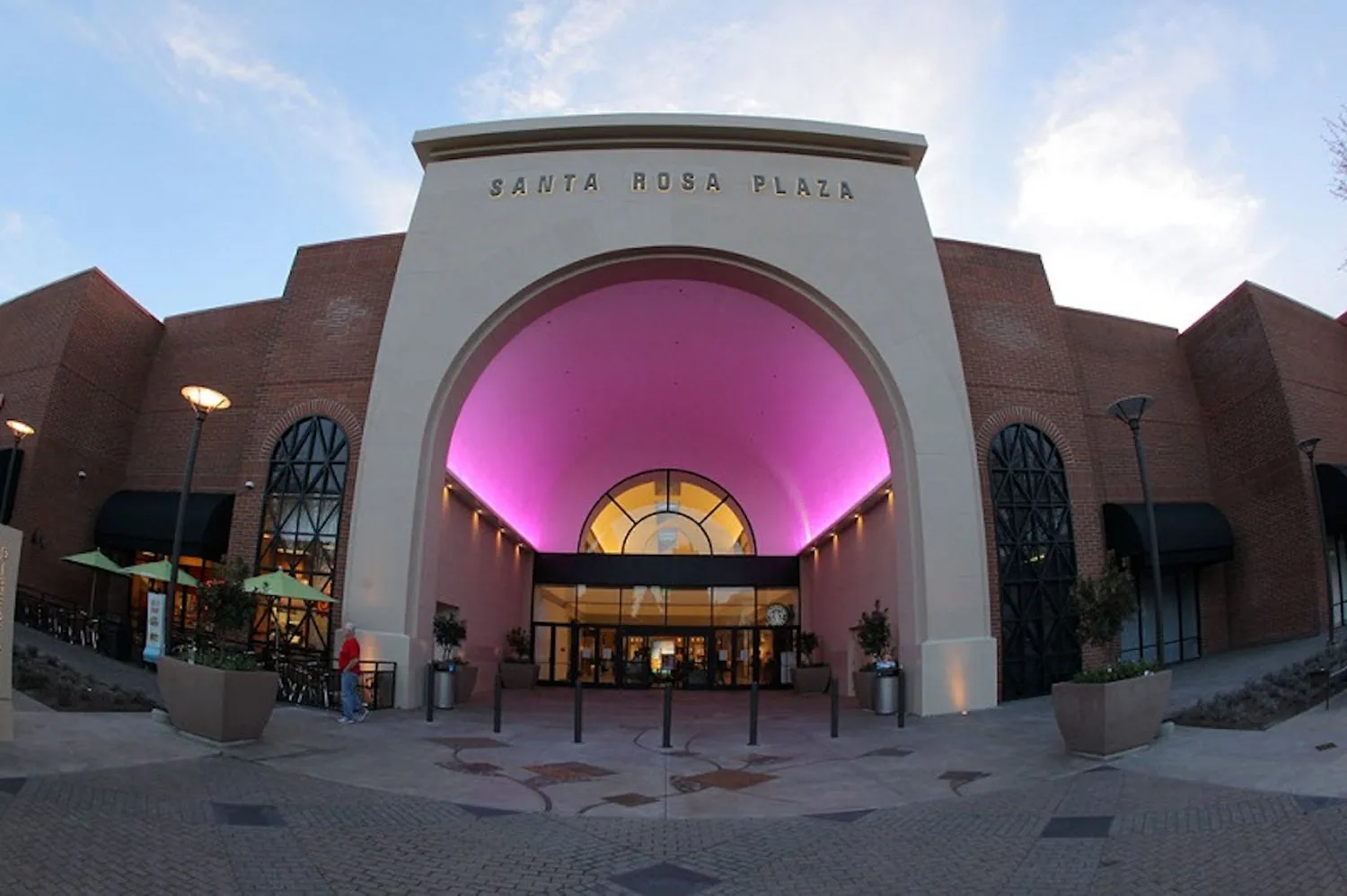
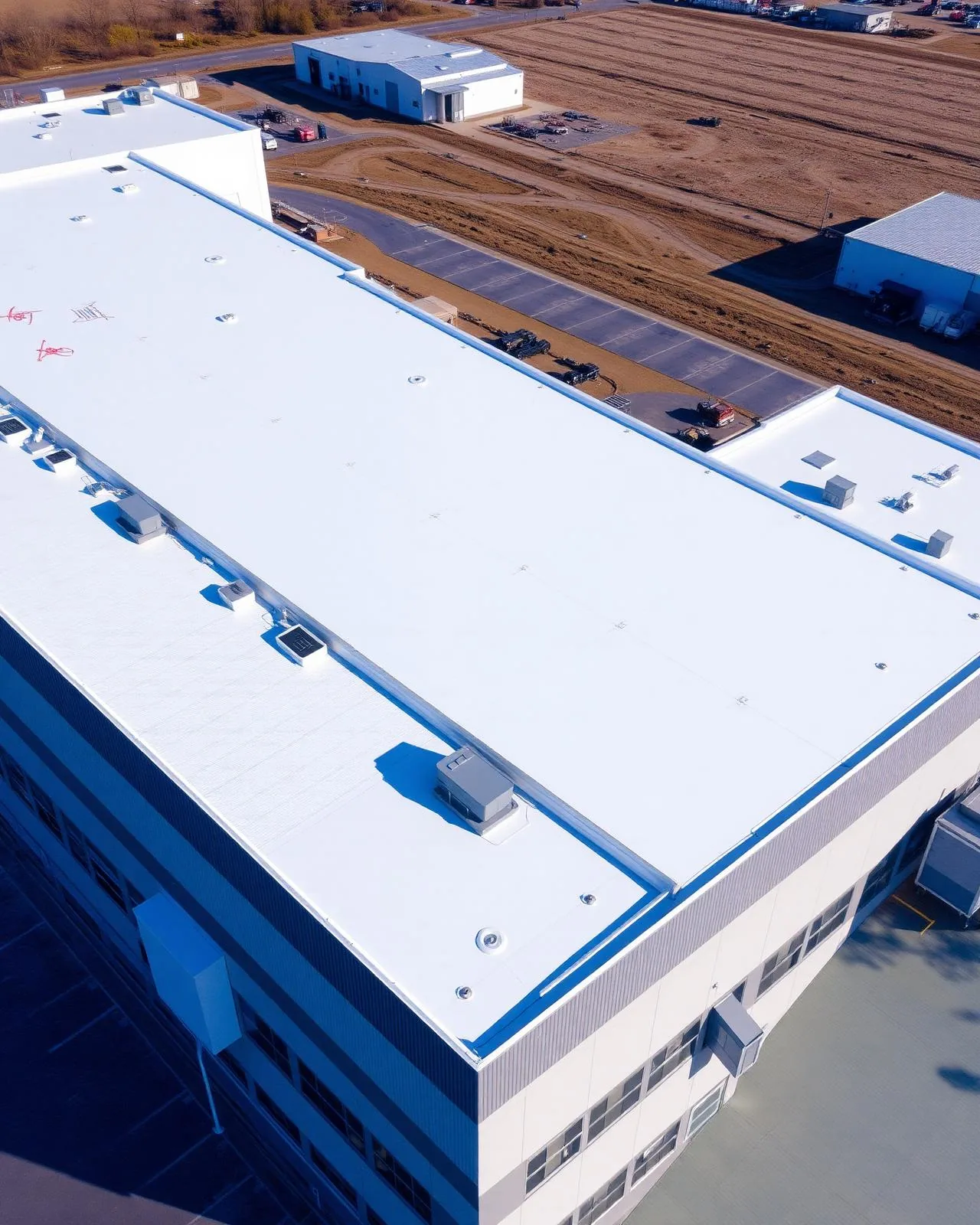
Large, flat, low-slope roofs with plain geometry are where a recover works best. Think of a mall roof, a tilt-up warehouse or the kind of flex building found in the Airport Business Center. A big-box retail roof with a sound deck and limited rooftop equipment can often be recovered at a fraction of the disruption of a tear-off.
Local weather matters too. With Santa Rosa's 32 inches of rain a year falling mostly from November to March, the biggest risk of a recover is the open roof during construction. Overlay work leaves the old roof in place as a dry layer for much of the job, which makes dry-in far easier than a tear-off in a wet week.
Heat and ash both degrade old membranes. If the existing roof was already cooked by the record 115 degrees on September 6, 2022 (Healdsburg reached 117 that day), check it before covering it.
Skip the recover when the details are shot
A recover raises the roof surface by an inch or more. That affects every detail. Flashing at walls, curbs and penetrations has to be extended or rebuilt. Drains need their rims raised. Edge metal needs to be refit. If the old details are rotted or the walls are low, the job turns into a detail rebuild and the savings shrink.
It is also not worth it when the real problem is drainage. A roof that ponds water will pond water under the new membrane too. We look at slope, drain locations and the overflow scuppers before recommending any new cover, because adding a layer does not change where water goes.
Bottom line: spend money on drainage and details before you spend it on another layer.
A test cut is useful only if it answers a decision. Record where it was made, the layers found, whether insulation is dry, how the membrane is attached, and whether the deck is sound. Compare that evidence with perimeter height and drain locations before adding another layer. If one area differs from the rest, define its boundary rather than pricing the whole roof from a single opening. The owner should know what the recover includes, what remains concealed, and what finding would stop the work.
Commercial Roofing Questions
How can you tell whether my existing roof can take a recover?
We start with a visual inspection, then confirm with an infrared scan and core samples. The roof has to be dry enough, flat enough and light enough to carry the new system, and it cannot already be at the layer limit. If any one of those fails, we will recommend replacement and show you the findings that led us there.
Is a recover always cheaper than a tear-off?
Not always. You skip tear-off and disposal, but you may pay for a cover board, raised flashing, new edge metal and drain work. If the details are in bad shape or the roof needs a lot of repair first, the gap narrows. We price both versions when it is a close call so you can compare them side by side.
Will a recover affect the roof warranty or my insurance?
The manufacturer defines what its warranty covers, and that depends on the system and how it is installed. Insurers and lenders may ask for documentation of the roof condition. We put the findings and scope in writing, and we recommend you confirm any warranty terms with the manufacturer before work starts.
Does a recover keep tenants in their spaces during the work?
Usually, yes. The old roof stays in place, so less debris comes down and an afternoon shower is less of a threat. We still guard entrances, air intakes and rooftop equipment, and we schedule the noisy days around tenant hours.
What if my roof already has a recover on it?
Then the answer is usually a full tear-off. Most codes limit the number of layers, and a second recover adds weight and traps more moisture. We will inspect it, verify the layer count with the building division, and give you a straight recommendation.
Find out if your roof qualifies.
Call Commercial Roofing Santa Rosa. We will test the roof and tell you whether a recover makes sense, or whether it is time to start over.