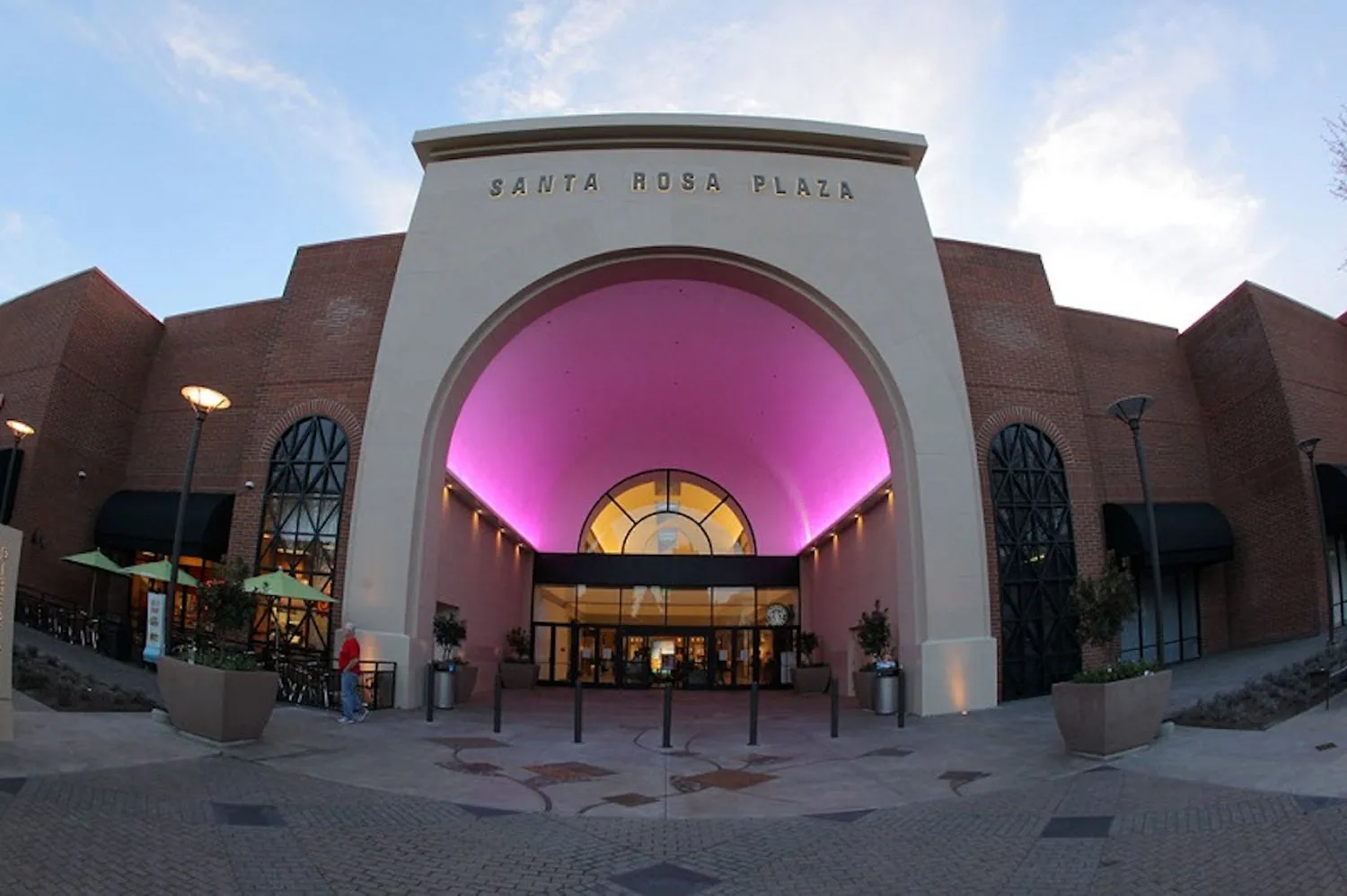
Big-Box Retail Roofing in Santa Rosa, CA
Property Types We Roof
Big-box owners think their roof is a warranty problem. It is a drainage problem with a warranty attached. A store with a wide, low-slope roof has few drains for the area it has to shed, so when one clogs, the water has nowhere else to go, and a membrane that was perfectly good last month ends up holding a pond. The leak is the symptom. The pond is the problem.
For owners and tenants of big-box retail in Santa Rosa, CA, such as the department stores and Target at North Station Area, we begin by tracing where the water goes, not by pricing a new roof. Then we find out what is wet, what is worn and what is fine, and tell you whether the store needs a repair, a coating, a recover or a full replacement.
Serving Santa Rosa • Rohnert Park • Petaluma • Windsor • Healdsburg • Sebastopol • Napa
Long spans, few drains
Many big boxes are tilt-up concrete or steel-frame buildings with a wide low-slope roof and a handful of drains set far apart. The roof falls gently toward each drain, so water moves slowly and sits longer than it would on a small roof. Parapets around the edge hold that water in, and overflow scuppers are the only escape when the primary drains back up. When the scuppers are missing, undersized or set too high, the roof fills.
That is why a store can leak at a seam that stayed tight for years. The seam did not change. The depth of the water over it did. We check slope, drain count, scupper height and sump condition on every walk, and look for ponding after a dry spell. Add drains or overflow scuppers where the roof demands them. It costs less than any membrane upgrade.
Rooftop units wear the sheet
A big store usually carries a long row of rooftop units and, if it sells food, refrigeration condensers too. Technicians walk the same paths every month. Filter changes, belt swaps and refrigerant checks all mean boots on the membrane, and one dropped tool or dragged hose can cut a sheet that looks fine from the parking lot.
Put walkway pads from the roof hatch to every unit and keep them clean. Check the curbs and pipe penetrations once a year, since units get swapped without anyone telling the roofer. If new units are coming, plan the roof first, because a tear-off after the new equipment is set costs more than one before it. Fix the base, then the units.
Recover, coat or tear off
Heat, ash and the wet season
The all-time high of 115 degrees on September 6, 2022 (117 in Healdsburg that day) is what a wide roof has to survive. A wide roof in that heat takes thermal stress at every seam, expanding and contracting across a long run. A reflective sheet helps, but only while it stays clean. Smoke seasons since the October 2017 Tubbs Fire, which destroyed a Kmart along the Highway 101 corridor, can leave ash and soot that dull white membranes and clog scupper screens.
Then the wet season runs its test. An atmospheric river that dropped nearly 15 inches over three days in November 2024 is the kind of load drains have to be sized for. Clean sumps and screens in October, wash the ash off if the manufacturer allows it, and look at whether the white surface still reflects. Wash it or recoat it before judging whether it earns its keep.
Stores keep trading
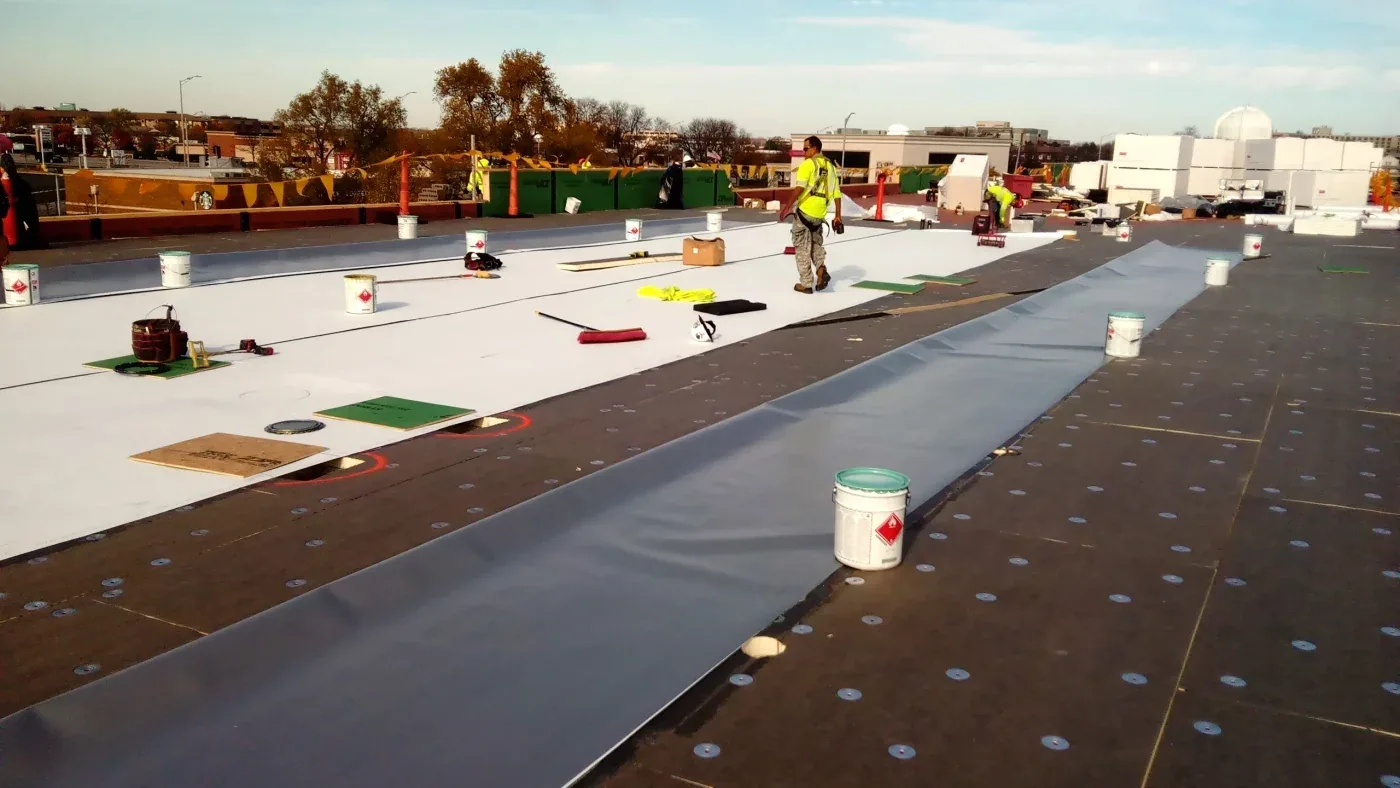
Closing a store for a reroof is rarely an option. Reroofing an occupied building means working in zones: tear off, dry in and button up a section each day so the roof is watertight every night. Staging stays away from entrances and receiving docks, with covered walkways where customers pass. Crane lifts run before opening, noisy work comes early or late, and the store manager gets the plan a week ahead.
Chain tenants add a step. Napa's list of top employers includes Costco and Walmart, a reminder that national retailers often come with their own corporate roof specifications, and those can conflict with a landlord's plan. Get the tenant's requirements in writing before bidding, whether the store is in Napa or Santa Rosa. A conflict found at bid stage costs nothing. A conflict found mid-job costs the schedule.
Pay for drainage, not paperwork
Many manufacturer warranties exclude damage from ponding water, so a roof with standing water may sit outside coverage anyway. Do not chase a longer paper warranty on a roof that still ponds. Fix the drainage and the details, and the coverage you already have stays useful. Do not replace for color or cosmetics, and do not pay for a premium sheet on a roof nobody walks.
The money that pays itself back goes into drainage, walkway pads and a clean warranty file showing every repair and who made it. Everything else waits for a scan result. Fix the water path first, and replace only what the scan condemns.
Shopping center roofs add tenant boundaries, storefront protection and staggered access.
The long spans and drain spacing also show up on warehouse roofs, though loading areas change the staging plan.
Commercial Roofing Questions
How do we find out how much of the insulation is wet?
Scan first, then cut. An infrared survey after sunset shows where the roof holds heat, which is where wet insulation sits. We mark those areas, then take small core samples to confirm. The result is a map the owner can price from, instead of a guess that either condemns the whole roof or ignores a wet zone.
Is a recover realistic on a big-box roof with a few leaks?
Sometimes, if the insulation is dry and the existing membrane will accept a new sheet. A recover keeps the store trading and avoids the cost and mess of tear-off. It is the wrong answer if the old roof is wet, if the code allows no more layers, or if the leaks come from failed details a recover would simply hide.
Does an older big-box roof have enough drains and overflow scuppers?
Count them against the roof area and compare scupper height to the drains. Older stores often rely on a few primary drains and little backup. If a storm like November 2024 would have pushed water past the parapet line, add overflow outlets. That upgrade rarely costs much compared to the damage from a roof that fills.
Who should walk the roof after a rooftop unit swap?
The roofer, before the HVAC crew leaves the site. Units are swapped, curbs are shifted, and a screw or dropped panel can puncture the sheet. A walk right after the swap, with photos, catches damage while the responsible contractor is still on the job. After that, the repair bill is hard to assign.
Can we put solar on a big-box roof that is already worn?
Reroof first, or at least repair the weak sections. Racking sits on the membrane for years, and pulling it off to fix a roof later is expensive. A roof that is ready for solar has dry insulation, good drainage and a membrane with life left. Any solar-ready roof starts with that same condition check.

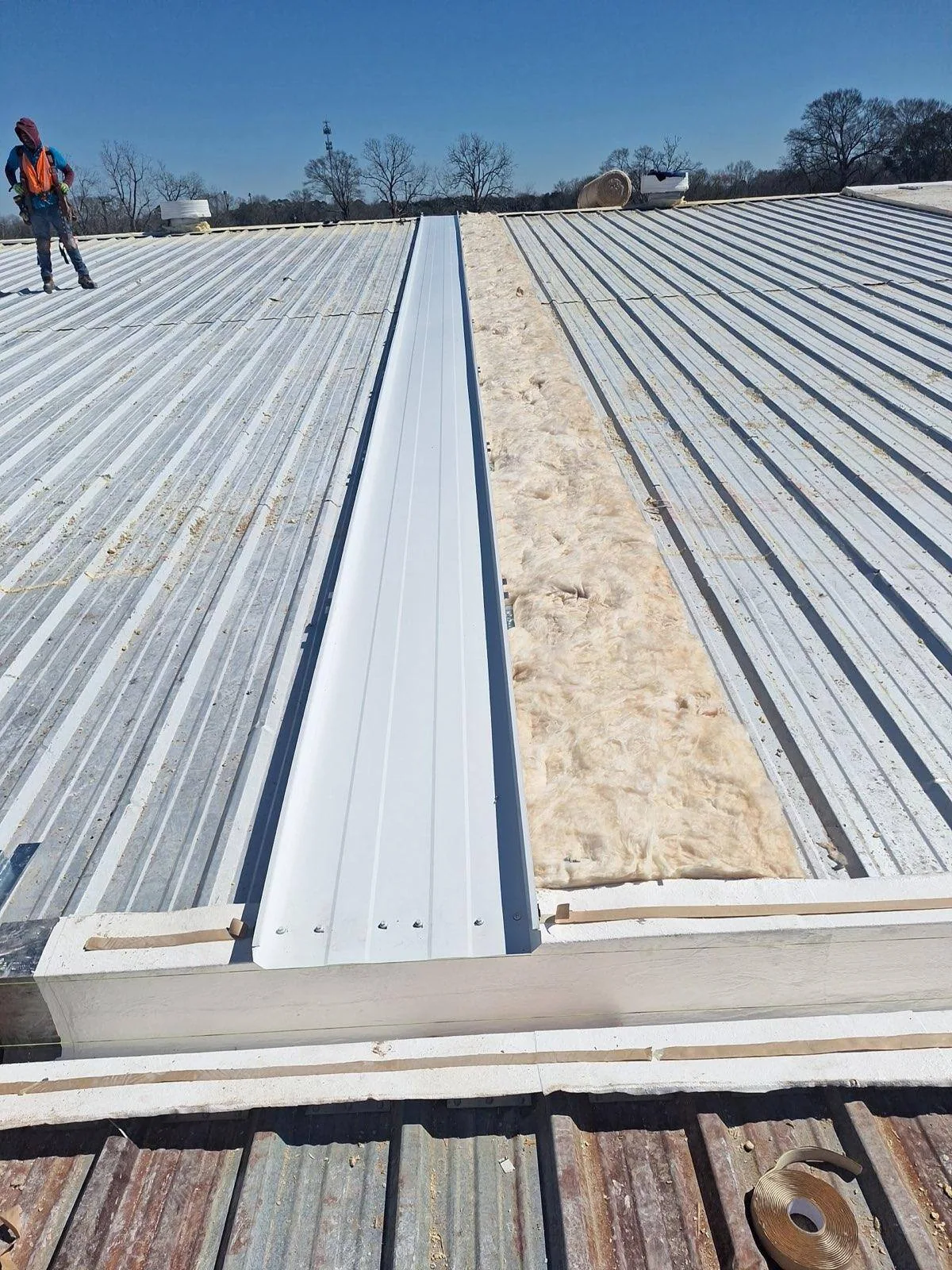
Find out what the big box really needs
Call Commercial Roofing Santa Rosa. We will trace the water, scan the insulation and tell you plainly whether the store needs work now, later, or not at all.