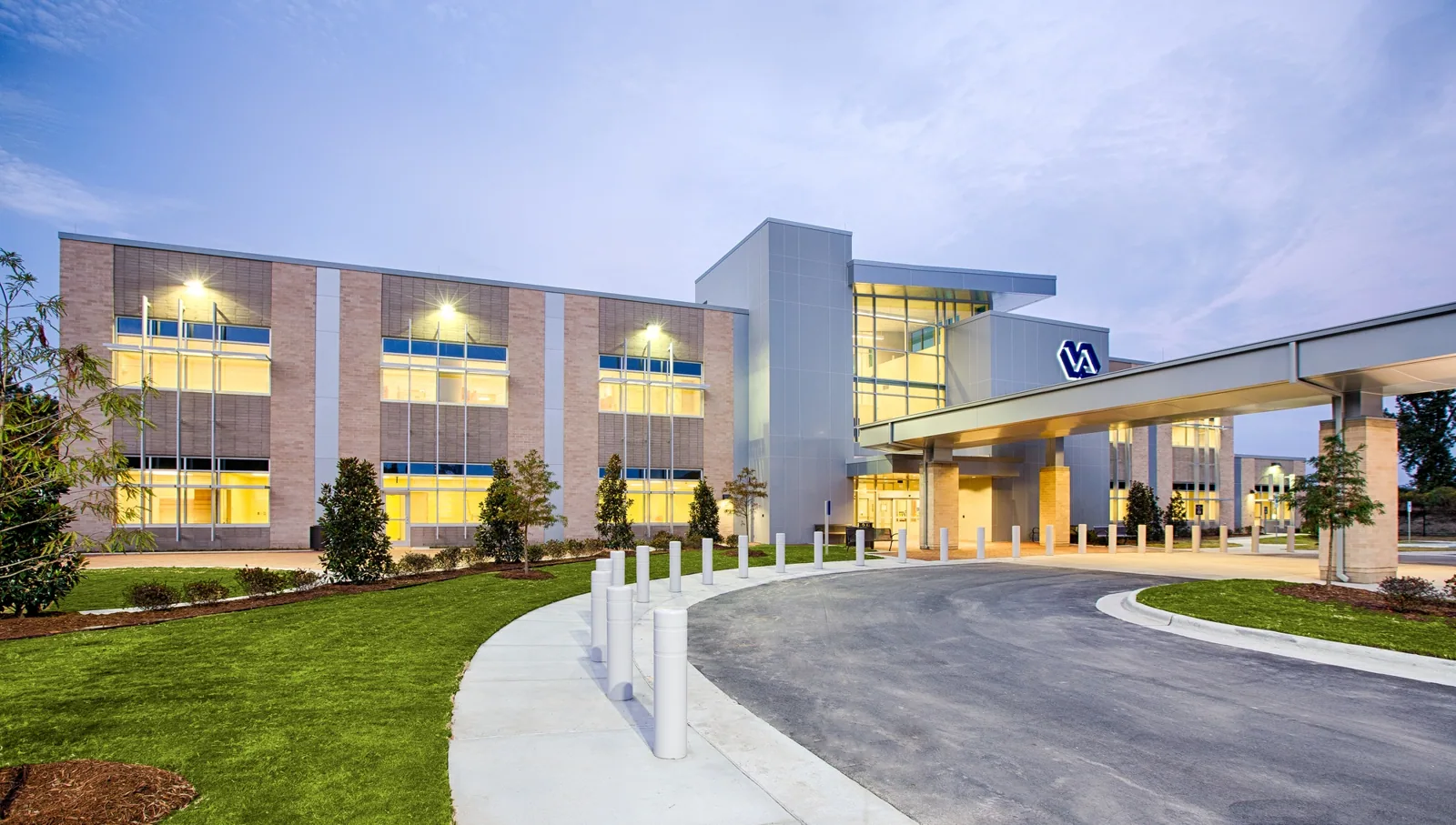
Shopping Center Roofing in Santa Rosa, CA
Property Types We Roof
Landlords own the roof of a shopping center and tenants own the leak, and that split is why small drips turn into big claims. Water enters over a vacant bay, runs along the deck and drops onto a shoe store's inventory two doors down. The tenant calls the property manager, the property manager calls whoever patched it last, and nobody walks the whole roof.
For retail owners in Santa Rosa, CA, whether the center is an enclosed mall like North Station Area or an open-air plan like Montgomery Village, we start with the whole roof, not the bay that called. We find where the water really enters, fix that, and tell you whether the section needs a repair, a coating or a replacement.
Serving Santa Rosa • Rohnert Park • Petaluma • Windsor • Healdsburg • Sebastopol • Napa
Mall roofs are many roofs
Coddingtown on Mendocino Avenue opened in 1962 and was enclosed in 1979. Santa Rosa Plaza downtown opened in 1983. A center built and added to in stages ends up with roof sections that meet at joints, and the joints are where water finds its way in. A roof over a mall built that way is rarely one membrane. It is several, stitched together with flashing and expansion details.
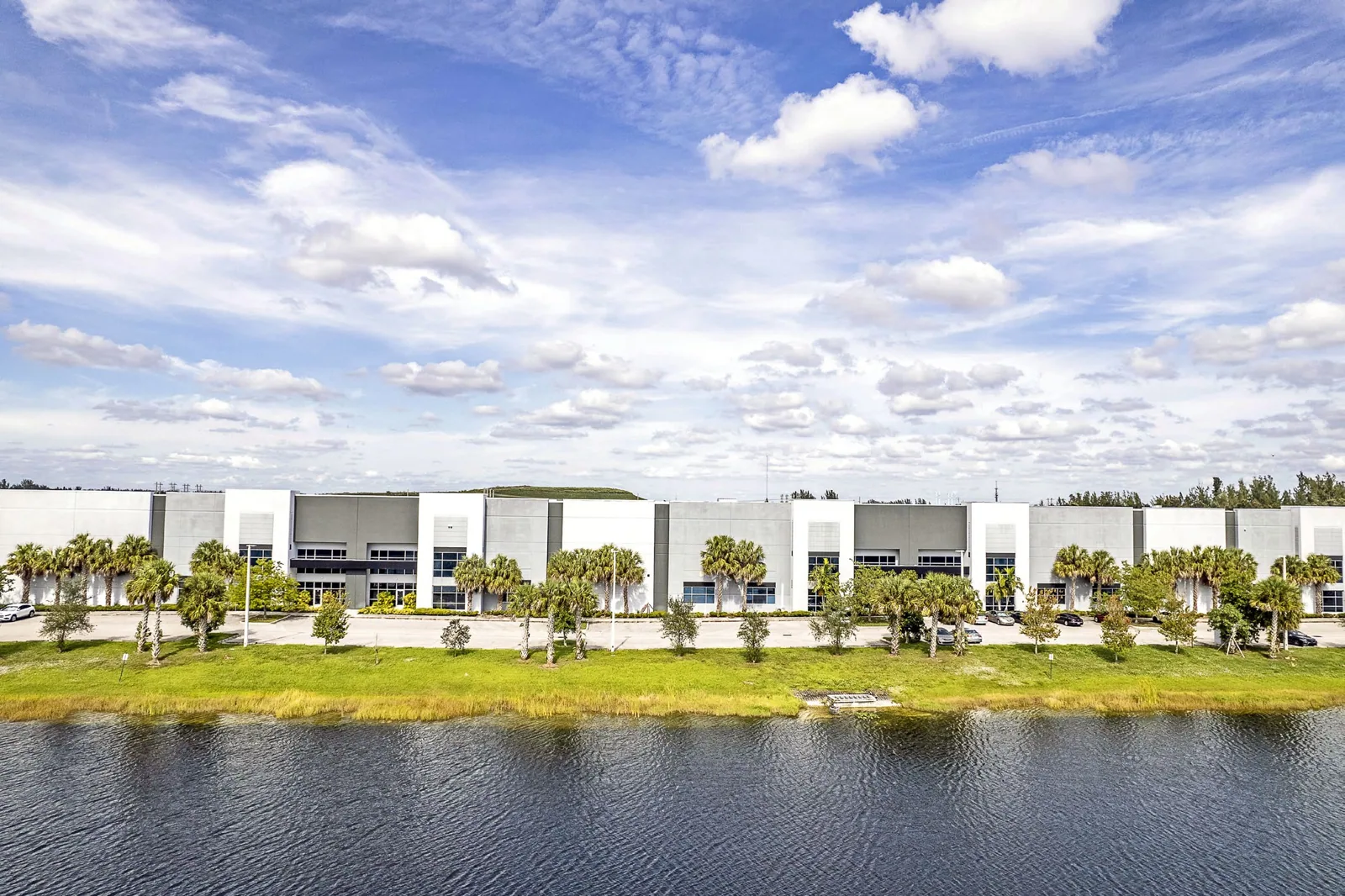
At an open-air center such as Santa Rosa Avenue Corridor, about 280,000 square feet with more than 60 shops and restaurants on Highway 12, the weak points are different. Look at storefront canopies, parapets and the long runs of tenant bays, because every one of those edges is a place for a seam or a flashing to open. Walk the junctions first. The field of the membrane usually looks better than the edges around it.
Tenant work punches holes
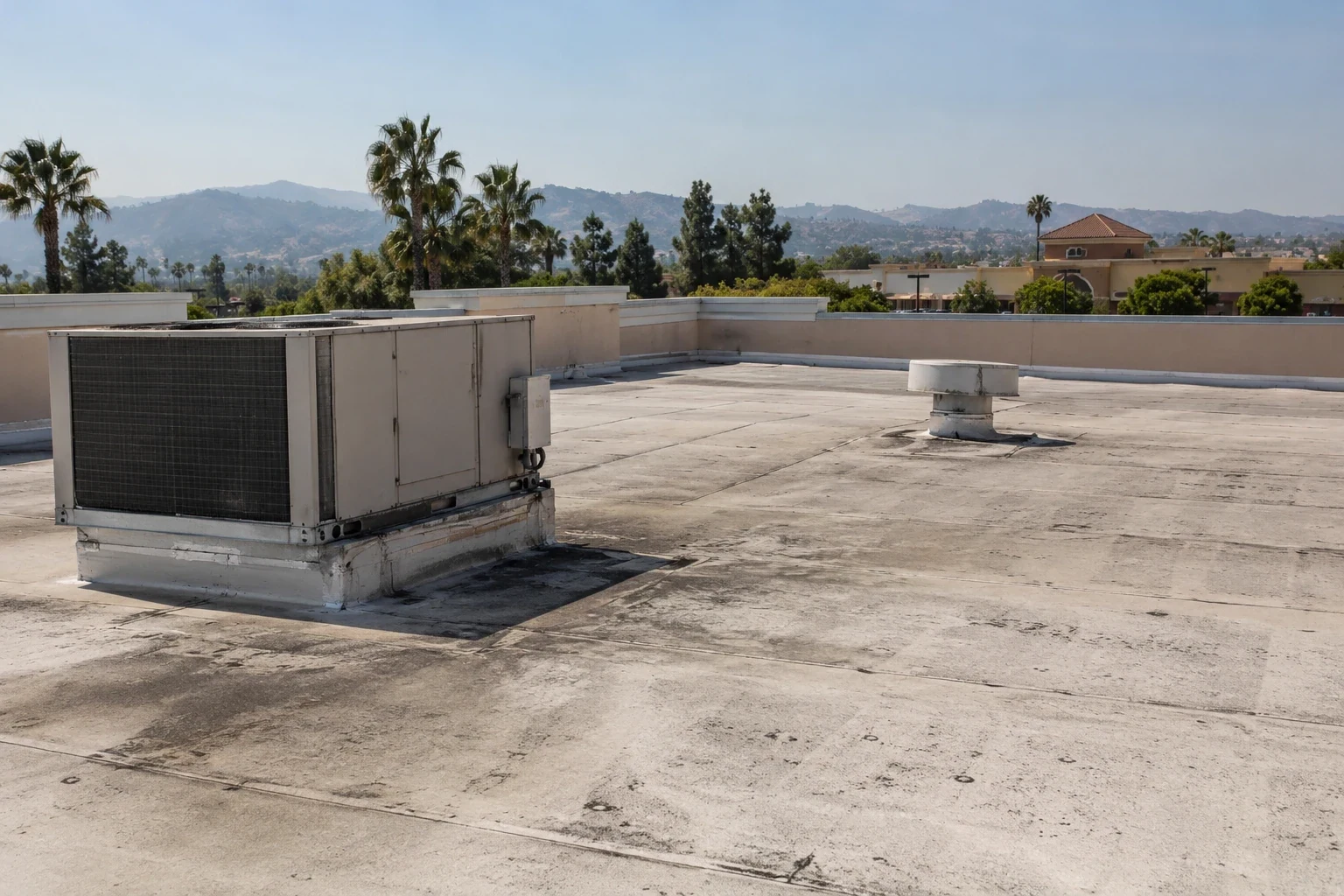
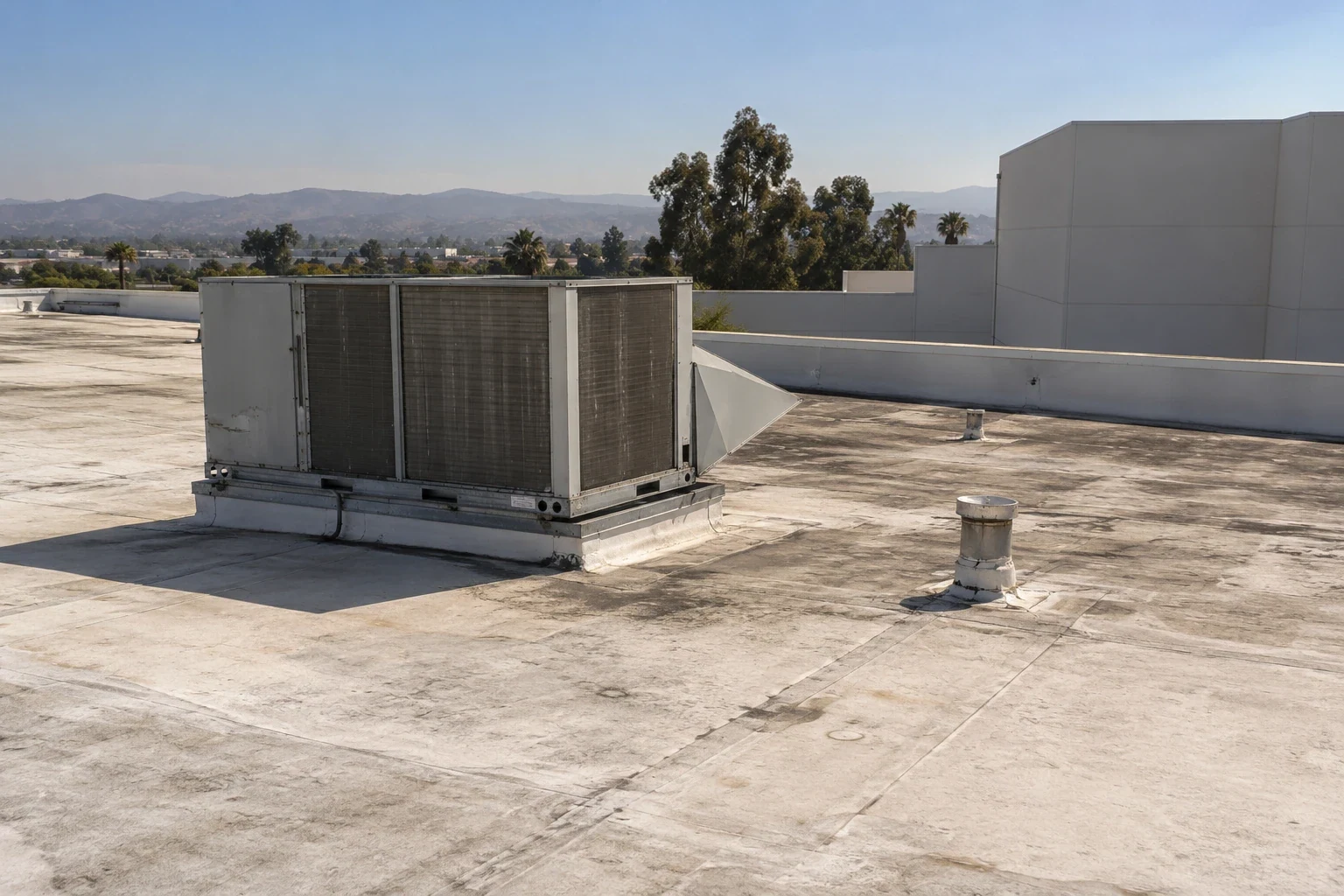
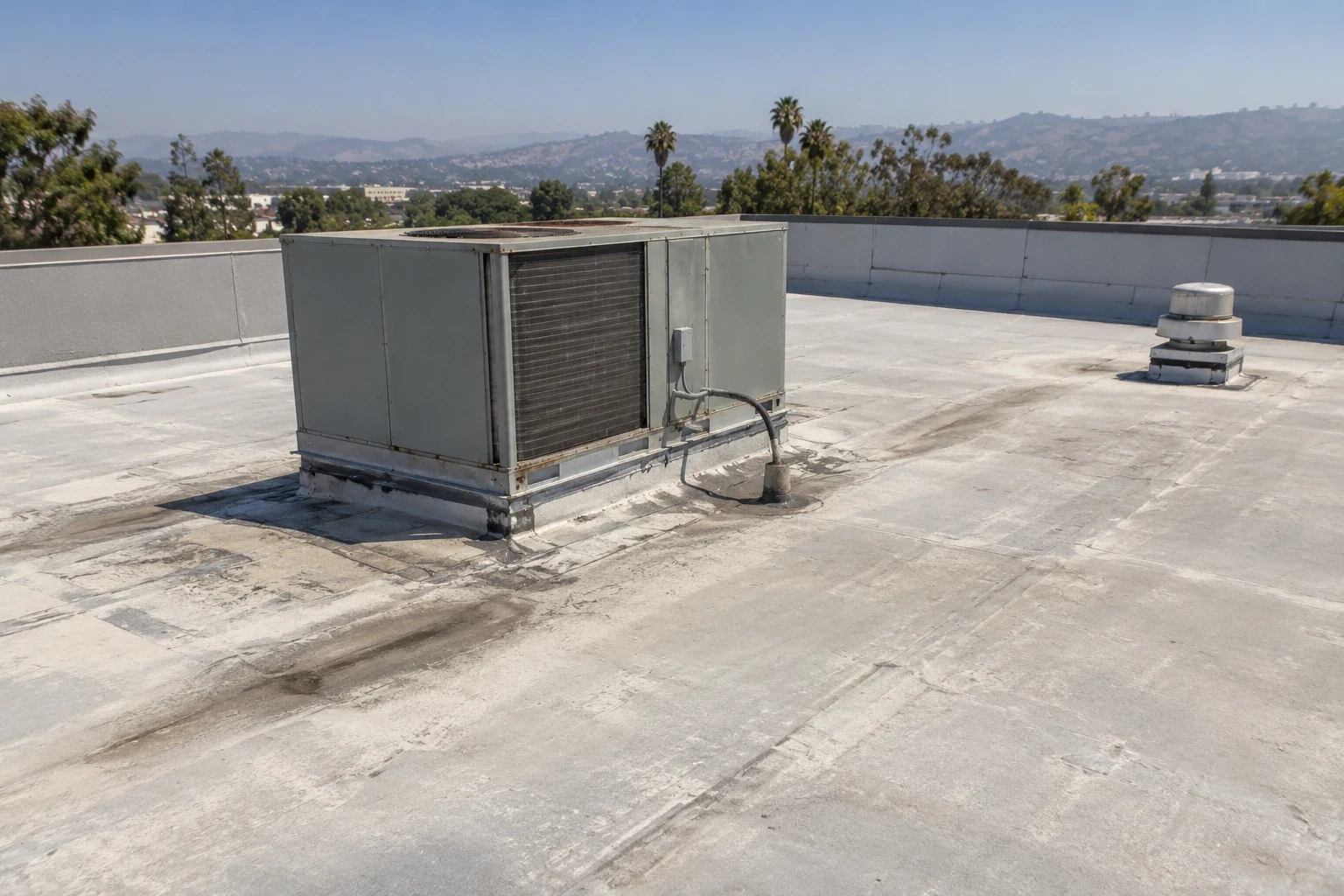
Every tenant who adds a rooftop unit, a kitchen exhaust fan or a satellite dish adds a hole. A restaurant moving into an old shop bay adds exhaust and grease. A store that changes hands brings an HVAC vendor who has never seen the roof. When a store moves, as Apple did from Santa Rosa Plaza to Montgomery Village in January 2026, the space it leaves and the space it fills both raise the same rooftop questions: who goes up, with what equipment, and who signs off afterward.
The fix is a rule, not a repair. Require tenants and their vendors to log roof access, use walkway pads and call the manager for a post-work inspection. Put curbs and supports into the lease exhibit so the next unit lands on a proper base. Charge back damage when the log shows who was up there. Owners who enforce this stop paying for the same leak twice.
Overflow, ash and the 101 corridor
Walk it twice a year
A good landlord program is dull. Walk the roof in September and again in February, clear the drains, reseal the details that moved, photograph everything and log it. That list becomes the capital plan, and when a section reaches the end of repair you know it before the tenant does. Our preventive maintenance visits fit that rhythm, and the photos give property managers a record to hand the ownership group.
Some sections want more. A leaking section with dry insulation can take a restorative coating. A section with soaked insulation wants a recover or a replacement, and which one you pick turns on what a scan finds. A written finding beats an argument with a tenant every time.
Keep the stores selling
Retail owners cannot close. Holiday season, back-to-school and weekend traffic all matter to tenants, so major work belongs in the quieter months, usually spring and early summer. Loud or access-heavy work near an entrance runs early or late, and crane lifts happen before opening. Isolate the work by bay, protect storefronts from dust and fall zones, and tell tenants the week before.
Tenants differ in what they can tolerate. A restaurant can shut its exhaust for an hour. A grocery's refrigeration cannot. Ask each tenant what they cannot lose, schedule around those hours and write it down. A plan tenants have read produces fewer calls than a perfect plan nobody saw. A center with a restaurant or a grocery tenant also carries grease and refrigeration loads that the rest of the roof has to live with.
Skip the blanket replacement
One leaking bay is not a reason to replace the center. Do not tear off a roof because a tenant is angry. Do not coat over wet insulation to quiet a complaint, because it will come back in the next storm. Do not spend on a space whose future is undecided: the former Sears space at Santa Rosa Plaza, once proposed for a 40,000 square foot convention center and a 250-room hotel before the plan was put on hold, needs a tight roof today and a replacement decision only once the plan is settled.
Spend on drainage, flashing and a written plan. Then price replacement only for the sections that failed a scan. Not worth it: a premium membrane on a section scheduled for redevelopment. For owners with centers across several markets, a REIT or investor program can track every roof on one list.
Commercial Roofing Questions
Who pays when a tenant's rooftop unit damages the roof?
Read the lease exhibit on roof access before anything else. Most retail leases make the landlord responsible for the roof and the tenant responsible for damage its vendors cause, but only a roof-access log proves who was up there. We photograph the area before and after unit work, so the damage claim has evidence instead of an argument.
How do we keep a leak from closing a tenant during the holidays?
Dry in first, repair later. A temporary seal, tarp or patch stops active water within hours, and the permanent fix waits until January when traffic drops. We mark the failing detail, photograph it and hold the repair for the quieter weeks. Do not let a rushed permanent repair in December fail again by spring.
Should we coat a strip center roof or recover it?
A coating suits a roof with dry insulation and a membrane that is worn but intact, and it costs far less than replacement. A recover suits a roof that is leaking in several places but still dry underneath. If a scan shows wet insulation, neither belongs on top. We test before recommending either.
Do older retail roofs have enough overflow outlets after the November 2024 storm?
Check the overflow scuppers against the roof's drainage area, and look at whether they sit at the right height above the drains. Many older roofs rely on a single drain path. Adding overflow outlets is cheap compared to a flooded storefront, and it is one of the best-value fixes a landlord can make.
What should a tenant roof-access rule actually say?
Keep it short and enforceable. Tenants and vendors must call the manager before going up, use marked walk paths, log what they did, and accept a post-work walk. Damage found afterward gets billed to the party in the log. One page on the lease exhibit and a sign-in sheet at the roof hatch is enough.

Find out what the center roof needs
Call Commercial Roofing Santa Rosa. We will walk the whole roof and tell you plainly which sections need work now, which can wait, and which should be left alone.