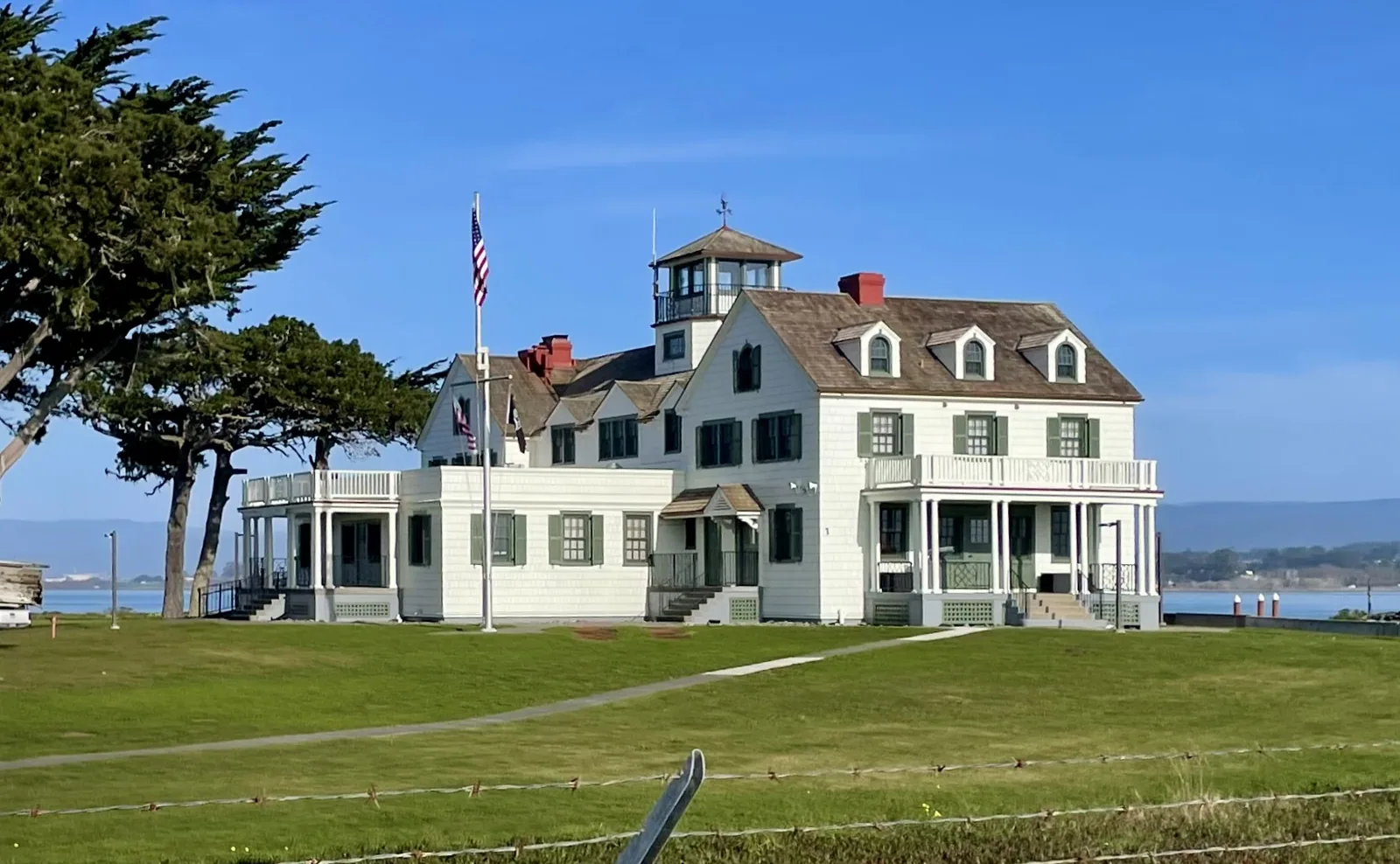
Commercial Roofing in the North Station Area, Santa Rosa, CA
Service Areas
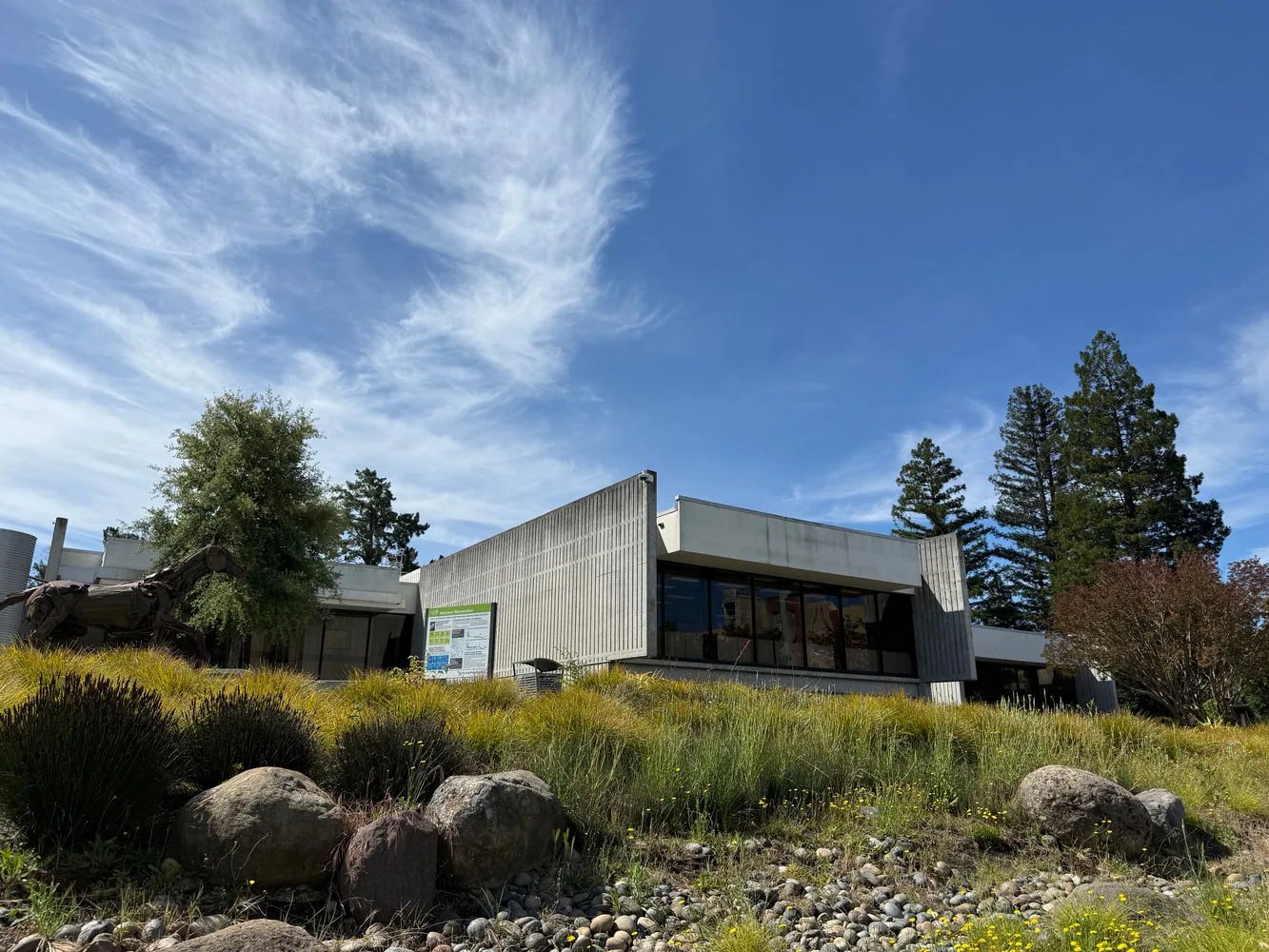
A station district is not one building. Santa Rosa’s North Station Area covers about 987 acres and brings residential neighborhoods, employment centers, commercial districts, schools and civic destinations into the same service area. Coddingtown Mall and Santa Rosa Junior College are part of that geography, but they are not the whole job. A retail roof, a school wing, a flex building and an office each carry different drainage details and operating schedules. We begin with the property owner’s actual need, then inspect the roof that serves that building. If water is active, we stabilize it first; if the decision is capital planning, we record the conditions and rank what can wait. A commercial roof inspection should leave the manager with a clear next step, not another list of unexplained observations.
Serving Santa Rosa • Rohnert Park • Petaluma • Windsor • Healdsburg • Sebastopol • Napa
The area stretches beyond one station or campus
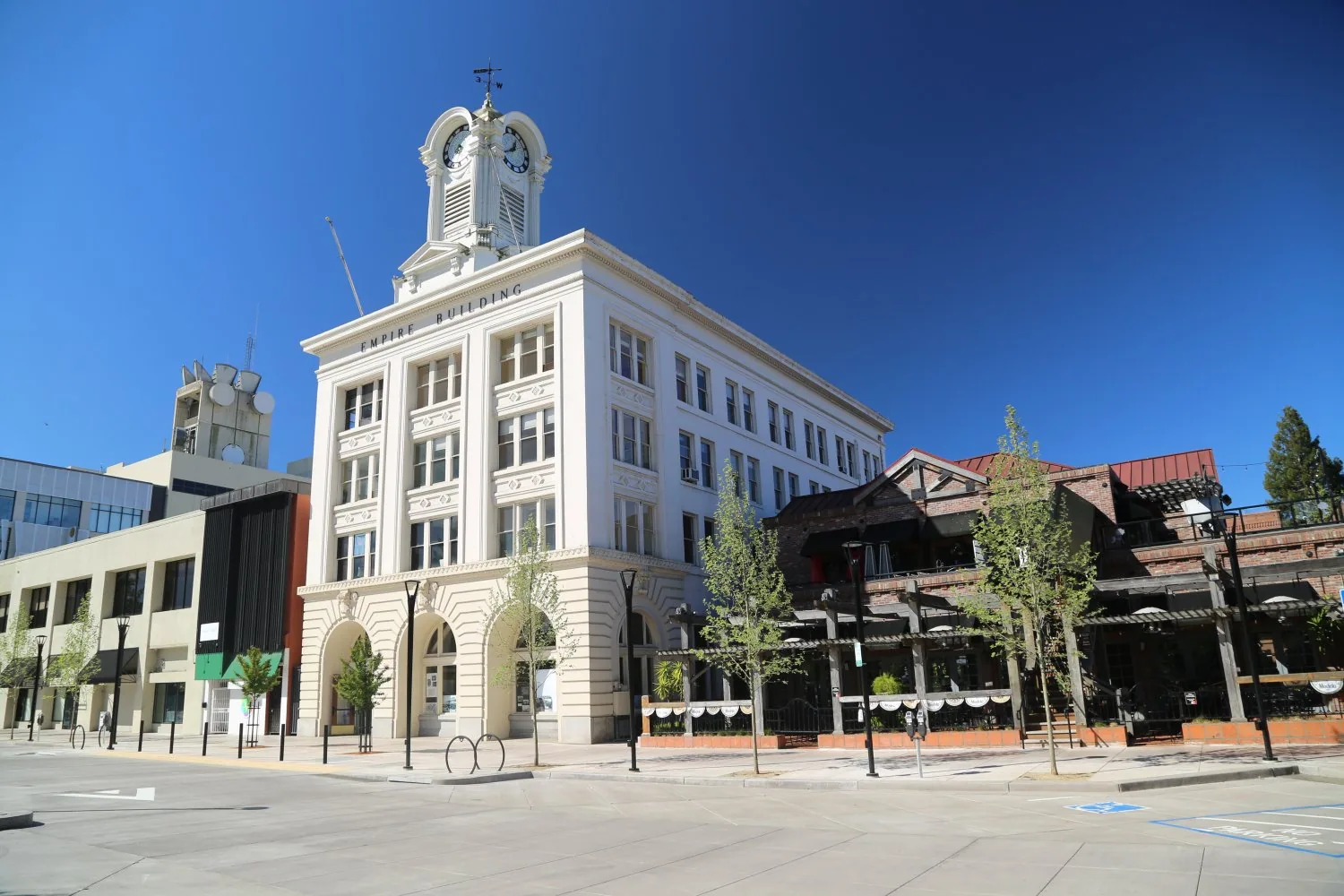
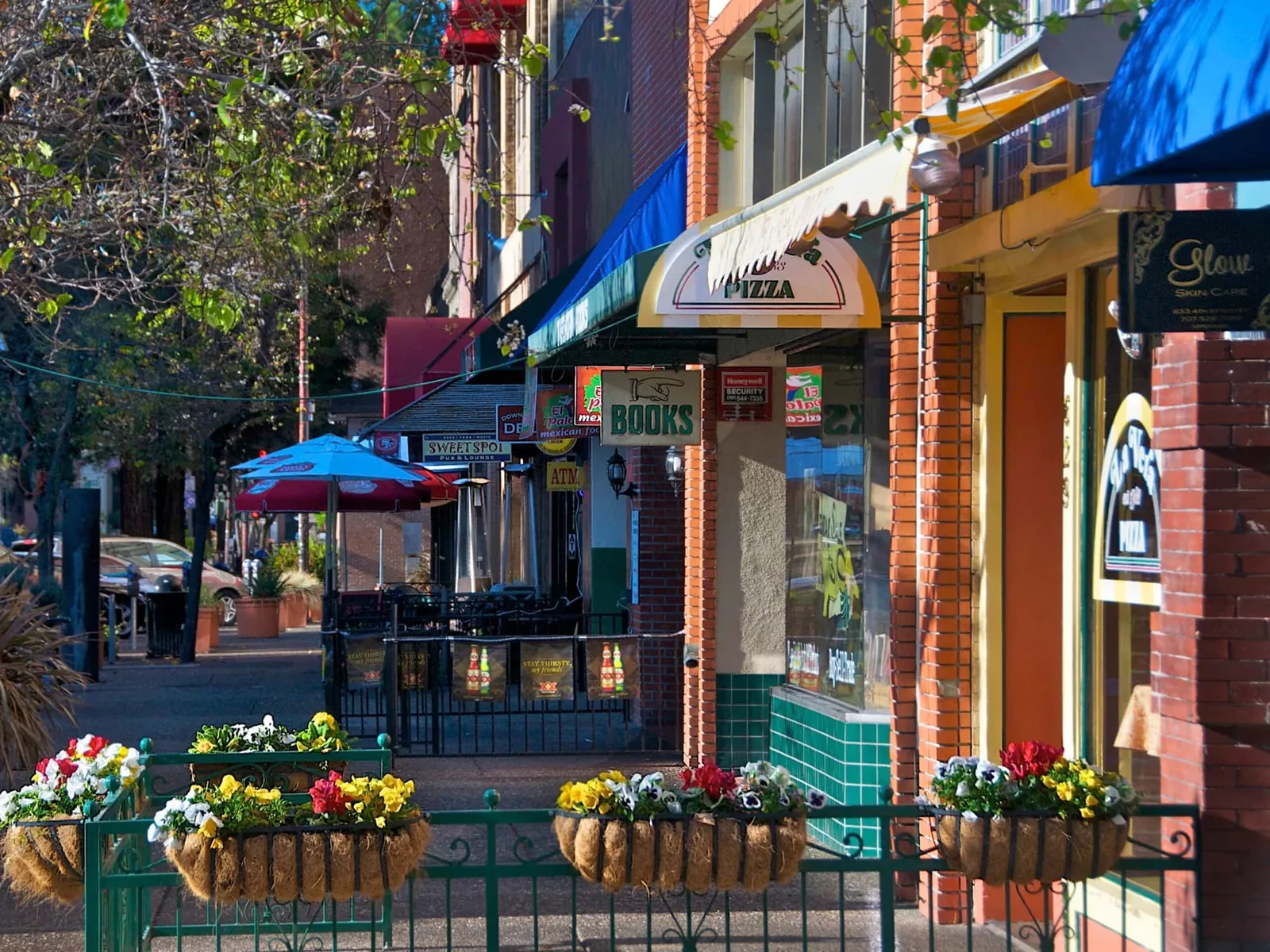
The City’s North Station Specific Plan area is generally bounded by Paulin Creek, College Avenue, Ridley Avenue and Highway 101, with portions extending east to include the junior college and high school. The plan’s wider boundary gives owners a practical frame for work across northern Santa Rosa. The SMART station, a pedestrian crossing project, and commercial or education properties each affect access differently. One roof visit may begin near a loading dock and another above an occupied classroom, so the work plan follows the building rather than a neighborhood label. We note entrances, delivery windows, lift placement and protected walkways before equipment arrives. A Downtown Santa Rosa project has a different street and tenant pattern, while this area spans more kinds of sites and operating calendars. The broader Santa Rosa Avenue Corridor has a separate plan and its own access conditions.
Different buildings ask for different roof checks
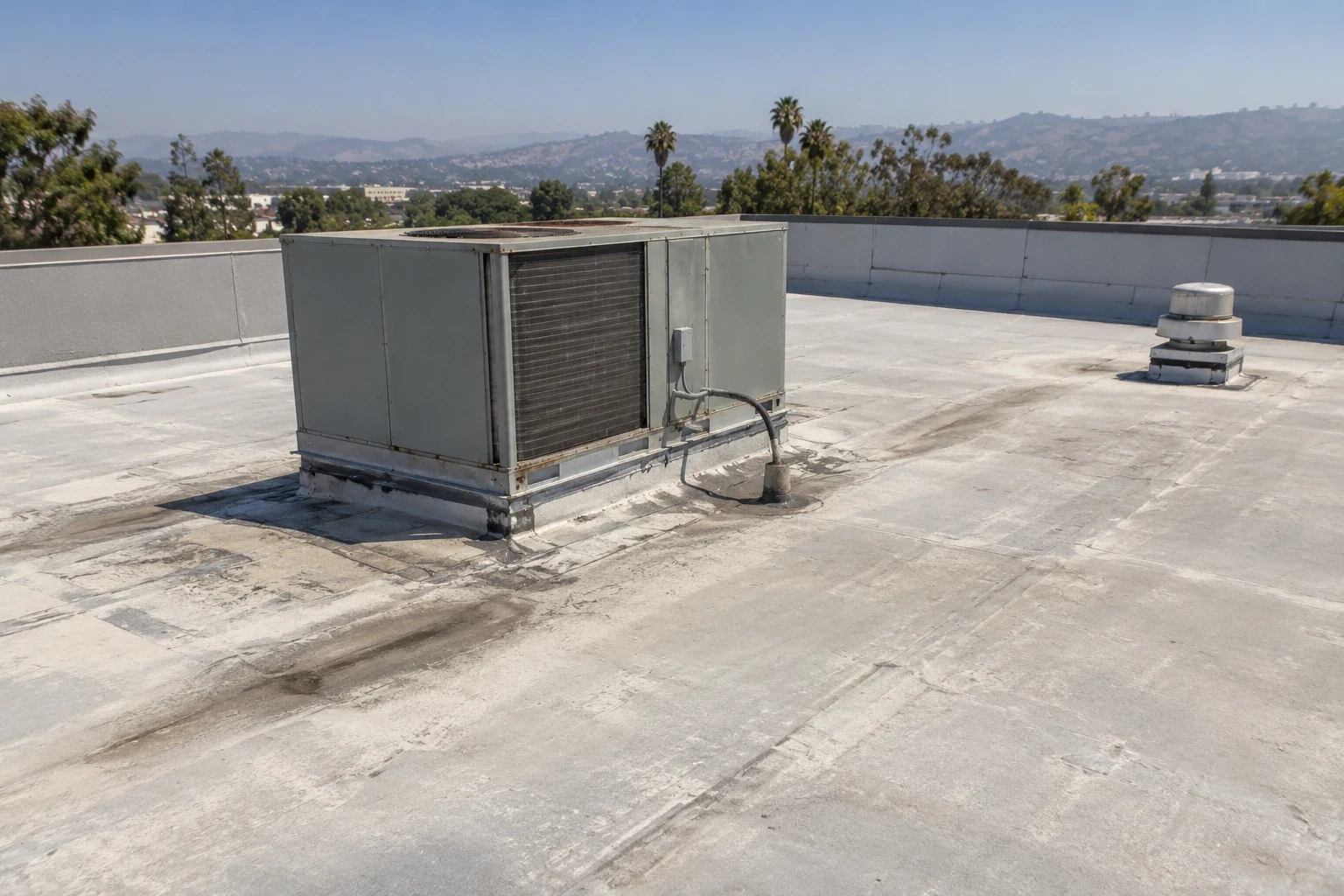
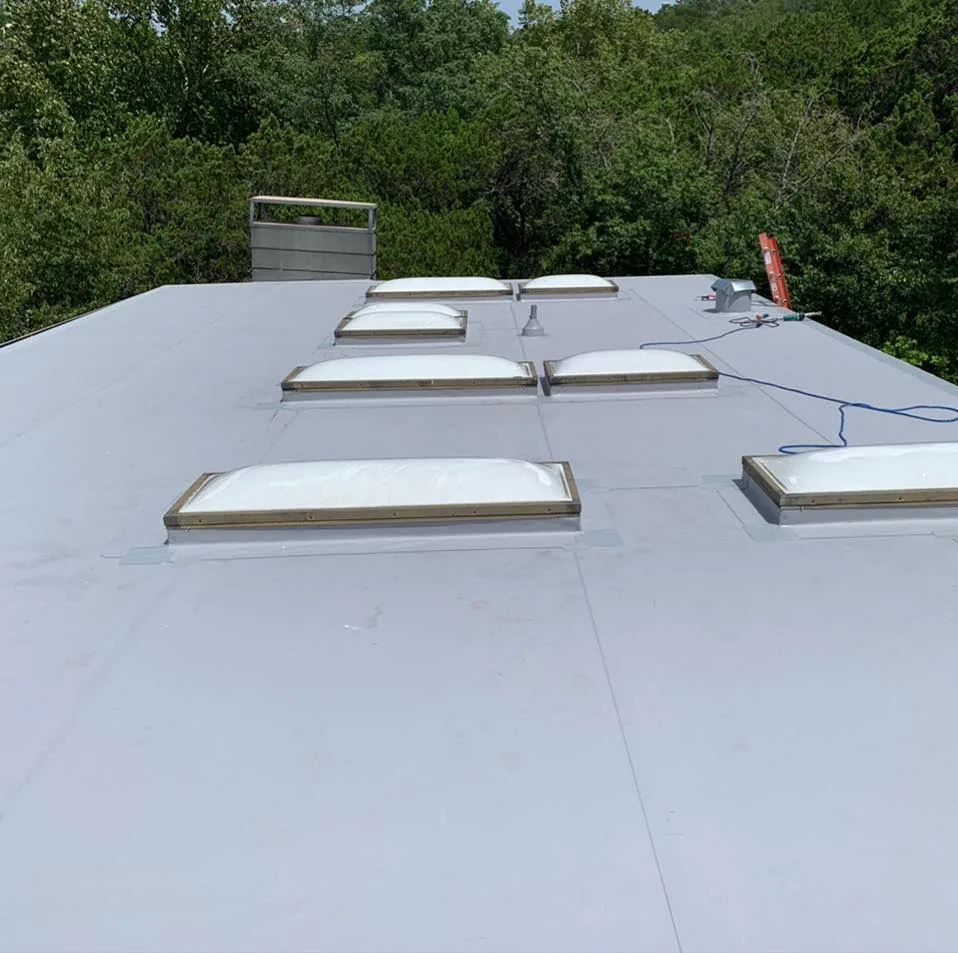
A shopping center roof can hide long internal drainage paths above several tenant spaces. A school roof may be divided into wings that were added in separate phases. A flex building can have rooftop equipment added by different occupants over time. None of those conditions should be inferred from a map or property name. We identify the membrane, insulation, deck, edge details and penetrations in the field, then compare those observations with available repair records. Where several structures share an owner, the condition report lists each roof separately so the urgent leak does not swallow the budget discussion for every other building. College roofing often involves multiple buildings, but each roof still needs its own inspection record.
Make access part of the scope
Rain finds the drain before it finds a seam
Santa Rosa receives about 32 inches of rain in a typical year, much of it in the November-to-March wet season. In November 2024, an atmospheric river dropped nearly 15 inches over roughly three days. That kind of concentrated water tests drains, scuppers and low points before it tests the broad center of a sound membrane. We look for debris, slow drainage, loose drain rings, open lap edges and evidence that water has crossed the roof repeatedly. A pond can make a small defect harder to find because water travels under the surface before reaching the ceiling. Clearing a drain is useful, but it does not repair a split seam or wet insulation. Drain and scupper repair should be paired with a check of the surrounding membrane and overflow path.
A roof may serve an owner whose business is not visible from the street. We check the underside when access is safe, because a damp ceiling tile, rusted deck or recurring odor can signal that water has moved beyond the membrane. The report separates that evidence from what we can see above. This matters on a district with education, employment and commercial uses side by side: access permissions and interior priorities belong to the property being inspected, not to the broader area.
Embers and ash leave evidence of their own
The 2017 Tubbs Fire crossed Highway 101 into Santa Rosa and destroyed about 2,900 homes along with commercial properties. Ash and windborne debris can reach rooftop surfaces and collect at drains, equipment screens and wall transitions. After a nearby fire, we look for melted plastics, damaged pipe boots, lifted edge metal, ash packed into outlets and fragments that punctured the membrane. A roof can remain weather-tight while a penetration or curb has been compromised, so a visual pass from the ground is not enough. Fire-related cleanup also needs care around intake openings and equipment. Wildfire roof damage repair starts with a safe inspection and a photo record that separates debris removal from actual membrane repair.
Choose the repair that solves the observed failure
A roof does not need a full replacement because one drain is slow. Nor does a coating fix saturated insulation or a loose deck. We test suspect areas, check how many roof layers exist and confirm whether the assembly can support a recover. If only a seam or penetration has failed, repair may be the sensible move. If water has traveled across several sections or the membrane has become brittle across the field, we compare a larger restoration with replacement and state what evidence supports each path. The written scope should identify what is included, how the building stays dry during work, and what conditions would change the recommendation. A roof coating belongs in the options only when the existing surface and substrate qualify.
Commercial Roofing Questions
Do we need to treat the entire property if only one area leaks?
No. We trace the water, inspect the roof area above and around the interior sign, and check nearby drains, seams and penetrations. If the failure is isolated and the surrounding assembly is sound, a targeted repair may be enough. If moisture has moved under the membrane or several sections share the same defect, the report will show why a wider scope is justified.
Can work continue while neighboring tenants remain open?
Usually. We plan the sequence according to access, noise and the route materials take to the roof. We agree on work zones, protect doors and air intakes, and separate tear-off from quieter detailing when possible. The owner should identify deliveries, customer peaks and any access rules before the schedule is locked.
What belongs in an inspection record for several buildings?
Each roof needs its own plan, photographs, observed defects, moisture findings and priority. A shared property name does not make the roofs interchangeable. The record should let a manager see which leak needs action now, what maintenance can protect the next roof, and where replacement planning should begin.
Will rain damage a roof that looked sound in summer?
It can expose a weak seam, drain connection or flashing that stayed dry through the previous season. Before the wet months, we clear drainage paths and inspect transitions. If water appears after a storm, the time and location of the interior leak help narrow the search, but the roof still needs a field inspection.
How do you decide between coating and replacement?
We check moisture, adhesion, layers, deck condition, edge height and drainage. A coating can renew a compatible, dry assembly, but it cannot correct saturated insulation or a failing substrate. When the roof no longer supports a reliable repair, replacement may be the better use of the budget. The report shows the reason, not just the option.