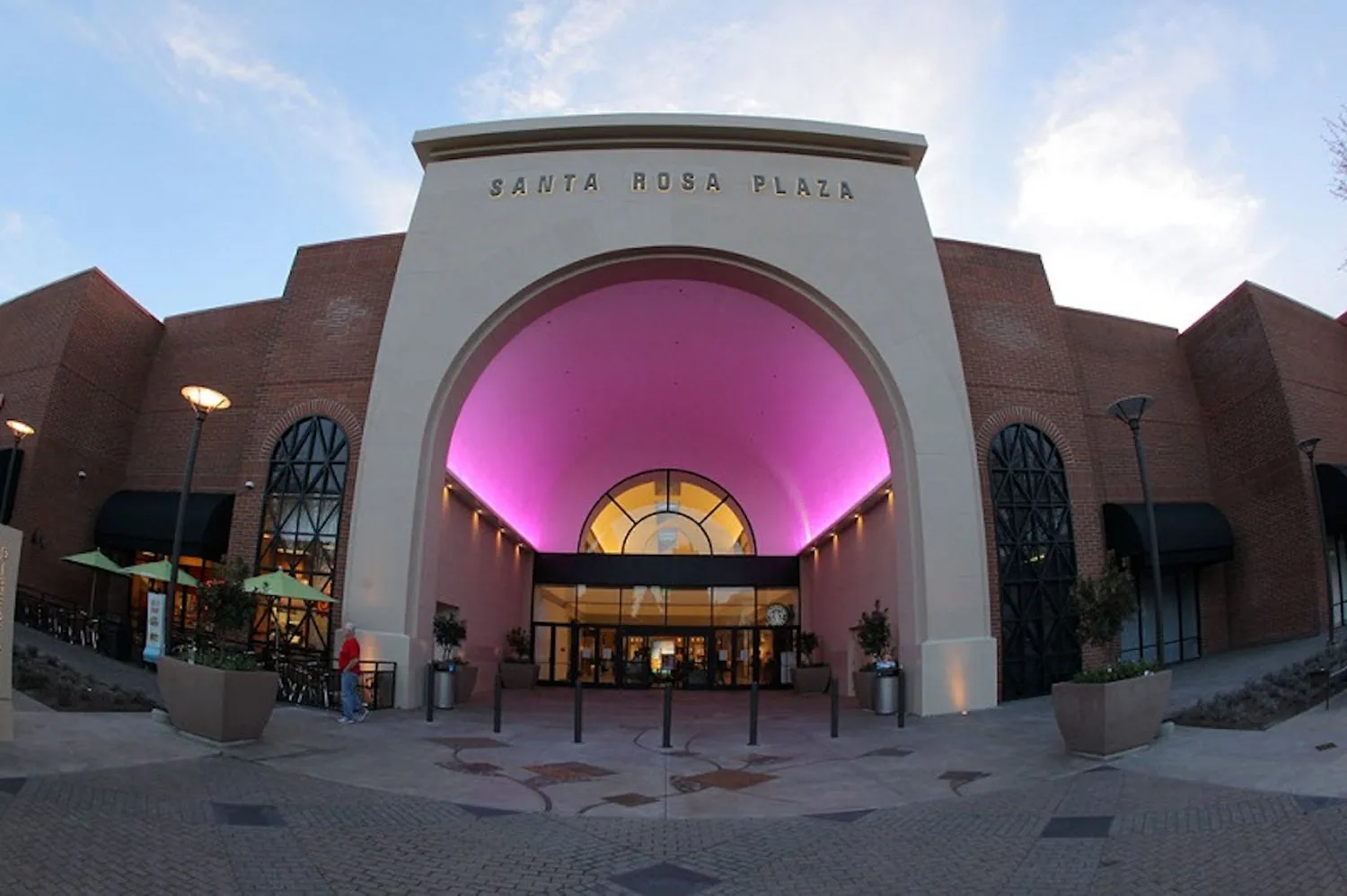
Spray Polyurethane Foam Roofing in Santa Rosa, CA
Roof Systems
Spray foam does not leak at its seams, because it has none. That is the sales pitch, and it is mostly true, which makes the rest harder to say out loud: a foam roof is only as good as the day it was sprayed and the skin that goes on top of it. Bare foam is sunburn waiting to happen.
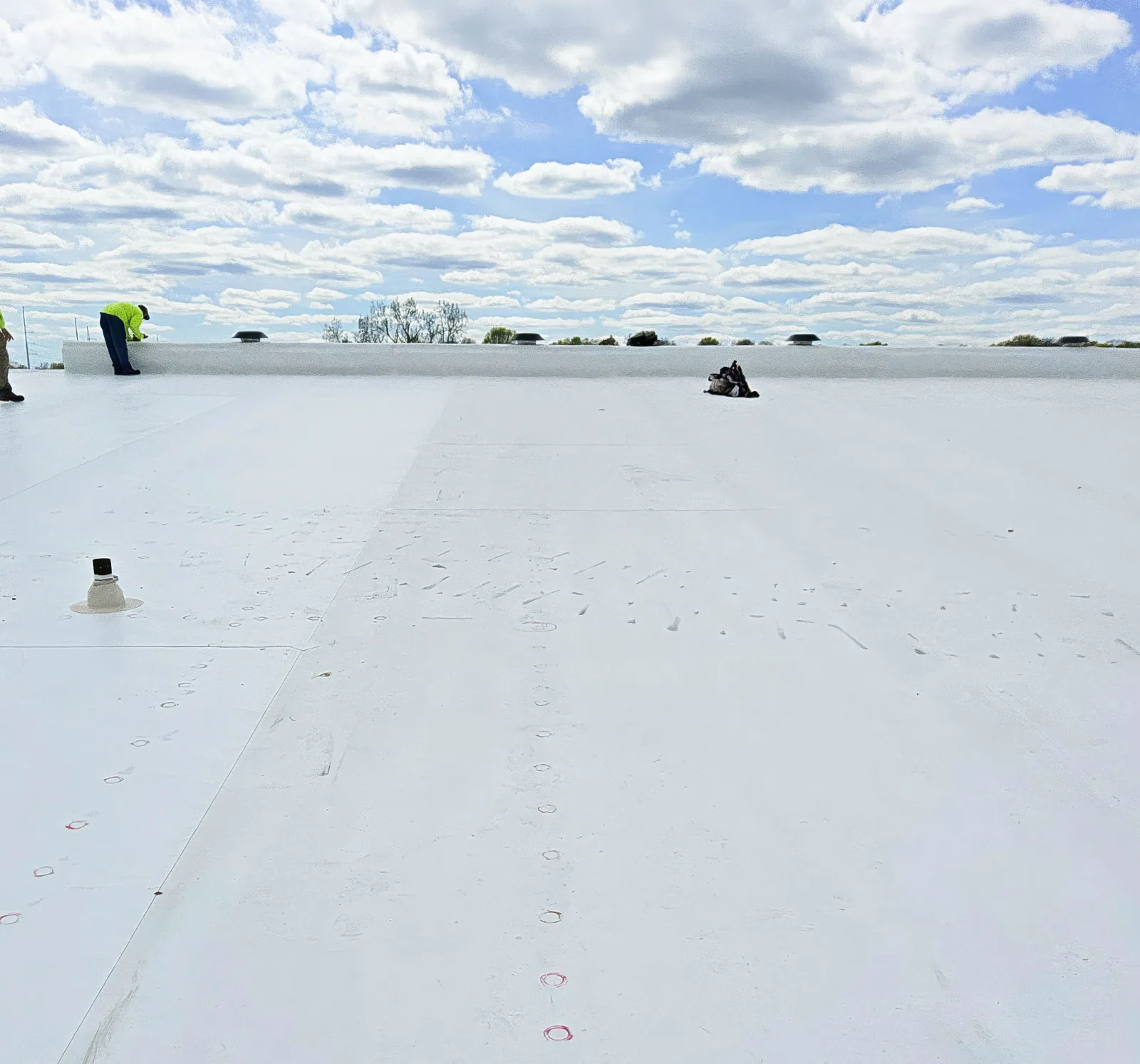
A spray polyurethane foam roof starts as two liquids mixed at the gun that expand into a rigid, closed layer bonded to whatever sits below. It insulates and waterproofs in one pass, and it flows around every curb, pipe and corner without a cut seam. On the right building in Santa Rosa, CA, it is one of the smartest ways to stretch a roof's life. On a wet roof, or a rushed afternoon, it is an expensive mistake that looks fine for about a year.
Serving Santa Rosa • Rohnert Park • Petaluma • Windsor • Healdsburg • Sebastopol • Napa
Foam suits the cluttered roof
Foam earns its keep where sheet membranes get fussy. Picture a flex or light industrial building at the Airport Business Center, a district valued for its Highway 101 access, with rooftop units, exhaust fans, conduit runs and skylight curbs scattered across the deck. A sheet has to be cut, welded and flashed around every one of those. Foam is sprayed around them and climbs the sides as one piece.
The same logic can help on winery production and barrel storage buildings across Sonoma County, wherever vents, tanks and refrigeration lines crowd the roof.
The verdict: if the roof is crowded, dry underneath and worth keeping, foam deserves a serious look. If it is a wide empty field with a few drains, a single-ply TPO roof is usually the cleaner answer.
The skin fails before the foam
Nobody calls because the foam gave out. They call because the coating did. Foam needs a protective skin, usually silicone or acrylic with granules where people walk, and that skin is all that stands between the foam and the sun.
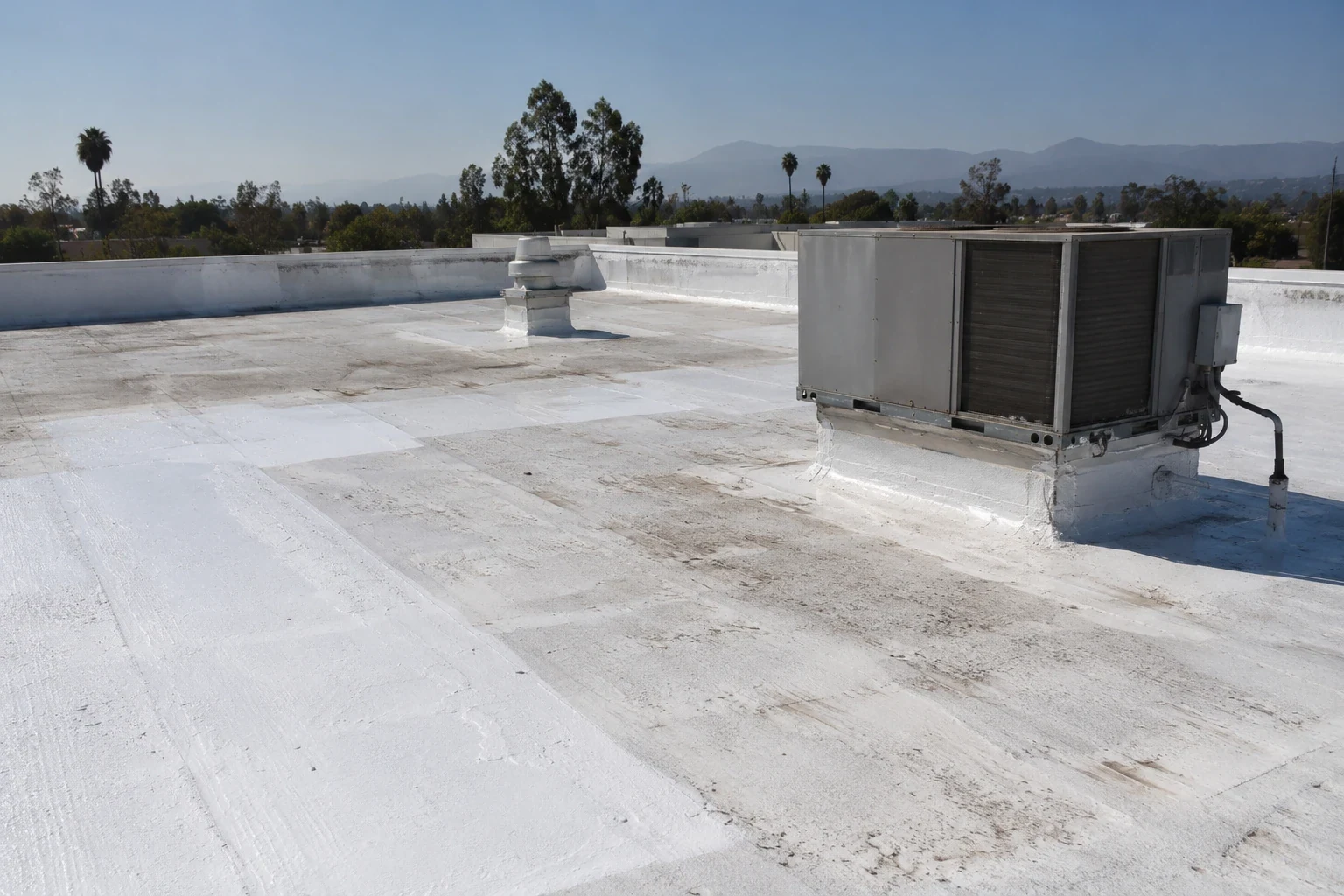
Here is what tired foam roofs show us. The coating has thinned and chalked until the surface looks tan and sandy. Pinholes let water reach the foam, which soaks up a little and then blisters on the next hot afternoon. Paths where a technician carried tools to a rooftop unit are dented or gouged.
The verdict: treat the skin as a maintenance item with its own calendar, and recoat while the foam is still untouched. It is the same reasoning behind restoring a roof that is still sound, applied to a roof that is already foam.
Weather picks the spray day
Choose the skin first
The coating is the decision that matters most, so make it before the foam is priced. Silicone coating sheds standing water and holds up well in sun, which suits roofs with low spots, but it collects dirt and is hard to recoat with anything except more silicone. Acrylic coating is easier to recoat and wash, but it wants a roof that drains and a dry window to cure.
Ash is the local wrinkle. After a bad fire season, soot and ash can settle on a low-slope roof and dull a coating's reflectivity. A skin you can wash and recoat on schedule beats one you cannot.
Foam thickness comes next. It is sprayed in lifts, and we measure depth across the roof instead of trusting one reading at the hatch. The verdict: pick the coating for the roof's drainage and traffic, then size the foam to the insulation the building needs.
Paperwork comes before the spray rig
Any foam reroof permitted in 2026 lands under the new Title 24 cycle: the city adopted the 2025 California Building Code in Santa Rosa City Code 18-04.015 through Ordinance 2026-001, and the 2025 Energy Code is the standard for any filing made from January 1, 2026 onward. Insulation values and cool-roof reflectance can both come into play on a low-slope reroof, and foam touches both.
The Sonoma County Reroofing Guidelines list built-up, modified bitumen, metal and tile reroofing, so a foam assembly is worth confirming with the plan reviewer instead of assuming. One phone call before the contract is signed saves weeks later.
Skip foam over wet roofs
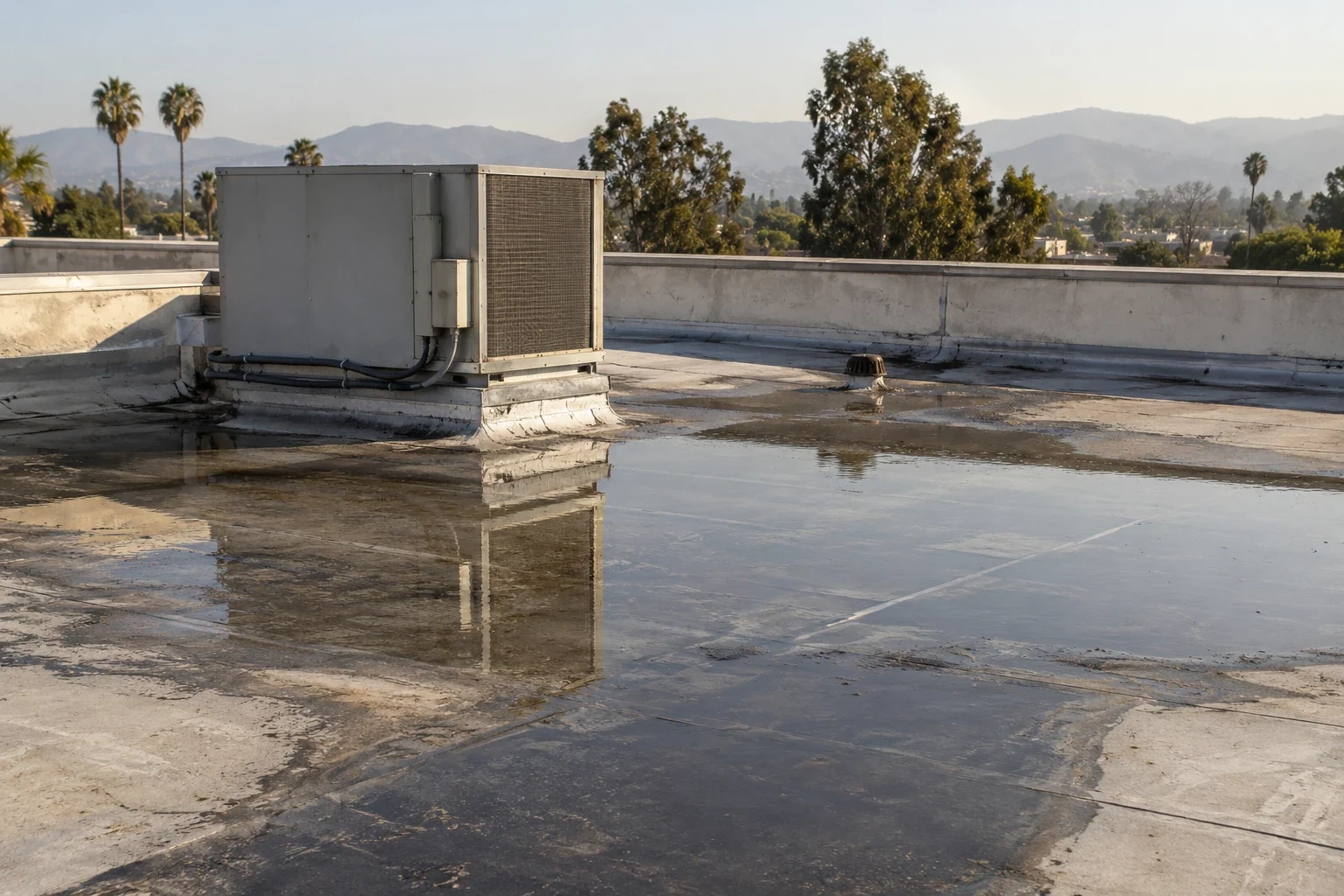
Foam sprayed over wet insulation traps the water, and the moisture finds the new layer. Before anyone orders material, we run an infrared moisture survey and confirm with a few cores. A dry roof with a tired membrane is a fine candidate. A roof with soaked insulation across a wide area is a tear-off.
Other poor fits: shaded roofs that never dry out, soft decks, and buildings where tenants cannot tolerate air intakes being shut during spraying. Where the roof has little rooftop clutter, foam rarely pays back its extra complexity over a conventional insulation and cover board system under a single-ply sheet.
The verdict: foam is worth it on a dry, crowded roof with a plan for the skin, and not worth it as a patch over trouble.
Commercial Roofing Questions
My foam roof has tan, sandy patches showing. Is it too late to recoat?
Usually not, but move fast. Tan and sandy means the original coating has worn through and ultraviolet light has started eating the foam itself. Foam that is still firm and dry can be cleaned, repaired and recoated in a single visit. Foam that is soft or wet needs those areas cut out first. A walk with moisture scanning shows which one you have.
Can spray foam go over the roof I already have?
Often, if the roof underneath is dry and well attached. Built-up, modified bitumen and many metal roofs accept foam after cleaning and priming, while single-ply membranes vary and some need removal. We scan for trapped moisture, probe the insulation, and check the old layers are bonded to the deck, because foam will not repair a roof that is wet underneath.
Will spray fumes reach tenants in an office or flex building?
They can if intakes are left open, which is why we plan around them. While the liquids react, vapors should stay out of the building, so we coordinate with whoever runs the HVAC, cover intakes, spray at off hours where tenants are sensitive, and share the schedule early. A medical suite or lab deserves an even slower plan.
Does foam make sense after Tubbs and the ember risk around here?
Only with the right assembly. Cured foam is combustible when exposed, so the coating over it and the rating of the complete roof carry real weight. Ask for the tested assembly rating before approving foam, and keep leaves and debris off the roof. If the rating comes back weak for your building, a membrane or metal system is the better choice.
Why does my foam contractor keep rescheduling spray days?
Because a damp morning, a gusty afternoon or an overheated deck can ruin a day of foam, and a good contractor would rather lose the day than the roof. Morning fog is a common culprit near Santa Rosa. Foam sprayed onto a damp surface blisters, and the damage may not show for months. Treat a contractor who never reschedules as a warning sign.

Tell us what is on the roof
Call Commercial Roofing Santa Rosa. After we look at the deck, the old membrane and the drainage, we will say plainly whether foam belongs on it now, later, or not at all.