Commercial Roofing in Fountaingrove, Santa Rosa, CA
Service Areas
A fire that ended in 2017 can still be sitting in a roof in 2026. Fountaingrove lost homes, the Fountaingrove Inn and the historic Round Barn to the Tubbs Fire, and most of the houses were rebuilt or replaced by 2019. Houses went through permits and inspectors on the way back. A commercial roof in the district that stood through that October may never have had anyone climb up and look at what the embers and ash left behind.
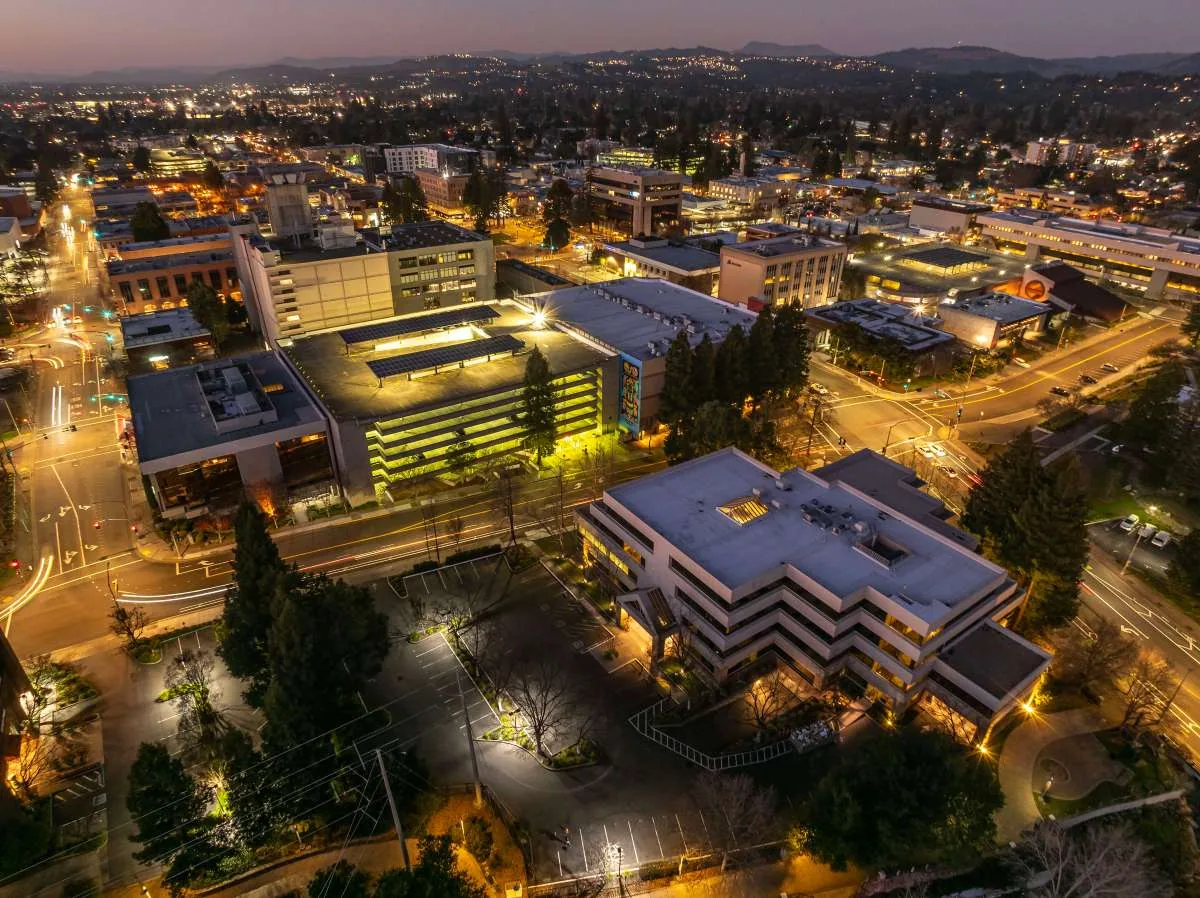
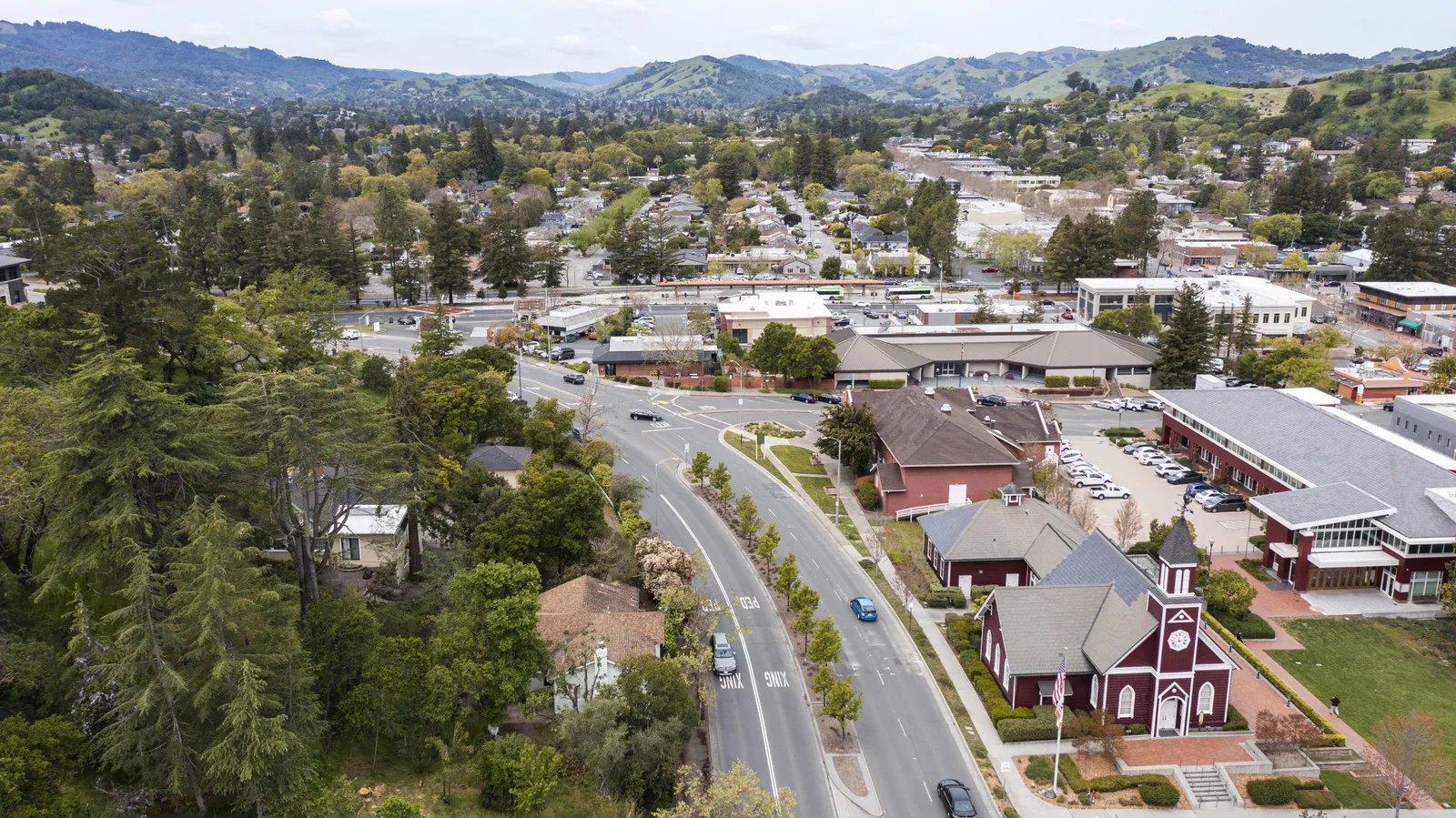
Fountaingrove is the north Santa Rosa district that holds the Keysight Technologies headquarters and Fountaingrove Lake. Corporate and commercial buildings here call for low-slope and metal roof work: a hands-on walk, a moisture scan where the walk raises questions, then the right call on repair, recover, coating or replacement for Santa Rosa, CA owners.
Serving Santa Rosa • Rohnert Park • Petaluma • Windsor • Healdsburg • Sebastopol • Napa
A headquarters roof carries more than a lid
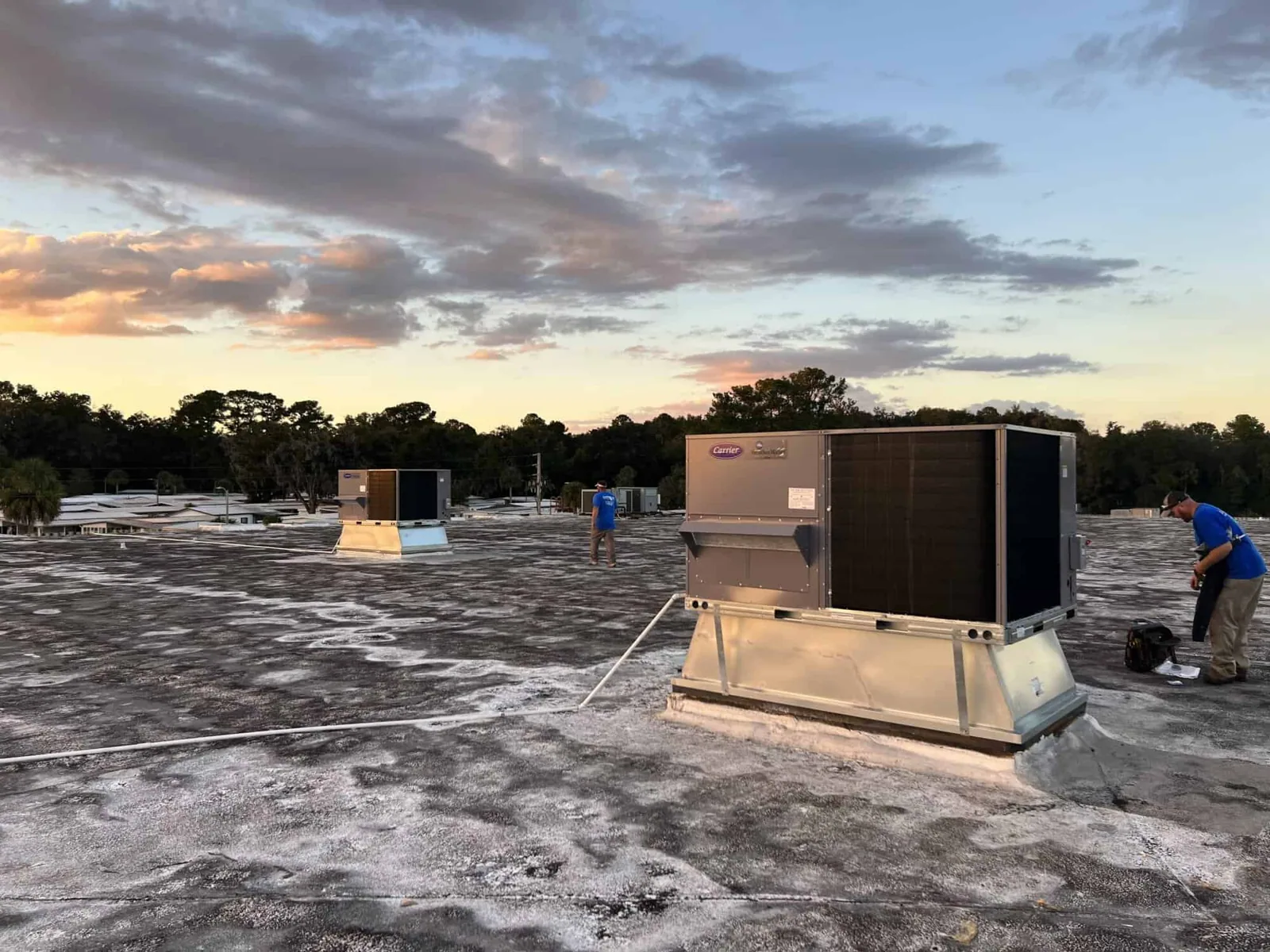
Keysight is headquartered in Santa Rosa and employs about 1,700 people here, out of roughly 16,800 worldwide. Offices and technology space tend to put air handlers, exhaust and condensers on a roof, along with conduit and cable runs that someone cut through the membrane years ago and sealed with whatever was in the truck.
Every one of those is a place where water can enter, and the people under it are doing expensive work. On a first walk we count curbs and equipment supports, trace the penetrations back to a purpose, and mark the ones that no longer have one. An abandoned pipe flashing is a leak waiting for a wet January.
Verdict: remove what serves nothing, reflash what stays, and put the rest in a written plan before anyone talks membrane.
What embers and ash leave behind
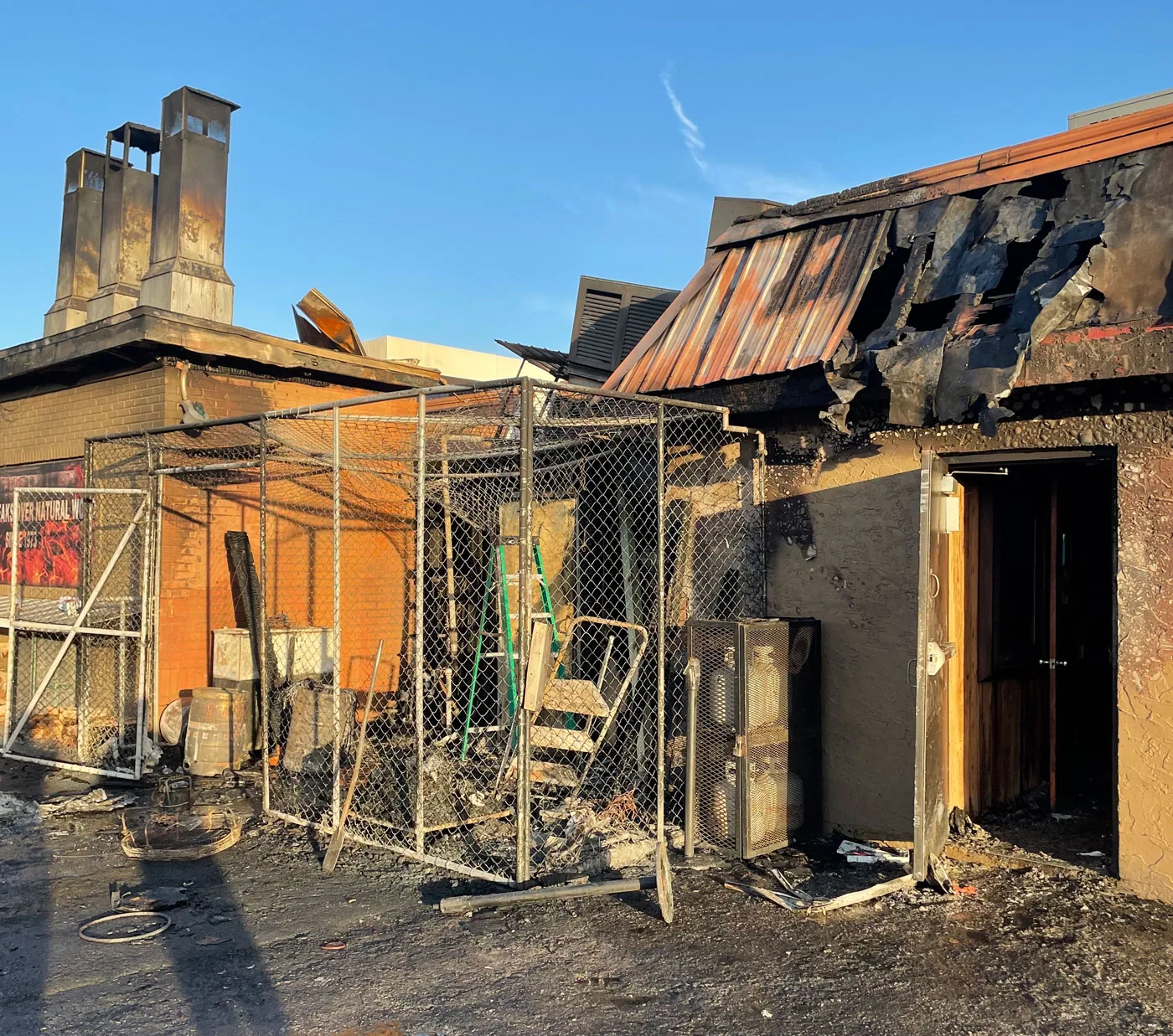
In October 2017 the Tubbs Fire came over US 101 into Santa Rosa on winds near hurricane strength, and gusts from the Diablo winds topped out at 70 mph that month. A roof does not have to burn to be hurt in a wind event like that. Embers lodge behind parapets, under equipment skirts and in the corners where debris already collects, and they can leave small burn pits or scorched spots in a membrane that still looks fine from a lift.
Ash and burned needles pack drain baskets and scuppers, and the first hard rain after a smoke season finds them. After any fire event we clear every outlet, look for pitting and discolored patches, and check plastic parts such as vent boots, gaskets and sealant, which soften before the membrane does. If any of this turns up, we write up the fire damage repair with photos, which also matters later if an insurer asks.
Heat opens what rain finds
Look first, then choose
Four options cover most of what we recommend. Repair when the damage is local and the insulation is dry. Recover when the field membrane is sound, the insulation is dry and the existing layers allow it. Coat when the surface is tired but the roof underneath is healthy. Replace when moisture has spread or the membrane is finished.
The way to tell them apart is a moisture survey plus a hands-on walk, not a hunch. Timing matters too. Ordinance 2026-001, dated January 13, 2026, brought the 2025 California Building Code into the city code, and the 2025 Energy Code governs permit filings from the start of 2026. So we settle insulation and reflectance in the design, ahead of the bid, instead of at the inspection.
If a roof is dry and sound, say so plainly and leave it alone. We would rather tell an owner that than sell a coating.
Skip the cosmetic fix
Some money here is wasted every year:
- Fresh coating over burn pitting, which hides the damage and does not close it.
- A whole new roof because a neighbor replaced theirs.
- Silicone or acrylic sprayed over insulation nobody has scanned.
- A repair crew with no photos and no written scope.
Money that does help goes toward knowing the roof. The wildfire map is moving, too. The city's wildfire map, last drawn in 2009, is being revised after new CAL FIRE hazard maps: 3,082 parcels move in and 811 move out. Check your parcel against it. Roofs on a long-term plan, set up through roof capital planning, absorb changes like that without a scramble, which is also the sensible path for owners on the commercial side of Highway 101 near Coffey Park.
Office, flex and light industrial roofs at Airport Business Center put equipment curbs and roof access at the center of the work plan.
Commercial Roofing Questions
A commercial roof here came through the 2017 fire. How do we know whether it needs work now?
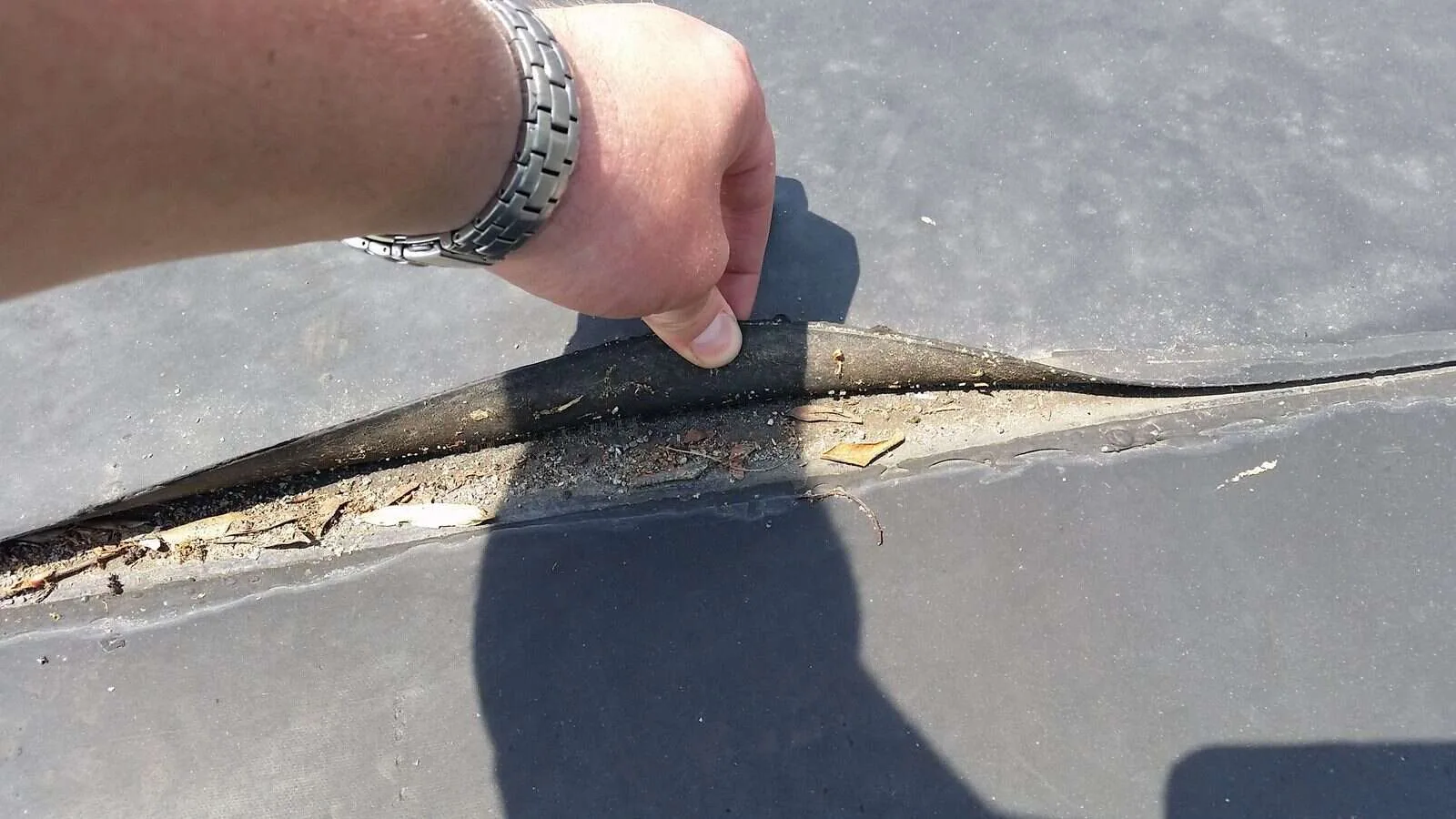
Have someone walk it, with photos, before you decide anything. The signs are small: scorched or pitted spots, softened sealant, melted vent boots, drains packed with burned debris, and ceiling stains under any of those. If the walk finds none of them and the drains run clear, the roof can wait, and a written report will say so. If it finds a few, they are a repair job. Reserve a larger scope for moisture that has spread under the membrane.
Is a reflective coating worth it on an office roof in this heat?
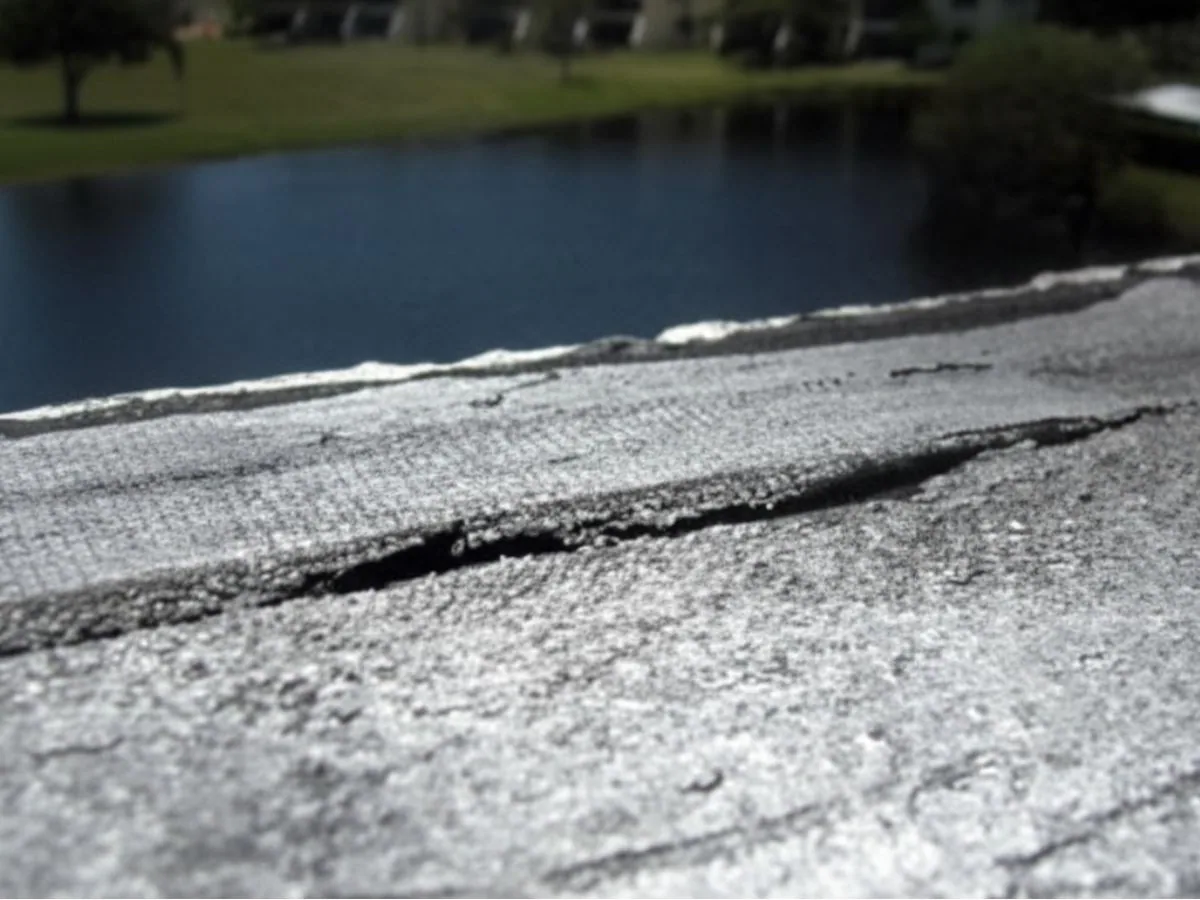
Worth it when two things are true: the insulation underneath is dry and the membrane is still sound. A coating on that kind of roof lowers surface temperature and slows the stretching that heat causes. Not worth it over wet insulation, and not worth it over seams that have already opened, because the coating seals the water in instead of keeping it out. A moisture scan before the coating decides which situation you are in.
Does the Wildland-Urban Interface update change what can go on my roof?
For a reroof, not on its own. Sonoma County's reroofing guidance says the Chapter 7A wildfire rules in the building code apply to new construction, not to a reroof. Embers are still a real risk in the Fountaingrove hills, so ask for a Class A fire-rated roof assembly anyway. Check your parcel on the revised map, and confirm with the building division before you settle the scope.
Our rooftop equipment cannot go down during roof work. What are our options?
Phase the job around the equipment rather than around the calendar. We can reflash curbs one unit at a time, set temporary supports, and schedule the shutdown of any single unit for the shortest window the work allows. Planning that sequence takes a day on the roof with the facility manager, and it is far cheaper than an unplanned outage in the middle of a tear-off.
How should a corporate owner split the budget between repair and replacement?
Start with the condition report, then rank sections by how close each is to failing and how much sits underneath. Fund repairs on the roofs with life left, hold a reserve for storm weeks, and plan replacement for the sections that are wet or finished. Do this before the wet season, not during it, because winter pricing and winter weather both work against you.
Send us the address
Call and tell us which building in Fountaingrove and what it came through. Once we have walked it, you will hear plainly whether the roof needs work now, later, or not at all.