Roofing Support for Insurance Adjusters and Restoration Contractors in Santa Rosa, CA
Industries We Serve
Adjusters do not need a roofer's opinion on coverage. They need measurements they can check without driving back out. Coverage is the carrier's call, and a roofer who tells you otherwise is selling something. What we can do is separate what the weather did from what the years did, show the evidence in photographs and moisture readings, and write a scope that someone else can price.
That work matters in Santa Rosa, CA because the losses here arrive in bursts. A wind-driven fire in October 2017 or nearly 15 inches of rain in three days in November 2024 is the kind of event that puts a stack of commercial roofs in front of one adjuster at once. We support carriers, adjusters and restoration contractors with fast, plain documentation and a crew that can keep a damaged roof closed until the claim moves.
Serving Santa Rosa • Rohnert Park • Petaluma • Windsor • Healdsburg • Sebastopol • Napa
Cause comes first
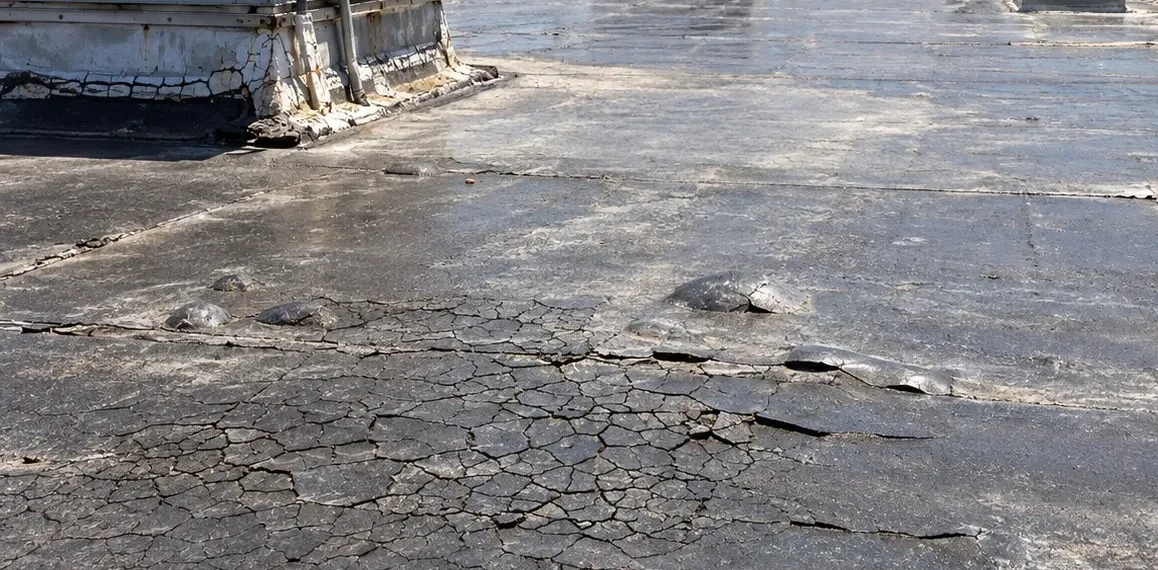
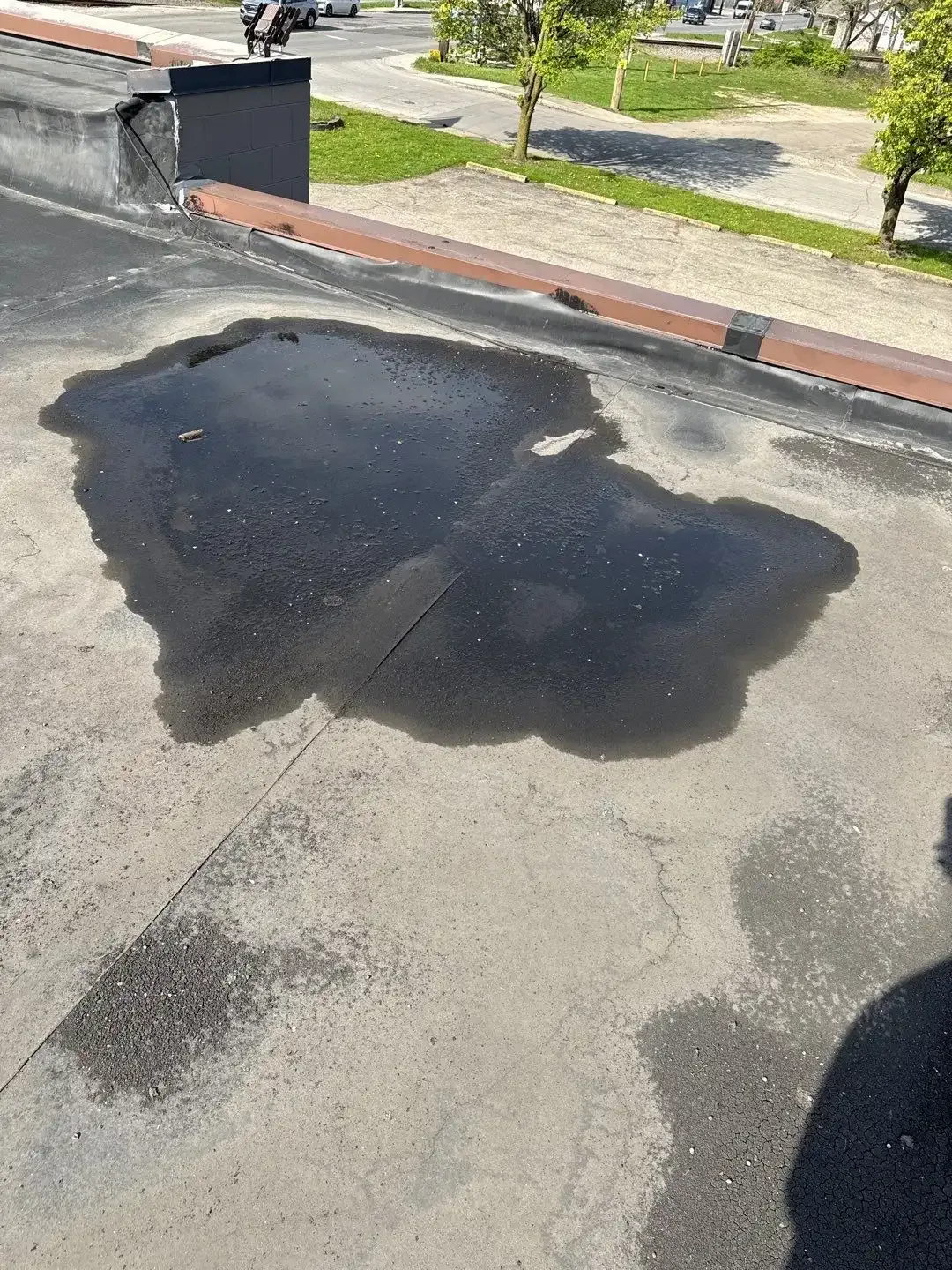
Most disputed roof claims turn on one question: what actually damaged this roof? A torn seam can come from wind, from shrinkage or from foot traffic. Wet insulation can come from a storm opening or from slow seepage over several winters. A blistered surface can be fire or plain age. The answer sits in the details, and the details are easy to lose.
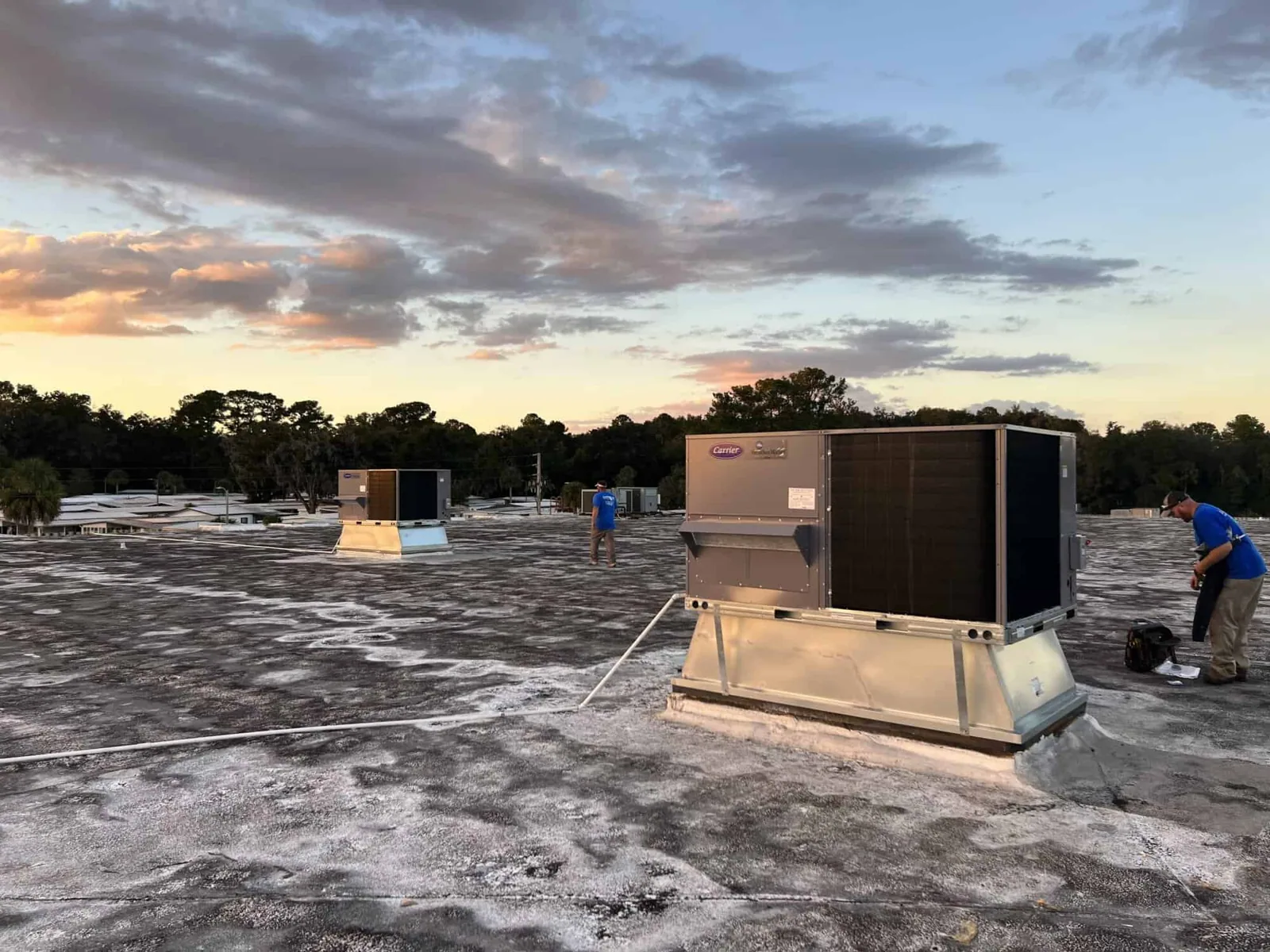
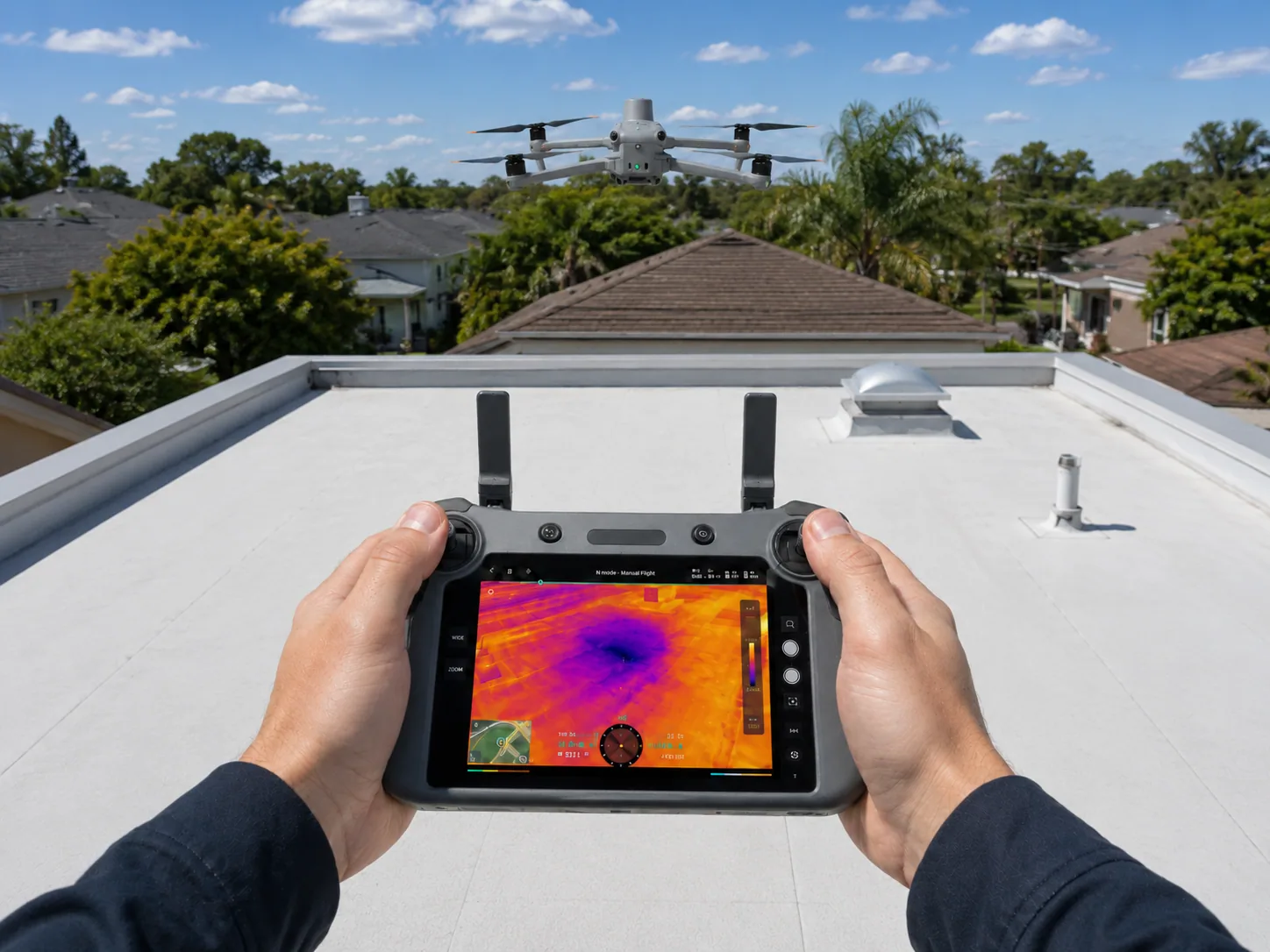
We map the roof before anyone touches it. Photographs run from wide shots to close-ups with a scale reference, tied to a roof plan. An infrared moisture survey shows where the insulation is wet and how far it spreads, and cores confirm what the scan suggests. Fresh damage tends to show clean edges, new debris and a direction; long-term failure shows staining, stacked repairs and oxidized sealant. We report both, with dates and weather, because most roofs carry some of each. The verdict is a written scope that names which damage is recent, which is not, and what the roof needs either way.
Tarp first, argue later
An open roof lets water damage spread through contents and ceilings. That is why the first visit is about stopping water and documenting what is there, in that order, and why emergency roof repair begins with temporary water control and careful documentation, subject to safe roof access.
A good temporary dry-in is built to be removed. Tarps and sealed patches go over the opening without destroying the evidence beneath them, and anything torn off is bagged, labeled and photographed before it leaves the site. We tell the restoration contractor where interior drying can start safely, and we tell the adjuster how long the temporary measure will hold. In Santa Rosa that clock is the rain: about 32 inches arrive in a year, most between November and March, so a patch that suits August will not suit December. When the loss is wider than one opening, storm damage roof repair starts as soon as the dry-in holds.
Fire files look different
Repair, replace or coat
The scope question decides the claim. A roof with localized damage and sound surrounding membrane usually calls for a repair, and a roof with wet insulation across most of its area, or a sheet that is brittle everywhere, may justify replacement. The choice should follow measurements, not the size of the estimate.
Matching matters too. A new section of membrane next to an aged one may not blend visually or weather alike, and the seam between them becomes a new weak point. Code matters as well. Permit applications filed on or after January 1, 2026 fall under California's 2025 Building Standards Code, and the Sonoma County Reroofing Guidelines set separate expectations for reroofing. We put those facts in the scope and leave the coverage question, including any ordinance or law provision, to the policy. A roof coating belongs on a claim only when the roof underneath is dry and sound, which matters to investors holding several buildings.
After the burn comes the rain
A fire season is followed by a wet one, and the two stack. Burn scars east of Santa Rosa from the Glass Fire raise runoff and debris concerns when heavy rain arrives, and a roof whose drains are already packed with ash has less margin for the water. In November 2024 an atmospheric river left close to 15 inches on Santa Rosa over about three days, and streets flooded, so a roof with partly blocked drains and a weakened membrane gets tested hard.
For carriers, the practical point is timing. A loss reported in October needs its roof protected before November. Delay turns a repairable roof into a wet-insulation problem and a wet-insulation problem into a larger claim. In places like Healdsburg and Geyserville, where the Kincade Fire forced evacuations in 2019, we plan the first inspection around access and then around the forecast. A property management company with several affected buildings gets one schedule instead of several.
Commercial Roofing Questions
What belongs in a roofer's report that goes into a claim file?
A dated roof plan, labeled photographs at three distances, moisture readings with the method named, core findings and a plain statement of what is recent versus long-term. The scope should list quantities and materials without quoting coverage. We attach a short cause statement and mark where evidence was moved or covered. A file built that way can be priced by anyone who was not on the roof.
How do you tell a storm opening from a roof that was already worn out?
Look at the edges of the damage and the condition of the roof around it. A fresh tear has clean edges and a direction; an old failure has stains, layered patches and dirt in the opening. Core samples add another check, because wet insulation with long-term discoloration points to slow seepage. Most roofs carry both, so the report names each and sizes each. That gives the carrier a number it can defend.
A roof survived the fire with no visible burns. Is it clear?
Not yet. Embers and heat can damage a membrane in ways that show only after a few weeks of sun or the first rain. Ash also packs into drains and behind curbs. We walk the roof closely, clear the drainage and photograph any pitting, scorching or melted sealant. If the surface is clean and the insulation is dry, we say so and the file closes. If not, you want to find out before November.
Can you work beside a mitigation contractor who is already on site?
Yes, and the order matters. The roof has to stop leaking before interior drying can last, so we close the opening first and tell the mitigation crew when it is safe to set equipment. We share moisture readings so they do not dry areas the roof will keep wetting. Coordinating the two crews daily is cheaper than drying the same ceiling twice.
Will someone from your team meet the adjuster on the roof?
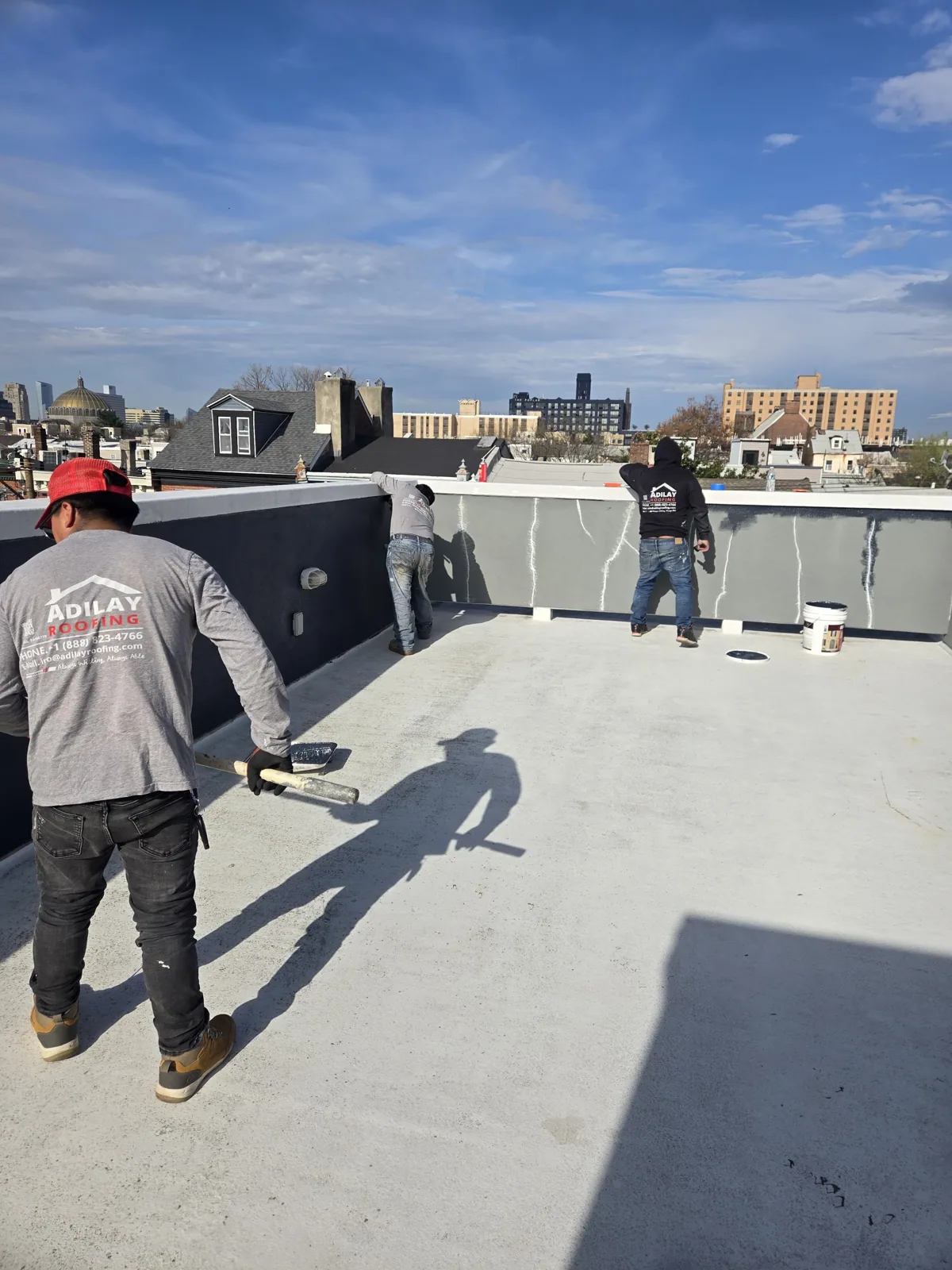
We will, with the plan, the photographs and the moisture map already in hand so the walk answers questions instead of raising new ones. We stay out of coverage arguments. If the adjuster sees something differently, we compare notes on the roof and revise the report where the evidence supports it. Agreeing on what is physically there is the part we can do plainly.
Get the roof facts to the file
Call Commercial Roofing Santa Rosa. We will protect the roof, document the damage and tell you plainly what is storm, what is age and what the roof needs next.