Cool Roof Installation in Santa Rosa, CA
Commercial Roofing Services
A white roof stops being a cool roof the day it gets dirty. Reflectance is a number measured on a clean sample, and real roofs live with dust, algae and soot. In Santa Rosa, CA the soot is not a figure of speech. After the Tubbs Fire in 2017 and the fire seasons since, a flat roof anywhere from Santa Rosa Avenue Corridor to the Airport Business Center can carry a coat of ash, and Pacific fog can leave the winter surface damp often enough for a green film to grow.
None of that means a reflective roof is a bad idea. It means the idea only pays when somebody picks the right system, installs it on a roof that deserves it, and keeps the surface clean afterward. We will tell you plainly which side of that line your building sits on.
Serving Santa Rosa • Rohnert Park • Petaluma • Windsor • Healdsburg • Sebastopol • Napa
The rating is not the roof
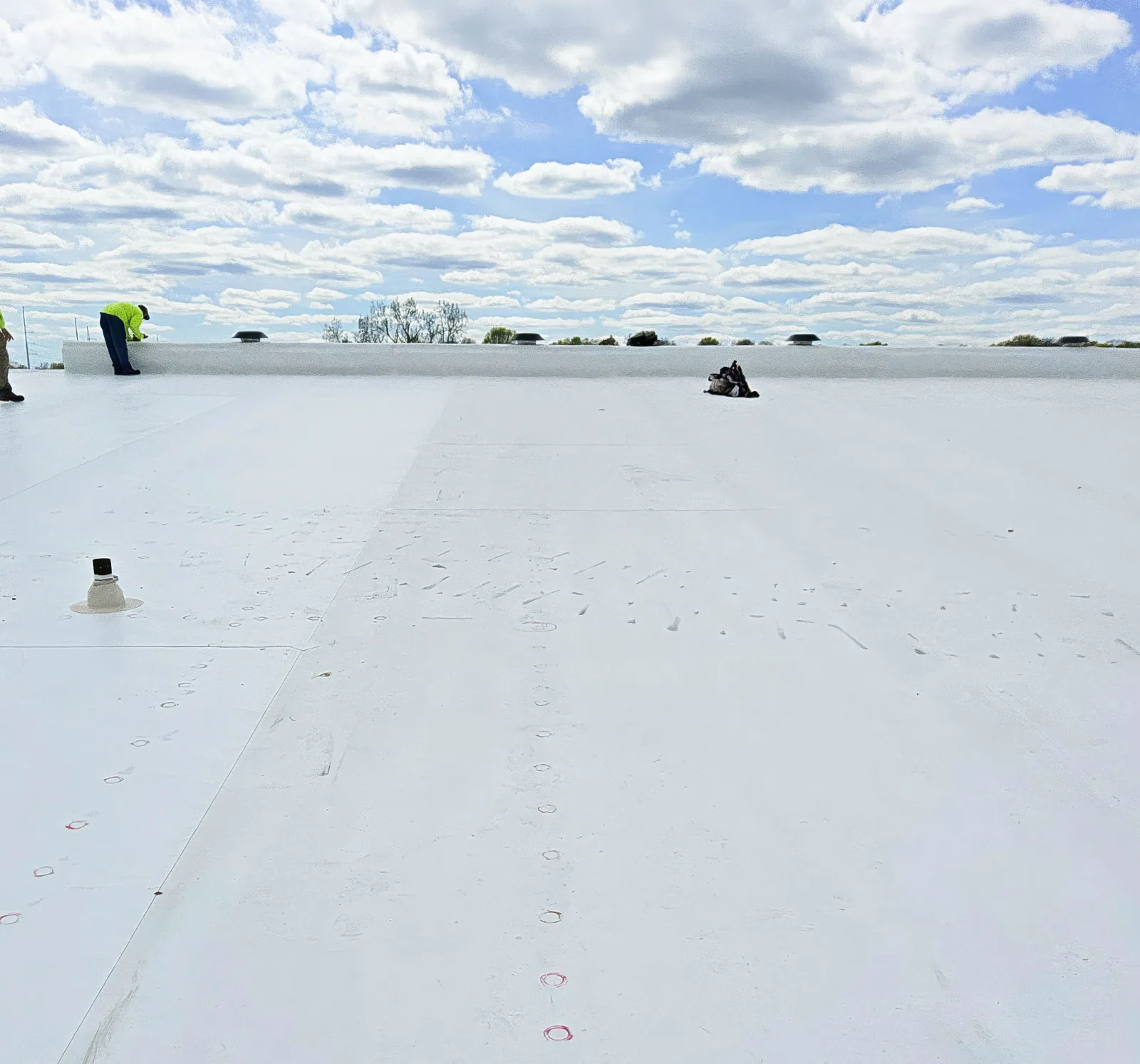
Reflective products carry two numbers: how much sunlight the surface throws back and how well it sheds the heat it does absorb. Look for the aged values, measured after the product has weathered, because the day-one numbers flatter every product on the market. A membrane that starts bright and drops fast is a worse buy than one that starts a notch lower and holds.
California's energy code sets reflectance and emittance minimums for low-slope commercial roofs, and the 2025 version applies to permit applications submitted on or after January 1, 2026. How much of the roof you replace, and what is under it, shapes which provisions reach your project. Santa Rosa's building division is the final word, so we ask the questions before the bid goes out, not after the inspector arrives.
Heat is the reason to do it
On September 6, 2022 Santa Rosa hit 115 degrees and Healdsburg hit 117. Cloverdale at the north end of the county can pass 100 degrees in summer. A dark membrane on a day like that gets hotter than the air by a wide margin, and the heat does two kinds of damage: it drives the cooling load up inside, and it cycles the membrane through a daily swing that tires seams and flashing.
A reflective surface cuts both. The payoff is biggest where insulation is light and a lot of glass or equipment sits under the roof, which can describe flex and light industrial buildings and single-story retail. It is smaller where the cooling load comes mainly from people and lighting inside. We would rather say that up front than sell a white roof as a cure-all.
Pick the system by building
Plan the wash before the install
A white roof in a county that has had the Tubbs Fire in 2017, the Kincade Fire in 2019 and the Glass Fire in 2020 has to plan for ash, which dulls a surface fast. Rain helps, but only part of the way. Low-pressure rinsing after a smoke event brings back most of what the roof lost, and a gentle algae treatment before the wet season keeps the shaded edges from greening up.
Pressure washers are the wrong tool. They tear at seams and force water under laps. We build the cleaning into a maintenance program so the surface you paid for is still the surface you own five summers on.
Skip it when the roof is wet
A bright surface over wet insulation is a bad bet. The membrane may reflect beautifully while the insulation underneath holds water and the deck rusts. Before any coating or cap goes down, we want an infrared moisture survey and a few cores, and if the survey comes back bad, the money belongs in repair or replacement.
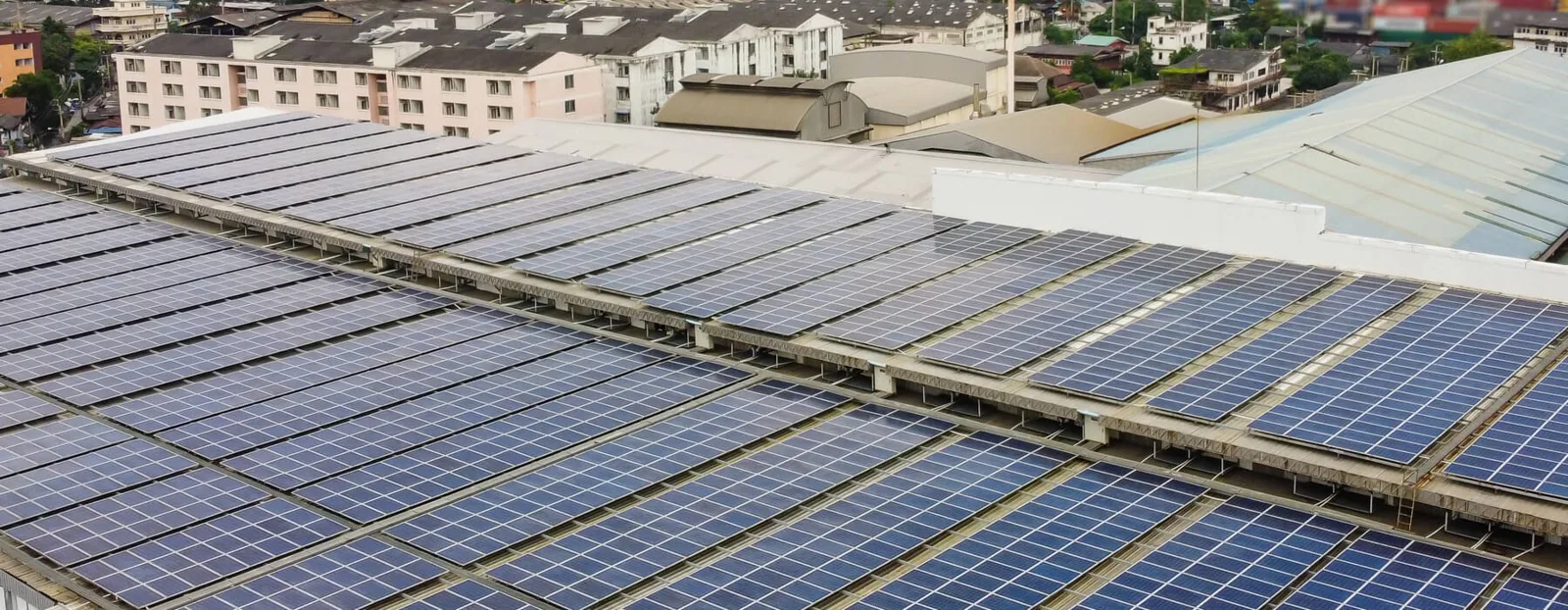
Also not worth it: a reflective roof on a building that is about to receive a solar array. Panels shade much of the surface, and a roof that will be covered does not need to be white. Panels and a reflective surface compete for the same roof, so the plan for solar-ready roofing and the plan for the white surface belong in the same meeting.
Compare the proposed surface with the roof’s starting condition. A reflective finish cannot correct saturated insulation, weak attachment, poor drainage, or failed seams, and an aged surface may need cleaning or repair before it can accept a new system. Identify what will be measured after installation and what the rating does not promise about a building’s energy use. The useful decision is whether the roof assembly can support the finish and whether its maintenance requirements fit the owner’s plan.
Commercial Roofing Questions
Will a cool roof raise my winter heating bill in Sonoma County?
A little, in theory, because a reflective surface gives up some free winter warmth. In practice Santa Rosa's cool, wet months bring low sun angles and heavy overcast, so there is not much sunlight to lose, while the summers run hot. Buildings that run heating all winter with a lot of exterior wall exposure are the ones to model carefully. For most commercial roofs here the summer savings are the bigger number.
Can a white finish restore a roof that still has life?
Only after the roof passes a moisture check and a seam and flashing review. Coatings are a good fit for a sound membrane or metal roof with years of service left, and a poor fit for one with saturated insulation or open seams. Repair what is repairable, coat what is dry and bonded, and replace what is wet. A coating applied to hide problems will show them again within a season.
How much does wildfire ash hurt a reflective roof?
Ash dulls the surface quickly, but most of it rinses off. The bigger problem is ash that sits through the first rain and bakes into a film, or collects in low spots where water ponds and algae follow. Rinse gently after smoke clears, clear the drain strainers, and look at the roof again before the wet season. Do not scrub, since aggressive cleaning scars membranes and does more harm than the ash did.
Does the energy code require a cool roof when I reroof?
Often it does, though the details turn on how much of the roof is being replaced and what the existing assembly includes. The Santa Rosa Building Division reviews the permit under the 2025 California code adoption, and Healdsburg adopted its own 2025 code ordinance for its permit counter. We read the requirements for your building before pricing the job, so you are not surprised by a plan check comment halfway through.
Do reflective roofs last longer in this heat?
They tend to, because a cooler membrane swells and shrinks less every day and the surface resists UV damage longer. That is a tendency, not a promise, and it only applies to roofs that are installed well and kept clean. A white membrane with failed seams does not last longer than a dark one with good seams. Detail quality still outranks color.
We will tell you if white is worth it.
Call Commercial Roofing Santa Rosa. We will look at the roof, check what is under it and say plainly whether a reflective system makes sense now, later, or not at all.