Data Center Roofing in Santa Rosa, CA
Property Types We Roof
A data center does not need the most expensive roof. It needs the most boring one. The goal is a roof that never appears in an incident report, which means no ponding, no open seams, no surprises after a storm and no crew working over live equipment without a plan.
In Santa Rosa, CA, that discipline matters because the weather keeps testing it. The North Bay can drop weeks of rain in a few days and then bake in heat that tops 100 degrees. Server space comes in two forms: purpose-built halls, and rooms tucked inside office or flex buildings that were designed for something else. Either way, the roof is the first line of defense for equipment that costs far more than the building around it.
Serving Santa Rosa • Rohnert Park • Petaluma • Windsor • Healdsburg • Sebastopol • Napa
Water is the only enemy that matters
Fire, power and cooling all have backups. A roof leak over a server hall usually does not. Water that reaches a rack can force an outage, cost an insurance claim and turn a routine storm into a long night. So we start by asking where the white space sits, and then we look at the roof directly above it with extra suspicion.
Drainage gets redundancy. Primary drains carry the normal load and overflow scuppers carry the rest, and both have to be clear and correctly sized for the storm you did not plan for. Over three days in November 2024, an atmospheric river parked over Santa Rosa and left close to 15 inches. A roof that handles an average winter can fail that test if a single drain is half blocked. We clear, flush and test every roof drain and scuppers before the wet season, and then repeat the check after any big storm.
Cooling equipment is the weak point
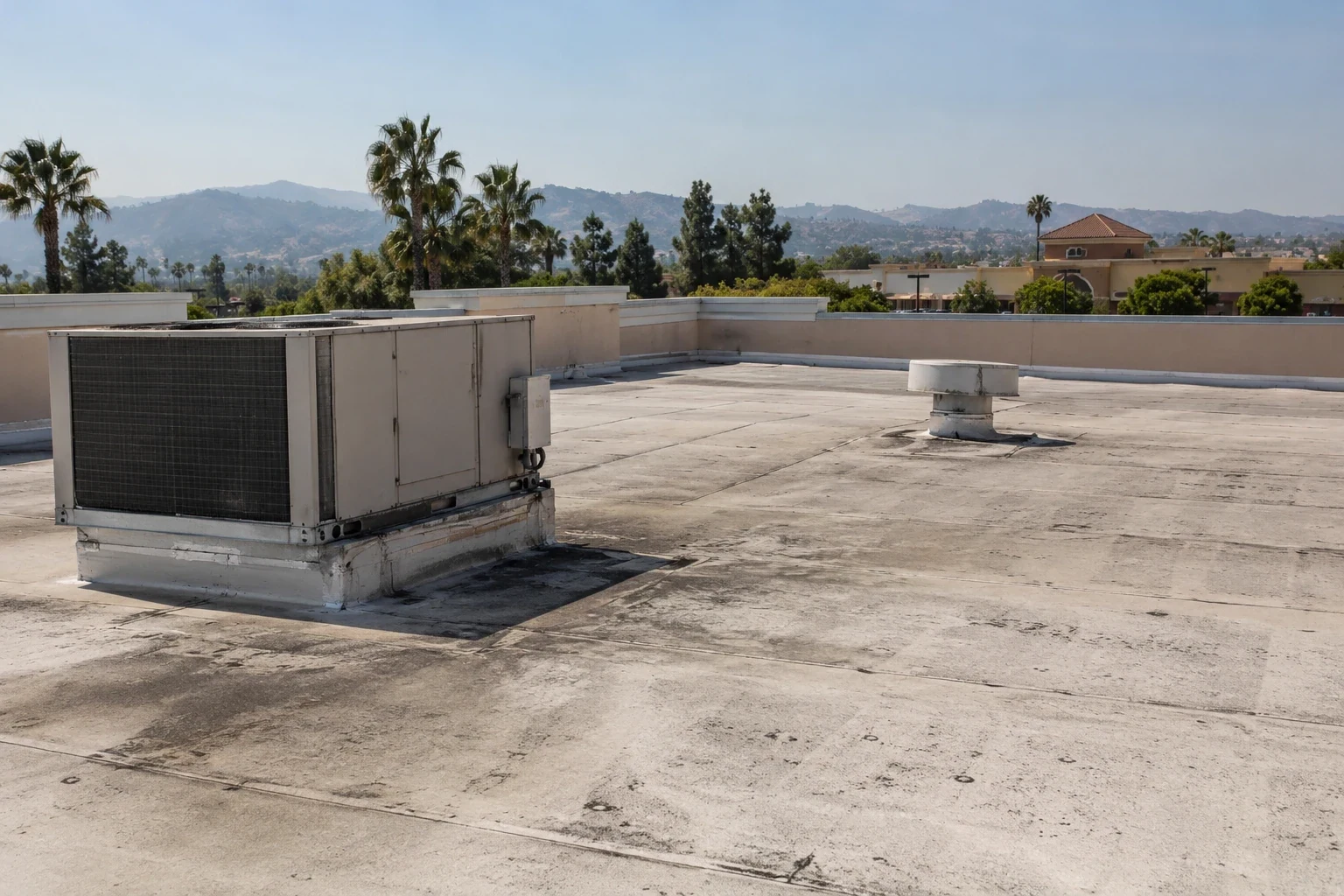
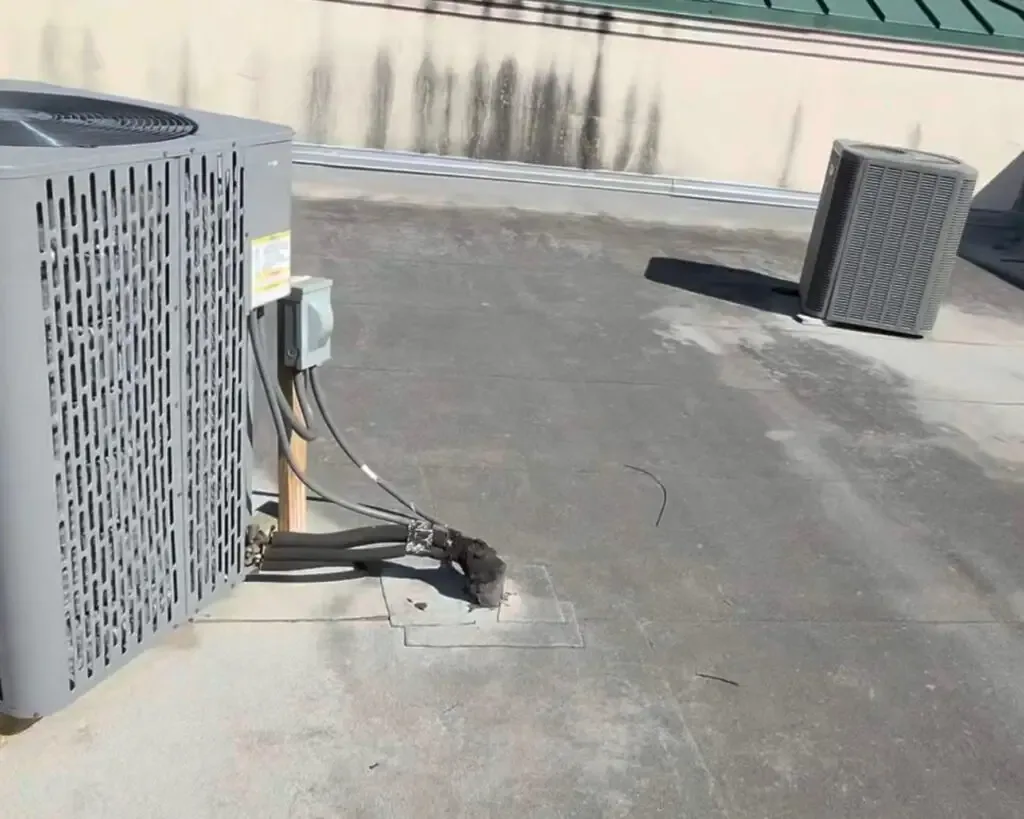
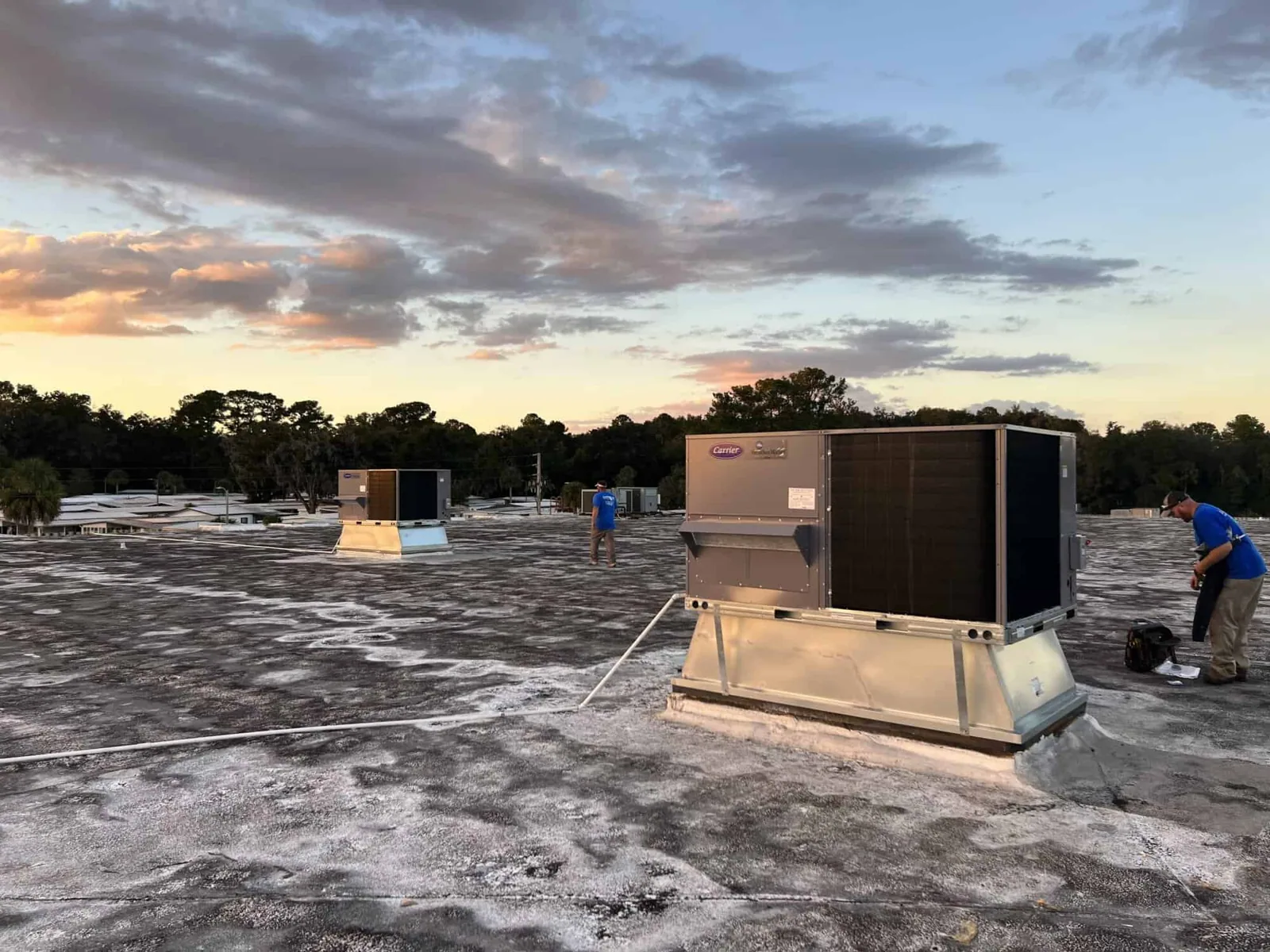
Most data center roofs carry chillers, dry coolers, condensers, exhaust fans and long runs of piping on rails and dunnage. Each support is a penetration or a heavy point load. Each pipe run is a trip hazard that technicians cross with tools in their hands. Vibration works at the flashing quietly, and a hairline gap becomes a drip after the first wet week.
We rebuild these details so the roof and the equipment are compatible. Equipment goes on proper curbs and supports with flashing that can move with it. Walkway pads protect the paths techs actually use. And we leave clear space around equipment so a future swap does not mean tearing up new roofing.
Verdict: before spending on new membrane, look at every point where equipment meets the roof.
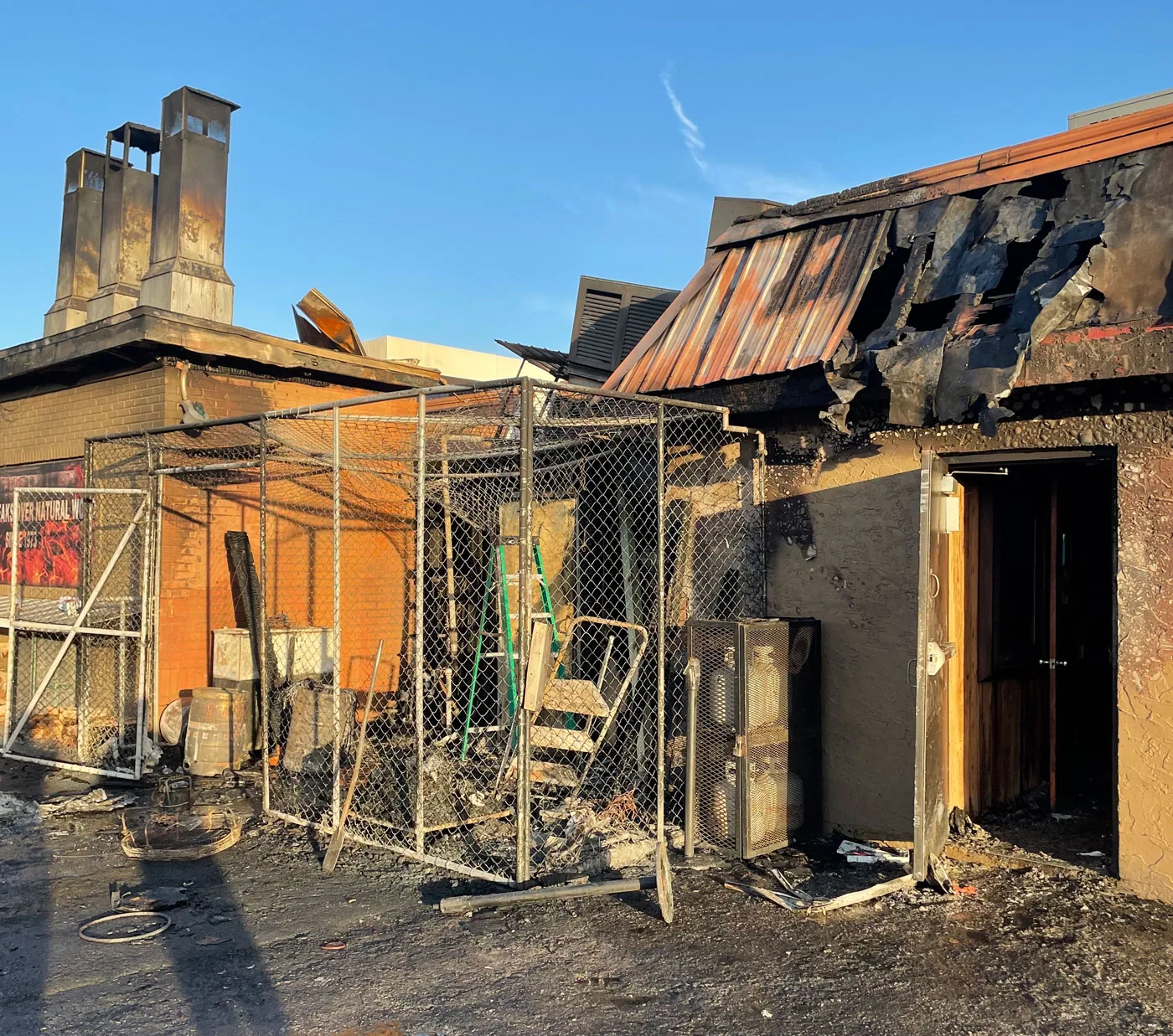
Ash and heat load the air side
Choose the quiet install
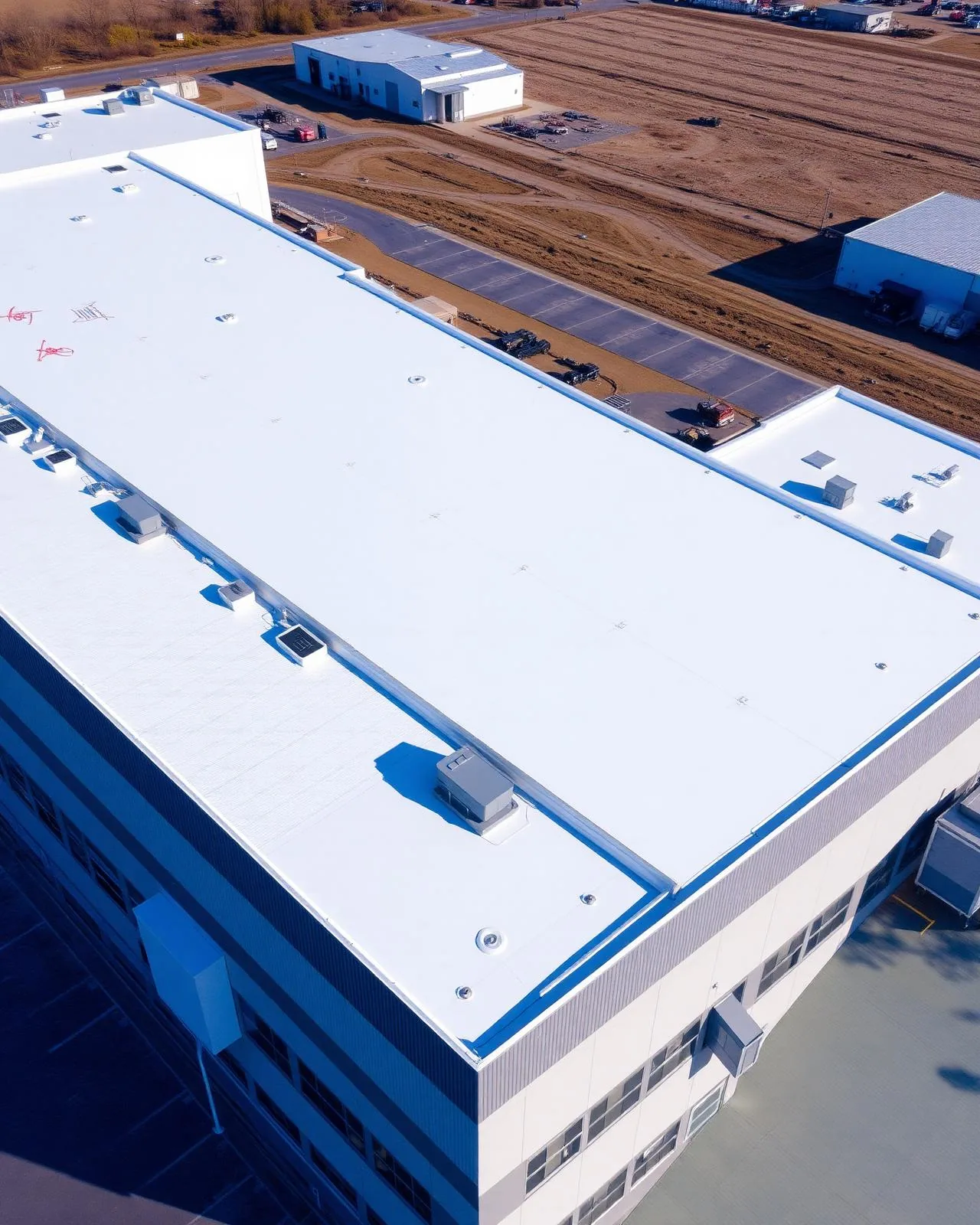
Roofing over live equipment calls for a no-open-flame approach. We favor mechanically attached or adhered single-ply systems, such as PVC roofing, laid over dry insulation and a cover board. No torches, no hot tar kettles and no open roof overnight. The work is staged in small sections so each is dried in before the crew leaves, with debris control and noise limits agreed in advance.
Access is part of the plan. Secure buildings run on escort and badge procedures, and a crew that cannot get materials to the roof on schedule slows the job and increases risk. We plan material hoists and daily access with your security lead before work starts. Recommendation: lock the scope and sequence early, then let the crew work the same way each day.
Skip the gadgets until the basics hold
Leak detection sensors are good tools, but they are no substitute for dry insulation, clear drains and sound flashings. Do not buy monitoring for a roof that still ponds. And do not replace a sound roof just because the building is critical, since a quiet, well-maintained roof is a better asset than a new one built in a hurry.
A steady preventive maintenance route, with a written roof condition report that photographs each drain and penetration, does more for uptime than a major capital project. A server room inside an office building at the Airport Business Center would get the same check, and so would one in a building in Fountaingrove, the north Santa Rosa district that houses the Keysight headquarters.
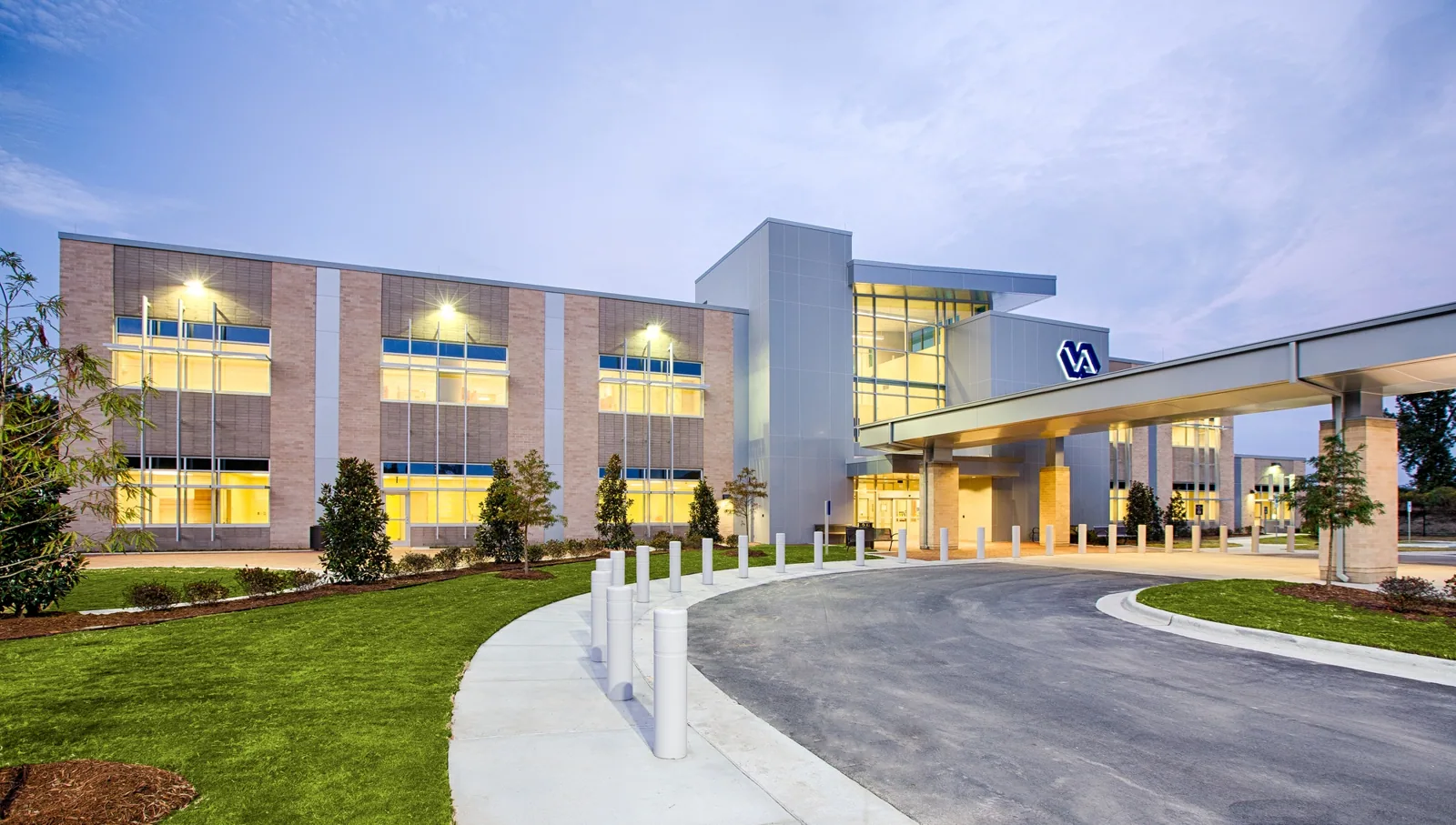
The same consequence-first inspection logic matters on hospital roofs, where water can interrupt critical rooms.
Map roof zones against critical equipment, cable paths, air intakes, and rooms that cannot accept water. Confirm who monitors alarms and who can authorize a temporary cover if weather changes the work window. Before removing material around a curb, define a dry-in limit and verify the next section can be closed the same shift. Keep inspection access separate from active equipment service routes. A roof plan that names the protected areas gives facilities staff a way to review scope before crews mobilize.
Commercial Roofing Questions
Can a data center roof be replaced without taking servers offline?
Usually, yes, though it takes planning. We work in sections, keep every section dried in before we leave, and avoid hot work entirely. Rack loads stay in place while we coordinate with your facilities team about any hoists, dust and noise. If a section sits directly over critical equipment, we do it in the best weather window and protect the ceiling below.
How many drains and scuppers does a server hall roof need?
More than the minimum the plumbing code allows, in our view. Every drain needs a path for water to leave if it clogs, which means overflow scuppers or secondary drains set at the right height. Our inspection counts the drains, checks their size against the roof area, and shows you where one failure would leave water trapped.
Should we install leak detection under the roof?
Sensors help, as long as the roof under them is sound. They tell you something happened. They cannot stop it. We would put the first dollar into drainage and flashing repairs and the second into sensors over the highest-risk zones, such as areas under mechanical equipment or around drains.
What does wildfire smoke do to a data center roof and equipment?
Ash settles in drains, valleys and around equipment, and it can clog condenser coils and filters. After a smoke event we clear the roof, check the drains, and inspect the membrane for ember damage or scorching. A roof that is clean before the rainy season is far less likely to back water up when the next storm hits.
Can we add more cooling equipment to the roof later?
Yes, but plan it now. Leave clear space, put new curbs and supports in with the roofing work if you can, and have the weight of the new equipment checked against the structure. Adding units later, onto a roof that was not prepared, tends to damage the membrane and complicate the warranty.
Keep the roof out of the incident report
Call Commercial Roofing Santa Rosa. We will review the roof above your critical space and tell you plainly whether it needs work now, later or not at all.