Roofing for Cities, Counties and Public Agencies in Santa Rosa, CA
Industries We Serve
A public roof tends to fail twice: once on the building and again on the budget calendar. The leak gets noticed in January. The funding gets approved in June. In between, somebody sets out buckets and writes a memo. The agencies that handle this well are not luckier. They simply have a list, a scope and a dated plan before the leak calls.
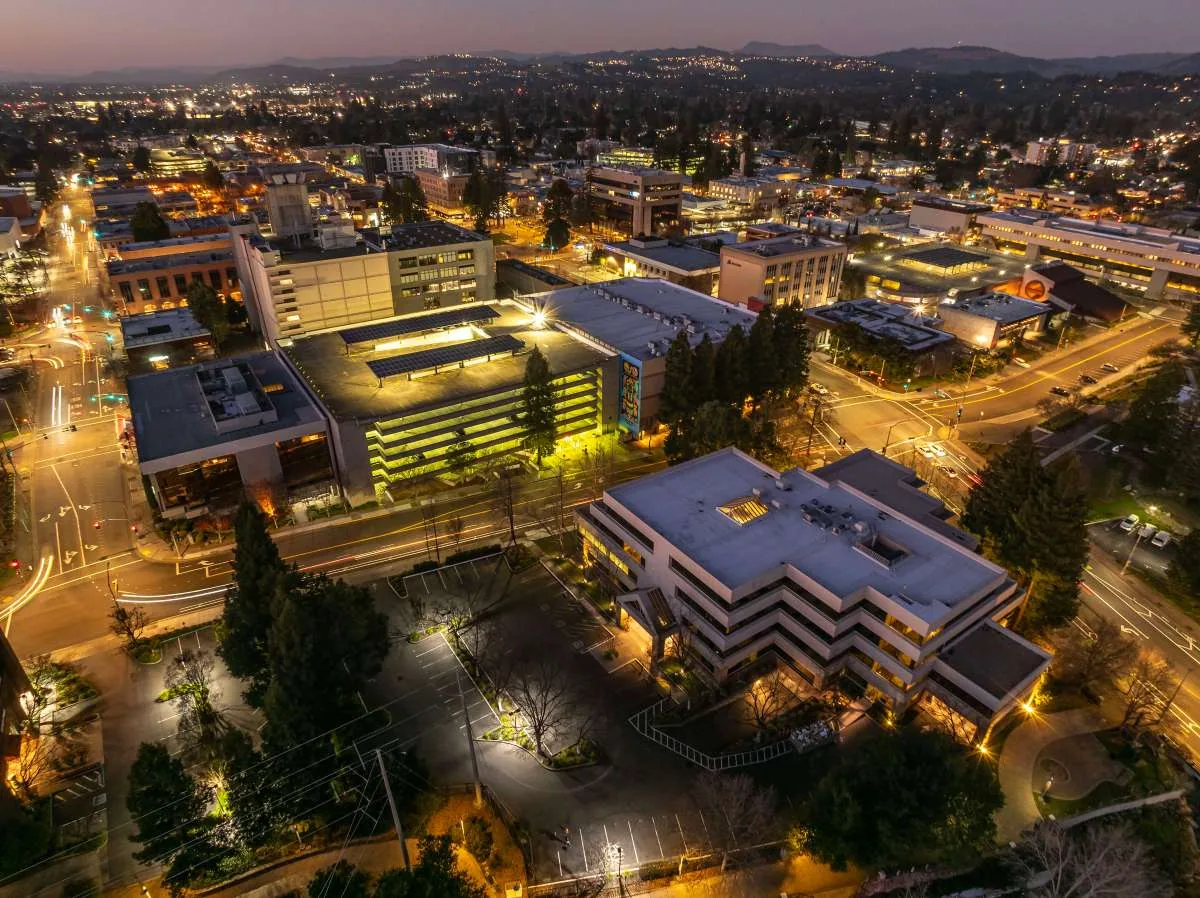
Cities, counties, special districts and transit agencies in and around Santa Rosa, CA run buildings with very different jobs, from offices and libraries to stations and event venues. We survey those roofs, rate them on condition and consequence, and write the scope so a bid package and a budget request can be drawn from the same document.

Serving Santa Rosa • Rohnert Park • Petaluma • Windsor • Healdsburg • Sebastopol • Napa
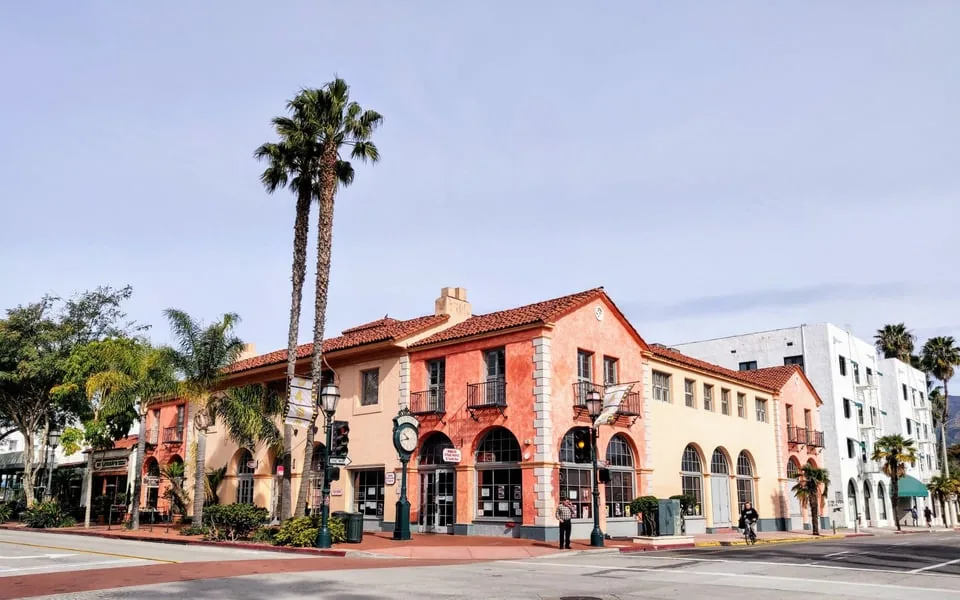
Civic buildings are never one roof type
The Santa Rosa show the range. The 40,500 square foot Grace Pavilion holds a 4,400-seat arena, the grounds host the county fair, the Harvest Fair and the Emerald Cup, and the Luther Burbank Center for the Arts, just north of town near US 101, has a 1,612-seat theater and a 9,000 square foot atrium. Large assembly buildings pair long spans with heavy use, and the event calendar decides when a crew can work.
Then there are the buildings people pass without looking. SMART runs 48 miles of commuter rail, with stations at Santa Rosa Downtown, Santa Rosa North near Coddingtown and Windsor, where the extension opened on May 31, 2025. A transit agency's station and support buildings are the kind of small roofs that are easy to leave off a capital list. The way an agency treats government building roofing has to stretch across all of it.
Small roofs get lost in big budgets
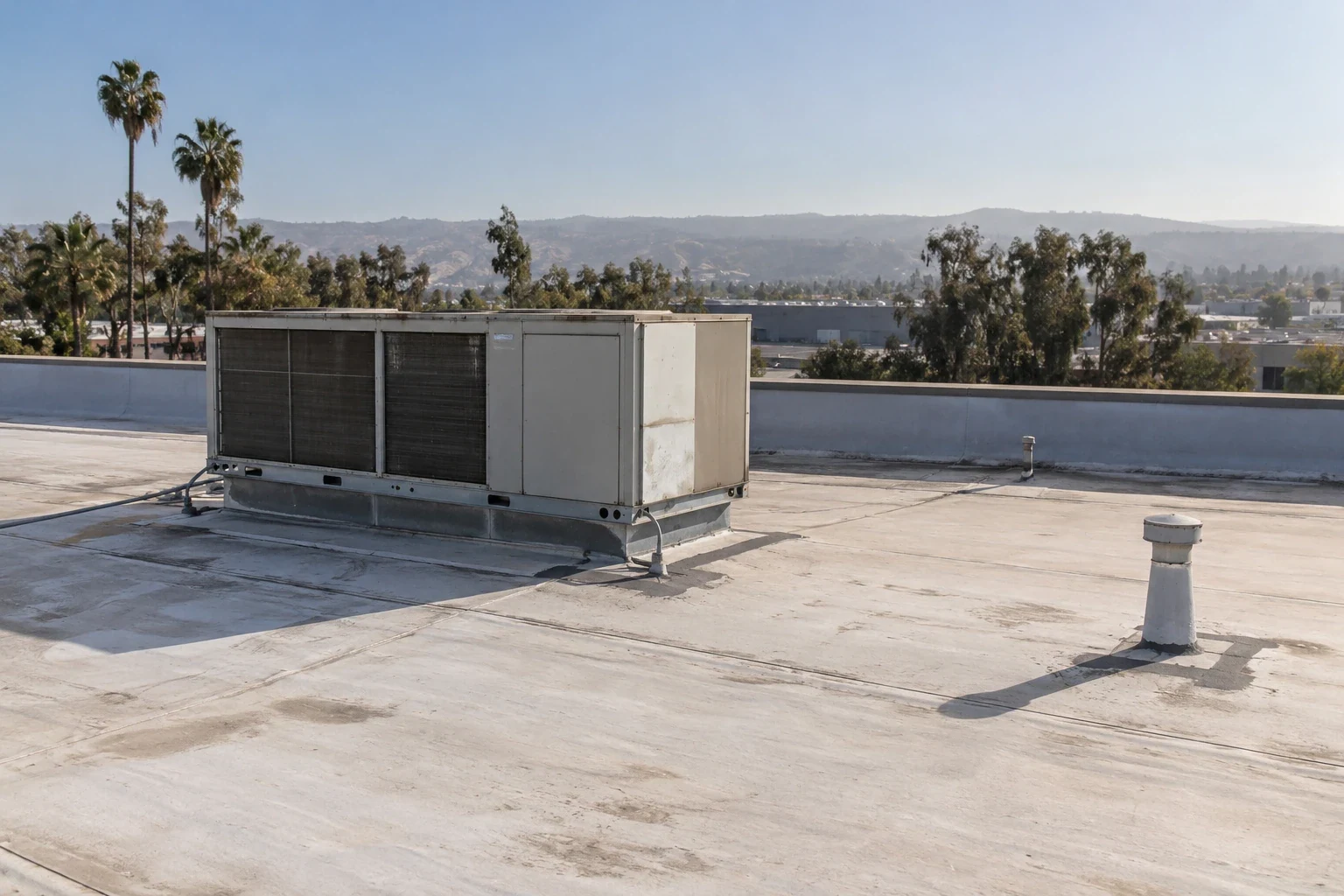
The big civic buildings get attention. The small ones leak. A facilities office responsible for dozens of structures works from the loudest complaint, and a roof that nobody inspects never makes the list. The real problem is invisibility. Nobody sees ponding on a roof that nobody climbs.
A standing inspection cycle fixes that. A roof condition report with photographs gives every building a line, a rating and a repair note. After a heavy rain, a second look at drains and scuppers catches overflow before water finds the interior. That visit costs little and is worth it every time.
Public work runs on a slower clock
Essential buildings face the worst weather
Since 1964 the Sonoma Air Attack Base has worked from the northeast corner of the Charles M. Schulz-Sonoma County Airport, supporting wildfire response, and the Santa Rosa Armory on Armory Drive is where the California Army National Guard's 579th Engineer Battalion reports for duty. Buildings with missions like these cannot be down when weather turns bad, which is exactly when roofs fail. The access and scheduling questions at a guard facility are those of National Guard armory roofing.
The weather record is familiar. The 2017 siege brought Diablo winds up to 70 mph, the Kincade Fire of 2019 sent nearly 190,000 residents out of their homes, and the November 2024 storm flooded streets and pushed creeks to their limits. Public buildings that serve as shelters, dispatch points or service centers in those events need roofs that can take another round.
Build the list the council can read
Give the governing board a one-page table: building, system, rating, remaining life range, immediate repair, planned replacement year. Behind it sits the full survey. Pair it with roof capital planning so each year's request is a slice of a written plan instead of a surprise. When councils can follow the order and the reasoning, they fund it.
Then mix the work: small repairs under a standing agreement, mid-size restorations in the dry season, full replacements on the calendar. Code timing matters. Anything permitted from January 1, 2026 forward is judged under California's 2025 code cycle and its Energy Code, and the county's reroofing guidelines, written by county staff and the city building departments, include a self-certification reroof inspection policy. Ask the building division which path applies before the bid goes out.
Skip upkeep on a roof with no future
Some public property is on its way out. The Sonoma Developmental Center, 1,670 acres in Eldridge near Glen Ellen, closed on December 31, 2018 after the Nuns Fire burned its eastern third, and a closed campus like that raises a question every agency faces: how much roof money does a building with no assigned use deserve? Keep it dry, secure the drains and openings, and stop there. Skip full replacement on any building without a program or a plan.
Also skip the cosmetic: new coatings over wet insulation, extra warranty years on buildings headed for demolition, and patching ponded areas without correcting the slope. Dollars belong in drains, flashings and inspections, where they protect buildings that people still use. Agencies that also run school districts or public clinics face the same trade-offs, with higher stakes for the room underneath.
Commercial Roofing Questions
A fire station cannot close. How do crews work around an active apparatus bay?
Stage by bay and by shift. Work one section at a time, keep apparatus doors and exits clear, and give the captain a direct number and a stop-work signal for calls. Where air handlers feed living quarters, cold-applied systems and temporary intake covers keep fumes and dust out.
A grant covers only part of a roof project. How do we phase it?
Split the scope into pieces that stand on their own: drainage and flashing first, then the field of the roof. Each phase should leave the building watertight so a pause in funding never strands a half-finished roof. Write the phases into the survey so the grant language and the construction sequence match.
What records should a public agency expect at the end of a roof project?
Ask for dated photographs at tear-off, insulation and closeout, moisture readings, final detail drawings, warranty paperwork and a maintenance log. Public records requests and audits arrive years later, and the file is what answers them. A thin closeout package is the first thing an auditor notices.
Does the wildfire zone update reach our buildings?
The City Council took up the expanded Wildland-Urban Interface ordinance on April 21, 2026, the first expansion of that zone since 2009, drawn from new CAL FIRE hazard maps. Ask the building division whether your parcels moved, then fold the answer into every reroof scope.
Should a moisture survey come before the bid package?
Survey first. Infrared and core cuts show how much of a roof is wet, and that can turn a replacement bid into a section repair or the reverse. A bid written without the survey invites change orders once the tear-off reveals what nobody checked.
Put every public roof on one list
Call Commercial Roofing Santa Rosa. We will survey your buildings and tell you plainly which roofs need money now, which can wait, and which need nothing.