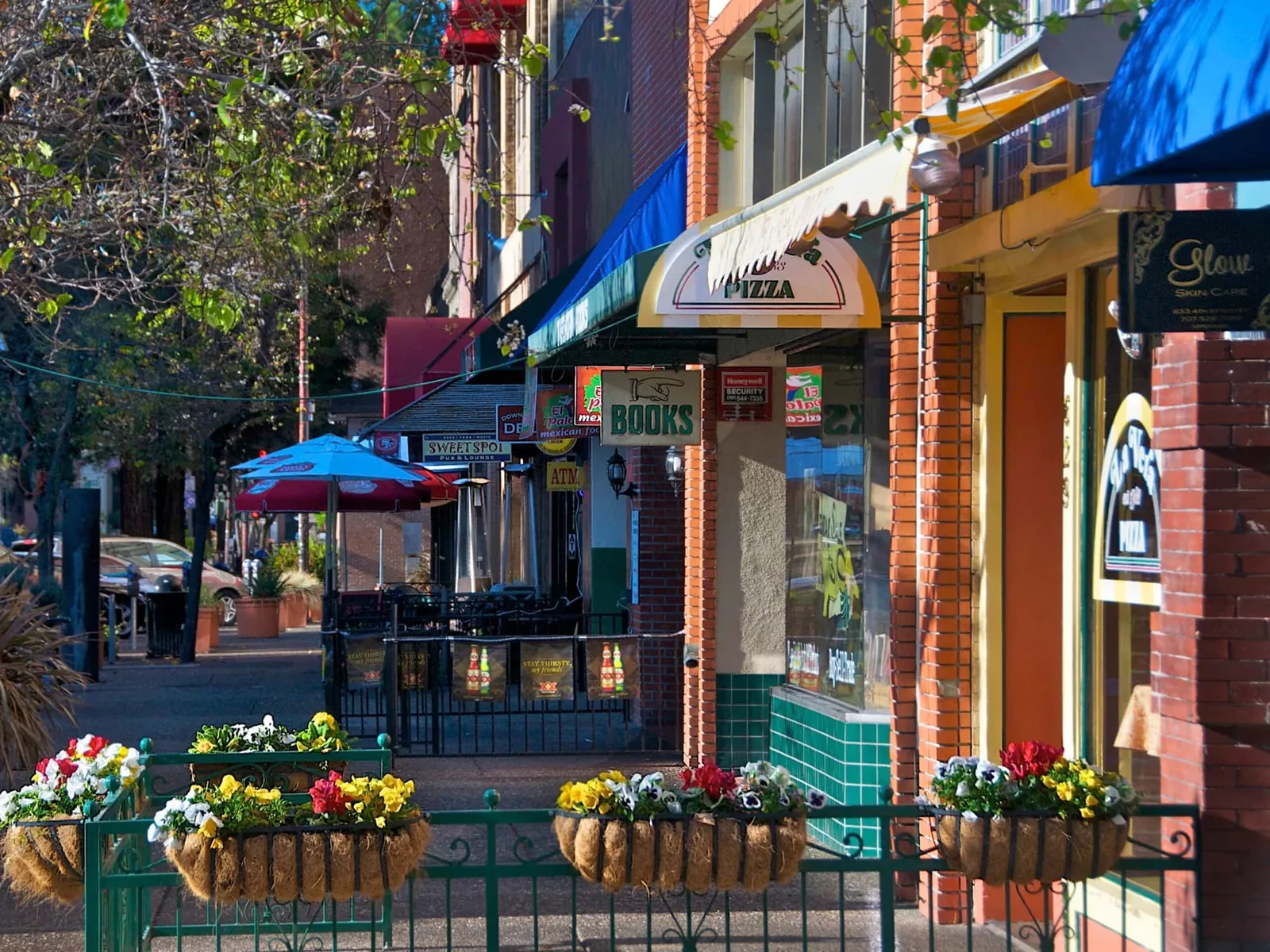
Commercial Roofing in Glen Ellen, CA
Service Areas
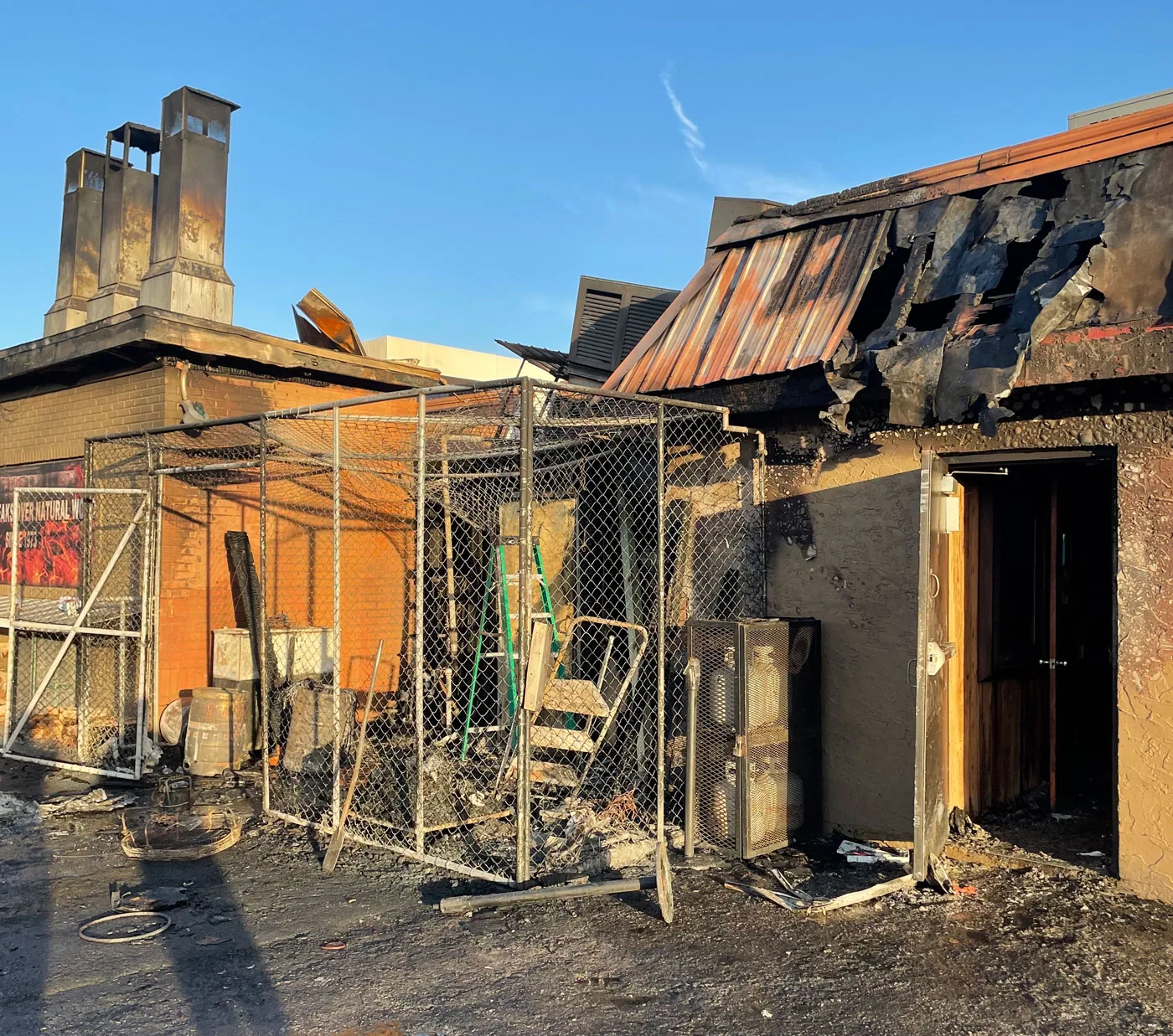
The wrong question after a fire like the Nuns Fire is which roof is fireproof. None is. The better question is what an ember finds to burn on the roof you already have. On most roofs the answer is boring: dry debris packed into a valley, a gutter full of needles, a vent that lets sparks inside. Those are cheap to fix, and they are most of the real risk.
Glen Ellen is a Sonoma Valley community of 714 residents, home to wineries including B.R. Cohn, Benziger and Valley of the Moon, and the Nuns Fire of October 2017 severely damaged it. In Glen Ellen, CA the commercial roof work covers repair, recovers, coatings, inspection and replacement, and it starts with that history, not around it.
Serving Santa Rosa • Rohnert Park • Petaluma • Windsor • Healdsburg • Sebastopol • Napa
Fire first, then the rain
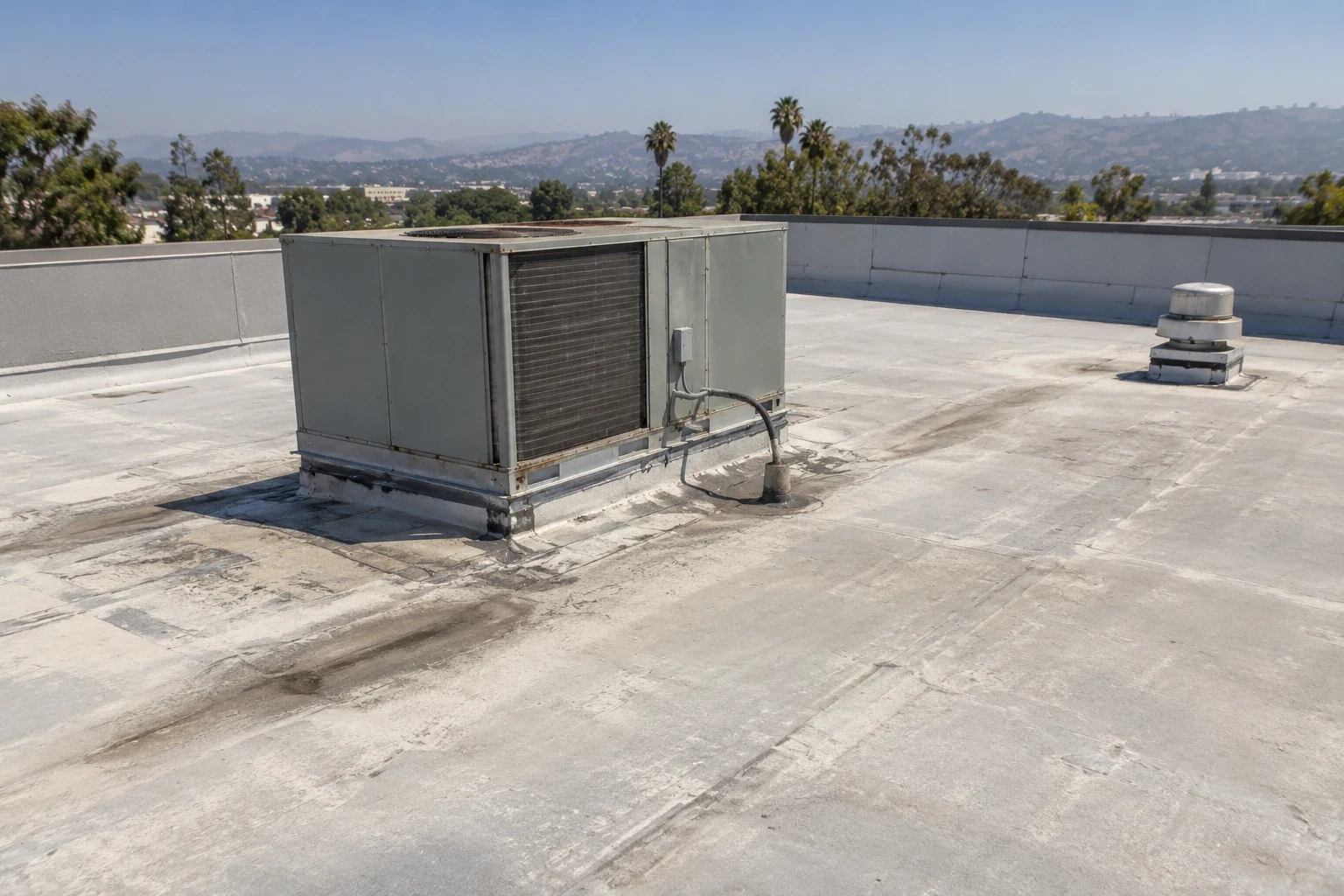
During the October 2017 fire siege, Diablo winds gusted up to 70 mph, and the Nuns Fire destroyed 1,355 structures across the North Bay. Wind like that throws embers well ahead of a flame front, which is why a roof can be lost to a fire that never crosses the property line. On a commercial building we look at three things: debris on and around the roof, openings where embers can enter, and the fire rating of the assembly itself.
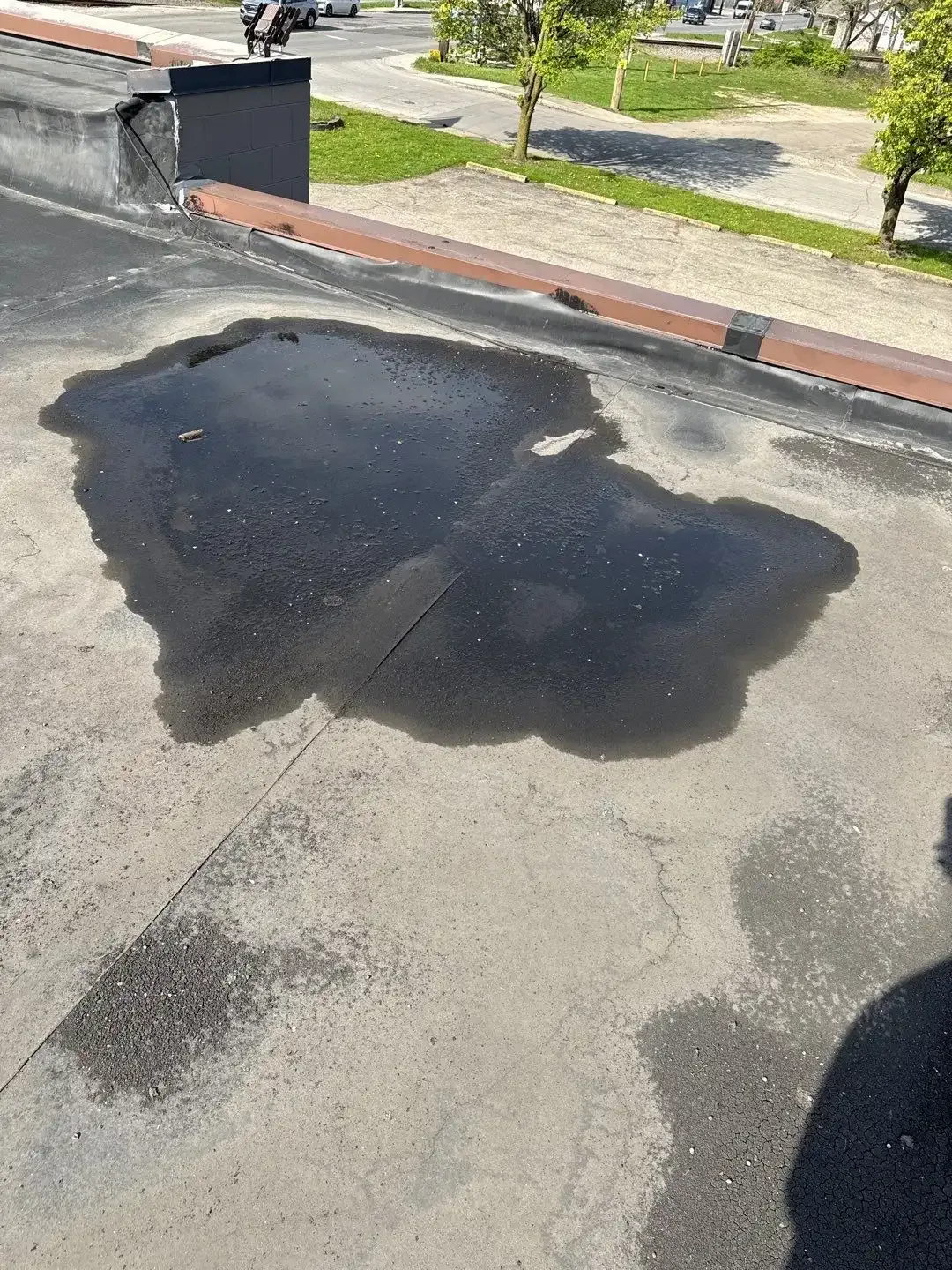
Fire is followed by water. Santa Rosa, our market city, gets about 32 inches of rain a year, and a late-November 2024 atmospheric river left nearly 15 inches there in about three days. After the Glass Fire of 2020, burn scars east of Santa Rosa raised runoff and debris concerns in heavy rain, a reminder that ash and loose material wash down slopes and into gutters. A roof that survived the flames can still be flooded by its own drains, so fire damage roof repair and drainage work belong in the same plan.
Winery roofs carry a calendar
Sonoma County has more than 350 wineries, and Glen Ellen's B.R. Cohn, Benziger and Valley of the Moon belong to that stock of winery buildings, which runs from production halls to barrel storage to tasting rooms. Their roofs do different work. A production building needs a dry floor for equipment and a roof that stays quiet during crush. A barrel room cares about steady temperature. A tasting room cares about the ceiling above a guest.
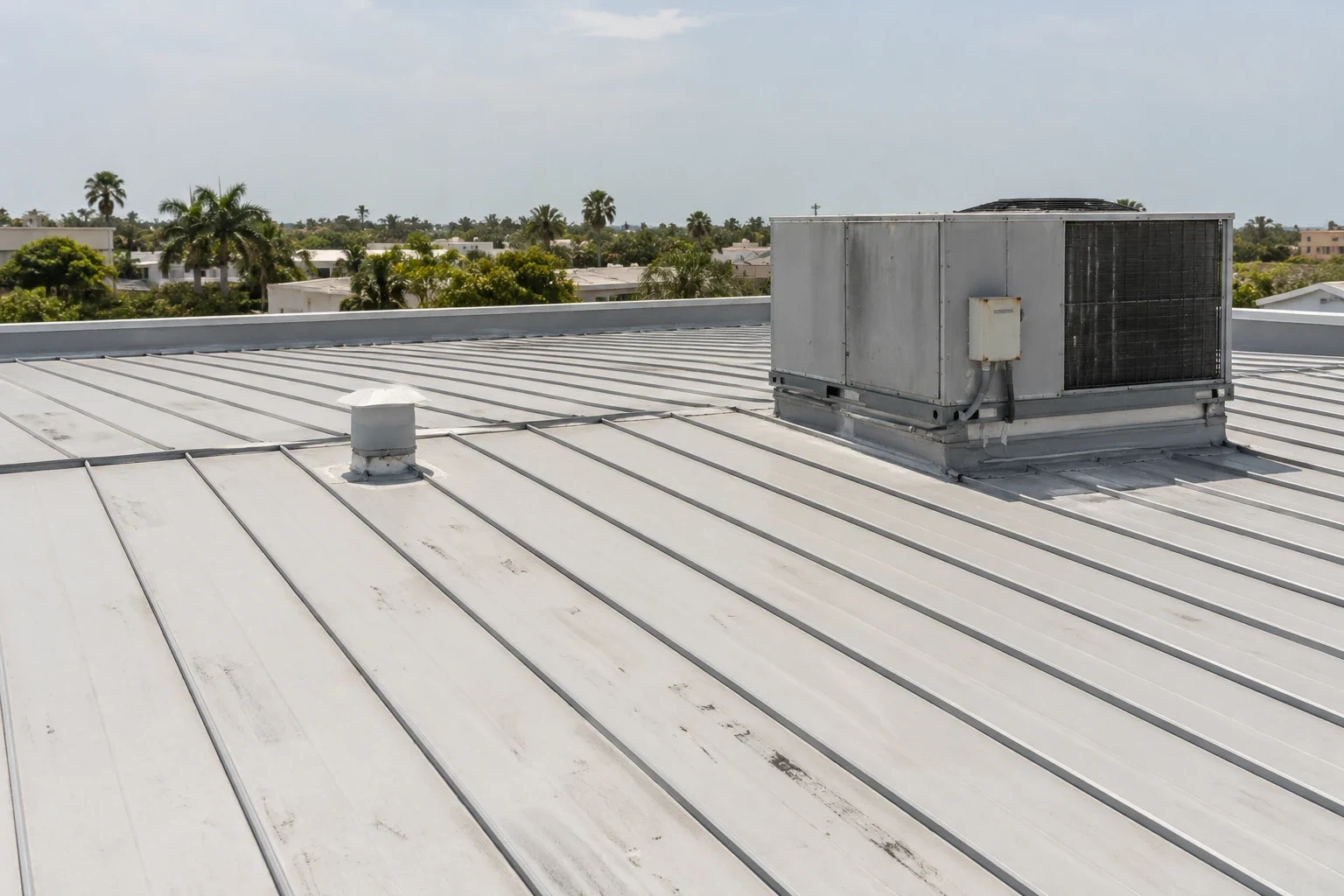
We plan roof work around the calendar, not the other way. That usually means design and approvals in the wet months, material ordered early, and installation in the dry window before harvest fills the yard. Where a winery building has a metal roof, a standing seam metal roof can often be repaired or coated in place. Where the roof is low-slope, the choice returns to insulation and membrane condition. Not every winery roof needs replacing, and many need a drain, a flashing and a clean-out.
When a campus goes quiet
Rules and options after a burn
The county's reroofing guidelines, drawn up with the cities and a North Bay roofers' group, cover built-up, modified bitumen, metal and tile roofs and include a self-certification policy for reroof inspections. They note that the wildfire-exposure provisions of Chapter 7A are for new construction rather than reroofing. Santa Rosa's own Wildland-Urban Interface map is from 2009 and is being redrawn in light of four fires, Tubbs, Nuns, Glass and Kincade, which tells owners elsewhere that the rules around fire exposure are still moving.
For the roof, the choice is repair, coating, recover or replacement, decided by wet insulation, layer count and membrane life. Cost follows tear-off, access and the number of penetrations on a sloped site, where trucks and lifts cannot always get close. Timing follows weather and, for wineries, harvest. Permit applications from January 1, 2026 forward follow California's 2025 Building Standards Code, so confirm requirements with the building department early.
What is not worth it
Fire anxiety can push owners toward spending that does little:
- A premium roof on a building whose gutters, valleys and vents will fill with debris the first dry week.
- A coating applied to cover burn damage before the damage has been mapped.
- Replacing a sound roof because a neighbor lost theirs.
- Skipping the insurance photos taken before a storm or a smoke event.
Clear the debris, close the openings, document the roof and revisit it every season. The same plan fits owners in Kenwood and Sonoma.
After a fire or heavy ash event, check the actual roof before assuming it needs a new system. Photograph debris in drains, heat-affected details, exposed penetrations, and any condition that could change with the next rain. For a winery or campus property, coordinate access with the operator and identify what must remain open. Separate immediate cleanup from permanent repair, then leave the owner with a short list of tested conditions and unresolved areas.
Commercial Roofing Questions
What can an owner do to cut ember risk on an existing commercial roof?
Start with housekeeping, because it is cheap and it works. Clear debris from valleys, gutters, scuppers and around equipment, close open vents and gaps where embers could get inside, and trim anything overhanging. Then ask for the fire rating of the existing assembly, so you know what you are working with before spending on upgrades. Housekeeping on a calendar matters more than a one-time cleanup.
Should a winery reroof before harvest or after it?
Before, with the design and the order finished in winter. The dry months ahead of crush are the best working window, and once harvest starts the yard belongs to trucks and forklifts. If the roof cannot be finished in time, schedule only the urgent repairs now and set the full job for the next off-season, with temporary protection over anything vulnerable.
How do we handle roofs on a property that has been closed or idle?
Treat it as a condition survey before a construction project. Walk every roof, clear the drains, photograph the problem areas and test any suspect insulation. Then rank the buildings by active water, structural risk and planned reuse. Do not spend on a new roof for a building whose future use is undecided until the inspection says the existing roof cannot hold.
Does a hillside site change how a roof job is priced?
It can, mainly through access. Steep or narrow approaches limit truck size, lift reach and material staging, and crews may spend more time carrying and hoisting. Drainage deserves extra thought too, because runoff from a slope can load a roof edge. Tell us about the approach road and gate widths early so the estimate reflects the real site.
What records help with an insurance claim after a smoke or wind event?
Dated photographs of the roof before the event, a condition report and receipts for past repairs make the strongest file. After the event, add images of any new damage, the weather date and notes on temporary repairs. Keep removed materials if the adjuster has not seen them. Clear records let the discussion stay about the roof and the cost.
Let us look first
Call and tell us the building and what the roof has been through. After we walk it, you will hear plainly whether it needs work now, later, or not at all.