National Guard Armory Roofing in Santa Rosa, CA
Property Types We Roof
A Guard armory looks empty on a Tuesday afternoon, and owners read that as a roof with little to protect. It is the other way around. The building holds a unit's vehicles, gear, training rooms and records, and the people who depend on all of it arrive on a drill weekend expecting the building to be dry and the lights on.
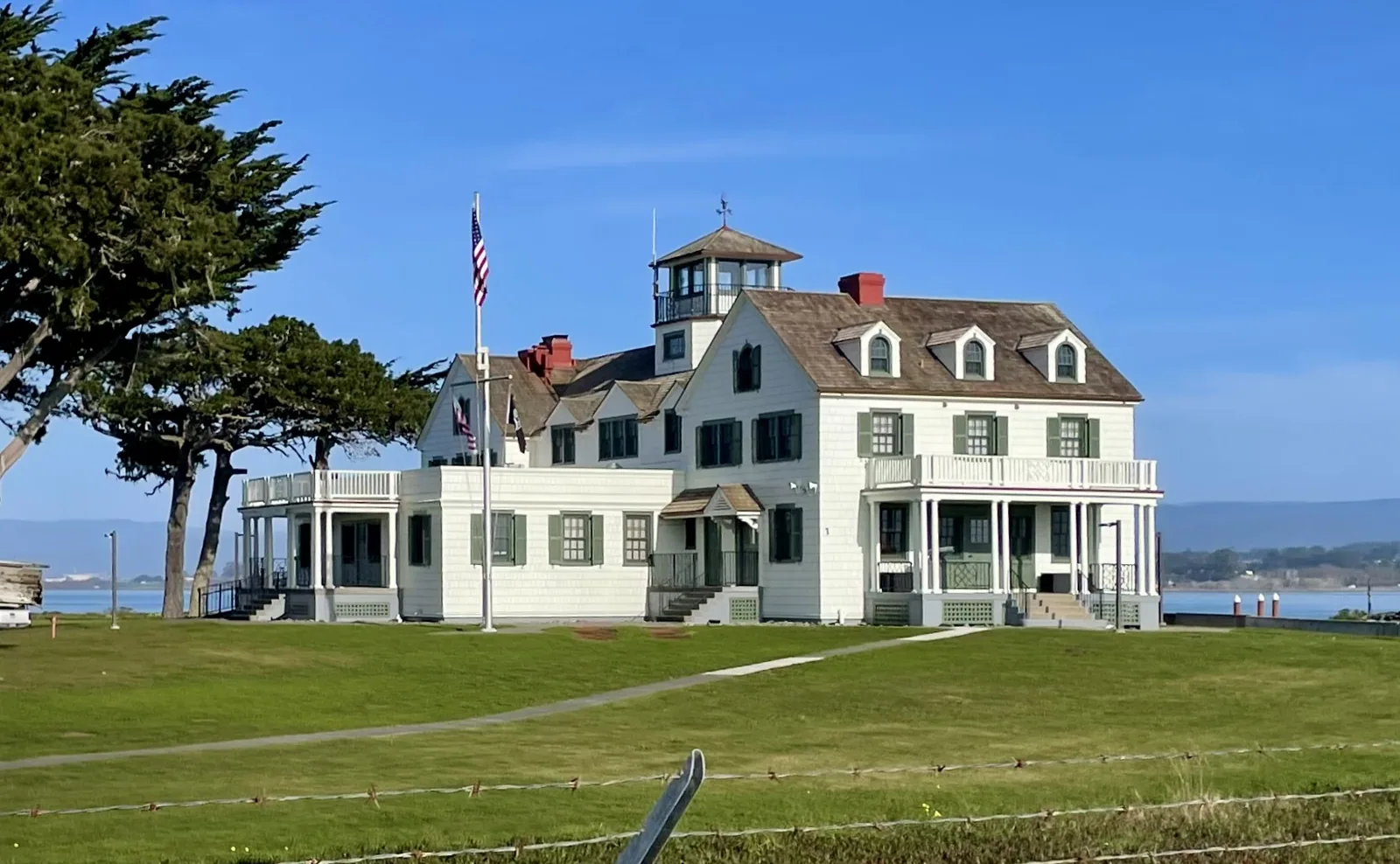
The Santa Rosa Armory is the listed duty location of the 579th Engineer Battalion, a California Army National Guard unit. Petaluma hosts another California National Guard facility. Armories like this serve a public mission with a calendar that is not visible to outside crews. The roof still needs inspection and planned repair before a leak interrupts storage, training or support space. We confirm who controls access, who approves hot work and which rooms or equipment require protection before setting a work window.

Serving Santa Rosa • Rohnert Park • Petaluma • Windsor • Healdsburg • Sebastopol • Napa
The drill hall sets the roof
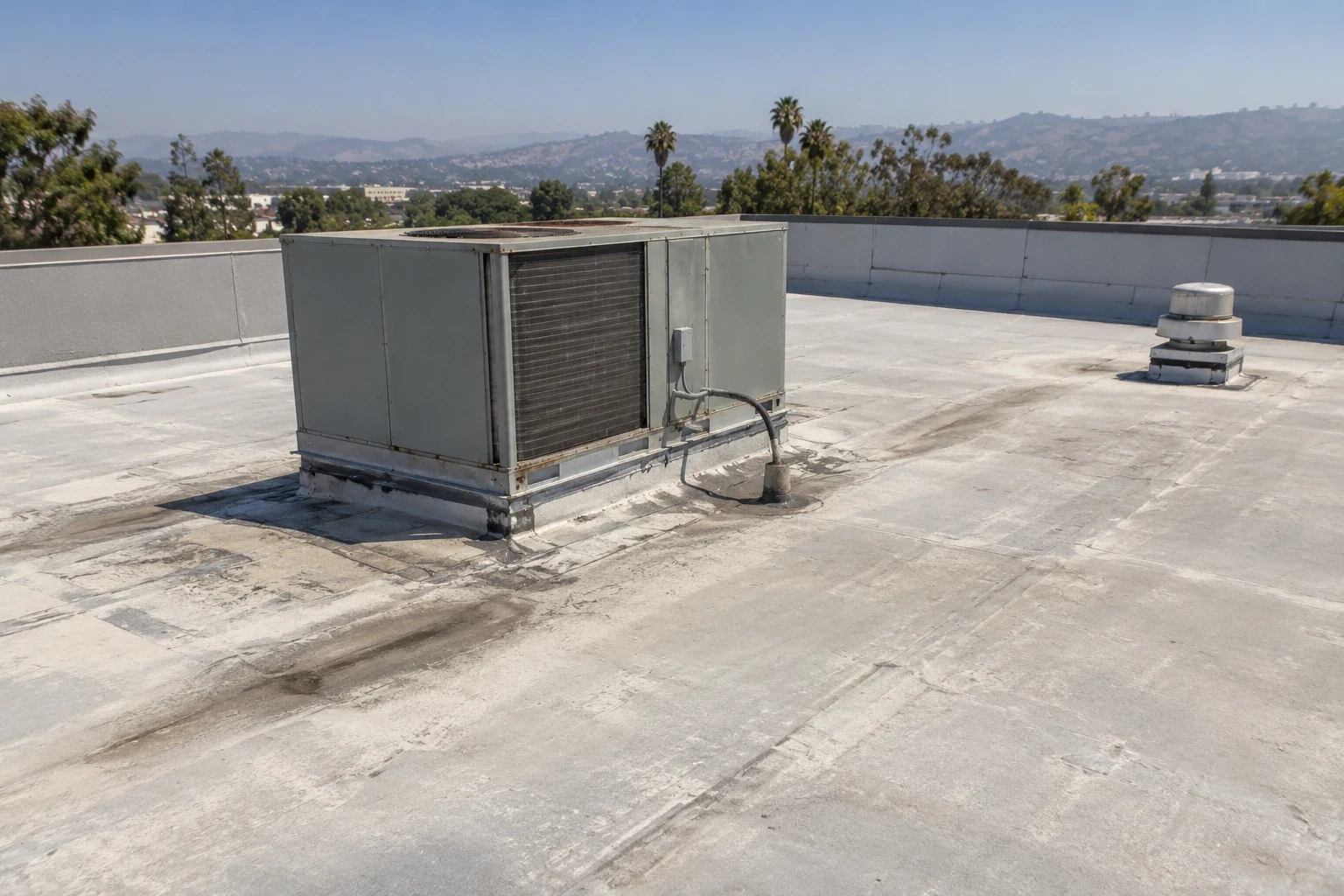
Armories of this type usually combine a big open drill hall, vehicle bays, offices and classrooms under a mix of roof levels. The hall is the hard part. A wide clear span means a deck that flexes, a roof that may pond where it sags and a long run of parapet and edge metal exposed to wind. Bay doors add tall openings with their own flashing headaches.
We do not guess which of those a given building has. We walk it, check slope with a level, look at what the drains are doing and probe the insulation. Where the hall roof holds water, the cure is almost never a thicker sheet. It is drainage, tapered insulation or both, which is why a roof drain and scupper check comes before anyone chooses a membrane.
Drill weekends are not negotiable
Unit calendars rule an armory. Drill weekends, annual training and mobilization notices move for no roofer, and a sudden callout can empty the building on short notice. So we schedule the work in pieces that can stop on a Friday afternoon and start again on a Monday morning without leaving anything open.
A written access plan should name the escort, roof hatch, restricted areas and emergency contact. We also confirm whether stored supplies or communications equipment sit below the work zone. On a public-service property, a dropped fastener or blocked door can create an operational issue that has nothing to do with the membrane. The foreman and facility contact review those conditions before material is staged.
That means a finished dry-in at the end of every shift, material staged where it will not block vehicle movement and no hot work near fuel or equipment storage without a written plan. Ask the unit administrator for the next twelve months of dates before you ask for bids. The calendar belongs in the scope, not in the change orders. Escort and access rules vary by site, and the staging habits that suit military installation roofing in general apply here with a lighter touch.
Leaks land on equipment and records
Ready for the storm means dry
A Guard unit exists to be ready when the region is in trouble, and the region's record is plain. The 2019 Kincade Fire drove the largest evacuation in Sonoma County history, nearly 190,000 people. Then November 2024 brought a three-day atmospheric river, with close to 15 inches landing on Santa Rosa. A readiness center that leaks during the event it exists for has a bigger problem than a stained ceiling.
Heat and ash matter too. Santa Rosa reached 115 degrees in September 2022, and ash settles on roofs after every fire and collects in drains. A fast storm damage roof repair response matters most on buildings like these, so we want the entry procedure agreed with the unit ahead of time, not on the night of the downpour.
Do not coat over a ponding hall
Not every armory roof needs replacing, and not every dollar should go on the roof itself. If the membrane is sound and the problem is a clogged drain or a failed flashing, fix those and stop. A coating over a roof that ponds in the middle of the hall is not worth it, because standing water attacks the new surface and the old problem stays.
Likewise, avoid piling a new roof over wet insulation to save a few weeks. The cost shows up later, usually at the worst moment. When replacement is the right answer, public owners know the drill: written scope, clear specifications, a bid that prices the schedule limits. That routine is familiar to any public owner of a government building, and it tightens further when people sleep under the roof, as they do in military barracks.
Commercial Roofing Questions
Can roofers work on a National Guard armory during a drill weekend?
Plan not to. Drill weekends fill the building with people, noise and vehicle traffic, and an open roof over a full drill hall is a risk nobody wants. Quiet weekday work, finished and dried in each evening, fits better. If a leak call arrives on a drill weekend, an emergency dry-in still goes ahead, coordinated with the unit leader.
Who has to sign off on roof work at a Guard facility?
Start with the unit's facilities contact, then follow the contract. Ownership and funding for Guard buildings vary, and the approval chain sits with the state agency or federal office that holds the work. Ask early who can authorize access, who accepts the finished roof and who pays, because the answers shape the schedule more than the roofing does.
What should be done about a drill hall roof that ponds in the center?
Find out why it ponds before spending anything. A blocked drain is a cheap fix, a sagging deck is a structural question, and a flat spot in the insulation calls for tapered board. We probe the water, level the slope and check the deck from below, then recommend one of those three paths with photos.
Do vehicles and equipment have to be moved out before roof work starts?
Usually not, though the zone below the work does need protection. Covers over sensitive gear, a safe route around staged material and a clear rule about fuel and ignition near the work area are standard. Sensitive equipment gets moved if the unit prefers it. We never ask anyone to relocate a vehicle fleet for a repair.
Is a coating a sensible fix for an armory roof on a tight budget?
Sometimes, when a scan shows dry insulation and the membrane has sound seams. A coating then extends life at a modest cost and with little disruption. If the insulation is wet, the coating wastes money. Tight budgets are the best reason to scan first, because the survey tells you which roofs can be coated and which cannot.

Send us the armory and the drill calendar
Call Commercial Roofing Santa Rosa. Tell us the building, the calendar and who signs off, and after we look we will say plainly whether the roof needs work now, later or not at all.