Commercial Roofing in Santa Rosa, CA
Service Areas
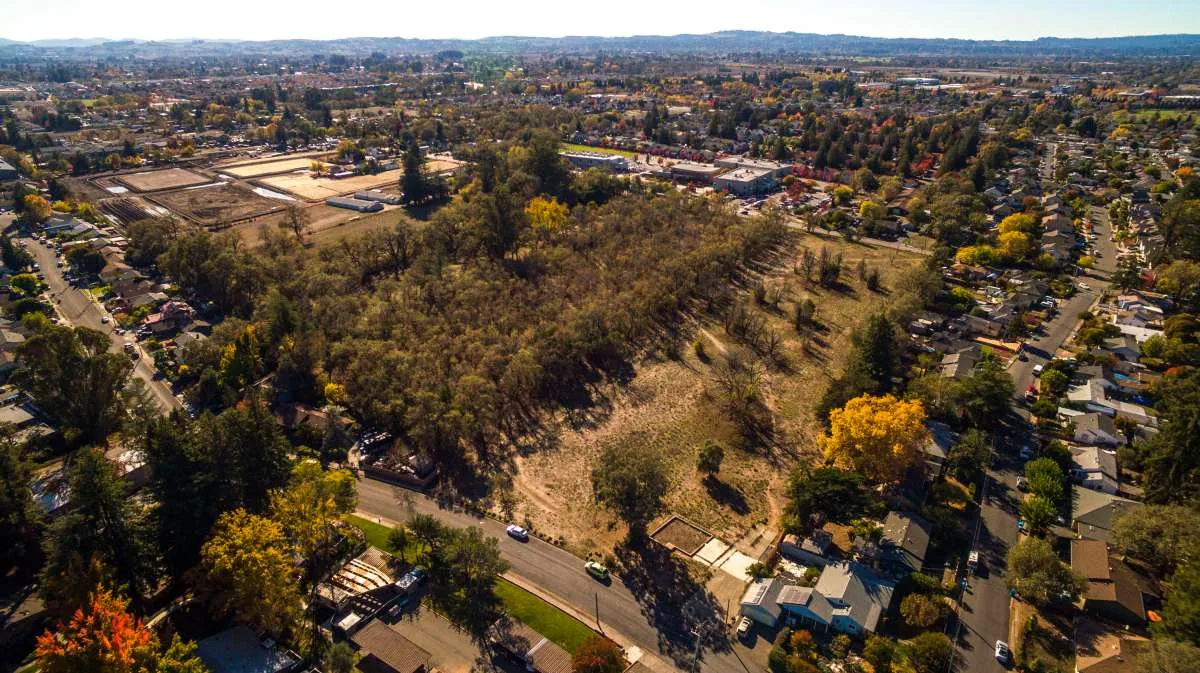
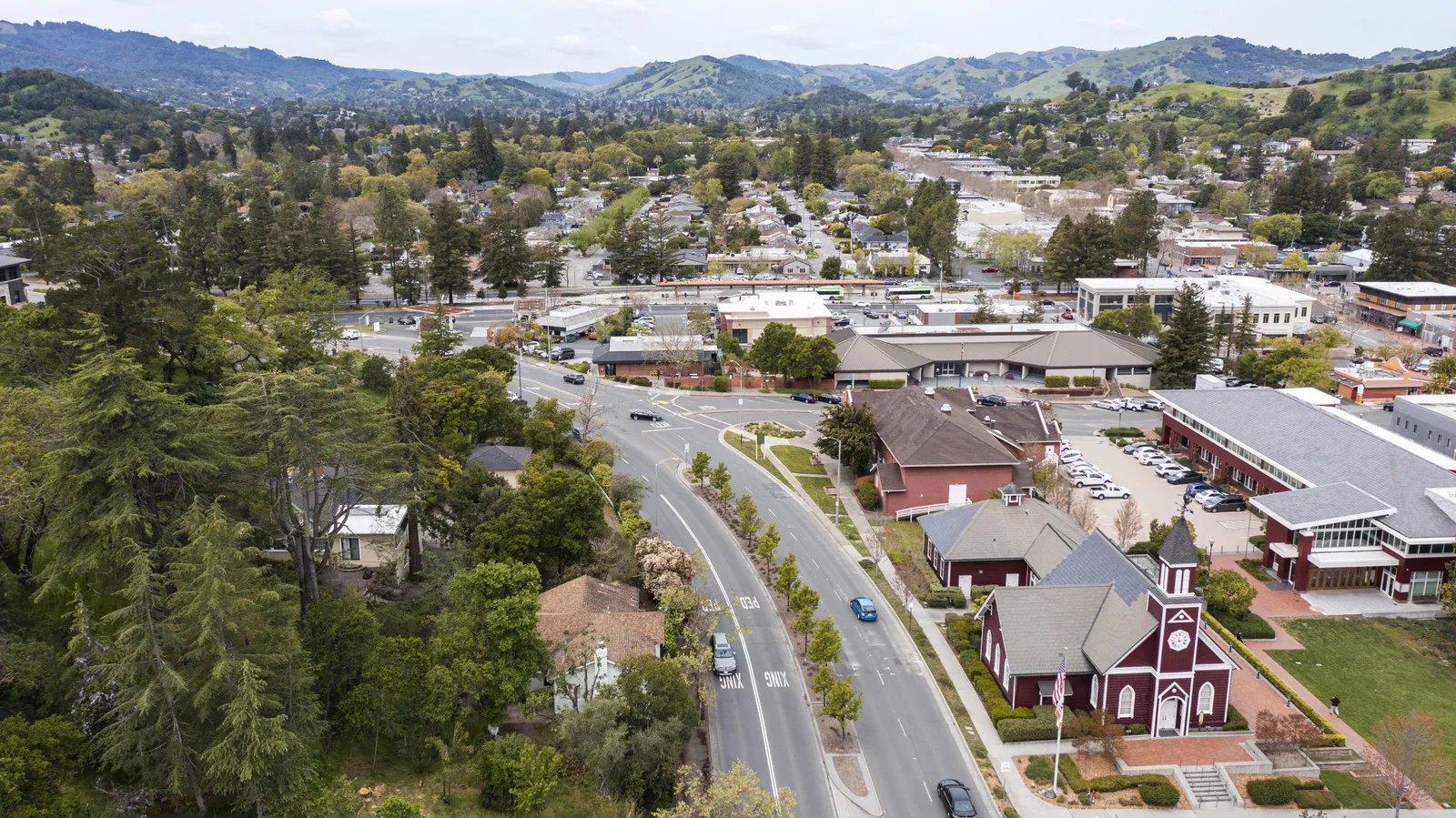
Santa Rosa is more than a collection of vineyard buildings and retail roofs. It is the county seat and the trade, government, commerce and medical center of Sonoma County, with 41.5 square miles inside the city limits. Commercial roofing here means inspecting buildings with different owners, ages, systems and access needs. We start with what is happening on your roof, whether water is active, the membrane is aging or a capital plan needs a condition record. The recommendation should tell you what failed and how to keep the building dry through the work. A commercial roof inspection turns that first visit into a useful record for repairs or long-range planning.
Serving Santa Rosa • Rohnert Park • Petaluma • Windsor • Healdsburg • Sebastopol • Napa
The same city has several roofing environments
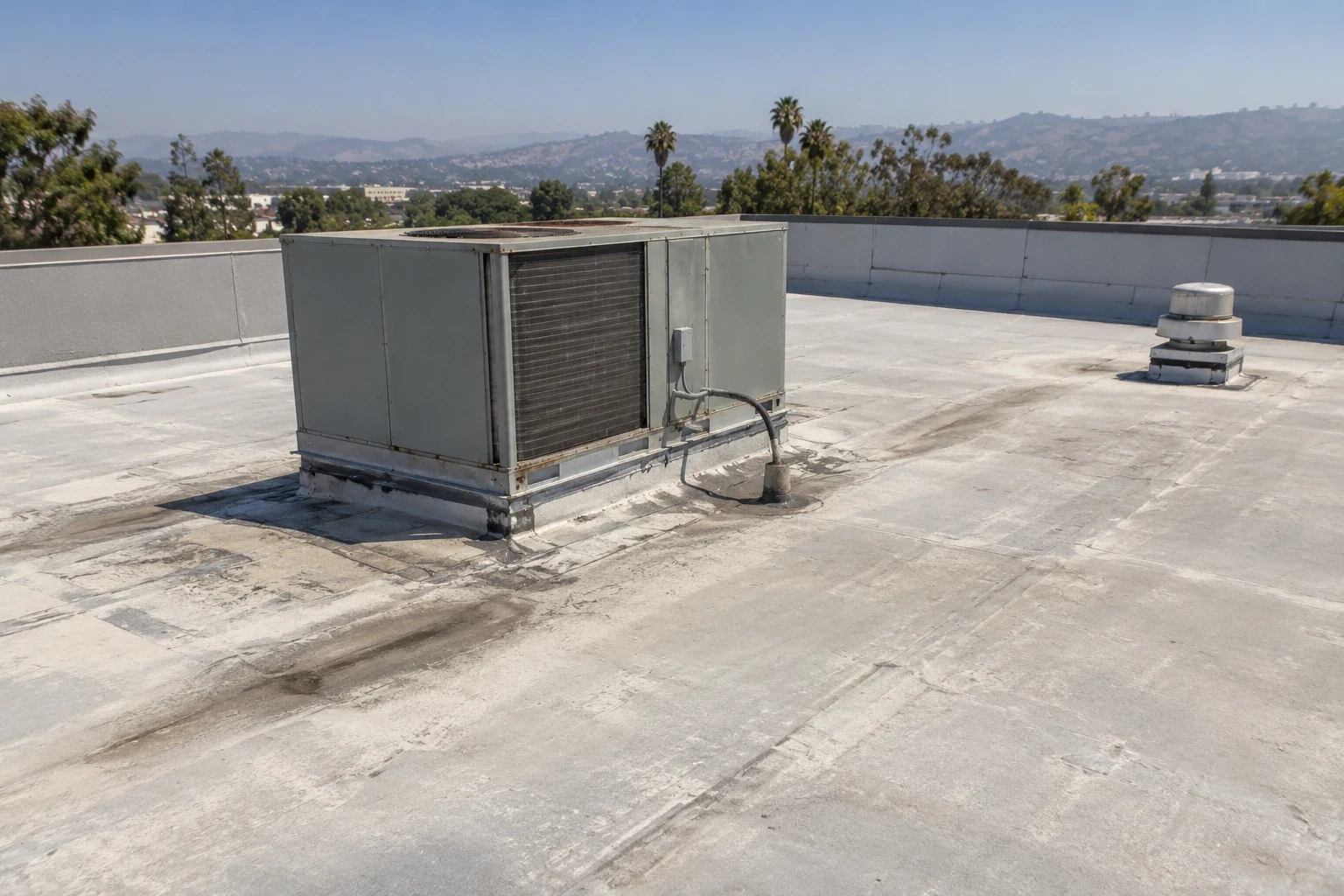
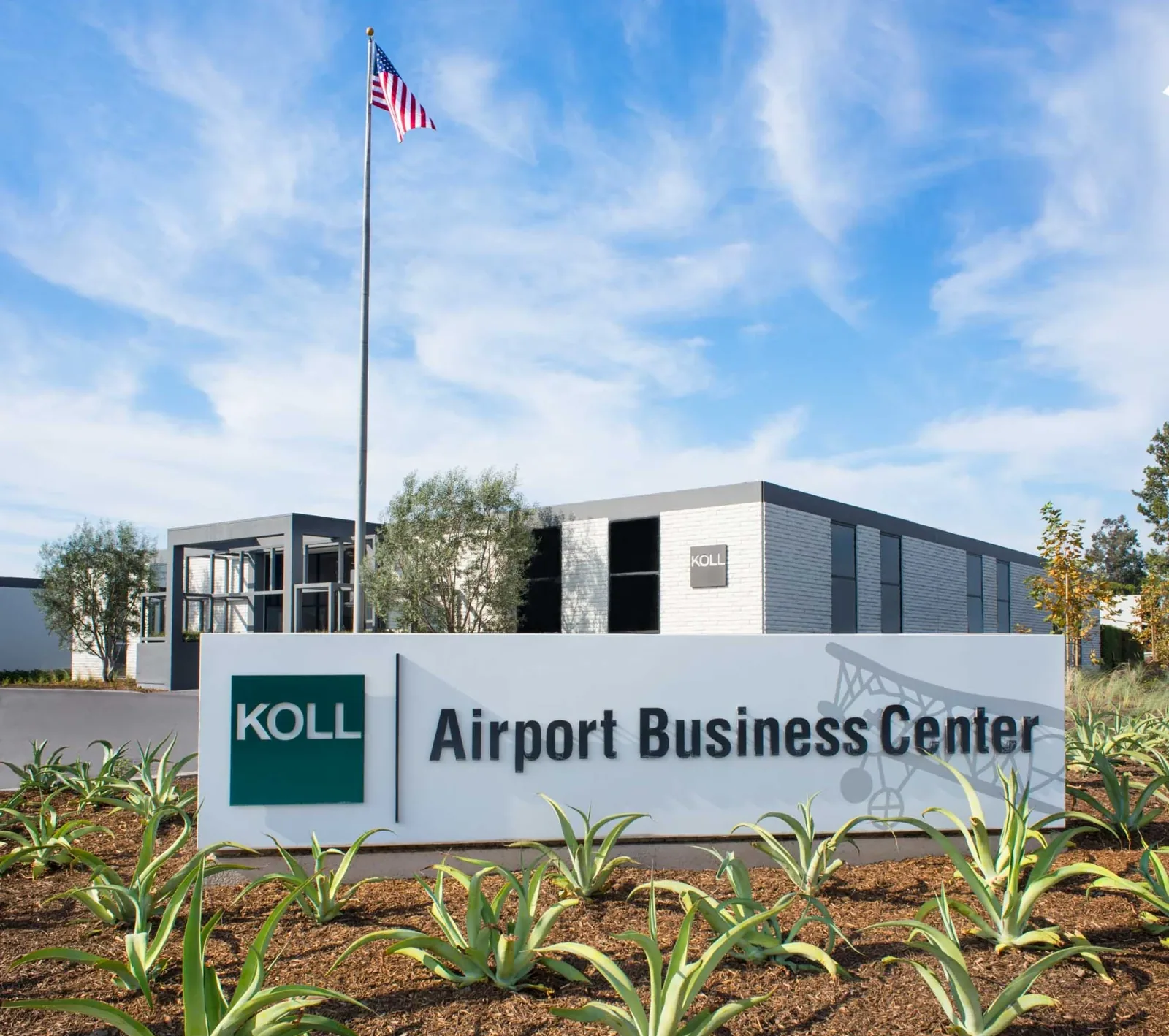
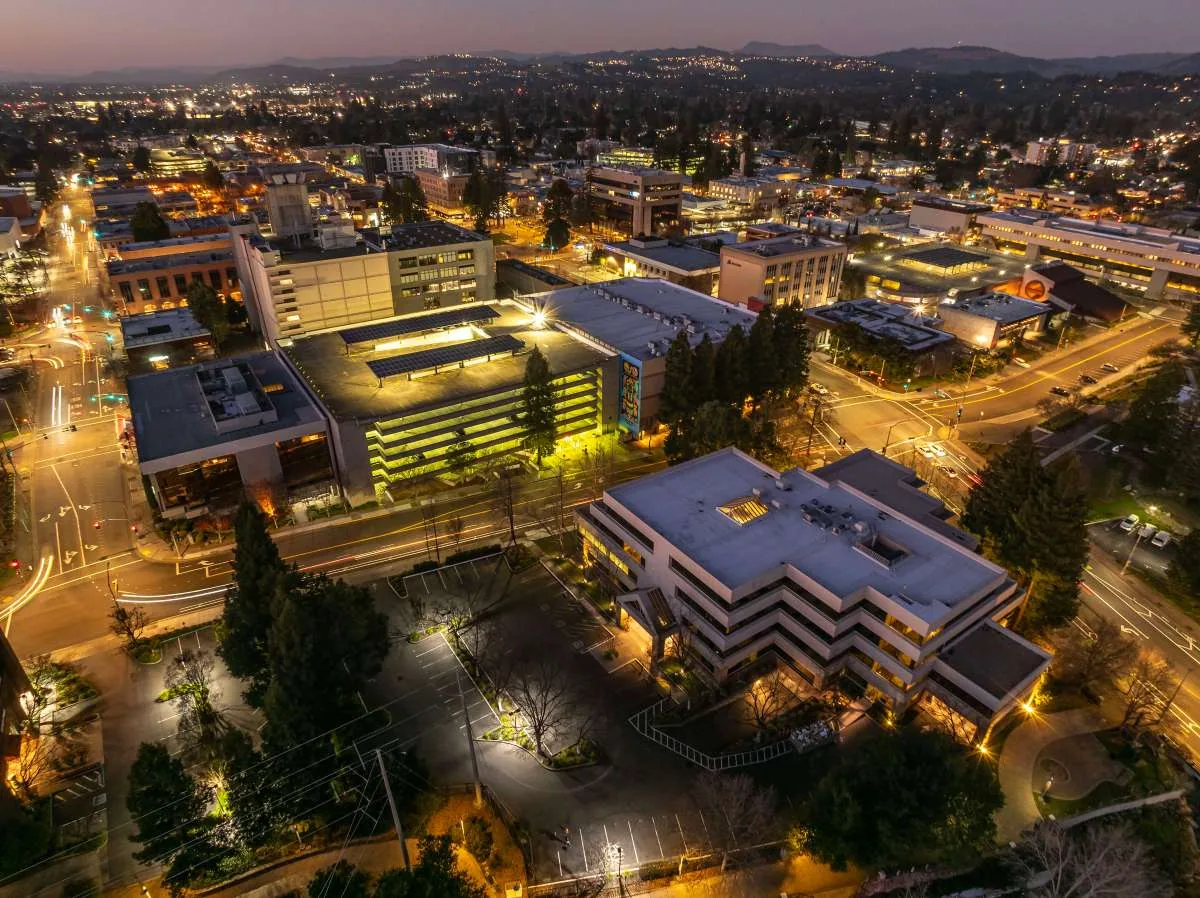
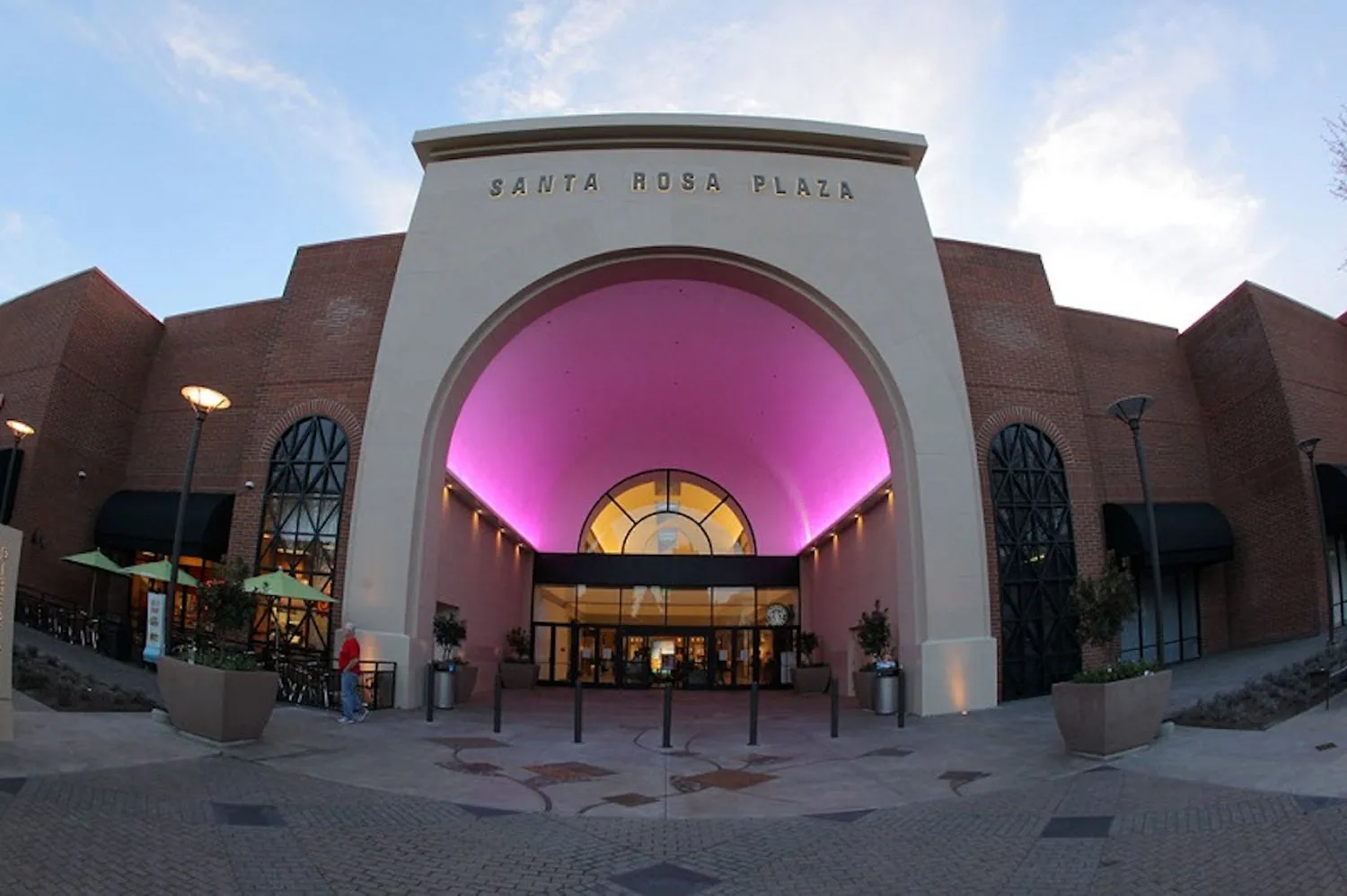
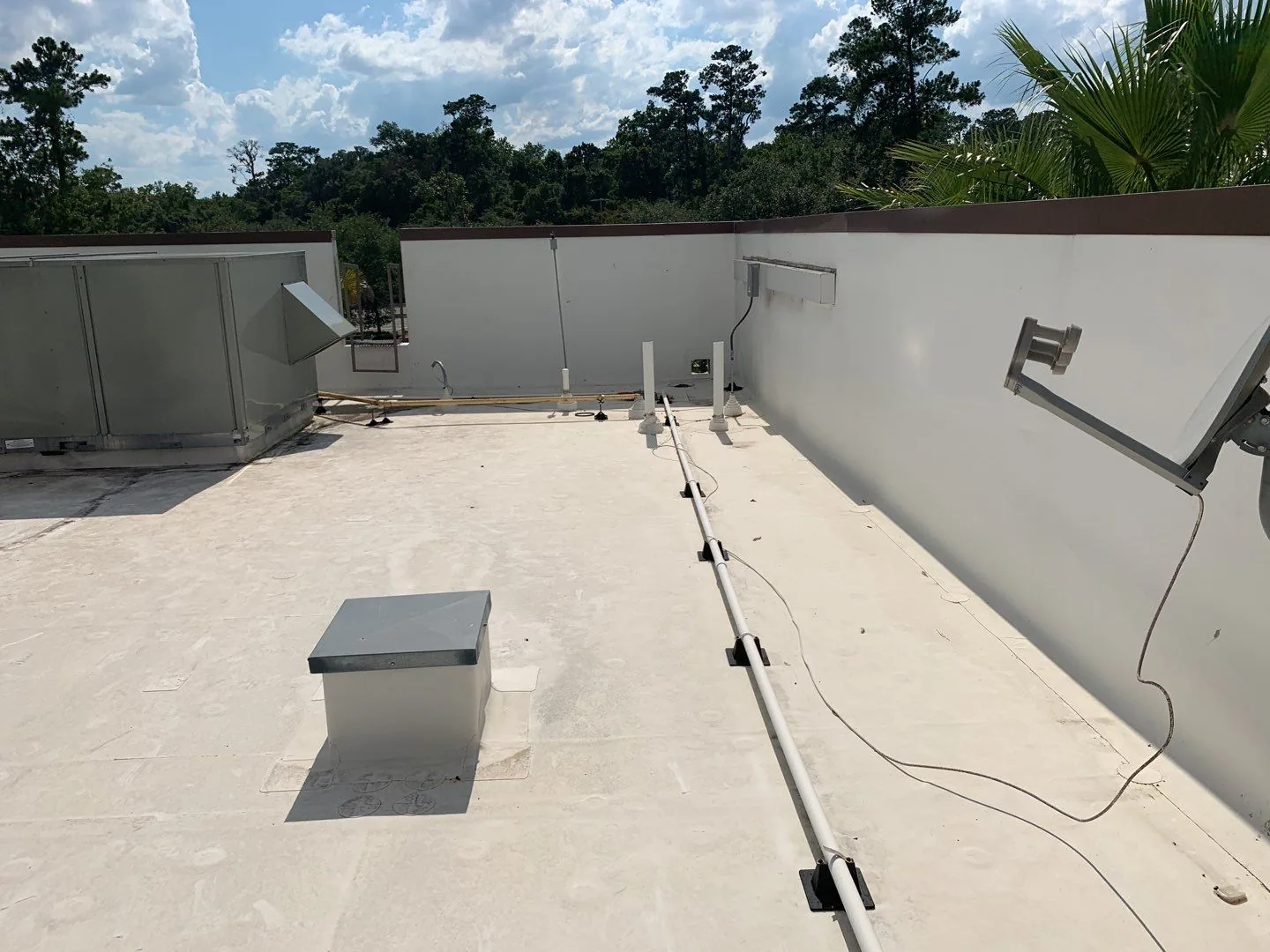
Downtown has retail and civic buildings; Roseland follows a broad specific-plan area; the Airport Business Center includes office, flex and light industrial properties. Those settings do not share a roof profile. A restaurant may have grease exhaust and frequent penetrations, while an industrial building may have rooftop equipment, long drainage runs and limited shutdown windows. We identify the system by inspection rather than assume it from the address or business name. If the owner manages more than one property, we document each roof separately, with photos and a ranked list of defects. Roseland has an approximately 1,800-acre plan area, while Airport Business Center is a multi-building employment district.
Trace water before writing the repair scope
A ceiling stain is the last stop, not a roof map. Water can move beneath a membrane, follow a deck seam or travel along a curb before it reaches an occupied room. We check the interior mark against drains, valleys, wall flashings, roof penetrations and prior repair lines. Moisture readings help separate surface water from saturated insulation. If only one seam has opened and the surrounding field is dry, a targeted repair may restore service. If moisture has spread, the scope should show the affected area and explain why a small patch will not hold. Commercial leak repair starts with that tracing process and a temporary dry-in when active water needs to be stopped quickly.
Prepare for concentrated winter rainfall
Check the roof after smoke, ash or windborne debris
The Tubbs Fire crossed Highway 101 into Santa Rosa in 2017 and destroyed commercial properties along with homes. Ash, embers and fragments can damage roof membranes in ways that are difficult to see from the ground. We inspect pipe boots, edge metal, screens and drain bowls, then note punctures and melted components separately from general debris. If smoke reached a building’s intakes, equipment filters and rooftop units may need attention alongside the waterproofing. Safe access matters after an emergency, so we first check whether surfaces are stable enough to walk. Wildfire-related roof repair begins with a documented assessment, followed by temporary protection where the roof has opened.
A hot week can reveal material fatigue
Santa Rosa’s record high reached 115 degrees in 2022. Repeated heat cycles can stress exposed sealants, older coatings and membrane details around rooftop equipment. During an inspection, we look for shrinking, checking, loose laps and brittle flashing rather than judging a roof by color alone. Reflective surfaces may reduce solar heat absorption, but only a compatible system on a sound substrate can deliver the intended result. We also consider insulation, drainage and roof traffic before suggesting a coating or recover. If the deck is soft or wet, the conversation changes. The goal is to preserve the roof assembly that remains serviceable and replace what cannot be repaired.
Compare the work by what it leaves behind
A repair spends money on a specific failure. A recover preserves the existing membrane but adds a layer, which can raise edges and change load. A coating adds protection only when the substrate is clean, dry and compatible. Replacement removes the failing assembly and allows a closer look at the deck and insulation, but it is also the most disruptive option. We explain what each scope includes, where the risk remains, and which unknowns could change the final plan. The owner should be able to decide whether the roof needs action now, later or not at all. Commercial roof replacement should have a written phasing plan, drainage details and protection measures for occupied areas.
Records matter when a property changes hands or a facility manager inherits a roof without a reliable history. We note visible repairs, patch materials, open laps and signs of previous moisture, then separate observed conditions from assumptions about the system’s age. If maintenance files exist, we compare them with field evidence and identify gaps. That gives a new owner a practical baseline, while the contractor can plan temporary protection and permanent work from the same roof map.
When several roofs share a portfolio, condition should be ranked by risk rather than by which building is easiest to reach. We compare active leaks, moisture spread, drainage, edge exposure and the use of the rooms below. A roof above inventory or critical equipment may deserve attention before a larger but dry roof. Each inspection uses the same categories, so the owner can compare unlike systems without pretending their assemblies are identical. That record becomes more useful with each maintenance visit.
Commercial Roofing Questions
Can you tell from a ceiling stain where the roof is leaking?
Not reliably. Water can travel under the membrane or along the deck before it appears indoors. We compare the stain with the roof’s drains, transitions and penetrations, then use moisture readings and inspection to identify the likely entry point. The repair scope names the failed detail and how it will be corrected.
What should be checked before the winter rains?
Drain strainers, scuppers, overflow routes, seams, wall flashings and previous repairs. We clear debris and note low areas that keep water after a storm. If the roof has moisture below the surface, that needs a separate repair plan rather than another layer of sealant.
Do you handle roofs in occupied buildings?
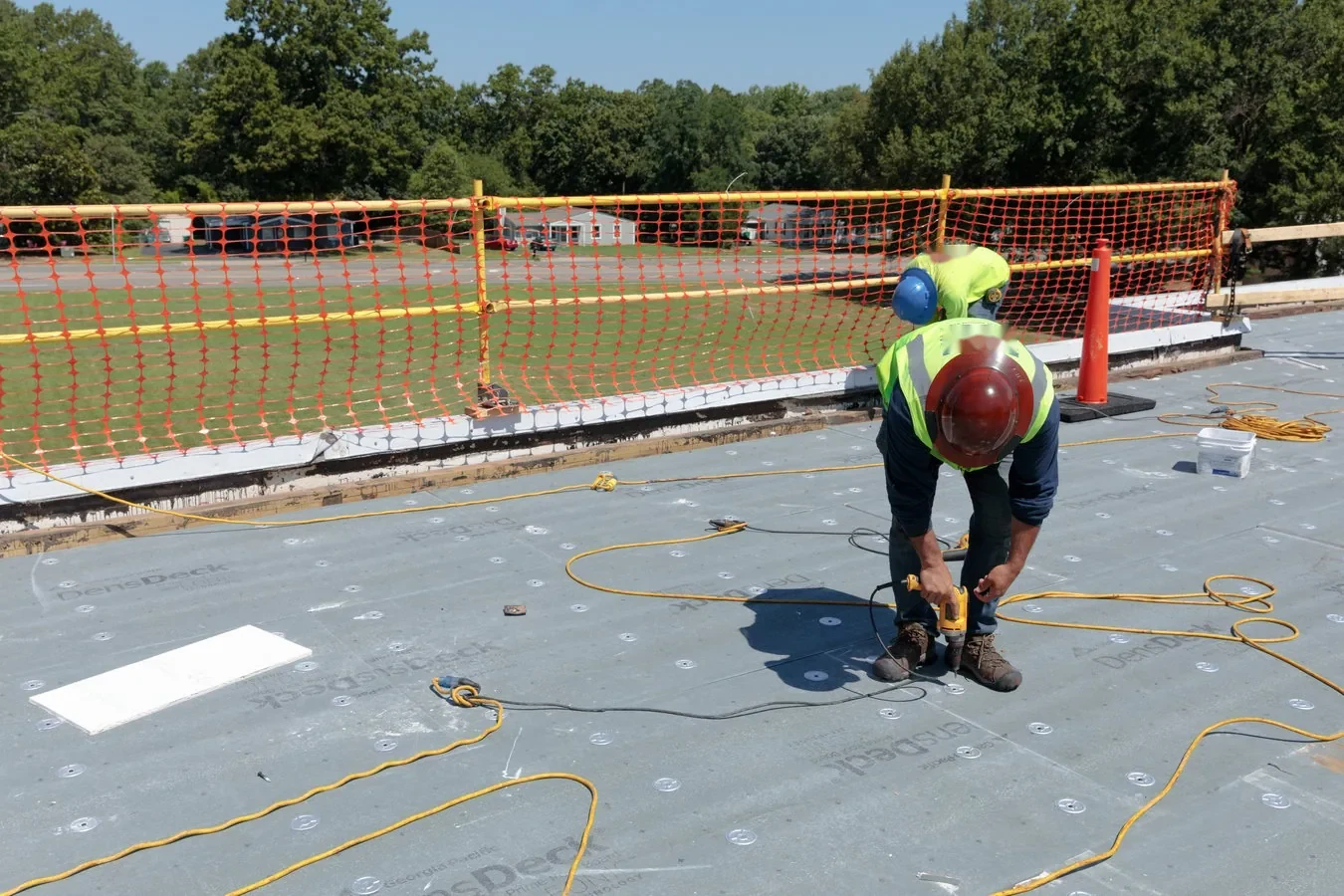
Yes. We phase work around entrances, tenants, equipment and rooms that need to stay open. The schedule identifies noisy work, material delivery and any temporary protection so the facility manager can prepare occupants without closing more of the building than necessary.
Is a coating always cheaper than replacement?
No. A coating is only suitable when the existing assembly is dry, stable and compatible with the product. If insulation is saturated, the deck is failing or edge details cannot be restored, coating may postpone a necessary repair while leaving the cause in place. We compare the conditions before recommending it.
What will we receive after an inspection?
A written condition record with photographs, observed defects, moisture findings where measured, and priorities for repair or monitoring. For multiple buildings, each roof is identified separately. The report should make the next budget decision clearer and leave a reference for the next maintenance visit.