Commercial Roofing in St. Helena, CA
Service Areas
A winery roof is not a barn roof, and pricing it like one gets expensive fast. St. Helena has over 400 vineyards on 6,800 acres inside its American Viticultural Area, and major winery properties such as Charles Krug Winery, Duckhorn Vineyards and Newton Vineyard sit among a town of 5,430 residents. A winery estate usually means two different kinds of building under one owner: a production space that has to stay cool and clean, and a hospitality space where guests expect the ceiling to be spotless.
Low-slope and metal commercial roofs in St. Helena, CA get the same repair, recover, coating and replacement work we do in Santa Rosa, CA. Our first question on any estate is which of those two buildings is leaking, because the fix, the schedule and the cost are not the same.

Serving Santa Rosa • Rohnert Park • Petaluma • Windsor • Healdsburg • Sebastopol • Napa
Barrel rooms and tasting rooms
A barrel storage building lives or dies on temperature stability. The roof is the largest surface exposed to the sun, so its insulation and its color decide how hard the cooling has to work. If the insulation under the membrane or metal has gone wet, the building loses much of its protection against heat gain, and the owner pays for it every month on the utility bill. An infrared moisture survey shows wet insulation that no one can see from the roof surface.
A tasting room is the opposite problem. The structure may be modest, but the finishes below are costly and the guests are in the building at the worst moments. Water that enters through a skylight curb or a small penetration can stain a ceiling and close a room. On a first walk we divide the estate by what is underneath each roof, rank the buildings by the damage a leak would do, and start with the ones where a drip costs the most.
Put the roof dollars where the leak would do the most harm.
Crush season rewrites the calendar
Harvest is when a winery cannot afford a surprise, and it is also when dry weather makes roofing easy. Those two facts collide every year. Fumes from hot-applied materials, dust from tear-off and the noise of equipment all land near tanks, presses and crews working long hours. The roof job belongs before crush starts or after it ends, and we plan around that window.
That means ordering materials early, doing tear-off in the spring or late fall, and avoiding any method that puts odor or ash near open fermentation. Where a building is still in use, occupied building reroofing methods keep work sectioned and sealed so operations continue underneath. The takeaway is plain: decide the roof schedule in winter, not in August.
One owner, many roofs
After the fire years
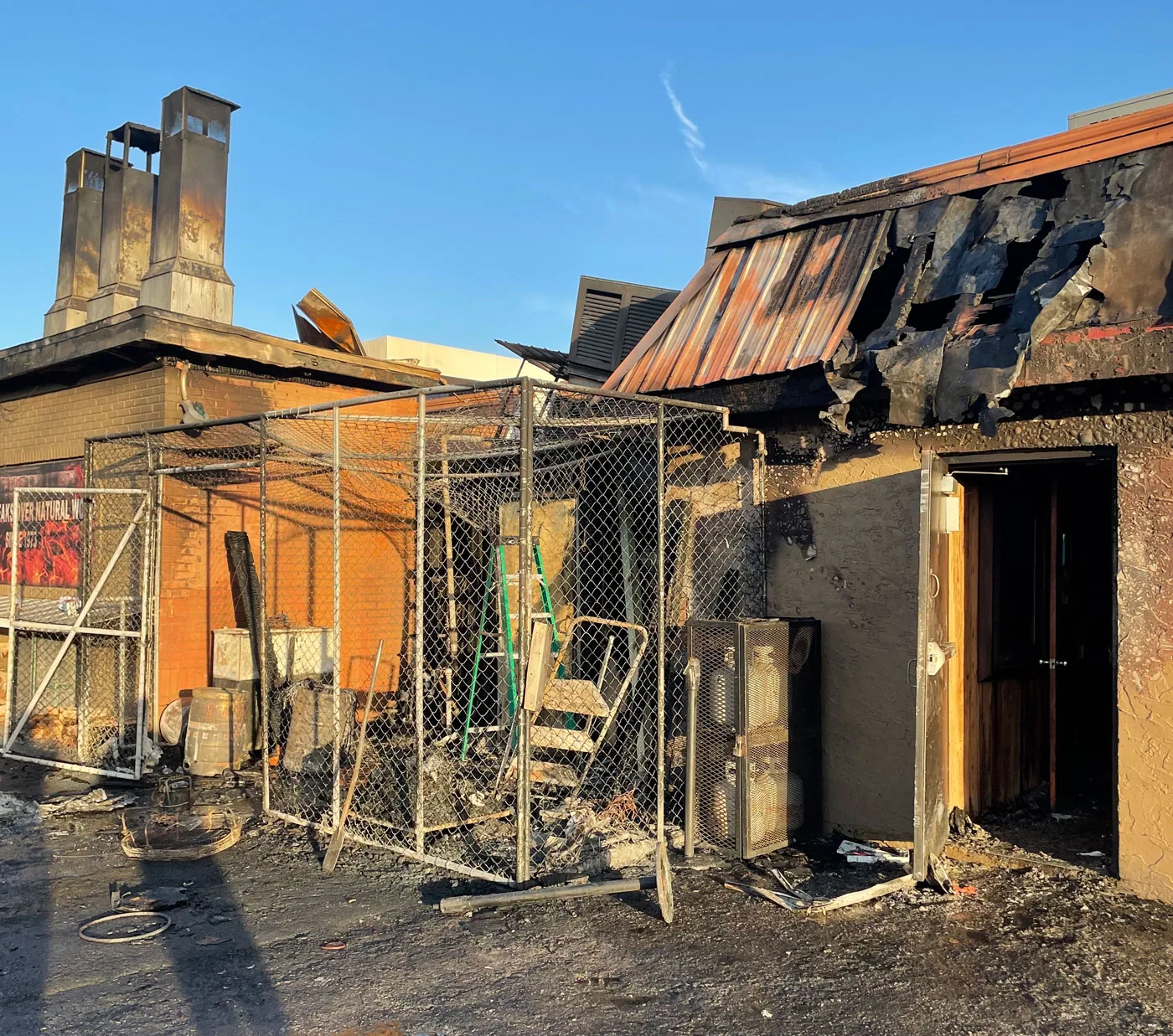
The Glass Fire of 2020 burned 67,484 acres across Napa and Sonoma Counties and destroyed 1,555 structures, 343 of them commercial buildings in Napa County. The roof lessons are not about flames. They are about embers landing in gaps, ash packing into drains, and smoke staining that will not wipe off.
After a fire year we walk every roof, clear the debris, check vent screens and edges, and photograph the condition. If there is damage, the photos make a later fire damage repair and insurance discussion much simpler. Metal does not ignite, and standing seam metal suits a building that wants long life and a clean look. It still needs its fasteners, clips and sealed laps checked, and it still needs the gutters cleaned. The same fire forced a second citywide evacuation in Calistoga.
What not to buy
Winery owners get pitched plenty of roof spending that does not pay back:
- A premium finish on a roof nobody sees, when drainage is the real issue.
- New roof covering over wet insulation, which wastes the membrane.
- Starting a reroof in August, then stopping for harvest with the deck open.
- Uninsulated replacement on a barrel room. The cooling bill will pay for the shortcut for years.
For a roof with sound insulation and a few failed details, a repair pays off. For one with wet insulation, new insulation and cover board go in with the membrane.
Calistoga's winery and hospitality buildings face the same need to schedule roof work around operating seasons.
Winery and production buildings in Napa bring similar harvest scheduling constraints, with each roof still assessed on its own condition.
St. Helena owners should time roof access around production and visitor operations, then document the building-specific restrictions before work is priced. Separate barrel rooms, tasting areas, kitchens, and office space where they fall beneath different roof sections. Inspect exhaust, drains, and penetrations serving process equipment, and coordinate shutoffs with the responsible vendor. A phased scope can protect active operations while making each repair boundary clear for the next season’s inspection.
Commercial Roofing Questions
How do we keep a barrel room cool without replacing the whole roof?
Look at the insulation and the surface color before anything else. A dry, sound insulation layer with a reflective coating or a light membrane can cut heat gain a long way. If a moisture survey finds wet insulation, that section comes out, and the rest of the roof can stay. Replacing everything is rarely the first step.
Can a roof be replaced during harvest?
Not over active production. Dust, fumes and noise do not belong next to fermentation, and crews working long days need access that harvest traffic blocks. A small emergency repair is fine at any time, and we do it carefully. A full reroof belongs in the spring or after crush, with materials ordered in winter.
A tasting-room leak shows up above a finished ceiling. How do you find the source?
Trace it backward from the stain, not straight up. Water travels along the deck or the insulation and often comes out several feet from where it came in. We look at nearby penetrations, skylights, edge metal and seams, and use a moisture scan when the path is unclear. Fixing the stain without finding the entry just moves the leak.
Is standing seam metal a good fit for a winery building?
It fits when the owner wants a long-lived roof with a clean line and the structure can carry it. It is not worth it on a nearly flat roof where water will sit, since a low-slope membrane is the better match there. Cost, noise under rain and the look of the building all belong in the decision.
After a wildfire year, how should an estate with several buildings handle its roofs?
Build one list and walk every roof. Record condition, debris, vent screens and edges with photographs, then rank the roofs by risk. Fix urgent items first and schedule the rest across a few budget cycles. A written record is useful for insurers and for the next owner, and it makes the budget conversation much easier.
Walk the estate with us
Call and tell us which buildings in St. Helena you own. After we have been up on the roofs, we will say plainly which need work now, which can wait, and which need nothing at all.