Commercial Roofing in Penngrove, CA
Service Areas
A small town does not mean a simple roof. Penngrove has 2,637 residents between Petaluma and Cotati, at the foot of Sonoma Mountain, and its commercial corridors are Main Street, Petaluma Hill Road and Old Redwood Highway. What costs a small-building owner money is rarely the leak itself. It is the pile of unexplained patches sitting on top of it.
Our work in Penngrove, CA covers repair, recover, coating, inspection and full replacement of commercial roofs. The first job is always to find out what is actually up there, because on a small building the choices of the last person to touch the roof are the biggest unknown.
Serving Santa Rosa • Rohnert Park • Petaluma • Windsor • Healdsburg • Sebastopol • Napa
Three roads, one access plan
Main Street, Petaluma Hill Road and Old Redwood Highway are the commercial corridors, and a building on any of them raises a practical question before any roofing question: where do the truck, the lift and the dumpster go? When the lot is modest and the road runs past it, material that arrives at the wrong hour can block a customer door or a neighbor's drive. We walk the frontage first, choose the staging spot, and schedule deliveries so the roof is opened early and closed up the same day.
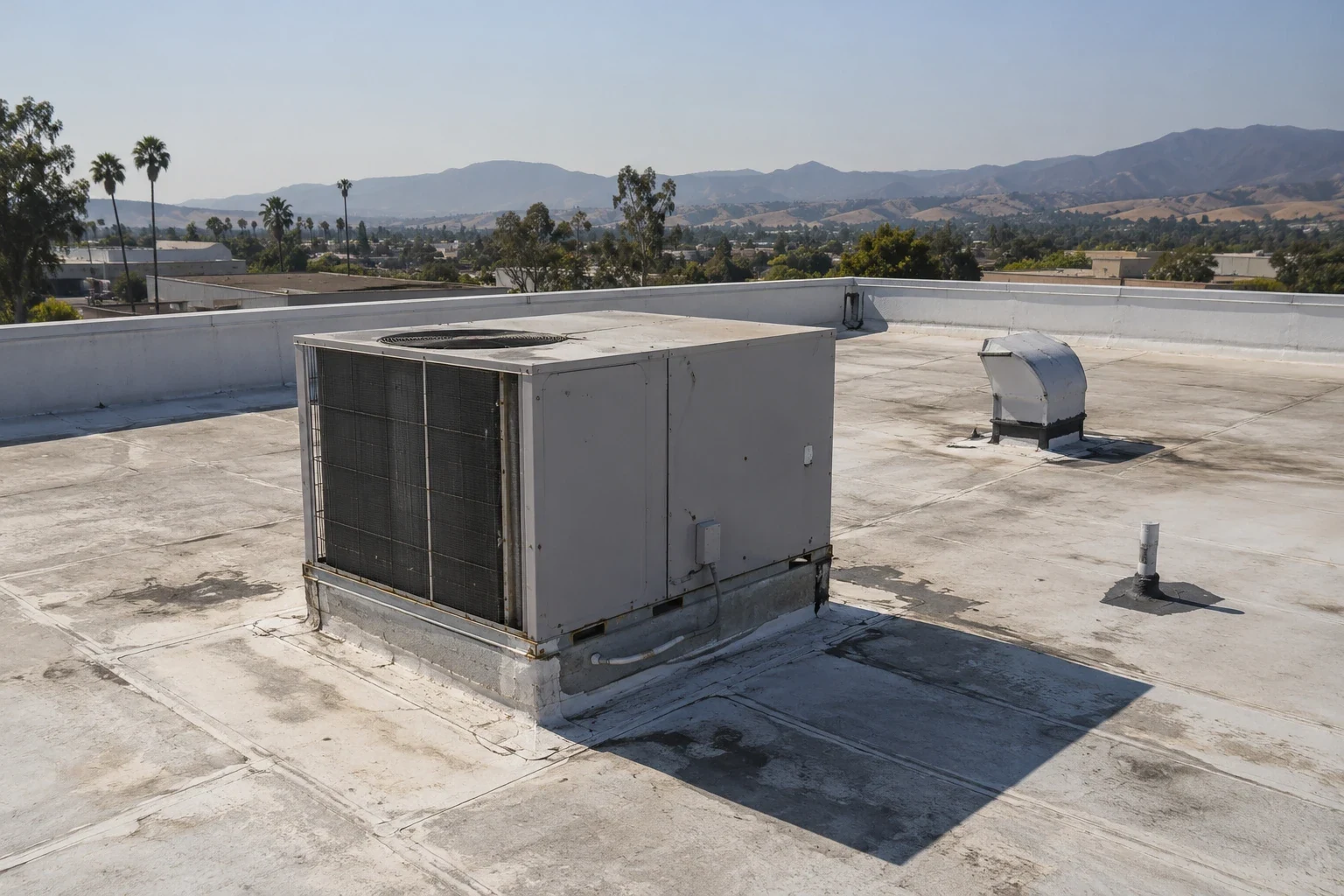
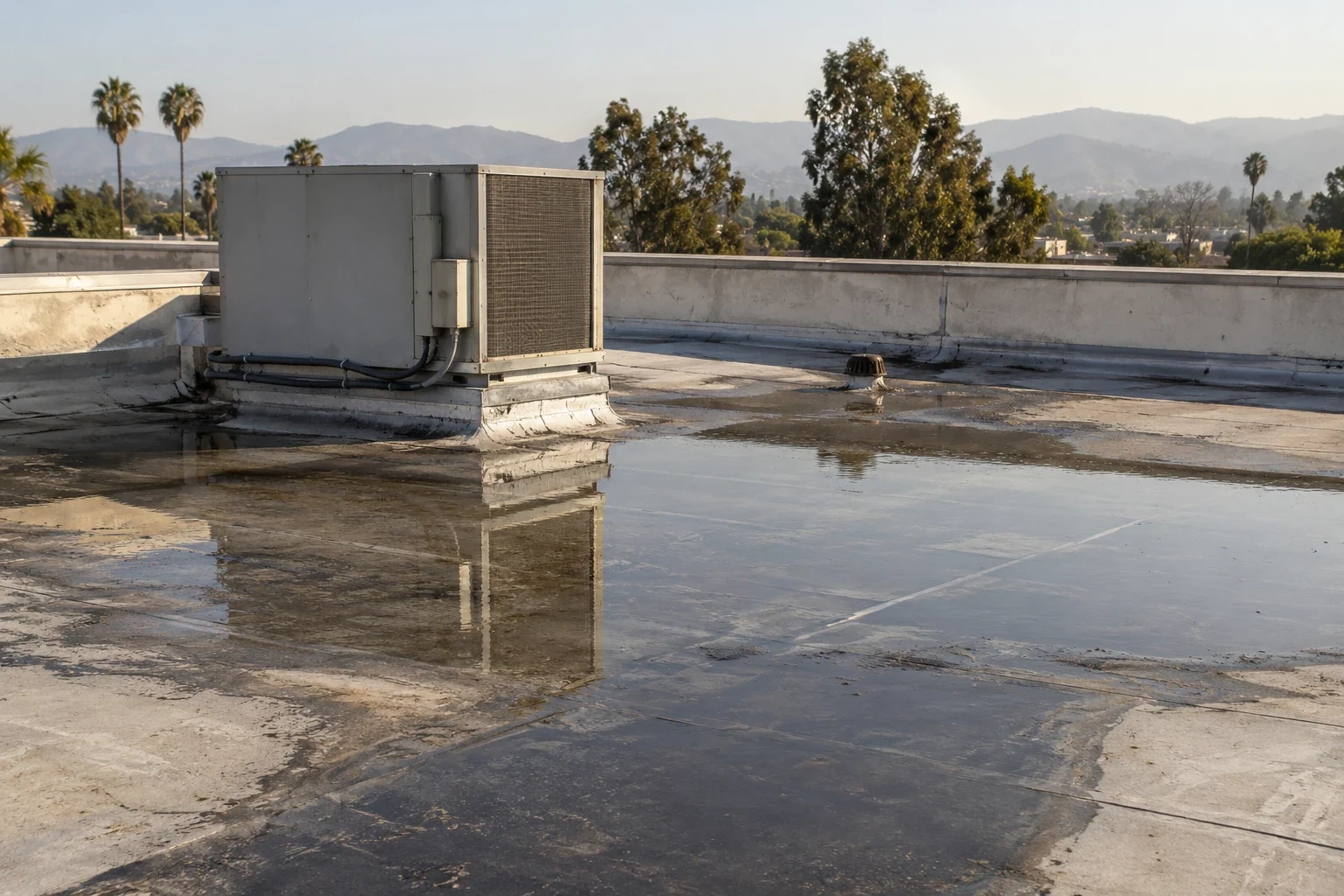
On a small building the few penetrations that exist carry a lot of weight. One rooftop unit, one vent stack or one skylight can be the only reason water ever gets in. Each is a flashing detail, and penetration flashing done well is usually worth more than replacing the field of the roof around it.
A poultry past, an unknown roof
Penngrove was once the second largest egg and poultry producing area in the country. That is history, and it says nothing about the roof over any particular building today. It is easy to assume an older building in a farm-trade town has a worn-out roof, or that a recent tenant improvement means a new one. Neither follows. A building's age, past use and roof type stay unknown until someone stands on it with a core cutter and a camera.
So we confirm the basics before recommending anything: what the roof is made of, how many layers sit on the deck, what insulation lies under them and where the water is supposed to go. Low-slope roofs get core samples and moisture readings. Metal roofs get a close look at fasteners, laps and panel ends. Only then does a sensible plan exist, and sometimes the plan is a tune-up and a calendar reminder.
Rain, ash and wind
Patch, coat or start over
The Sonoma County Reroofing Guidelines were drafted jointly by the County, the city building departments and the North Bay chapter of Independent Roofing Contractors of California. They address built-up, modified bitumen, metal and tile work and set out a self-certification inspection policy for reroofs. One detail worth knowing: Chapter 7A of the state building code, the wildfire-exposure chapter, targets new construction, not reroofing. Ask the building department which path applies to your address before you sign anything.
On the roof itself, the decision runs the same way as everywhere. Dry insulation and a sound field can take a restoration coating. A tired metal roof may suit a retrofit panel system over the old one, and our metal roof retrofit work starts with checking whether the purlins and deck can carry it. Cost follows layers, wet insulation, access and penetrations. Timing follows the wet season, so jobs that start in the dry months need materials ordered before the first storm moves in.
Skip the second patch
Not every roof needs a big project, but some small spending is wasted:
- Another coat of roof cement over the last one, which hides the failure without ending it.
- A full recover on a roof whose insulation has never been tested.
- A cheaper membrane chosen to match a neighbor, not the deck and the drainage.
- Putting a repair off until the ceiling tile comes down.
A roof on a modest building is a good candidate for a written maintenance program, and a basic repair done on time costs far less than the damage it prevents. Penngrove sits between Petaluma and Cotati, and the same advice holds on both sides of it.
Commercial Roofing Questions
How do we find out what kind of roof is on an older building we just bought?
Pay for a hands-on look before you pay for a plan. We cut a core to see the layers, the insulation and the deck, read the moisture below, and check the details at walls and penetrations. The result is a short written report with photos, so you can tell a seller, a lender or an insurer exactly what the roof is. Guessing from the surface gets the system wrong too often.
Does a small commercial building need a maintenance program?
A small roof is the best candidate for one. Two visits a year, one before the wet season and one after, keep drains open and catch loose flashing while it is still a half-hour fix. Each visit comes with photos and a short list. Over time the list shows whether the roof is aging gracefully or heading toward a decision.
What does the Sonoma County reroofing policy mean for my replacement?
It means there is a local process, written with the building departments, and you should learn which path your address follows. Built-up, modified bitumen, metal and tile roofs are all addressed, along with a self-certification inspection policy for reroofs. Your contractor should confirm permit and inspection steps in writing before the work is priced, not after the material is on site.
Is it worth cleaning ash off a roof after a fire elsewhere in the county?
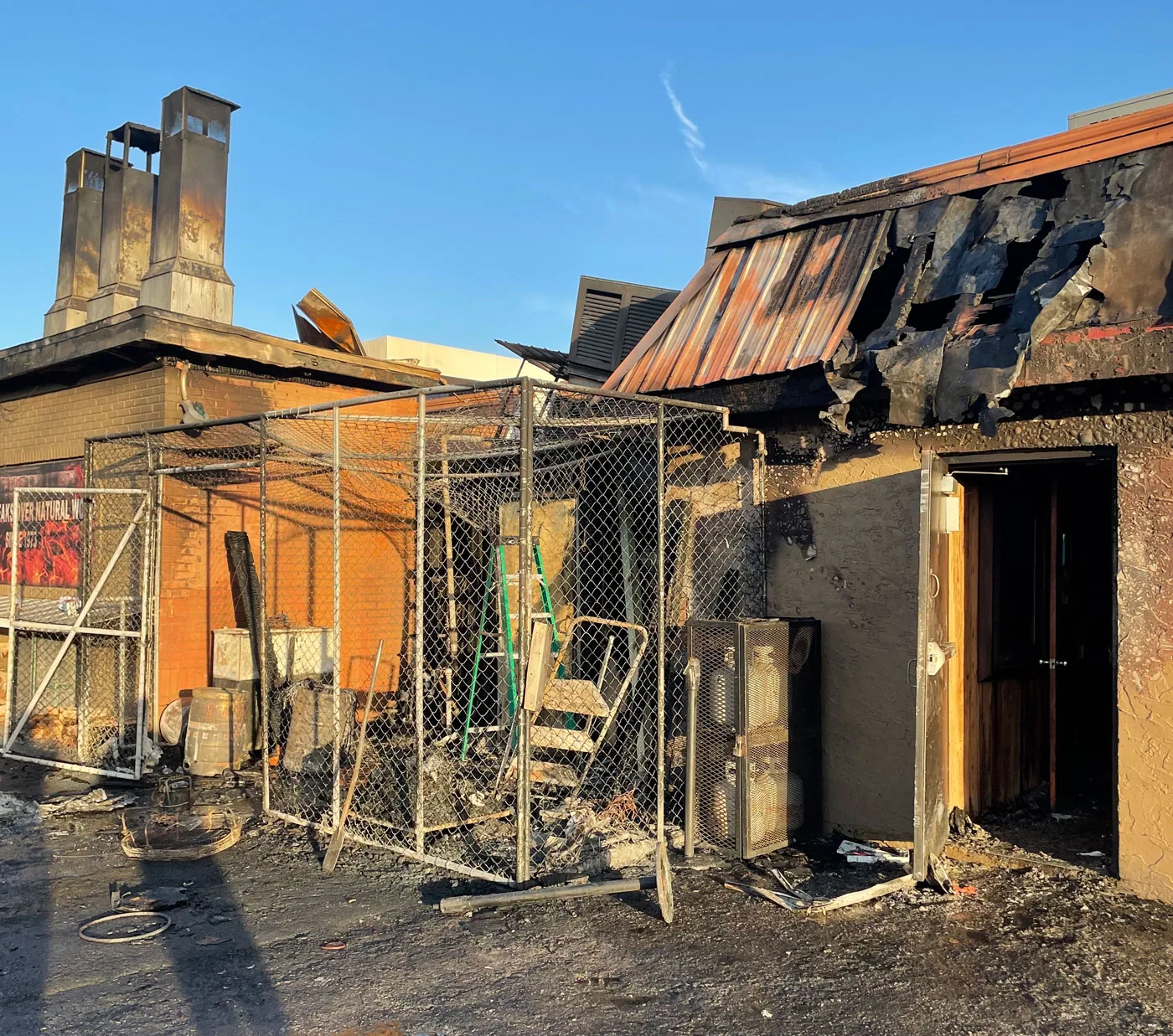
Clean it, and do it before the next rain. Ash packs into drains, collects in corners and holds water against flashing and seams. A short visit with a blower, a brush and a camera costs little. While we are up there, we look for ember burns and cracked sealant so the first storm does not find them for us.
What stretches a roof job on a small building?
Weather and material lead time, usually in that order. A small roof can be opened and dried in within a few days, but a forecast storm or a back-ordered flashing stops the work cold. Lock the scope and order material while the season is still dry, and leave a little room in the schedule for the day the sky changes its mind.
Walk it with us
Call and tell us the address and what the roof has been doing. After we walk it, you will hear plainly whether it needs work now, later, or not at all.