Commercial Roofing in Occidental, CA
Service Areas
Occidental averages 55.19 inches of rain a year, far more than Santa Rosa's 32, and a roof there lives a very different year than one in the valley. Occidental, CA, with 1,132 residents, craft breweries, wine shops, Occidental Leather and the 80-acre Occidental Arts and Ecology Center, asks a lot of a roof.
We repair, coat, recover and replace commercial roofs for small commercial buildings, breweries, shops and rural properties. Here is the truth about wet country: the membrane is usually not what fails. The drains, the edges and the junctions fail, because they carry water through a long wet season. The best money in Occidental goes to keeping water moving off the roof, not to buying a stronger skin for it to sit on.
Serving Santa Rosa • Rohnert Park • Petaluma • Windsor • Healdsburg • Sebastopol • Napa
Fifty-five inches is a different job
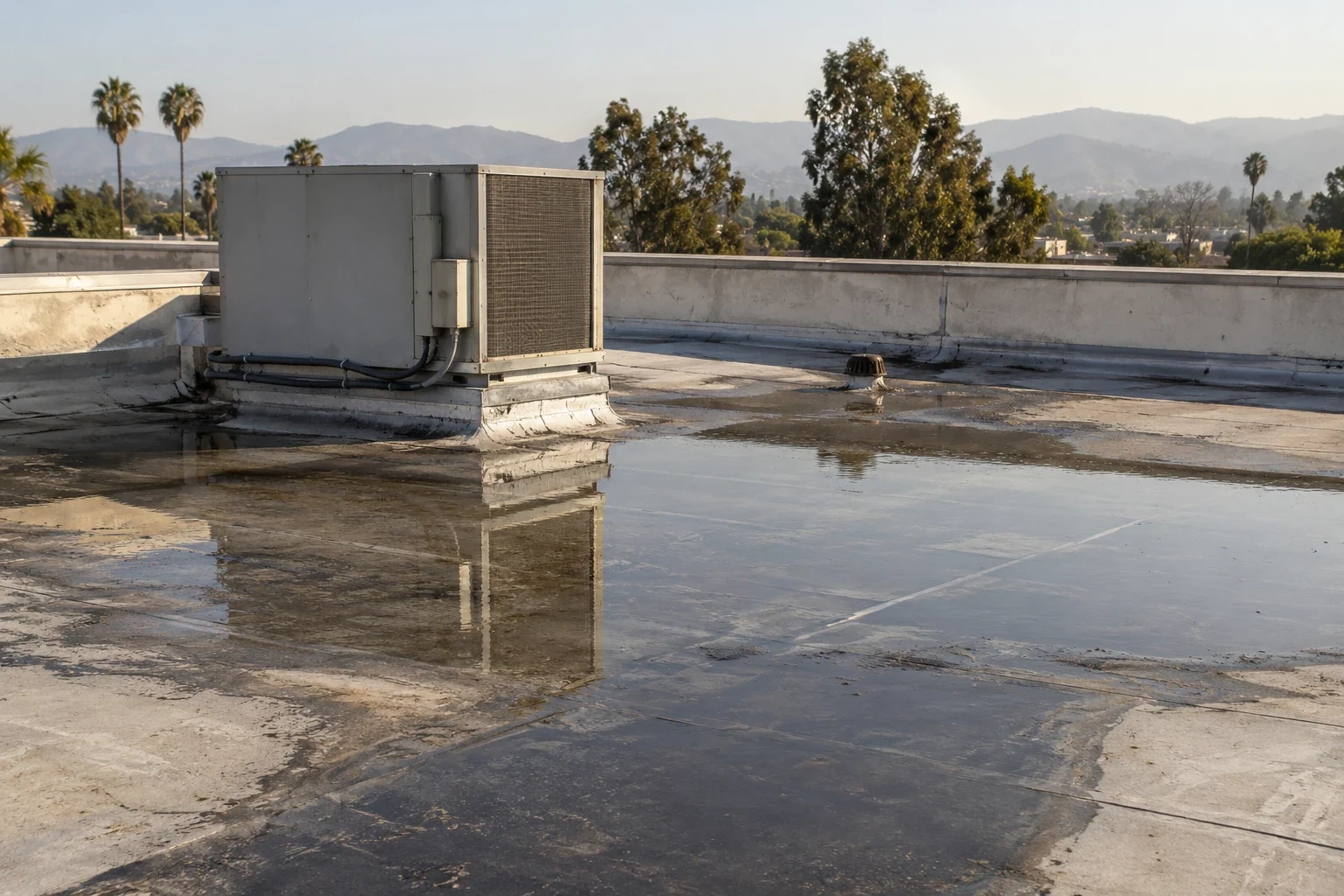
More rain means a longer wet season, and that changes what a roof needs. Debris never fully dries, so it rots in place on the membrane and packs into drain baskets. Moss and algae grow on roofs that stay damp, and a slick biological film holds moisture against seams and laps. Insulation below a small leak takes on water for months before anyone sees a stain, because a long wet season leaves little time to dry out.
The consequence is that inspection frequency matters more here than in the valley. We recommend a drain and edge check at the end of the dry season and another in midwinter, and a maintenance visit after every major storm. For owners deciding between repair and replacement, the written condition report should state how much insulation is wet, because wet insulation turns a repairable roof into a replaceable one.
Nearly 21 inches in November 2024
Nearly 21 inches of rain fell near Occidental during the November 2024 atmospheric river, in the same storm that put nearly 15 inches on Santa Rosa in about three days. The Sonoma County mountains saw 20 inches or more. Water on that scale tests every roof outlet at once. A scupper that handles a normal winter can be swamped when the downpour is that heavy, and a roof with no secondary overflow stores the extra water until it finds the lowest door or seam.
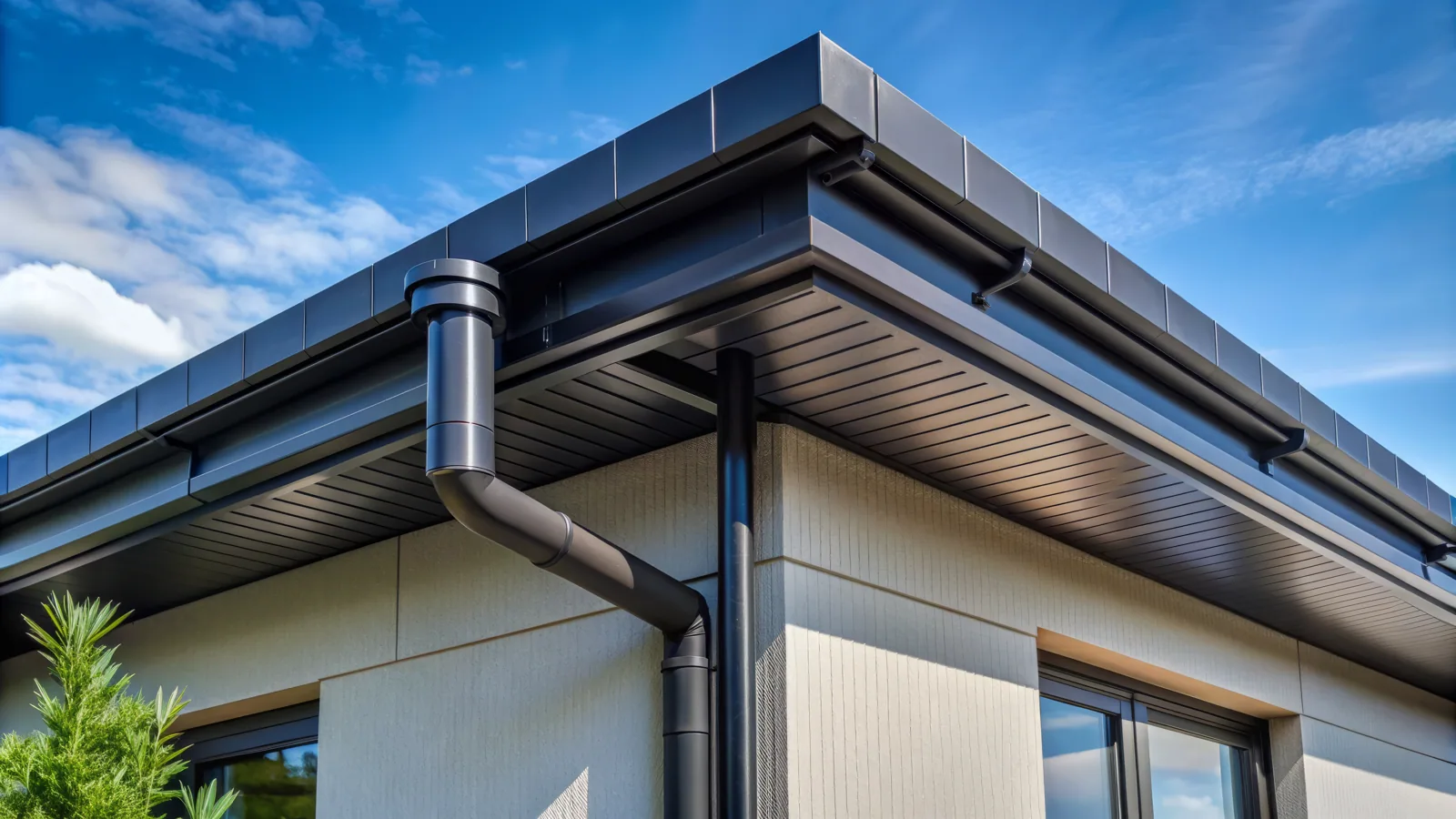
What decides a roof in a storm like that is clear drains and a place for overflow to go. If your roof held, that is no reason to relax, since the next storm may be heavier. We recommend adding or enlarging drains and scuppers where a roof has no overflow, and repairing any ponding areas before the next wet season. Cheap, quick and the right first move.
Breweries, shops and a big property
Pick the right system for wet
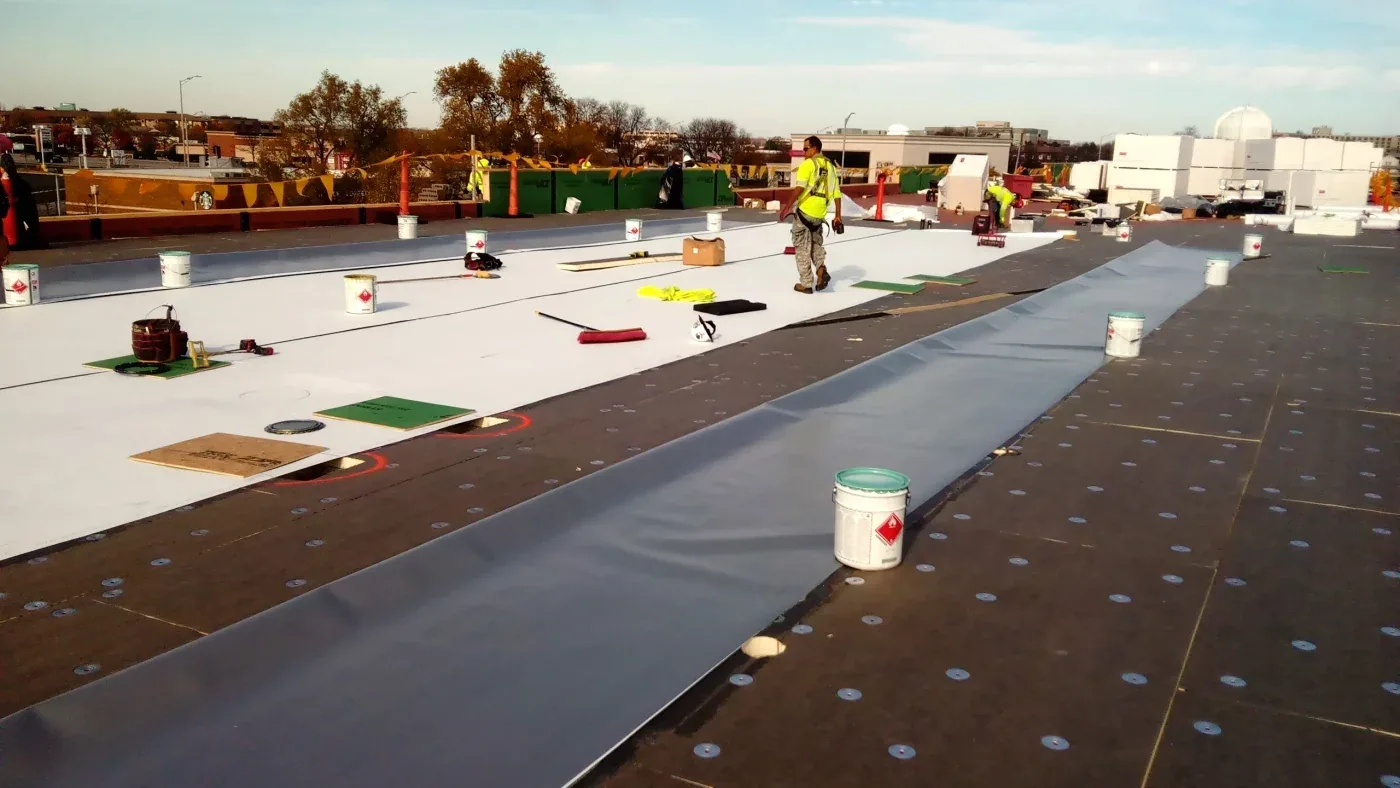
For flat roofs that hold water, a liquid-applied silicone coating over a dry, sound roof tolerates ponding better than most alternatives, though it cannot repair a failed substrate. Single-ply membranes with welded seams do well when drainage is right. Steeper metal roofs shed water fast but need regular fastener checks, since damp air can rust them from the inside. Whatever the surface, the base of the plan is a roof that drains.
Price follows three things more than square footage: how much insulation has to come out, how many penetrations need rebuilding and how hard the roof is to reach. A small building on a narrow lot may need hand carrying of material, which adds labor, and a roof that has stayed wet for years often hides more damage than the visible leak suggests. We open test cuts before quoting so that the number does not change halfway through.
A reroof permit applied for from January 1, 2026 onward follows the 2025 California codes, and the county's reroofing guidelines add a self-certification inspection policy. We handle the permit and inspection steps with you. The same drainage-first order holds in Sebastopol and Forestville. Summer and early fall are the best windows, because membranes and coatings cure and bond only on dry surfaces.
A wet-season scope should show where water exits each roof section and how an overflow route works if a primary drain slows. Check strainers, scuppers, valleys, and the low side of equipment curbs, then photograph standing water after the outlet is cleared. In a property with shops, brewing, or guest areas, coordinate access before wet-weather work is scheduled. The owner can compare a drainage correction with broader membrane work using the same mapped roof boundary.
Commercial Roofing Questions
How do we tell whether a leak is from the roof or from condensation?
Look at the pattern and the weather. A leak appears at a specific spot after rain, and tracks the heaviest storms. Condensation appears across larger areas, often in cold, damp weather with no rain, and drips from ducts, decks or fasteners. In a wet climate both happen, sometimes together. We use a thermal moisture survey to see wet insulation, and then open a small test area. Fix the source before replacing any damaged ceiling.
Does heavy annual rain make a coating a bad idea?
Not if the roof is dry underneath and the coating is the right type. Silicone handles standing water well, and acrylic is better on roofs that drain. The failure comes from coating over wet insulation or a dirty surface. We clean, test for moisture and apply during a dry spell, usually in late spring through early fall. A coating applied in the wrong season will not bond, however good the product.
What can a brewery owner do about moisture and corrosion from brewing exhaust?
Direct exhaust away from the membrane, extend flues so they discharge past the roof edge or into a protected area, and keep curbs and flashings tightly sealed. Inspect them twice a year. Steam and chemical cleaners shorten the life of sealants and metal, so replace those parts on a schedule, not when they fail. If a membrane near the exhaust has softened or blistered, repair that section first.
Should we plan around the dry season or the next big storm?
Both, and in that order. Use the dry season for major repairs, coatings and replacement, since materials need dry surfaces. Use the weeks before the first big storm for drain clearing, edge checks and sealing. Keep an emergency contact on file, because a storm that closes roads can cut off access for a day or two. A tarp is a short-term fix, not a plan.
Is it worth putting solar or a rainwater system on a small commercial roof?
It can be, but the roof comes first. Equipment on a roof near the end of its life means paying to remove and reinstall the system later. Have the roof assessed, replace or restore it if needed and install the equipment on a sound surface with proper flashing at every support. Tell us your plans in advance so we choose a surface and layout that will accommodate them.
See what your roof will say after a wet winter
Tell us the building and what you have seen so far. We will walk the roof, check the drains and say plainly whether it needs work now, can wait a season or does not need anything. Emergency crews answer every hour of every day.