Commercial Roofing in Guerneville, CA
Service Areas
Guerneville owners spend their worry on the river, and the roof gets forgotten. That is backwards. The Russian River flooded in 1964 and worst in 1986, so owners here know what water at ground level costs. Water arriving from above is cheaper to stop and far worse to ignore, because a business that has already paid for one recovery has little room for a second.
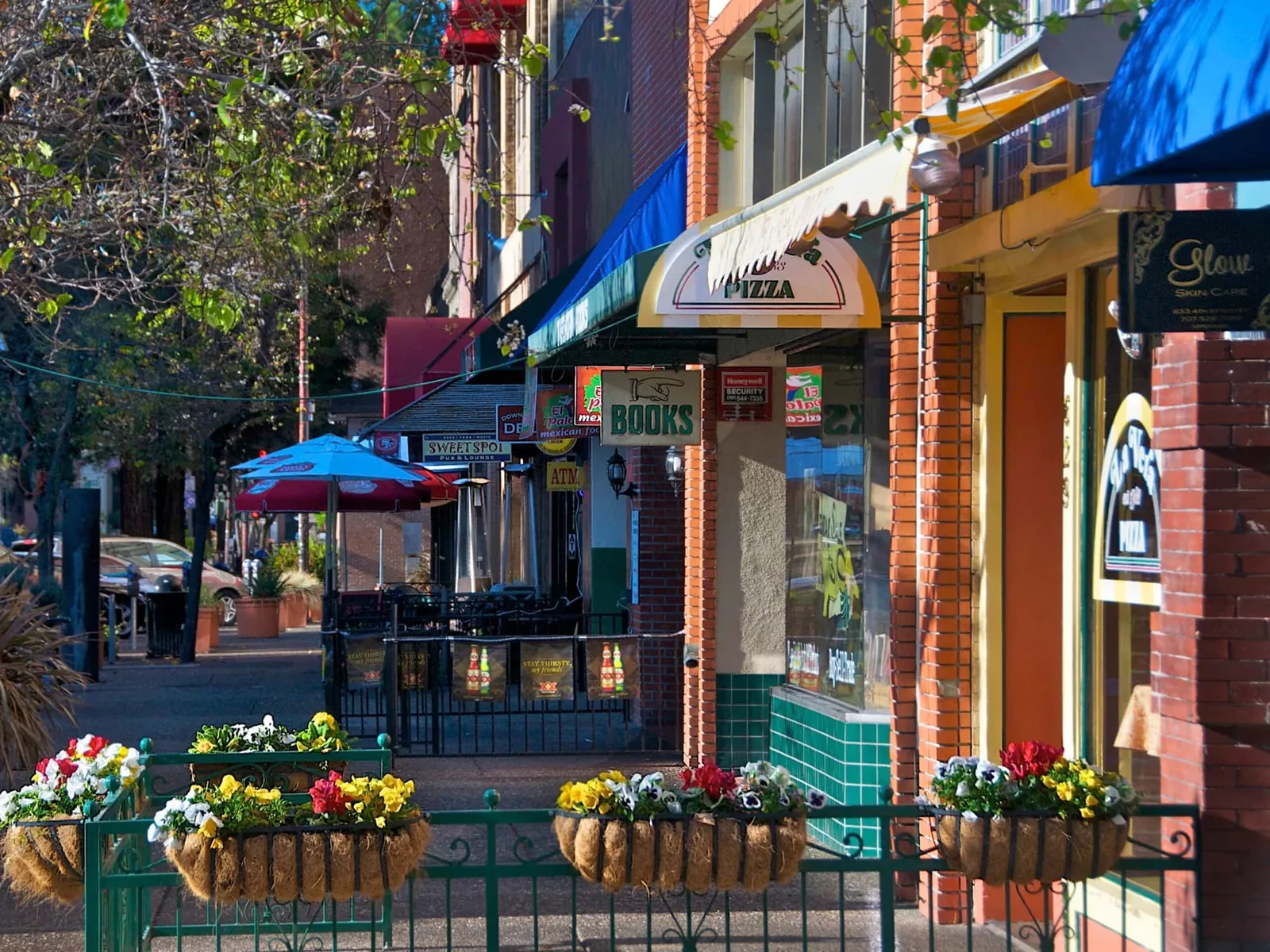
Commercial roof work in Guerneville, CA, a resort town of 4,552 residents on State Route 116, runs from repair and coating through recovers and full replacement. The work centers on lodging, retail and the buildings around the plaza, and it starts from a plain question: is this roof keeping water out today, and will it still be doing that after the next wet winter?
Serving Santa Rosa • Rohnert Park • Petaluma • Windsor • Healdsburg • Sebastopol • Napa
Lodging lives on a calendar
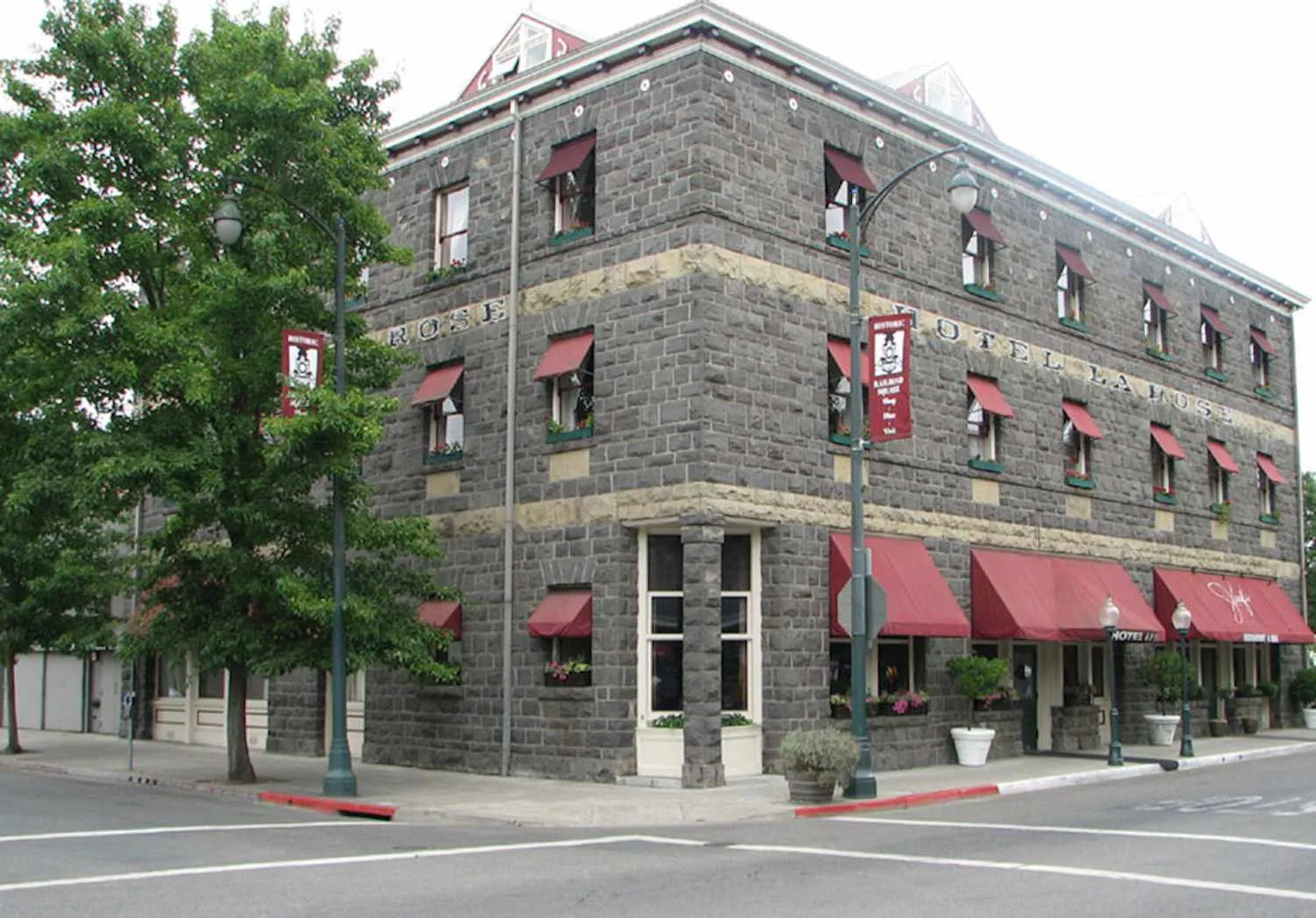
Tourism, including Pride events and redwood forest visitors near Armstrong Woods, supports the lodging and retail in town. A lodge or shop that depends on visitor seasons cannot afford a roof project that lands inside a busy stretch. We schedule the noisy work for the shoulder weeks, block off the rooms or storefronts directly below active sections and keep guest paths clear of staging.
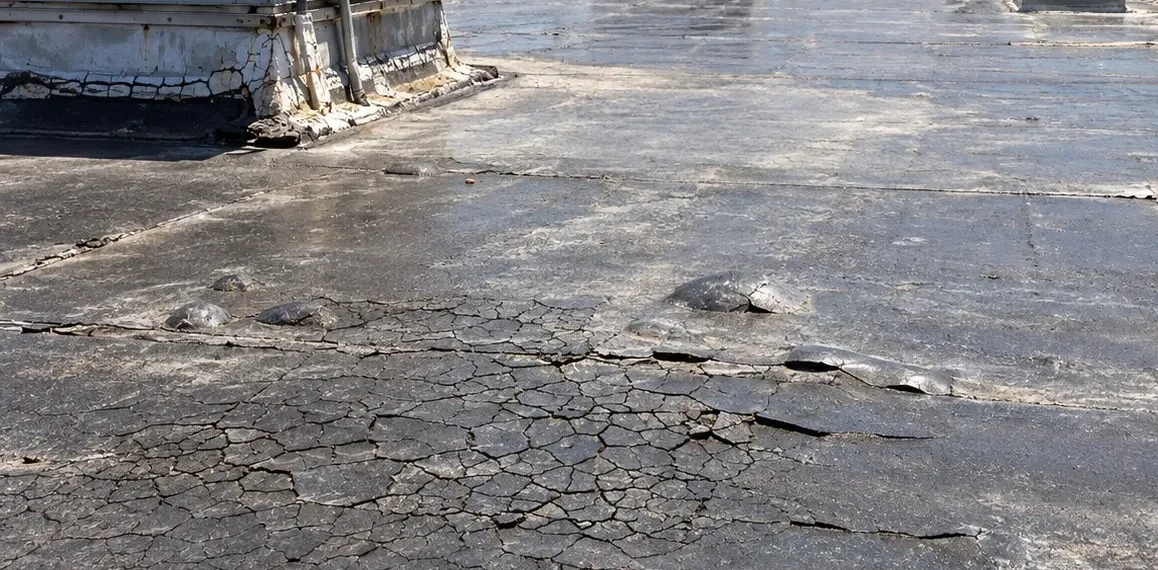
The roof on a lodging building is judged by what it does to the ceiling below, and a stain over a guest room costs a booking before it costs a repair. Retail roofs behave the same way with merchandise in place of beds. If a ceiling spot shows up, we trace it, then recommend whether it is a flashing job, a drain job or the start of a larger decision. The hospitality owner gets the answer in writing with photos.
Flood memory, roof reality
FEMA-grant housing mitigation has shortened flood recovery times for businesses and residents here, and that is real progress on the ground. It does nothing for the roof. Ground-level work protects against the river, not against rain finding a seam in a membrane that has been in sun for years. A building repaired after a flood and then soaked from above has a double loss, because wet insulation and ceilings are slow to dry and easy to miss.
Records matter when a claim is on the table. Dated photographs, a written condition report and an infrared moisture survey show what the roof looked like before a storm and what changed afterward. For wind or rain damage that falls under an insurance policy, roof insurance claim assistance starts with keeping the evidence tidy so the conversation with the adjuster stays about the roof.
How hard the rain comes
What we recommend
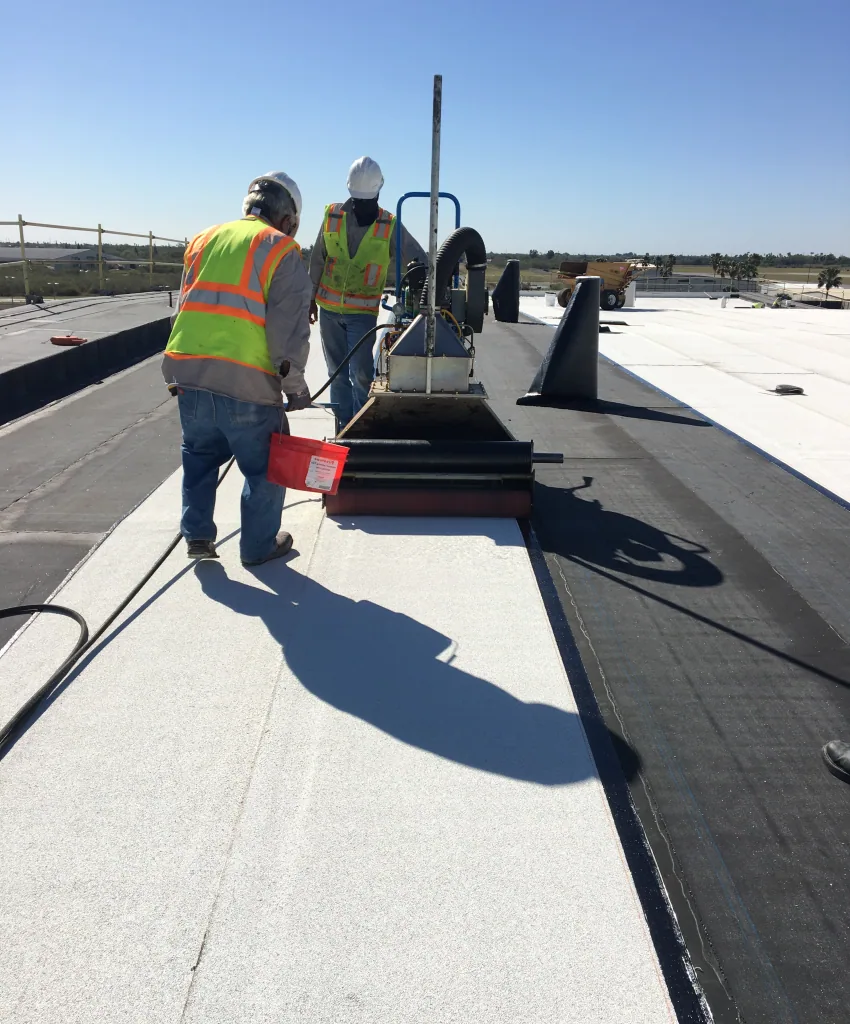
The honest sequence is cause, then condition, then system. Find where the water enters. Test the insulation and measure how much life the membrane has. Only then choose between repair, a restoration coating, a recover or replacement. A roof that is wet across its field or too worn to bond a coating needs replacement, and a permit applied for from January 1, 2026 onward brings California's 2025 Title 24 cycle, Energy Code included, into the scope.
Cost follows tear-off, insulation, the number of penetrations and how hard the roof is to reach. Access and staging can drive the price as much as materials. Timing follows the wet season, so start planning in summer for work you want done before the first rains. A maintenance program keeps the plan current from one year to the next.
Money that is not worth it
Not every roof needs a project. Some money is wasted outright:
- Sealant slathered over debris-packed flashing, which seals the leaf litter, not the leak.
- A coating over insulation that was soaked and never tested.
- Cosmetic ceiling repairs before anyone has found the source above.
- Replacing a whole roof when the actual failure is one clogged outlet.
Fix the cause first. The order of operations is the same for buildings in Forestville and Occidental.
Plan roof work independently from flood mitigation. Record which building areas are exposed to roof leaks, how water moves toward interior finishes, and where a temporary cover can be secured without creating another drainage problem. For lodging and retail, agree on room or storefront closures before noisy work begins. Keep photos and repair limits with the individual property file, so regional river history does not substitute for a roof inspection.
Commercial Roofing Questions
Does a building with flood history need a different roofing plan?
The roof plan stays the same, but the stakes are higher. A building that has already been through a flood recovery has little room for a second loss, so the plan should find a leak early and fix it once. Photograph the roof and the ceilings below, test the insulation, and keep the records. If a claim ever comes up, those dated images and reports separate old problems from new ones.
When is the best moment to roof a lodge that depends on seasonal visitors?
Plan in summer and build in the shoulder weeks, after the busy stretch and before the first long storm. Check the booking calendar first, then call us. Order the material early so the dry window is spent on work, not waiting. If a roof cannot be finished in the gap, we split it into sections that dry in daily.
How often should a roof near tall trees be cleaned?
More often than a roof in the open, and on a schedule instead of a reminder. A good rhythm is a visit before the wet season and another after the main leaf drop, with extra visits after wind. We clear the drains and valleys, check the flashing for lifted edges, and photograph the result so the next visit has something to compare.
Will a leak above a guest room or a shop show up where the stain is?
Rarely. Water follows the deck, the insulation and the framing before it drops, so the stain can sit several feet from the opening. Mark the outline, watch it through the next storm, then trace uphill along the roof toward the nearest seam, curb or drain. An infrared survey finds the wet path faster than guessing.
Is it worth paying for a written roof report before a storm season?
For a lodging or retail owner, yes. A report with photos tells you which areas can wait, which need work before the rains and which a cheap repair would only hide. It also gives your insurer, lender or buyer a dated record. Skip the report only if the roof is brand new and you have the installation paperwork on file.

Get the roof answer
Call and tell us the building and what the roof has been doing. After we walk it, you will hear plainly whether it needs work now, later, or not at all.