Self-Storage Roofing in Santa Rosa, CA
Property Types We Roof
A leaking roof at a self-storage facility does not cost you a roof repair. It costs you a tenant's wet couch, a claim letter and a unit you cannot rent until it dries out. That is why the roof is the most expensive part of a storage property to ignore, even though it is the part nobody sees.
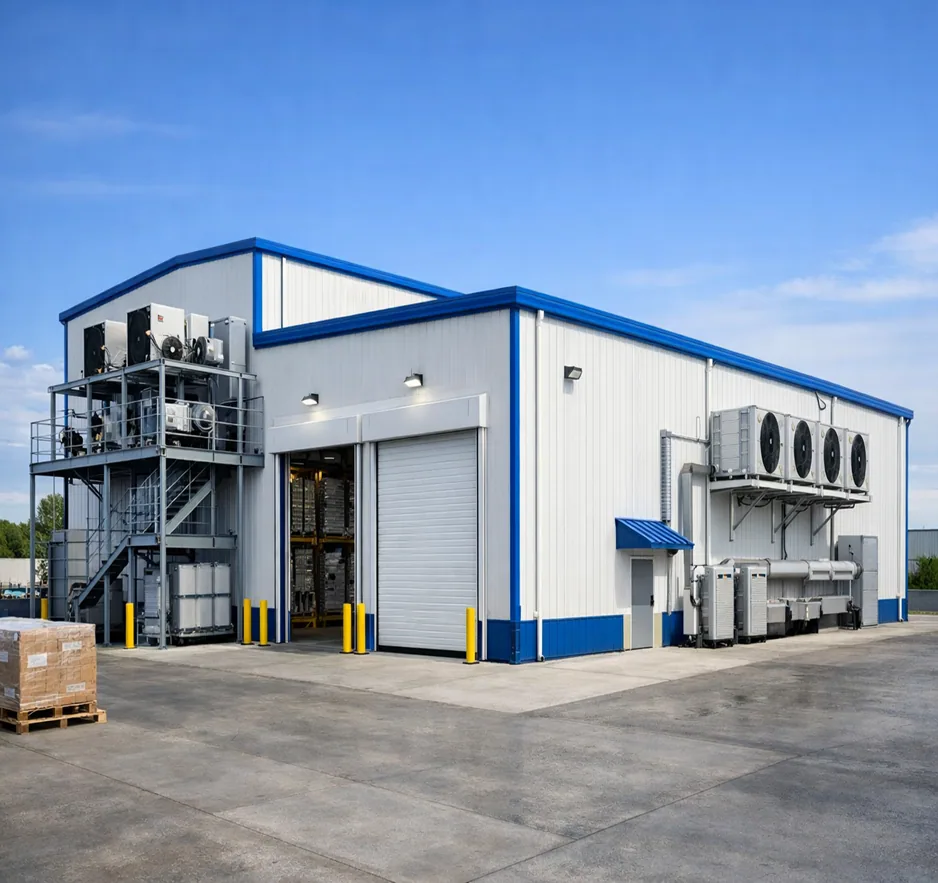
Self-storage buildings are mostly simple: long single-story rows with a low pitch, roll-up doors on one face and a gutter on the other, plus the occasional multi-story climate-controlled block. On a drive-up row in Santa Rosa, CA there is no HVAC and almost nothing for a roof to hold up, so owners assume the roof takes care of itself. The opposite is true. With so little going on up there, a small failure runs for seasons before anyone notices, and one loose line of screws can shed rain into a dozen units.
Serving Santa Rosa • Rohnert Park • Petaluma • Windsor • Healdsburg • Sebastopol • Napa
Long rows, shallow pitch, a lot of screws
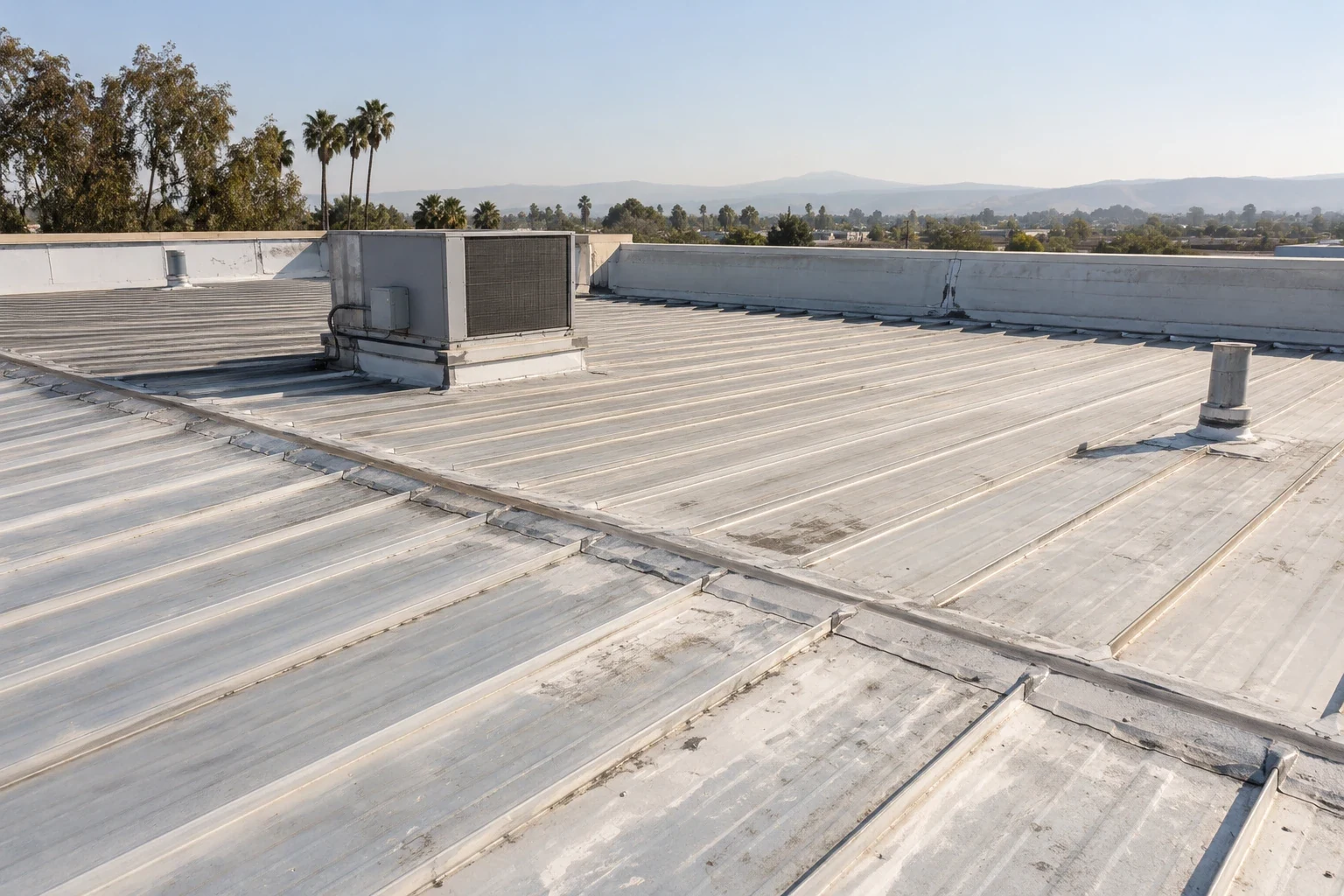
Most drive-up storage roofs are metal panels fastened through the face with screws and rubber washers. Those exposed fasteners are the weak point. The washers harden in sun, the screws loosen as panels expand and contract with temperature, and every loose one is a pinhole in the roof. A single row carries plenty of them, which is why a leak can show up in a different unit every storm.
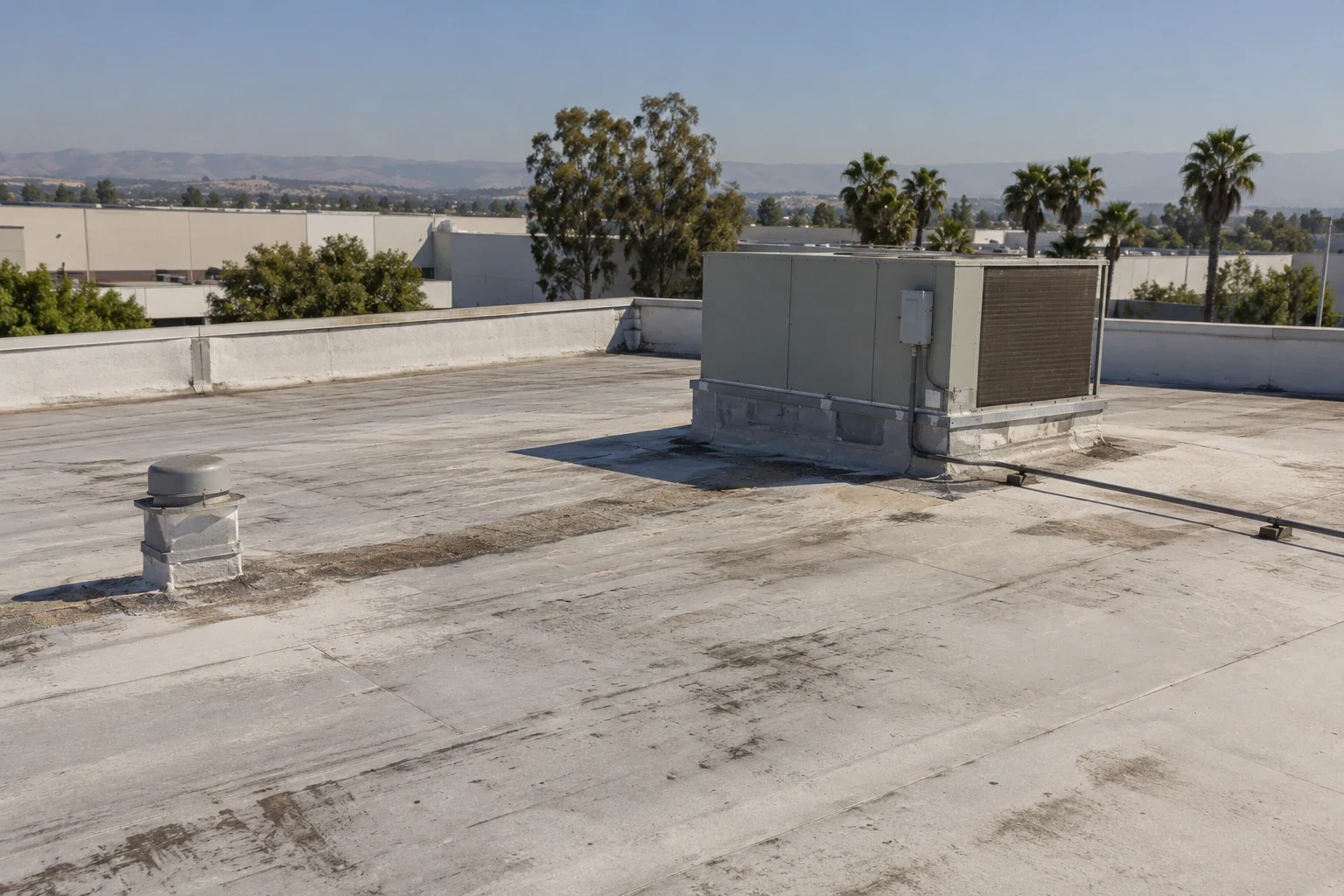
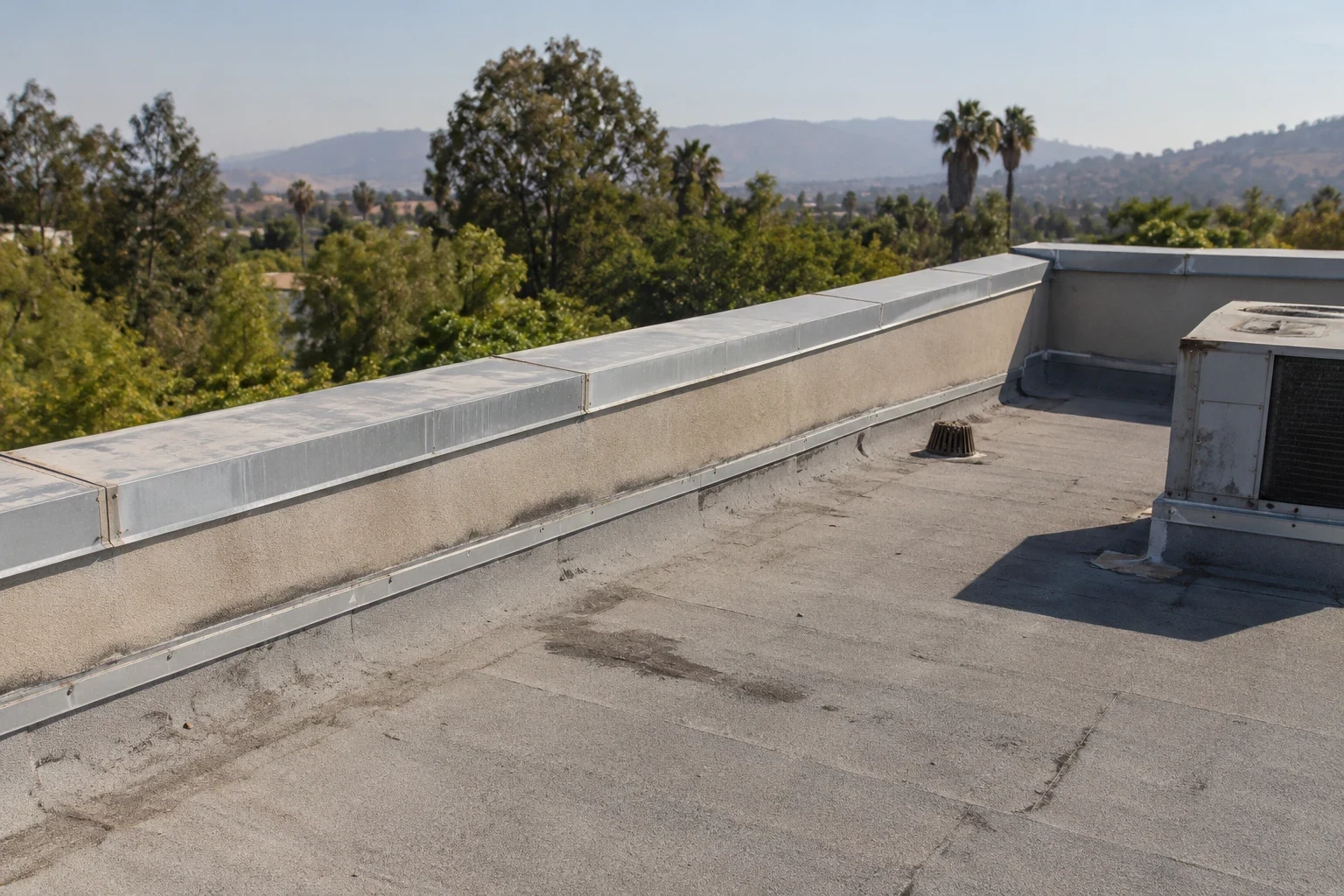
The multi-story and climate-controlled blocks are a different animal. They carry low-slope membrane roofs, rooftop equipment and drains to keep clear. Their repairs look a lot like the ones on a warehouse roof, with the difference that a tenant's goods are in the next room instead of a pallet of inventory.
Owners of several properties should look at the whole portfolio at once. A shared inspection route and consistent repair standard, the way a multi-site roof program works, catch the building whose fasteners are going before it becomes a claim.
Fasteners back out before panels fail
The real problem on a storage row is rarely the metal. Panels last a long time. It is the hardware: backed-out screws, cracked washers, rusted cut edges and laps that opened as the building flexed. Add a gutter on the low edge that is stuffed with leaves and ash, and water runs behind it into the wall plate instead of away.
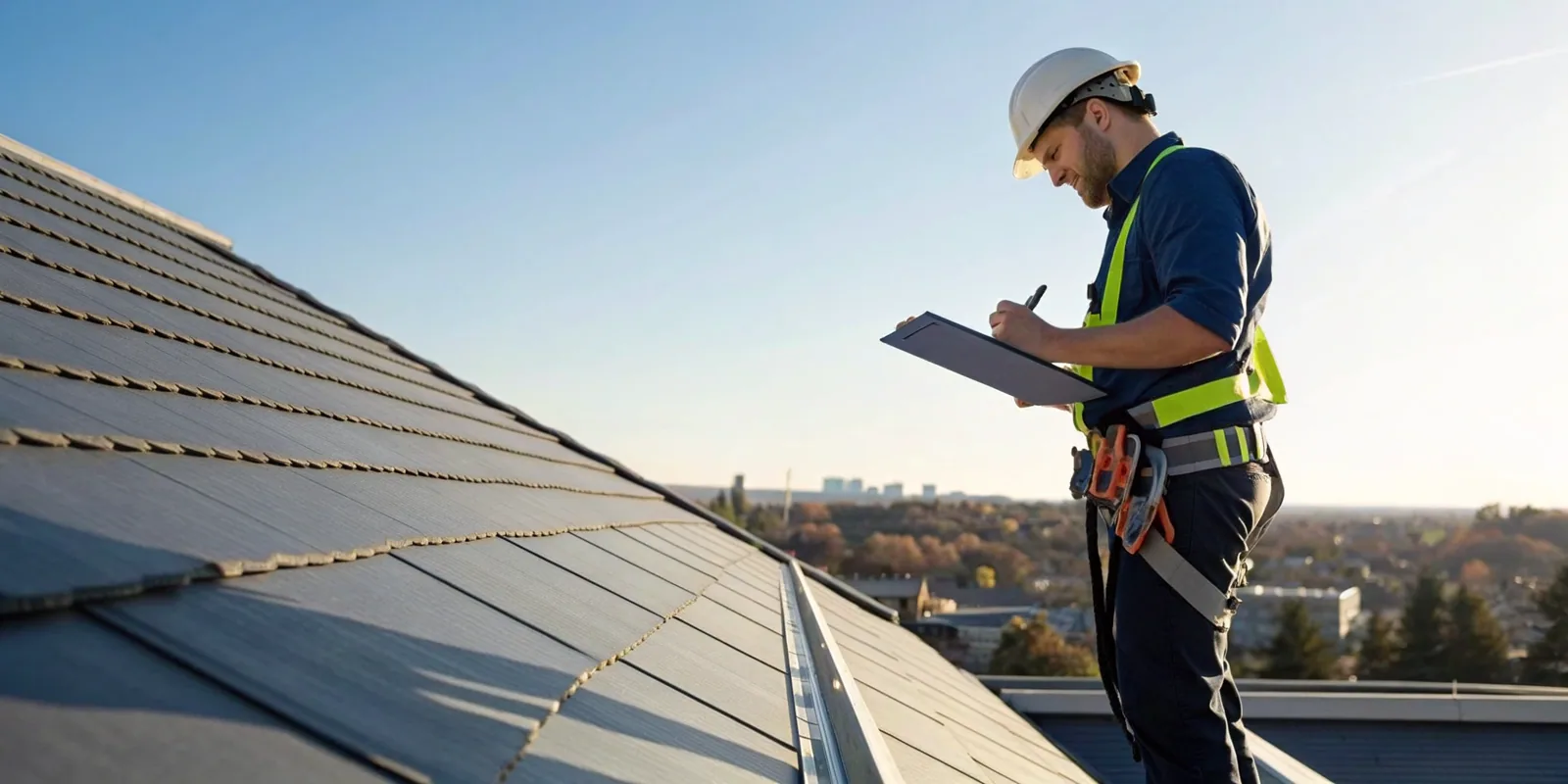
We walk the rows and check fasteners by touch, because a screw that spins free is a leak that has not happened yet. Where the panels are sound, a metal roof retrofit with new fasteners, sealed laps and corrected flashings gives the row years of service. Where rust has eaten the panel edges, we replace panels in sections. Clean, correctly sloped gutters and edge metal finish the job, since overflow at the eave is a common cause of staining inside the end units.
Verdict: fix the hardware and the gutter before anyone proposes a new roof.
Fog, heat and drifting ash
One building at a time, one row at a time
Storage facilities stay open and rented throughout, so roof work has to fit around tenants. We work building by building, starting with the rows that leak most often, and we keep trucks and staging away from the drive aisles customers use. With no finished ceiling below, work moves faster than on an office or retail roof, and a row can often be finished without anyone entering a unit. Units directly under active work can be vacant or locked off for the day, and that call belongs to the manager, who knows which tenants come by.
A twice-yearly visit through preventive roof maintenance keeps the screw-by-screw checks current and clears gutters before the first big rain. Owners who hold storage as part of a larger portfolio, including real estate investors with a pipeline of acquisitions, often use a survey to price roof reserves into the deal.
Do not replace what tenants never see
Not every metal roof on a storage property needs replacing. A row with sound panels and tired fasteners does not need a tear-off, and a new roof cannot be justified by age alone. Coating over rusted-through panels is not worth it, because it hides the problem and fails early. Put the money where water enters: the fasteners, the laps, the gutters and the penetrations. Save replacement for rows where the panels themselves have failed. Anyone buying storage in Roseland, where the specific plan projects about 129,000 square feet of industrial space, or in Rohnert Park should have the roof walked before the deal is priced, because fastener condition is invisible from the ground.
Flex industrial roofs carry more equipment, but exposed fasteners still need regular checks.
Commercial Roofing Questions
Is that drip inside a unit a roof leak or condensation?
Check the timing. A leak follows rain and shows up after the roof has been wet. Condensation shows up on foggy or humid mornings even when the roof is dry, with droplets across a whole stretch of the underside rather than at one spot. We confirm with a moisture meter and by tracing fasteners and laps, because sealing a roof that is only sweating wastes money.
Can the roof be fixed one building at a time without disrupting tenants?
Building by building is the normal way to do it. We close in each row before the crew leaves, keep trucks out of the customer drive aisles and ask you which units can be locked off for the day. Tenants rarely notice, because the work stays on the roof, and the office can post a simple schedule near the gate.
Who pays when a leak ruins a tenant's belongings?
Your rental agreement and your insurance policy answer that, not the roofer. What we can do is document the cause, the date and the repair with photographs, which helps with any claim and with the conversation with the tenant. A prompt, documented fix also shows you acted once you knew, which is the position you want to be in.
Is a coating worth it on an older metal roof with rusty fasteners?
Worth it when the panels are structurally sound. We replace or reseat fasteners, treat rust, seal the laps and then coat for reflectivity and weather resistance, which can add years at a lower cost than new metal. It is not worth it over panels with holes or deep corrosion, because coatings cannot carry load and will fail around the damage.
What do you inspect on a facility with a dozen similar buildings?
We sample every building but spend the most time on the low corners, the gutter ends and the rows with the most past complaints. Similar buildings age differently depending on which way they face and how well the downspouts drain. A short report ranks them from worst to best so the first repair dollars go where water is actually getting in.
Find out which rows need work
Call Commercial Roofing Santa Rosa. We will walk your storage buildings and give you a plain answer on which roofs need repair now, which can wait and which need nothing at all.