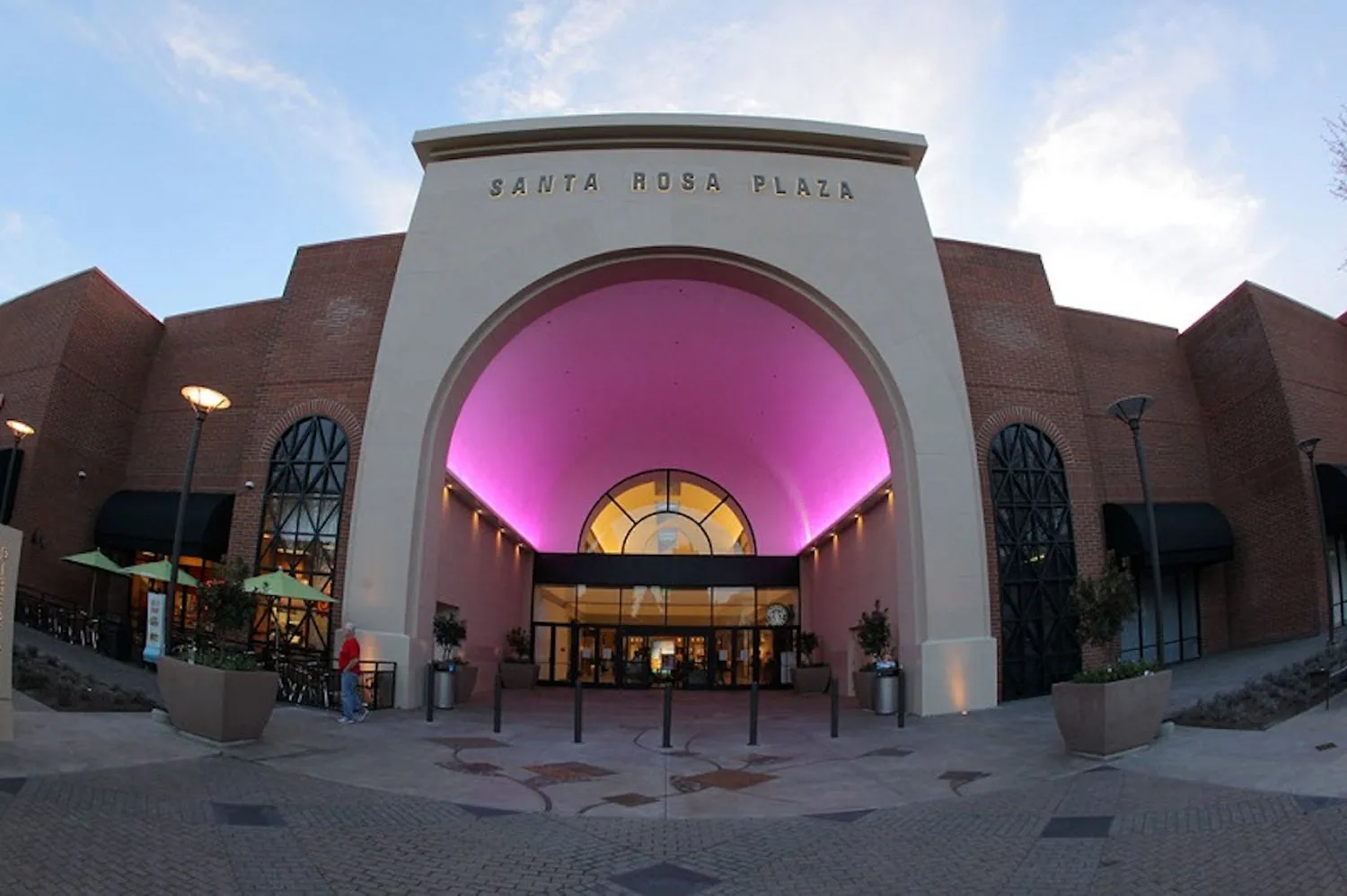
Aircraft Hangar Roofing in Santa Rosa, CA
Property Types We Roof
The roof over an airplane is a fire-protection problem before it is a weather problem. A hangar holds fuel, solvents, batteries and expensive aircraft under a single span, with suppression systems built into the ceiling, so the first question for any roofing method is whether it adds a spark, a flame or a fume. That rules out half the standard options before anyone talks about price.
Santa Rosa, CA has a working airfield and a history with it. The Charles M. Schulz-Sonoma County Airport covers 1,125 acres about 7 miles northwest of downtown, and it began as Santa Rosa Army Air Field in 1942. A World War II Butler Building hangar from that era still stands and houses the Pacific Coast Air Museum, and the Sonoma Air Attack Base has operated from the airport's northeast corner since 1964 to support wildfire response. Aviation buildings here are not an abstraction. We plan roof work around the aircraft, the airfield rules and the fire exposure all at once.
Serving Santa Rosa • Rohnert Park • Petaluma • Windsor • Healdsburg • Sebastopol • Napa
Wide spans, big doors and almost no cover
A hangar is a steel frame holding up a very long roof with no interior columns. The panels or membrane sit on purlins that span wide distances, and the building around them is mostly one enormous door. That leaves the roof with few places to hide a defect. A fastener line that backs out, a lap that opens or a gutter that overflows is visible from the ramp but out of reach from the floor.
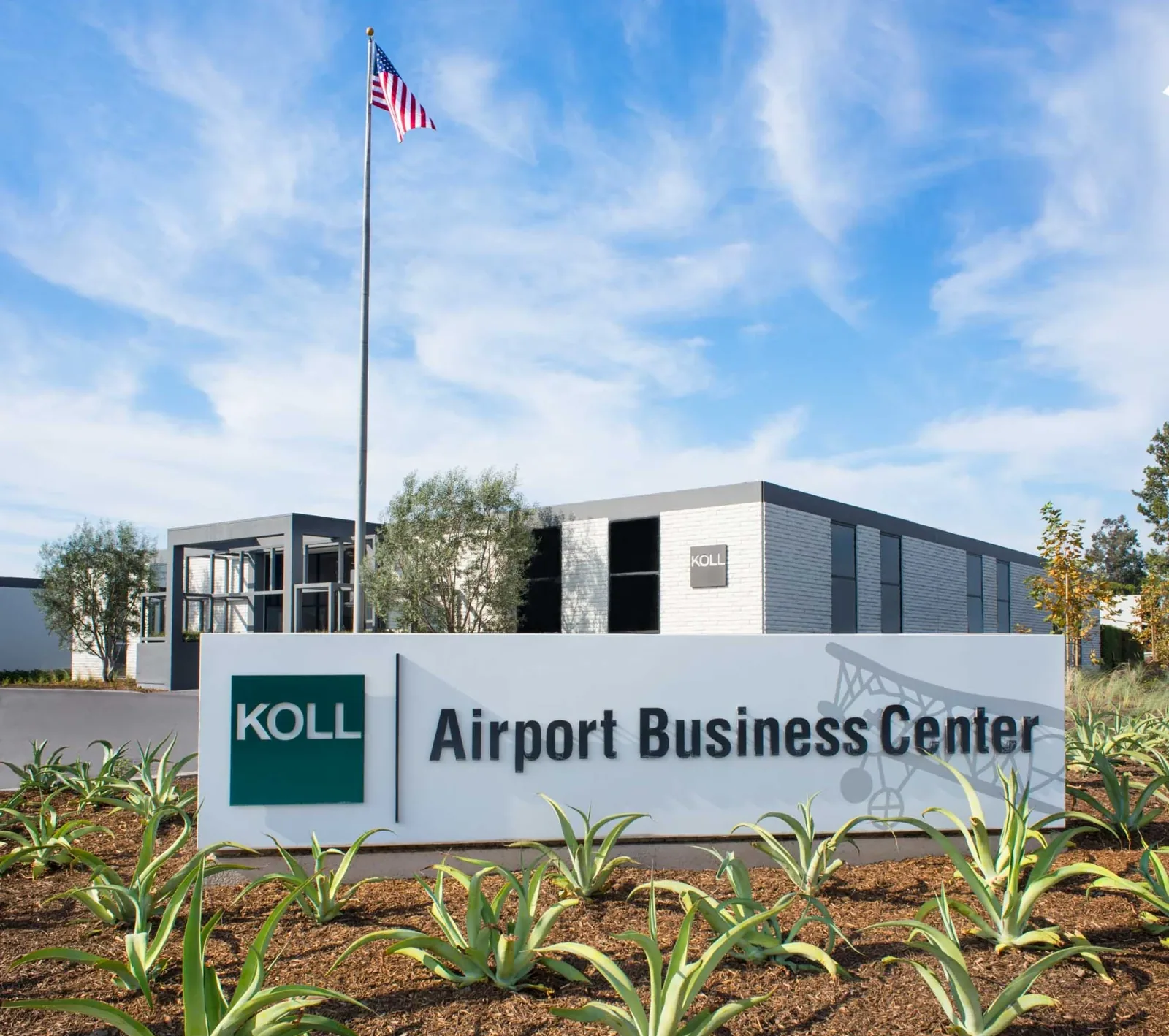
Most hangars also have attached shops, offices and storage rooms with their own flat roofs. Those attached roofs are where rooftop units, vents and drains concentrate, and they need the same care as any flex industrial roof, such as the office, flex and light industrial buildings of the Airport Business Center beside the airport.
Frames last. The World War II Butler Building hangar that still stands at the airport is a reminder that a steel structure usually outlives its roof skin by a wide margin. Verdict: treat the roof as the replaceable part and budget for it like one.
The door header leaks first
The real problem on a hangar is almost never the middle of the roof. It is the door header, where roof panels meet the track, the seals and the wall above a moving opening. Wind-driven rain gets behind that detail, runs along the header and drips on whatever sits beneath, whether that is a wing or a toolbox. Sealant at the door head is a maintenance item, not a repair, and it should be on a calendar.
Condensation is the other troublemaker. Pacific fog and low overcast often move in at dawn and dusk, and an uninsulated metal roof turns that moisture into drips directly over aircraft. We separate condensation from real leaks with a moisture meter and a look at the underside of the panels, because the fixes differ: sealing for water entry, insulation or ventilation for sweating.
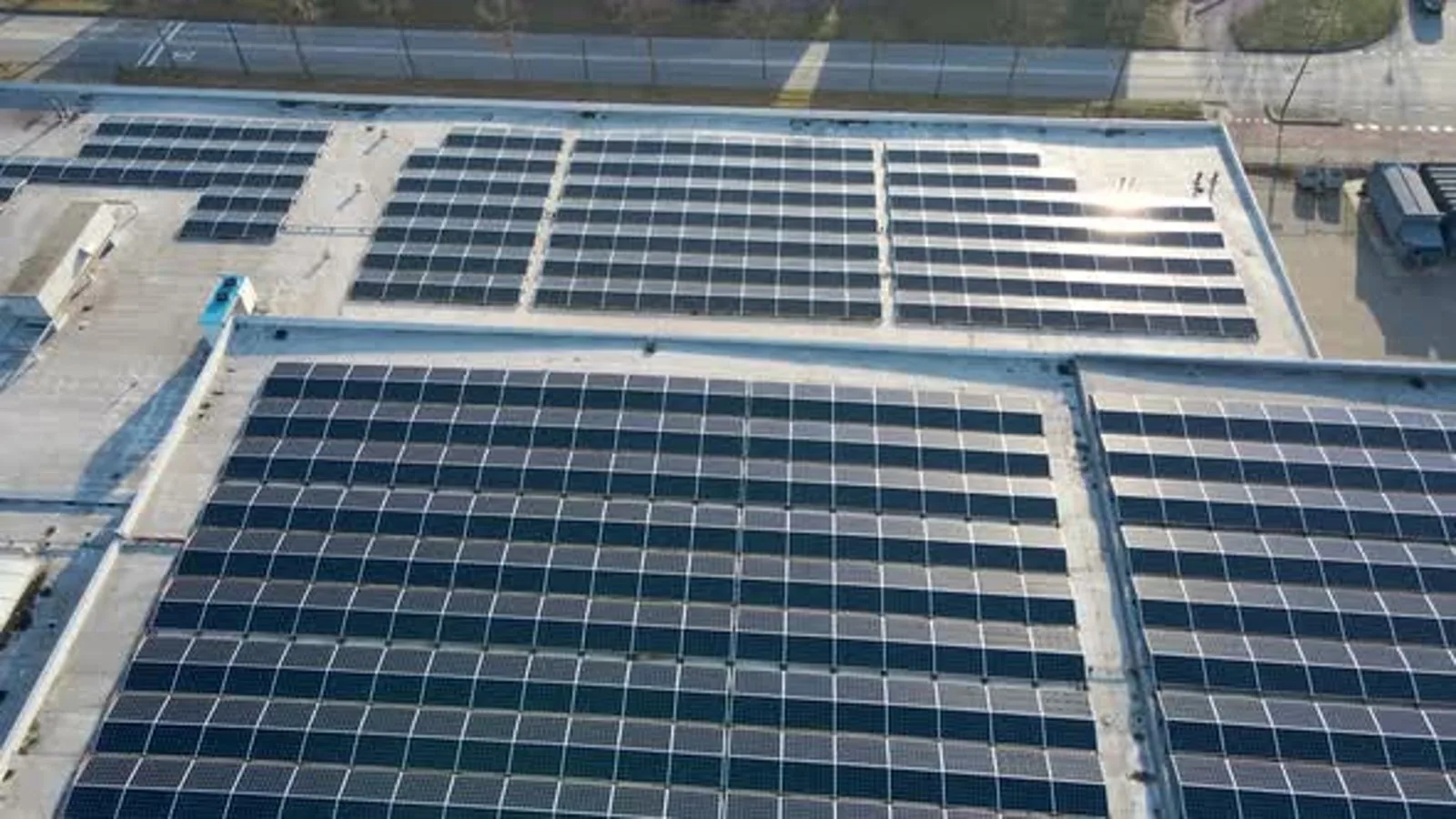
For a span this large, a drone roof inspection shows fastener lines, laps and ponding without putting anyone on a fragile panel, and it leaves a photographic record that helps the next time.
Cold work, clear ramps, clean sweeps
Smoke season on the flight line
An air attack base operates from the same airport, which says plenty about what fire season means here. During the 2017 siege, Diablo winds gusted up to 70 mph, and the 2019 Kincade Fire near Geyserville ran across 77,758 acres. Ash and burnt debris settle across ramps and roofs for days afterward, then wash into gutters when the first rain comes. A hangar with undersized gutters will overflow onto the ramp and into door tracks, so a post-fire cleaning and gutter check belongs on the calendar.
Heat and rain stress long spans too. A metal roof with long runs of laps and fasteners moves with the temperature, and the 115 degree record of September 2022 tested every one of them. In November 2024 nearly 15 inches of rain fell in about three days. Properly sized gutters and edge metal carry that water off the span before it finds the door header.
Do not coat over the leak you have not found
Not every hangar roof needs replacing. If the panels are sound and the problem is a door header or a line of fasteners, repair that, and consider a silicone roof coating only after the metal is secure and rust is treated. Coating over an active leak traps water, and replacing a whole span to fix one header is not worth it. Spend on the details that move water, and let the frame keep doing its job.
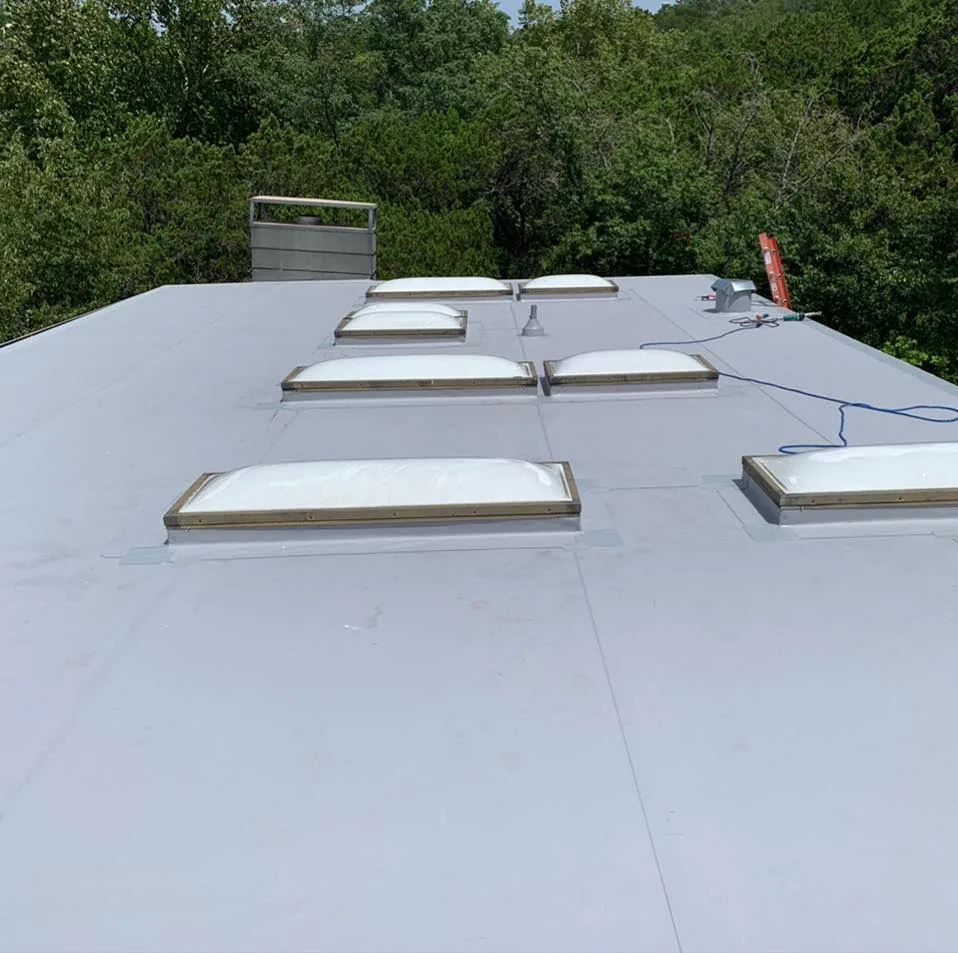
Warehouse roofs have a different clear-span profile, yet both require inspection around access and rooftop equipment.
Commercial Roofing Questions
Can you reroof a hangar while aircraft are inside?
Sometimes, but plan to move the aircraft under the work or protect them fully. We prefer to work in sections, stage tarps and catch frames, and keep fasteners, dust and debris out of the building. Fuel, solvents and suppression systems add rules of their own, so the airport operator and your insurance carrier should see the plan before the first panel comes off.
What stops roofing debris from reaching the ramp and taxiways?
Control starts with the crew's habits and the weather. We sweep as we go, bag or bin offcuts, tie down material in wind and pause work when gusts would carry anything off the roof. A magnet sweep and a visual check of the ramp at the end of each shift catch what the broom missed. Engines and tires do not forgive loose hardware.
Do we need approval to bring a crane next to a hangar at an active airport?
Ask the airport operator first. Tall equipment near an airfield can trigger federal height-notice rules, and access to the airside usually involves escorts or badging. We build those lead times into the schedule and keep cranes and lifts clear of taxilanes, so the first request does not hold up the project.
Our hangar drips onto the aircraft in the morning. Will a new roof fix it?
Not by itself. Morning drips on a dry day are usually condensation from fog or warm humid air meeting cold metal, not a leak. A new roof with insulation and a vapor-conscious design can help, but so can ventilation and a sprayed underlayer. We test before recommending anything, because a replacement that ignores condensation leaves you with the same drips.
Is a coating worth it on an old metal hangar roof?
Only when the panels are sound. A coating over tight fasteners and treated rust can slow wear and cut heat, which is useful on a big span in a hot summer. Over open laps, backed-out screws or active leaks, it just seals water inside. We fix the fastener lines and door header first, then decide whether a coating adds anything.
Get an honest look at the roof over your aircraft
Call Commercial Roofing Santa Rosa. We will inspect the span, the door header and the attached roofs, then tell you plainly whether the work is needed now, later or not at all.