Duro-Last Roofing in Santa Rosa, CA
Roofing Manufacturers
Duro-Last sheets are cut and welded in a factory to measurements taken off your roof, which sounds like a gimmick until you count how few seams are left to make in the field. That is the whole idea. Most of the work happens indoors, under controlled conditions, and what arrives on the truck is a set of panels already shaped to your building.
It is a good idea for the right roof and a poor one for the wrong roof. In Santa Rosa, CA, where the rain arrives in a hurry and a roof sits open for as short a time as possible, the right roofs are more common than you might think. The line between the two comes down to how many pipes, curbs and odd shapes a roof has.
Serving Santa Rosa • Rohnert Park • Petaluma • Windsor • Healdsburg • Sebastopol • Napa
Measured, built and shipped
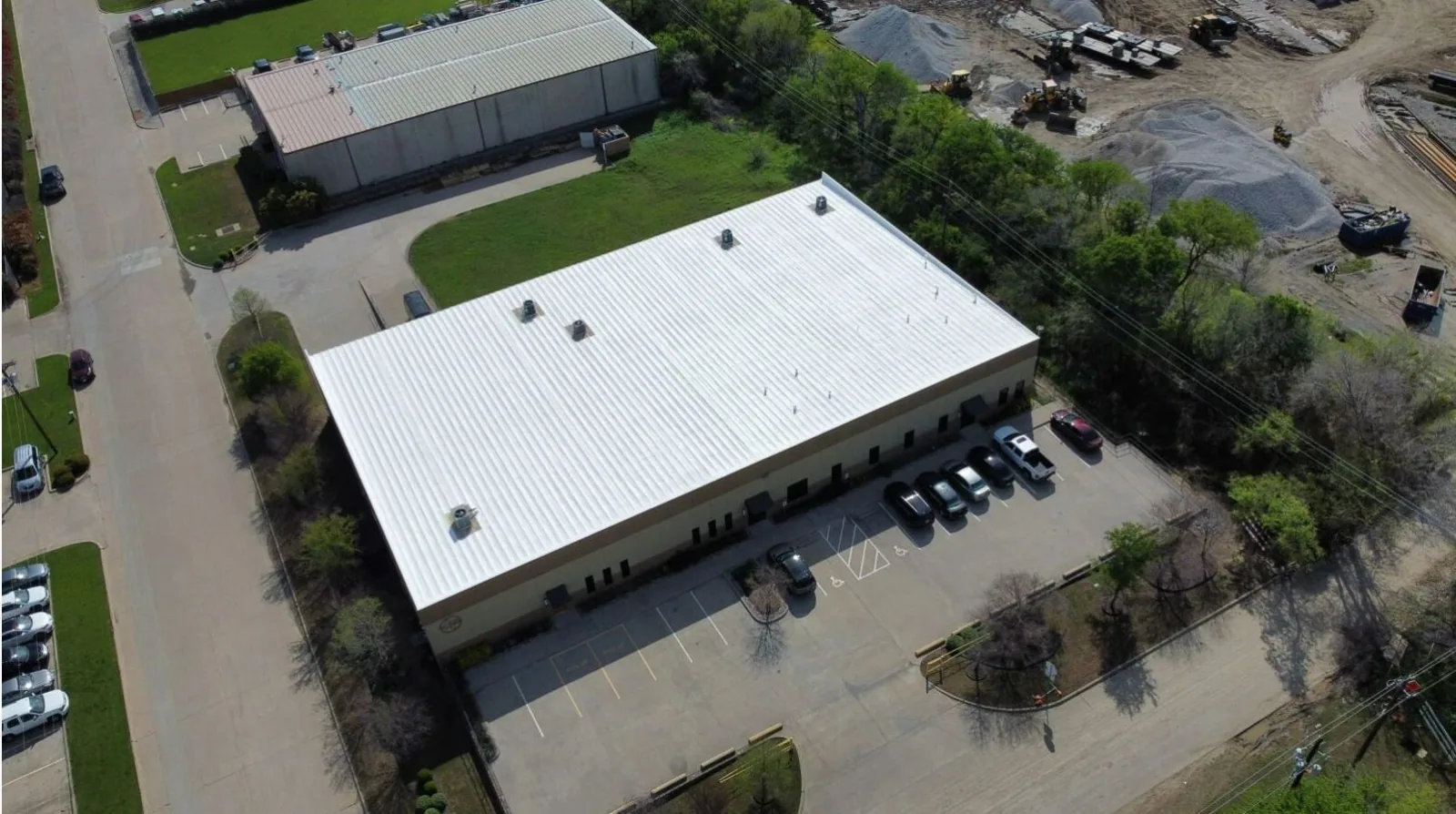
The process starts with a detailed measurement of the roof: field dimensions, penetrations, curbs, drains and parapet heights. Panels of reinforced PVC are then fabricated to those dimensions, along with prefabricated flashings for pipes, corners and curbs that arrive ready to fit. On the roof, the crew attaches the panels and welds the field seams with hot air.
Fewer hand-made details means fewer places for a mistake. The tradeoff is that the measurement has to be right. A panel that is cut an inch short at a parapet cannot be stretched on the roof. That is why the measurement is the part we slow down for.
It is PVC, so it shares the grease and chemical resistance of PVC roofing generally, and its failure patterns look familiar.
Small roofs with a lot of pipes
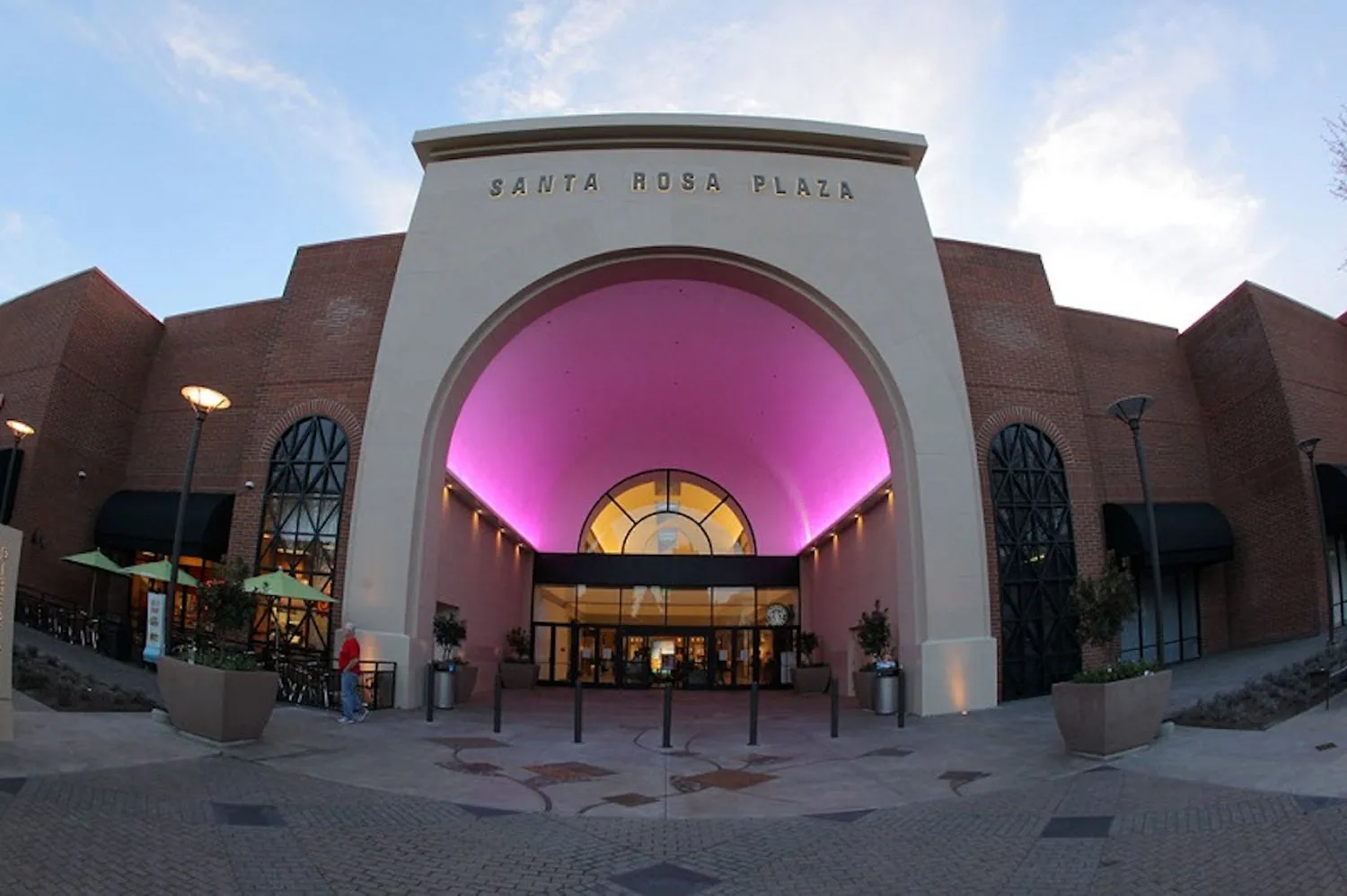
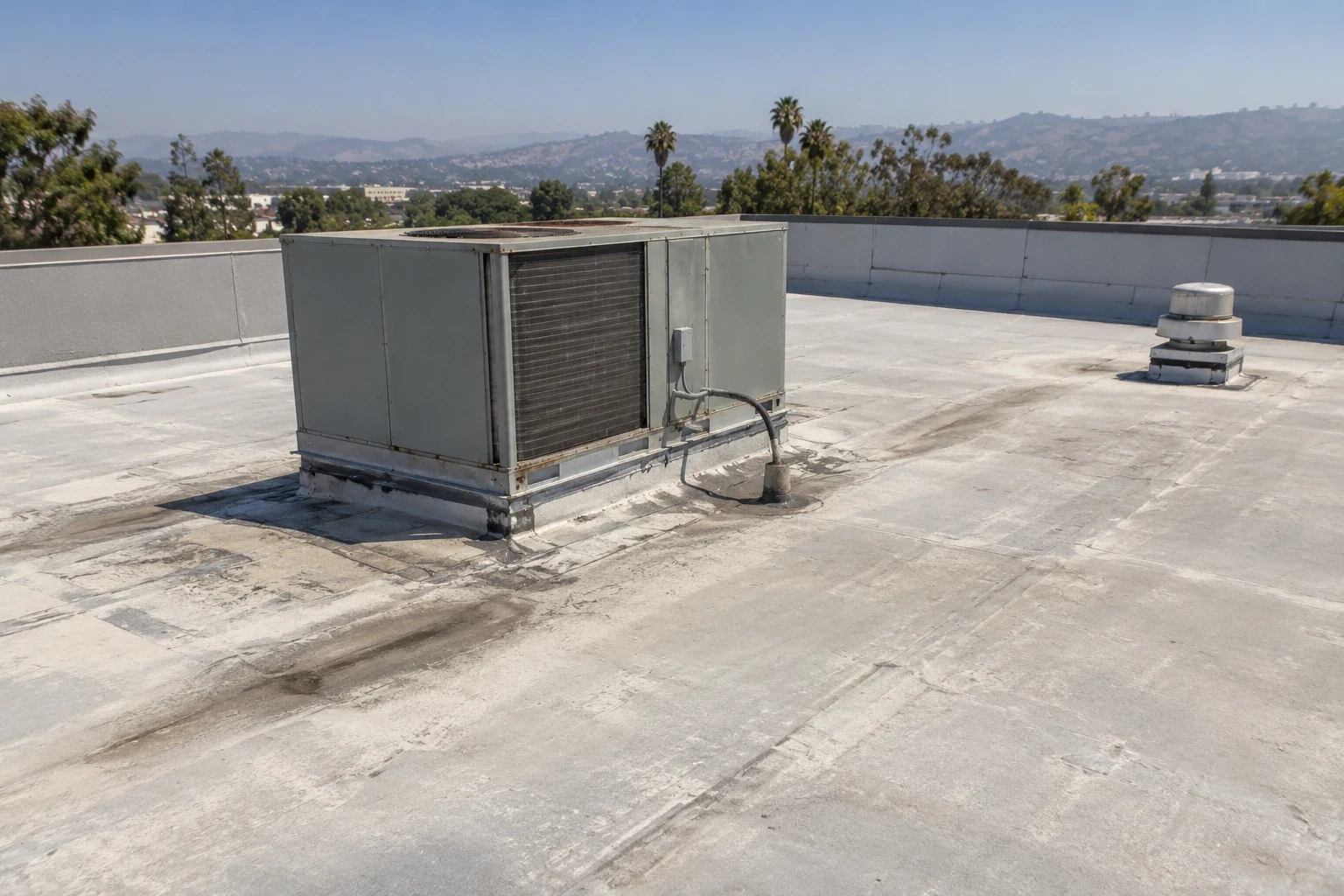
Think of the restaurant roof: small, crowded with exhaust fans, vent stacks and gas lines, and sitting under a kitchen that puts grease into the air. Restaurant roofs are where prefabricated boots and wraps save hours and remove joints. A restaurant in an open-air center such as Santa Rosa Avenue Corridor, which has more than 60 shops, services and restaurants, brings the same pipe-heavy roof question.
The same logic holds along the 101 corridor, where the Tubbs Fire of October 2017 destroyed a Kmart, a Hilton hotel and many restaurants. A restaurant rebuilt on that stretch gets a new roof with a short, known list of penetrations, which suits a measured, factory-made sheet.
Verdict: the more pipes and curbs a small roof has, the more a prefabricated system helps.
The measurement is the risk
A short window beats a wet week
Across November 21 to 23, 2024, the city took close to 15 inches of rain. A conventional tear-off with a new sheet laid in sections is exposed the whole time. A prefabricated roof can sometimes be installed faster because the panels are ready, which narrows the window in which a rainstorm can get into an open building.
Heat is the other side. Cloverdale, the northernmost city in the county, can see summer temperatures above 100 degrees, and Santa Rosa reached 115 on September 6, 2022. White PVC reflects a good share of that load, but we still plan installs for the cooler part of the day and avoid welding on a scorching deck.
Measure twice, then order
We begin with a hands-on inspection and a full measurement, then confirm every curb, pipe and drain with the owner or manager before anything is ordered. If tenants might add equipment, we ask about it now, not later.
For an existing roof, we check whether a recover is possible over dry insulation. For a failing prefabricated roof, targeted seam repair is often enough, using compatible PVC and hot-air welding. If you are comparing alternatives, Sika Sarnafil belongs in the conversation.
Skip it on complicated roofs
A big roof with irregular shapes, multiple levels and many unknown penetrations is not a candidate for prefabrication. The measurement risk grows, and a field-fabricated membrane would serve better. Do not pay for custom panels on a roof that will be demolished in a few years either. And do not choose any PVC for its looks while ignoring the drain that sits in the wrong place.
The last place to hold back is the warranty upgrade nobody reads. Pay attention to what the paperwork requires of the owner, such as drain cleaning and reporting rooftop changes, because a document you cannot follow protects nothing.
GAF roofing systems cover different product families, so the existing membrane label still decides what will bond.
Prefabricated layouts depend on accurate field dimensions and obstruction locations. Confirm curbs, drains, penetrations, parapets, and changes in roof elevation before the material is measured. Reconcile the drawing with a roof walk and note any equipment planned after installation. At closeout, preserve the approved layout and identify field changes that affect seams or flashing. If a roof contains many irregular transitions, compare the labor and repair access with a conventional field-fabricated system before deciding that fewer seams alone settle the choice.
Commercial Roofing Questions
Why would a restaurant choose a prefabricated roof?
Restaurants have grease, exhaust and many penetrations in a small area. Prefabricated boots and wraps replace hand-made flashings with factory-welded ones, and PVC resists the fats that damage other membranes. The roof also gets installed quickly, which keeps the kitchen running.
What happens if a tenant adds a rooftop unit after the panels are ordered?
The panel will not have an opening for it, and it will need a field-made detail or a re-order. This is why we confirm the equipment list with the owner before we measure and again before we place the order. Telling us about planned changes saves weeks.
Can a Duro-Last roof be repaired by a different contractor?
Repair is possible, but only with compatible PVC material and hot-air welding done correctly. The wrong sealant or a patch applied to a dirty surface will fail. If a warranty is in force, we read it first, since the terms may specify who should do the work.
I am in Cloverdale and summers pass 100 degrees. Does a white PVC roof still make sense?
Yes, it is a good fit, because white sheet reflects a large share of the sun's heat. The seams and flashings take the stress, so welds must be clean and tight. Roof inspections after a hot spell are worth the visit.
How long does a prefabricated install take compared with a conventional one?
The on-roof time is often shorter, since panels are made ahead and flashings are ready to fit. The lead time before the crew arrives is longer, because measuring and fabrication come first. For a small restaurant roof, that tradeoff usually favors the factory-built approach.
Let us measure the roof.
Call Commercial Roofing Santa Rosa. We will check the roof, count every pipe and curb and tell you whether it needs work now, later or not at all.