Soprema Roofing in Santa Rosa, CA
Roofing Manufacturers
On an old masonry building, the membrane is the easy part. The parapet is where the roof is won or lost, which is why Soprema gets as much attention for its flashing resins as for its roofing sheets. Soprema is best known for modified bitumen, and it also makes liquid-applied products for the corners, curbs and wall tie-ins that no sheet can wrap cleanly.
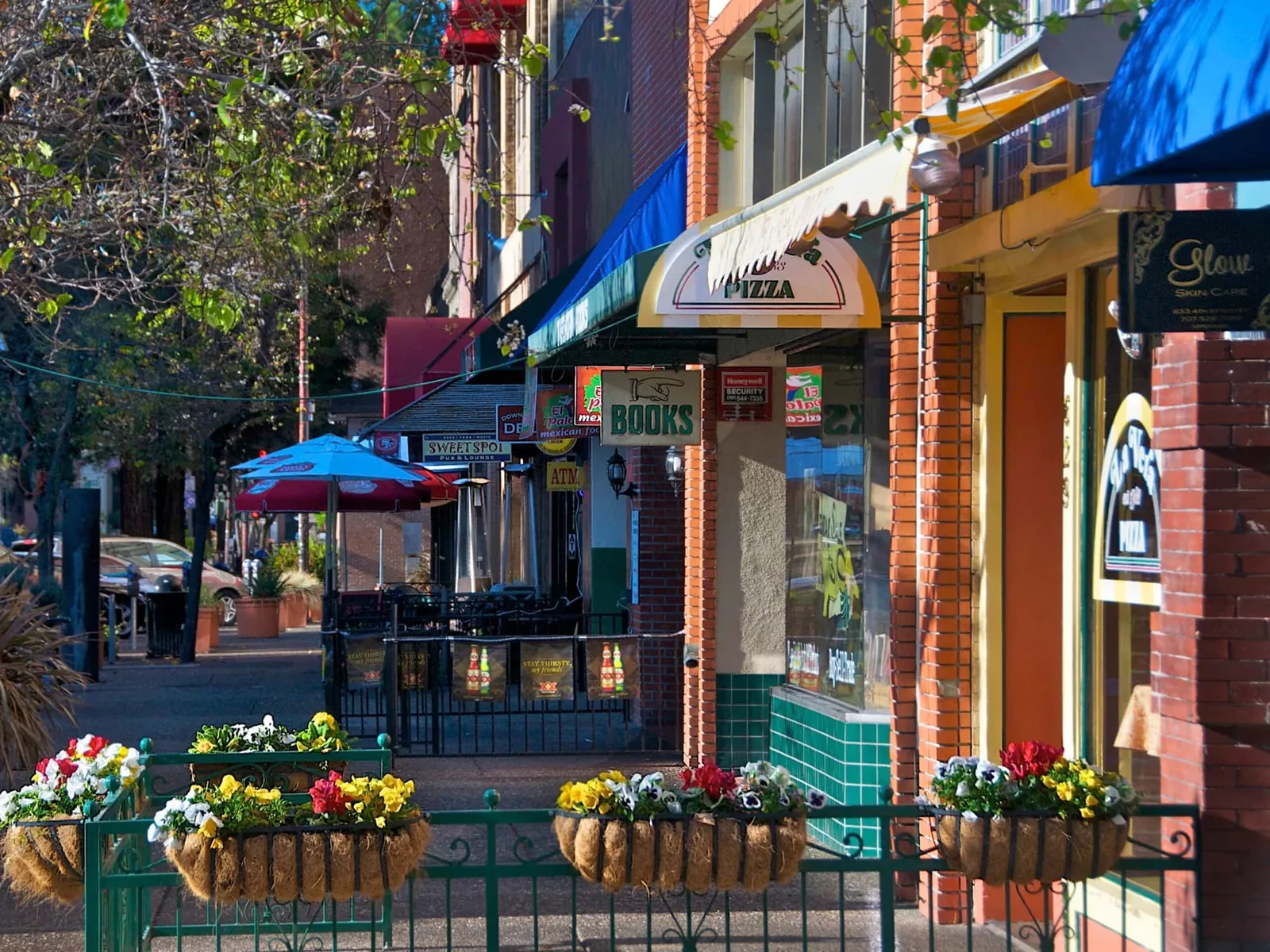
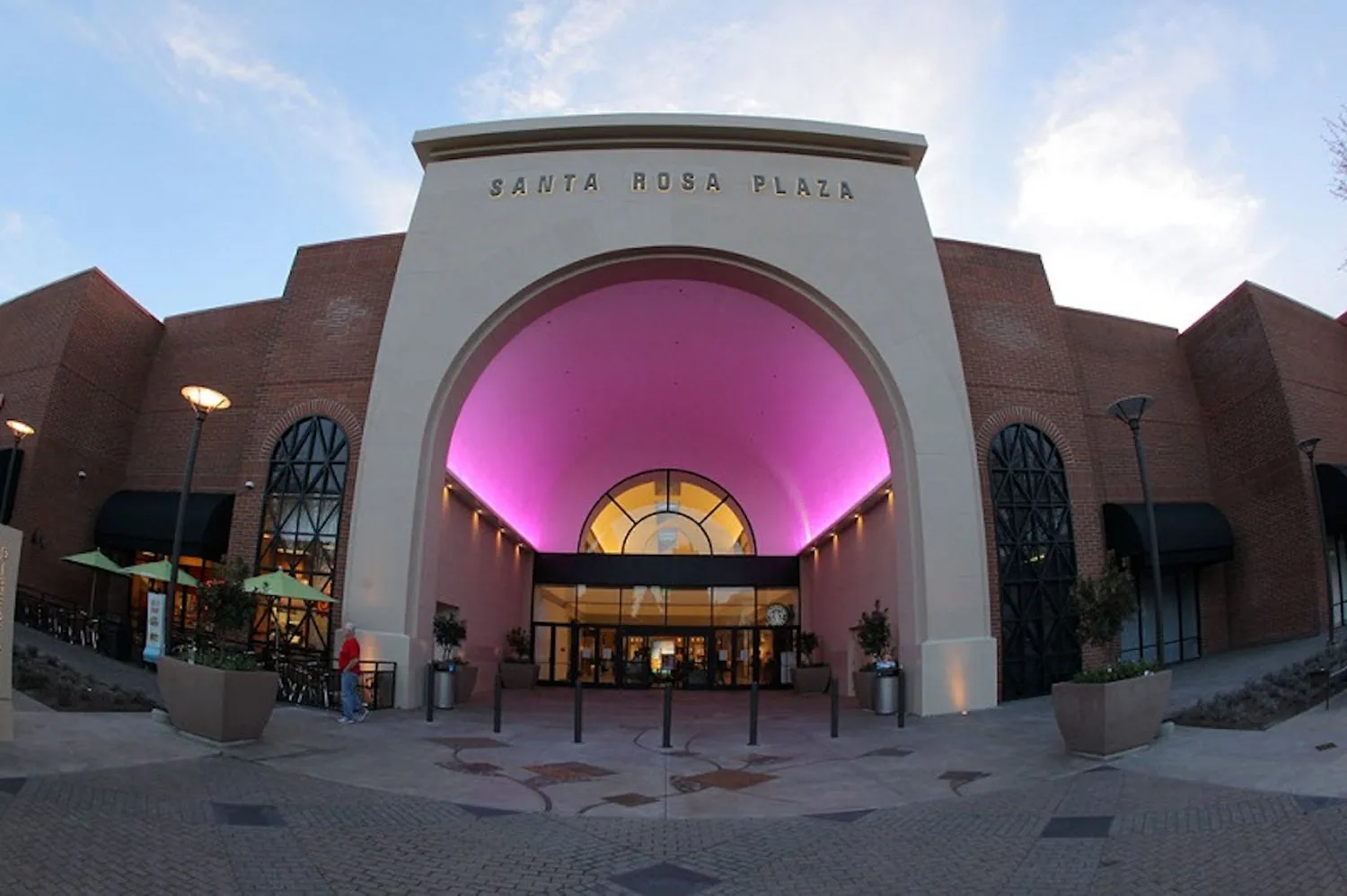
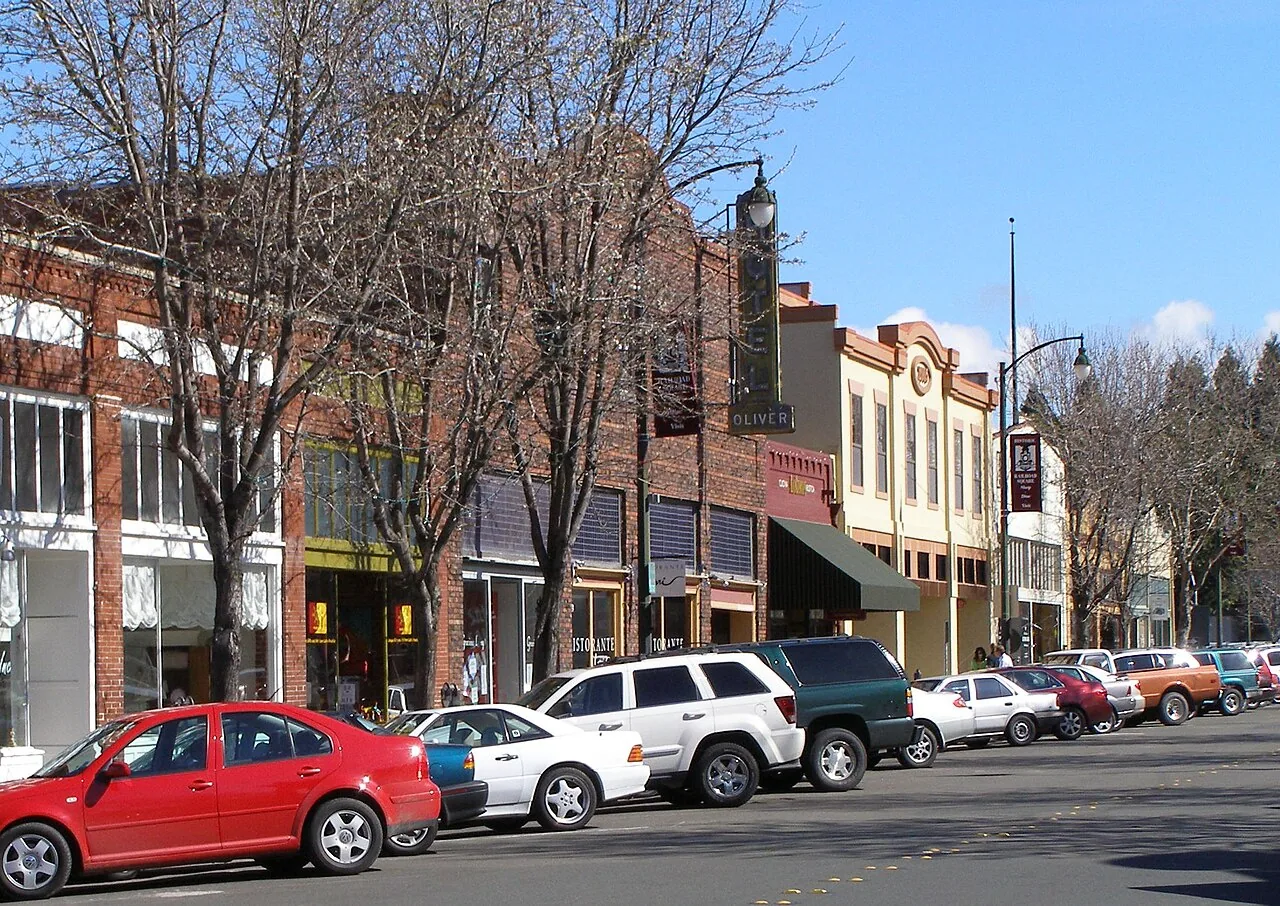
That mix suits a certain kind of building: older, detailed and full of corners. In Santa Rosa, CA, the historic masonry blocks of Railroad Square are where that kind of building shows up most clearly, and the details around the membrane are where we spend our time when we repair or replace a Soprema roof.
Serving Santa Rosa • Rohnert Park • Petaluma • Windsor • Healdsburg • Sebastopol • Napa
Bitumen sheets and liquid flashing
Sopralene is the modified bitumen line, reinforced sheets that come in torch-applied, self-adhered and cold-adhesive versions. The same family of roofing can be built in two or more plies, which gives redundancy that a single-ply sheet does not have. Alsan RS is the liquid-applied resin used for flashing and waterproofing, brushed or rolled on in place around anything that a flat sheet cannot cover.
The application method matters. A torch-applied sheet needs open flame on the roof. A self-adhered or cold-applied sheet does not. Either way, the result is modified bitumen, a tough multi-layer roof whose quality depends on how well the laps and details are done by hand.
Railroad Square tests every detail
Railroad Square is a National Register historic district, listed in 1979, bounded by 3rd, Davis, Wilson and 6th Streets. Hotel La Rose dates to 1907, three stories of andesite stone with walls up to two feet thick. Rosenberg's Department Store has its own separate listing from 1994. Masonry buildings like these leave very little room for error at the parapet.
Thick masonry walls mean the roof edge is a long run of wall that moves differently from the roof deck. Cap flashing, through-wall flashing and the termination bar all have to survive that movement. A liquid-applied resin can fill odd shapes where a sheet would bridge and pull away. For Railroad Square roofs, we start with the wall, not the field.
Verdict: if the parapet is wet, the roof is not finished, no matter how fresh the sheet looks.
Laps, terminations and movement
Fire rules change how we install
The 2009 Wildland-Urban Interface Fire Area map is the one Santa Rosa has been working from. New CAL FIRE hazard maps add 3,082 parcels to the zone and remove 811, with the ordinance on the City Council's April 21, 2026 agenda, and the Tubbs, Nuns, Glass and Kincade fires are behind the update.
For roofers, the lesson is about method. Torch-applied bitumen is a real fire risk in a county that has seen what embers can do, so self-adhered and cold-applied versions are worth pricing first. Whatever the method, hot work needs a fire watch, a clear zone and a closed-out day. We plan that before we plan the schedule.
Wall first, field second
A hands-on inspection of an older masonry roof begins with the parapet, the coping and the drains. Then we check the field for blisters, laps and wet insulation. Where the wall is sound, we form flashing in a compatible resin or sheet. Where mortar is failing, the mason comes before the roofer, since no flashing holds to a crumbling wall.
At a wall, the sequence matters. We confirm the substrate is sound, remove loose material, prepare the termination, and choose a compatible flashing detail before the field membrane is closed. Liquid-applied resin needs the specified reinforcement and curing conditions; it cannot compensate for a moving or contaminated substrate. We also check that water is directed away from the finished detail instead of left to pond beside it. The product choice follows the roof assembly and the manufacturer’s published detail, while the inspection record shows the actual conditions found in the field.
Edge metal matters as well. Loose coping and edge metal let water follow a bad joint straight into the wall. On a multi-ply roof that is otherwise sound, repair beats replacement almost every time.
Do not resin over a bad wall
A liquid flashing will not cure a cracked parapet or a loose cap. Do not spend on a premium sheet if the deck is rotten under the parapet. And do not choose a torch install in a building you cannot protect. A comparable multi-ply route is the self-adhering line from GAF or the modified bitumen from Johns Manville, and either is worth pricing against a Soprema build.
Skip extra plies as a substitute for drainage, too. A thicker roof that ponds water still ponds water, and standing water finds the laps first.
Commercial Roofing Questions
Our historic block has stone walls and a flat roof. Which Soprema system fits it best?
For most older masonry roofs, a multi-ply modified bitumen sheet with liquid-applied flashing at the walls is a sensible pairing. It handles movement at the parapet and tolerates the odd shapes around skylights and chimneys. The wall condition has to be checked first, and a historic district may add its own review.
Can torch-applied bitumen be used near wildfire-exposed areas of Santa Rosa?
It can, with a fire watch and strict hot-work practices, but self-adhered or cold-applied sheets avoid open flame, and that is where we start. The WUI map is being updated, and your address may be in a new zone. We check the current maps and ask your insurer what they expect before choosing a method.
What happens if I patch a parapet leak with roof cement?
The patch looks fine for a season and then cracks, because roof cement does not move with the wall. Water gets behind it and travels along the flashing. Proper repair means cleaning back to sound material and forming a flashing that can flex.
Do converted warehouse districts like the Barlow in Sebastopol need different roofing?
A conversion puts new tenants and new equipment under an older structure, so roof loads, drainage and penetrations deserve a fresh look. The Barlow, in Sebastopol, was a $32 million conversion of old agricultural warehouses into a market district, and it sits on a floodplain, so water management matters both at grade and on the roof. We check the structure before choosing a system.
Is it worth coating an old modified bitumen roof that is blistering?
Only after the blisters are understood. A blister that is soft underfoot has trapped moisture, and coating over it holds the water in. Cut and dry the affected spots, repair them, and then decide whether a coating adds years or only hides the problem.
Start with the parapet
Call Commercial Roofing Santa Rosa. We will check the walls, the laps and the insulation and tell you plainly whether the roof needs work now, later or not at all.